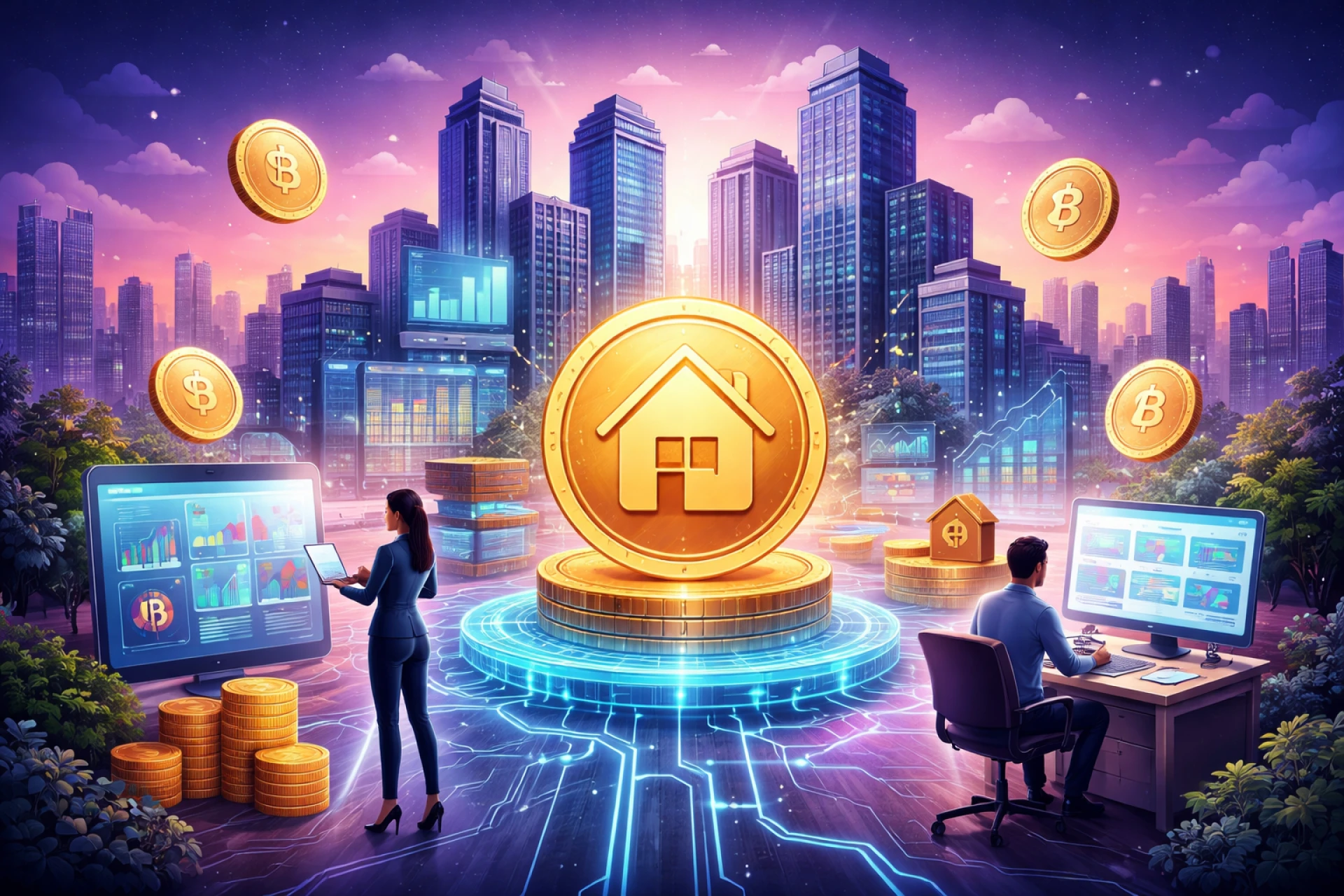

The emergence of blockchain technology has fundamentally reshaped traditional financial markets, enabling a bridge between tangible, real-world assets (RWAs) and the digital economy. Among these innovations, the tokenization of commodities such as gold, silver, platinum, and other rare metals represents a significant development in the democratization of investing and the evolution of decentralized finance (DeFi). Tokenized commodities provide investors with access to high-value physical assets without the complexities of storage, transportation, and custody, thereby opening opportunities for both retail and institutional participants. In this article, we explore how RWAs can be tokenized, the mechanisms through which investors access tokenized commodities, the benefits and challenges of this model, and the broader implications for global markets.
Understanding Real-World Asset Tokenization
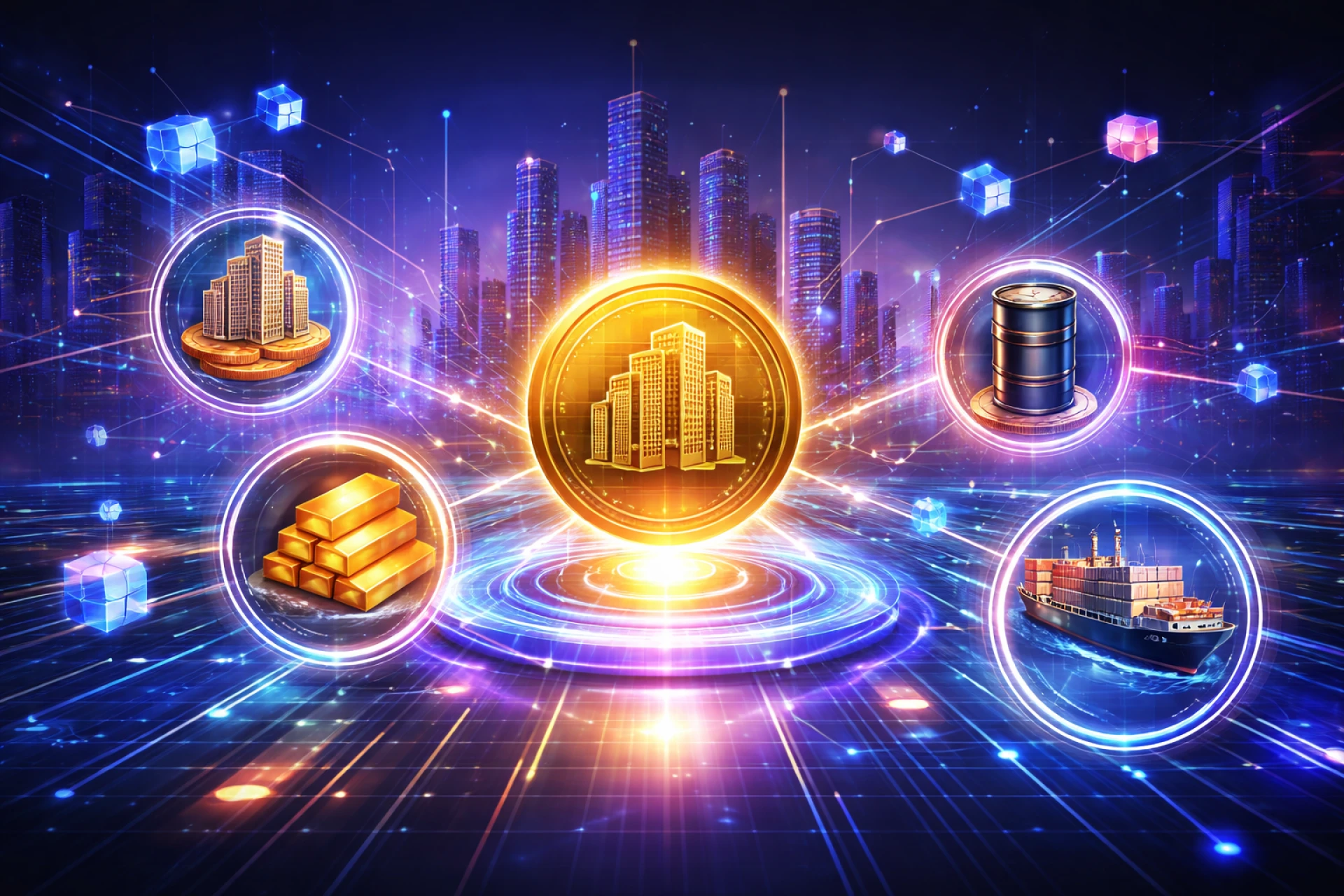
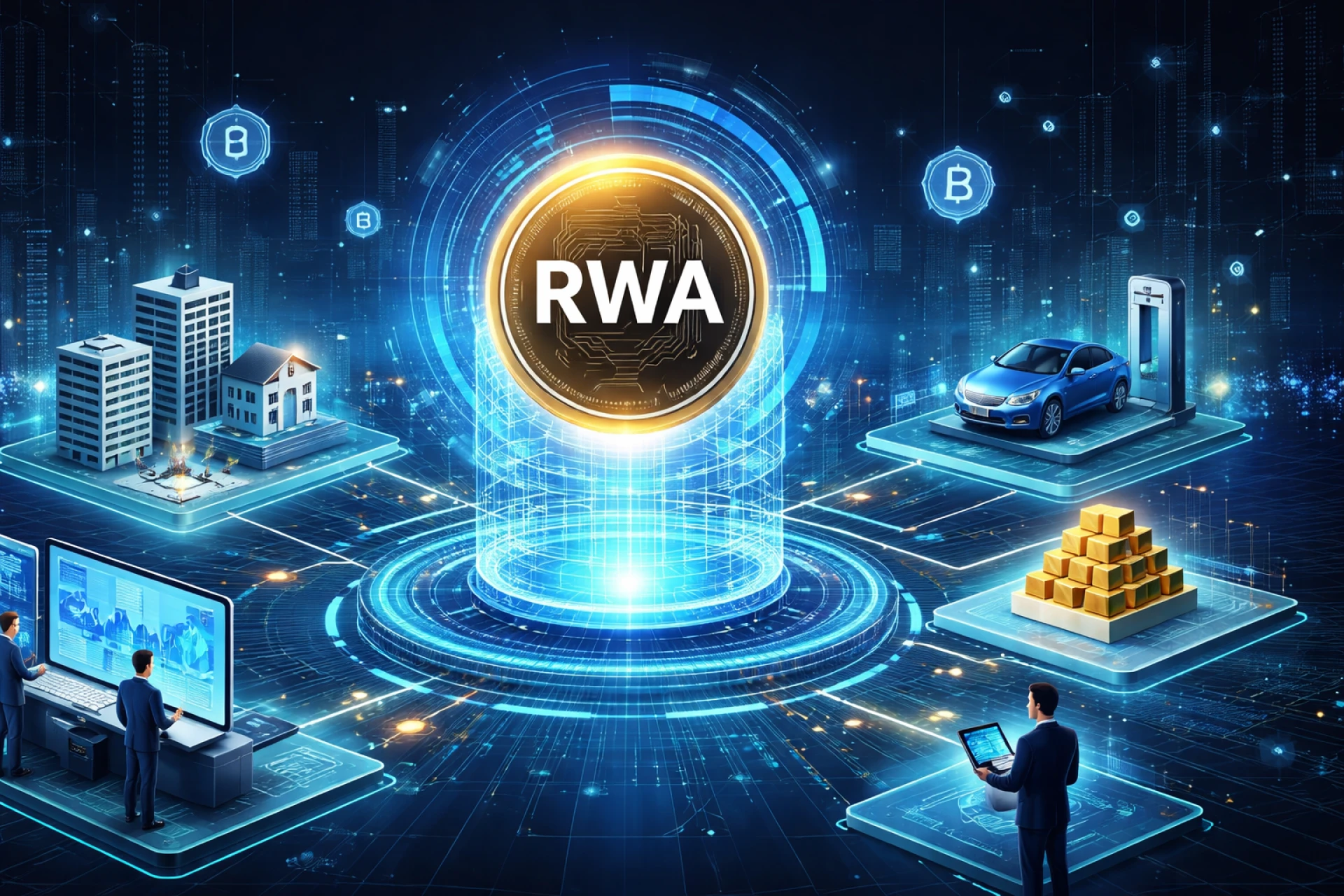
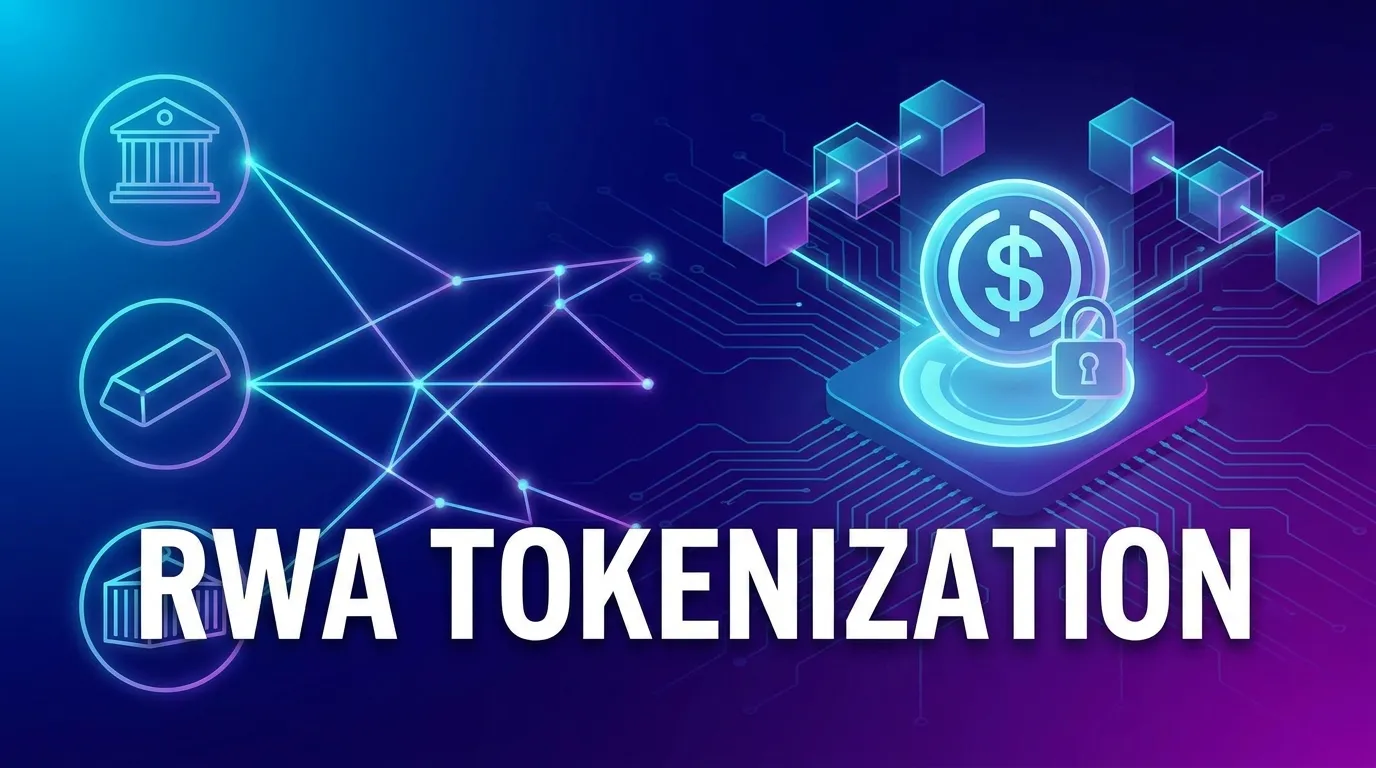
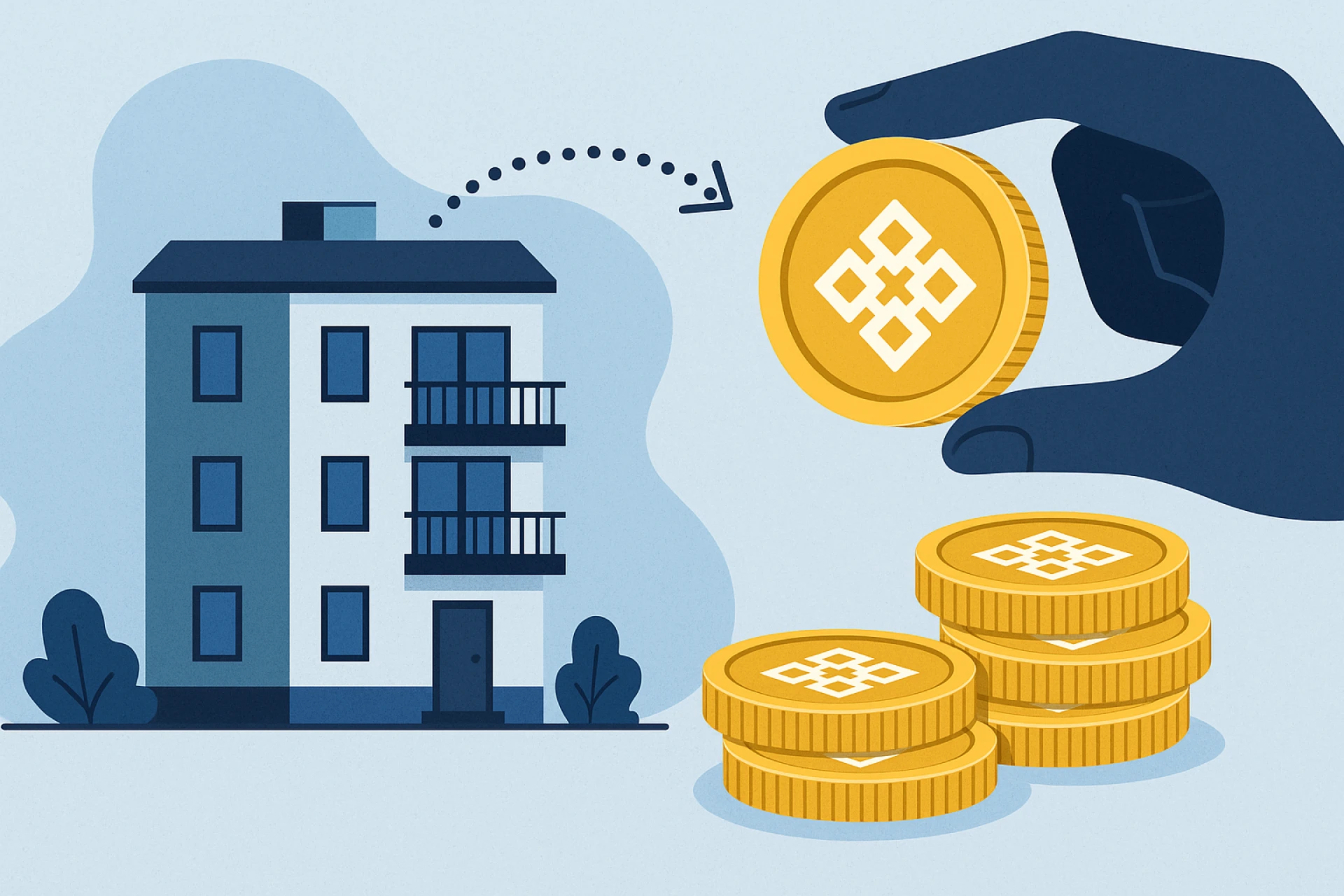
Real-World Asset (RWA) tokenization refers to the process of converting physical assets into digital tokens on a blockchain. These tokens represent fractional ownership of the underlying asset, which can include real estate, fine art, commodities, and other tangible items. Unlike traditional derivatives or ETFs, RWA tokens are directly backed by the physical assets they represent, with verifiable proof of custody and legal ownership. This ensures that each token is not merely a speculative instrument but a claim on a tangible, quantifiable commodity.
In the context of precious metals and rare commodities, real world asser tokenization involves several critical components. Firstly, the asset must be verified for quality, quantity, and provenance. Third-party auditors, certification authorities, and custodians play a vital role in establishing trust between the issuer and potential investors. Once verified, the physical asset is typically stored in secure facilities, often under third-party custody arrangements, and corresponding digital tokens are minted on a blockchain network. Each token represents a specific amount of the physical asset—for example, one token could equate to one gram of gold or one ounce of silver.
Blockchain-based tokens provide several advantages over traditional commodity investment methods. Transactions can be executed 24/7, eliminating market hours constraints. Tokenized commodities can be fractionalized, allowing investors to buy small portions of high-value assets. Additionally, blockchain technology ensures transparency, immutability, and traceability, allowing holders to verify the provenance and authenticity of the underlying asset at any time.
Mechanisms of Accessing Tokenized Commodities
Accessing tokenized commodities through RWAs involves a combination of blockchain infrastructure, custodial arrangements, and regulatory compliance. Here are the primary mechanisms through which these assets can be accessed:
1. Custodial Platforms and Asset Backing
The first step in accessing tokenized commodities is the creation of a secure and verifiable custody system. Asset custodians, often regulated entities, hold the physical commodities in secure vaults. These custodians provide proof of reserves, which is periodically audited and published to maintain transparency. For example, a vault holding 10,000 ounces of gold may issue 10,000 tokens, each representing one ounce. Investors purchasing these tokens have direct claims on the gold held in the vault, which can be redeemed under certain conditions.
Custodial platforms serve as the interface between the digital and physical worlds, allowing investors to trade, hold, or redeem tokens. Some platforms also offer secondary market functionalities, enabling token holders to buy or sell fractions of commodities in real time without physically moving the asset. This model reduces logistical complexity while maintaining investor confidence in the underlying commodity.
2. Smart Contracts and Blockchain Integration
Smart contracts are programmable agreements that automatically execute predefined actions when certain conditions are met. In the context of tokenized commodities, smart contracts govern the issuance, transfer, and redemption of tokens. They ensure that each token remains fully backed by the corresponding physical asset and that transactions occur in a secure, automated, and transparent manner.
For example, when an investor buys a gold token, the smart contract records the ownership transfer on the blockchain while maintaining the backing reserve with the custodian. Redemption procedures, if allowed, are also handled by smart contracts, which can trigger the release of the physical asset or a fiat-equivalent payout. This integration of blockchain technology minimizes human intervention, reduces operational risk, and enables frictionless cross-border transactions.
3. Token Standards and Interoperability
The adoption of standardized token protocols is critical for liquidity and interoperability. ERC-20, ERC-721, and ERC-1155 are common token standards on Ethereum that allow digital assets to be easily transferred, tracked, and integrated into broader financial ecosystems. Tokenized commodities often utilize these standards to ensure compatibility with digital wallets, DeFi protocols, and trading platforms.
Moreover, interoperability between blockchains can enhance accessibility. Cross-chain bridges and decentralized exchanges allow token holders to transfer assets across different blockchain networks, enabling broader market participation and higher liquidity. Investors can also use tokenized commodities as collateral for lending, borrowing, or leveraging within DeFi ecosystems, thereby unlocking additional financial utility beyond mere ownership.
4. Compliance and Regulatory Frameworks
Tokenized commodities operate within a regulatory landscape that varies by jurisdiction. Compliance with anti-money laundering (AML), know-your-customer (KYC), and securities regulations is essential to ensure legitimacy and protect investors. Many platforms implement rigorous onboarding procedures and ongoing reporting to comply with legal standards.
Furthermore, the legal structure of tokenized commodities often includes trust arrangements or special purpose vehicles (SPVs) to hold the underlying assets. These structures establish clear ownership rights, legal recourse, and enforceable claims in case of disputes. By aligning tokenization practices with regulatory requirements, platforms enhance trust and attract institutional investors who may otherwise be wary of digital asset exposure.
Benefits of Tokenized Commodities via RWAs
The tokenization of commodities offers numerous advantages over traditional investment channels, particularly when facilitated through RWAs:
1. Fractional Ownership and Accessibility
Traditional commodity investment often requires large capital outlays, limiting access to high-net-worth individuals or institutions. Tokenization allows for fractional ownership, enabling retail investors to participate with significantly smaller amounts. For instance, an investor could buy a single gram of gold rather than having to purchase a full kilogram bar, thereby lowering the entry barrier and broadening market participation.
2. Transparency and Traceability
Blockchain’s immutable ledger provides full transparency regarding the issuance, transfer, and redemption of tokens. Investors can independently verify the quantity and location of the underlying commodity at any time. This transparency reduces counterparty risk, prevents fraud, and builds confidence in the market.
3. Liquidity and Tradability
Tokenized commodities can be traded on digital exchanges 24/7, unlike physical markets that operate within restricted hours. The ability to trade fractions of an asset improves liquidity, allowing investors to adjust their portfolios quickly in response to market conditions. Secondary markets and DeFi integration further enhance liquidity by enabling peer-to-peer transactions without the need for intermediaries.
4. Security and Custodial Efficiency
Storing physical commodities securely is costly and logistically complex. By tokenizing assets, investors can gain exposure without handling the physical asset directly. Custodial platforms provide insured storage and independent verification, reducing the risk of theft, loss, or mismanagement. Blockchain-based ownership records also provide strong protection against disputes and fraud.
5. Integration with DeFi Applications
Tokenized commodities can be seamlessly integrated into DeFi ecosystems, enabling lending, borrowing, and staking against digital tokens backed by tangible assets. This integration allows investors to earn yields, leverage positions, or utilize their holdings as collateral while retaining exposure to real-world commodities. It bridges the gap between traditional markets and the digital finance landscape, opening new financial possibilities.
Challenges and Considerations
While the tokenization of commodities presents compelling benefits, several challenges must be addressed:
1. Regulatory Uncertainty
Despite growing adoption, the regulatory environment for tokenized commodities remains fragmented. Different jurisdictions classify digital tokens differently, with some treating them as securities, commodities, or property. Navigating this patchwork of regulations is critical for platforms and investors to avoid legal pitfalls.
2. Custodial Risk
The security of the underlying physical assets relies heavily on custodians. Any lapse in storage standards, auditing procedures, or insurance coverage can compromise the integrity of the tokenized commodity. Investors must carefully evaluate the custodial arrangements and third-party audits of any platform they engage with.
3. Market Liquidity and Adoption
While tokenization improves liquidity relative to traditional commodities, the market is still maturing. Low adoption rates or thin trading volumes can impact price discovery and trading efficiency. Platforms must actively cultivate liquidity through market-making mechanisms, partnerships, and cross-chain integration.
4. Smart Contract Vulnerabilities
Smart contracts, while powerful, are not immune to bugs or exploitation. Poorly coded contracts can result in financial losses or unauthorized transfers. Rigorous audits and ongoing monitoring are essential to maintain security and investor confidence.
5. Price Volatility and Market Risk
Tokenized commodities are still subject to the underlying market risks of the physical assets they represent. Fluctuations in gold, silver, or rare metal prices can impact token values, and investors must be aware that blockchain integration does not eliminate inherent market volatility.
Real-World Use Cases
Tokenized commodities have already begun to transform the investment landscape. Several platforms offer tokenized gold and silver, allowing investors to trade these assets digitally while maintaining physical backing. For instance, platforms such as Paxos, Tether Gold, and Perth Mint Gold Token provide tokenized gold solutions with verifiable reserves. Similarly, industrial metals like platinum, palladium, and lithium are increasingly being tokenized to facilitate access for industrial buyers and investors alike.
Institutional investors benefit from reduced settlement times, lower transaction costs, and increased transparency, while retail investors gain entry to high-value assets that were previously inaccessible. Moreover, tokenized commodities can support hedging strategies, portfolio diversification, and collateralized lending, bridging traditional finance with emerging digital ecosystems.
The Future of Tokenized Commodities via RWAs
As blockchain infrastructure matures and regulatory frameworks evolve, the tokenization of commodities is poised for significant growth. Interoperable platforms, improved custodial standards, and broader investor education will drive adoption. The convergence of RWAs and DeFi will likely create more sophisticated financial products, such as commodity-backed synthetic assets, yield-bearing tokens, and fractionalized commodity funds.
Furthermore, tokenized commodities may become a central component of digital asset portfolios, offering a hedge against inflation and currency risk. As institutional adoption accelerates, tokenized gold, silver, and rare metals could establish themselves as mainstream investment vehicles, redefining the traditional commodity market and expanding access on a global scale.
Conclusion
Tokenized commodities, backed by real-world assets, represent a transformative innovation in financial markets. By leveraging blockchain technology, smart contracts, and robust custodial frameworks, investors can access gold, silver, and rare metals in a secure, transparent, and efficient manner. Fractional ownership, enhanced liquidity, and integration with DeFi ecosystems create opportunities that were previously unavailable to retail and institutional participants alike. While challenges such as regulatory uncertainty and custodial risk persist, the continued evolution of tokenized commodities is reshaping how investors approach physical assets in the digital age. As adoption grows and infrastructure matures, tokenized commodities are poised to become a vital component of modern investment strategies, bridging the gap between tangible value and digital finance.














Sign in to leave a comment.