

Real estate has traditionally been one of the most stable and valuable asset classes in the global financial system. From residential housing and commercial buildings to industrial facilities and mixed-use developments, property assets have long attracted investors seeking steady income, capital appreciation, and portfolio diversification. However, despite its appeal, real estate investing has historically been constrained by high entry barriers, geographic limitations, complex legal structures, and low liquidity. These challenges have made direct property ownership inaccessible to a large portion of global investors.
The emergence of digital tokens, enabled by blockchain technology, is fundamentally changing this dynamic. By transforming physical real estate assets into blockchain-based digital representations, tokenization is reshaping how investors access, own, and trade property assets across borders. Digital tokens are not merely a technological innovation; they represent a structural shift in global real estate markets, unlocking liquidity, enhancing transparency, and democratizing access to property investment on an unprecedented scale.
Understanding Digital Tokens in Real Estate
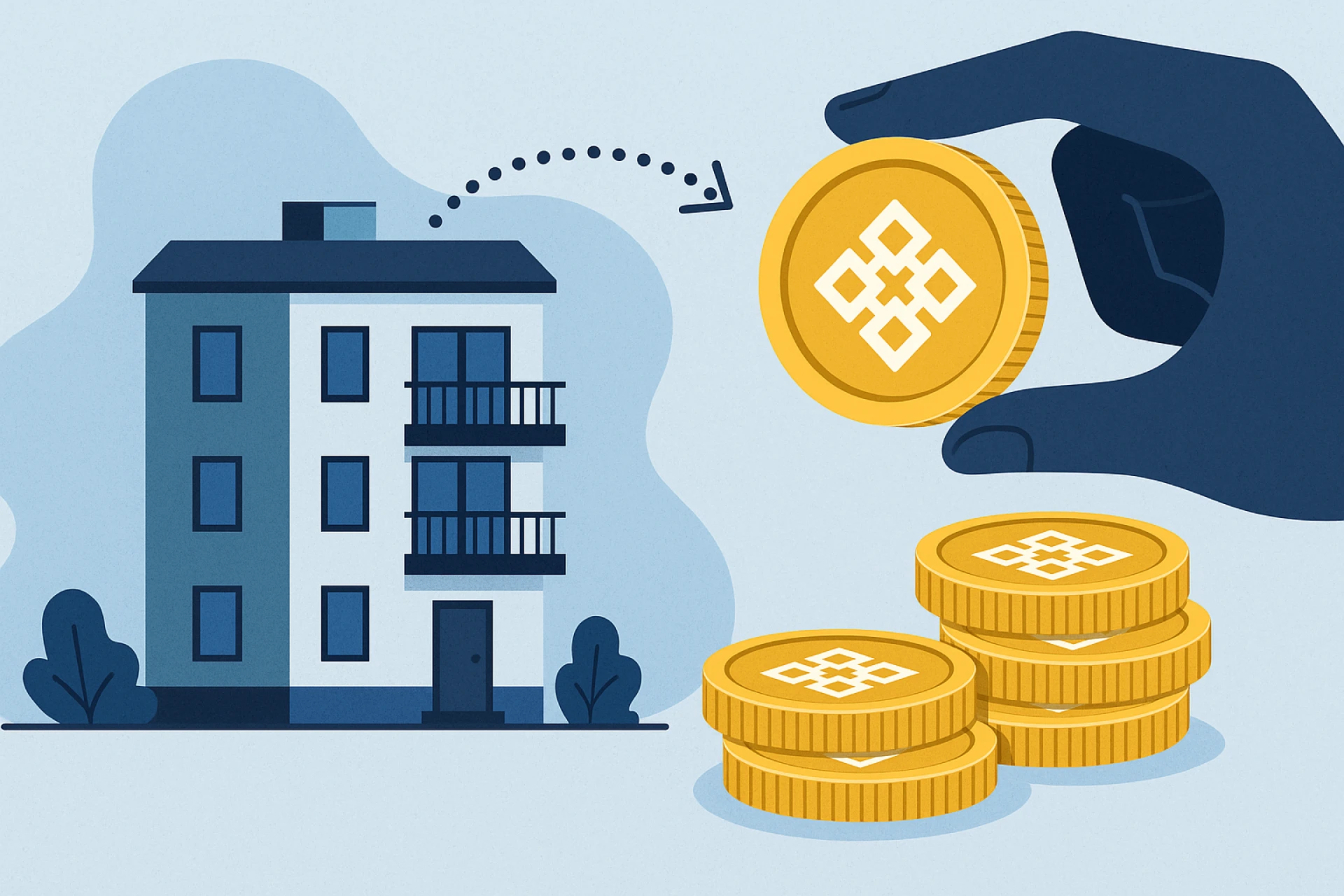
Digital tokens in real estate represent ownership rights, income entitlements, or economic exposure to a property asset, recorded and managed on a blockchain. Each token corresponds to a fraction of the underlying real estate asset, allowing investors to own a portion of a property rather than the entire asset. These tokens are created and governed through smart contracts, which define ownership rules, income distribution mechanisms, and transfer conditions.
Unlike traditional real estate investment vehicles, digital tokens enable programmable ownership. This means that rental income, profit sharing, voting rights, and compliance requirements can be embedded directly into the token’s logic. Blockchain ensures that ownership records are immutable, transparent, and verifiable, reducing reliance on intermediaries such as brokers, escrow agents, and registrars.
By bridging physical real estate tokenization with digital infrastructure, tokens create a new asset format that combines the stability of property with the flexibility and efficiency of digital financial markets.
Breaking Down Traditional Barriers to Real Estate Investment
High Capital Requirements
One of the most significant obstacles to real estate investment has always been the high cost of entry. Acquiring commercial or residential property often requires substantial upfront capital, making it impractical for retail investors to participate directly. Digital tokens address this challenge through fractionalization. A high-value property can be divided into thousands or even millions of tokens, each representing a small ownership stake.
This fractional structure allows investors to enter real estate markets with significantly lower capital commitments. Instead of purchasing an entire property, investors can allocate smaller amounts across multiple assets, improving diversification and risk management.
Geographic Constraints
Traditional real estate investment is highly localized. Investors often face legal, regulatory, and logistical challenges when attempting to invest in property outside their home country. Digital tokens remove many of these barriers by enabling cross-border ownership through blockchain-based systems.
Investors can gain exposure to real estate assets in different countries without physically managing properties or navigating complex local processes. This global accessibility expands investment opportunities while enabling geographic diversification across markets with different economic cycles and growth profiles.
Illiquidity of Property Assets
Real estate is inherently illiquid. Selling a property can take months or even years, involving negotiations, legal procedures, and market uncertainty. Digital tokens introduce liquidity by enabling secondary market trading of property ownership stakes.
Tokenized real estate assets can be traded on compliant digital marketplaces, allowing investors to buy and sell exposure to property assets more efficiently. This liquidity transforms real estate from a long-term, locked investment into a more flexible asset class that aligns better with modern portfolio strategies.
How Digital Tokens Are Reshaping Global Real Estate Access
Fractional Ownership at Scale
Digital tokens make fractional ownership scalable and efficient. Instead of relying on complex legal structures such as syndicates or funds, tokenization allows fractional ownership to be managed directly on-chain. Each investor’s ownership share is recorded transparently, and income distribution is automated through smart contracts.
This structure benefits both investors and property owners. Investors gain access to high-quality real estate assets without concentrated risk, while asset owners can raise capital from a broader and more diverse investor base.
Automated Income Distribution
Rental income and other property-generated revenues can be distributed automatically to token holders based on their ownership percentage. Smart contracts execute these distributions without manual intervention, reducing administrative overhead and minimizing delays.
This automation increases trust and efficiency, ensuring that investors receive accurate and timely returns. It also provides real-time visibility into income flows, enhancing transparency and confidence in property-backed digital assets.
Global Capital Formation
Digital tokens connect real estate projects with global capital markets. Developers and asset managers can raise funds from international investors without relying solely on traditional financing channels such as banks or private equity firms. This broader access to capital can reduce funding costs and accelerate project development.
At the same time, investors benefit from access to opportunities that were previously reserved for institutional participants. Digital tokens enable a more inclusive real estate investment ecosystem where capital flows more freely across borders.
Impact on Commercial Real Estate Markets
Commercial real estate, including office buildings, retail centers, industrial warehouses, and logistics hubs, is particularly well-suited to tokenization. These assets are typically high-value, income-generating, and long-term in nature, making them ideal candidates for fractional ownership and digital representation.
Digital tokens allow investors to participate in commercial real estate markets without committing to full ownership or long lock-up periods. Income from leases and long-term contracts can be distributed efficiently, while secondary market trading provides liquidity options that were previously unavailable.
For developers, tokenization offers an alternative to traditional debt and equity financing. By issuing digital tokens backed by commercial properties, they can access diversified capital sources and reduce reliance on concentrated institutional funding.
Expanding Access to Residential and Industrial Assets
Residential Real Estate
Tokenization is also reshaping access to residential real estate, including rental properties and residential portfolios. Investors can gain exposure to housing markets without managing tenants, maintenance, or property administration. Token-based structures allow investors to benefit from rental income and long-term appreciation while maintaining portfolio flexibility.
Residential tokenization can also support broader participation in housing markets, enabling smaller investors to allocate capital across multiple regions and property types.
Industrial and Logistics Assets
The growth of global supply chains and e-commerce has increased demand for industrial assets such as warehouses and logistics centers. These assets often generate stable income through long-term leases but require significant capital to acquire.
Digital tokens enable fractional investment in industrial infrastructure, allowing investors to participate in these markets without large capital commitments. Automated income distribution and transparent ownership records make industrial assets more accessible to global investors seeking stable, income-focused investments.
Transparency and Trust Through Blockchain
One of the most transformative aspects of digital tokens is the transparency they bring to real estate investment. Blockchain-based records provide real-time visibility into ownership, transaction history, and asset performance. Investors can independently verify their holdings and track changes without relying solely on centralized intermediaries.
This transparency reduces information asymmetry, which has historically been a challenge in real estate markets. It also enhances trust between investors, asset managers, and developers by ensuring that ownership and financial data cannot be altered or misrepresented.
Regulatory Considerations and Compliance
Digital tokens representing real estate assets often fall under securities and financial regulations, depending on jurisdiction. Compliance with these regulations is essential to ensure investor protection and market integrity. Tokenization platforms incorporate regulatory requirements into smart contracts, enforcing rules related to investor eligibility, transfer restrictions, and reporting obligations.
As regulatory frameworks continue to evolve, clearer guidelines are expected to support wider adoption of tokenized real estate. Regulatory clarity will be a key factor in attracting institutional investors and integrating digital tokens into mainstream property markets.
Secondary Markets and Liquidity Evolution
The development of secondary markets for tokenized real estate assets is a critical factor in their success. These markets enable investors to trade property tokens efficiently, improving liquidity and price discovery. Unlike traditional real estate transactions, token trades can settle quickly, reducing friction and transaction costs.
As secondary markets mature, they are expected to enhance valuation accuracy and market efficiency. Increased liquidity also makes real estate tokens more attractive to a broader range of investors, including those with shorter investment horizons.
Challenges in Global Adoption
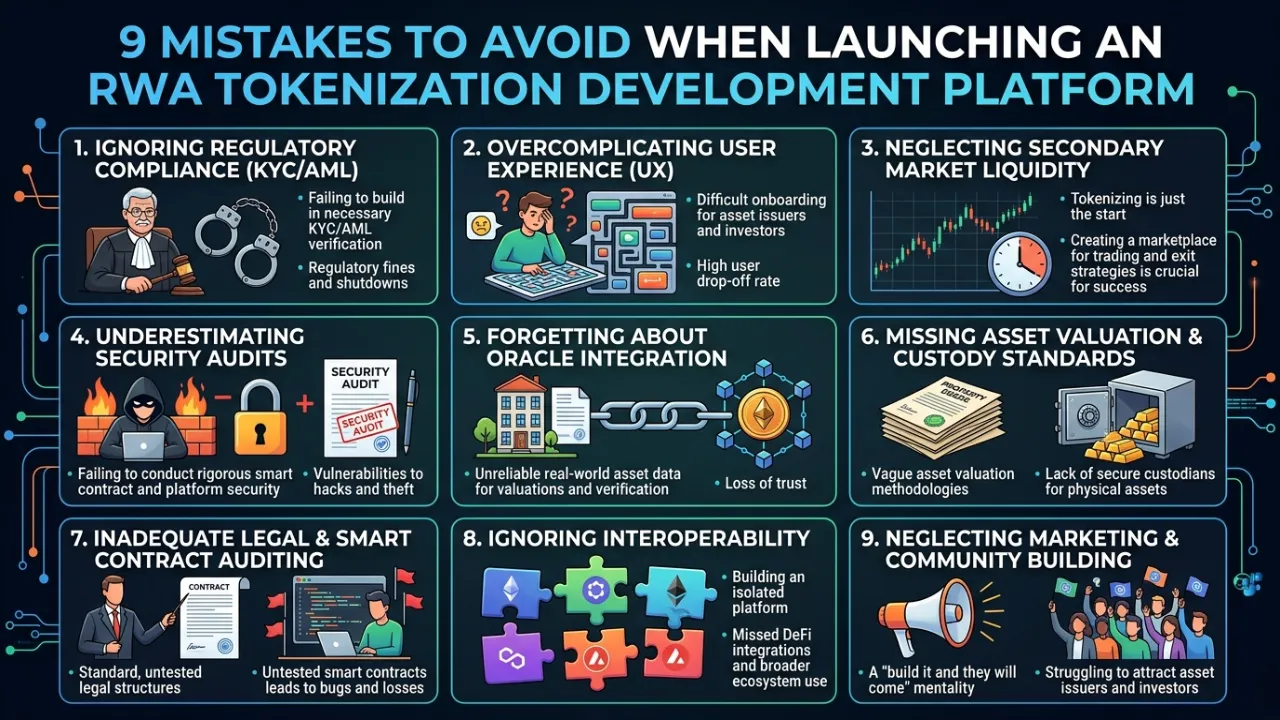
Despite their potential, digital tokens face challenges in global real estate adoption. Regulatory fragmentation, technology risks, valuation complexities, and market education remain key considerations. Ensuring secure smart contract design, robust governance structures, and transparent asset management practices is essential to building trust and sustaining growth.
Education also plays a critical role. Investors must understand how tokenized real estate works, including rights, risks, and market dynamics. As awareness increases, adoption is expected to accelerate across both retail and institutional segments.
The Future of Real Estate Investment Through Digital Tokens
Digital tokens are poised to become a foundational element of global real estate markets. As blockchain infrastructure matures and regulatory frameworks stabilize, tokenized property assets are likely to integrate with broader financial ecosystems, including decentralized finance and digital asset marketplaces.
This integration could enable new financial products such as real estate-backed lending, yield strategies, and portfolio optimization tools. By combining the stability of real estate with the efficiency of digital finance, tokens have the potential to redefine how property assets are owned, traded, and managed worldwide.
Conclusion
Digital tokens are fundamentally changing the way investors access real estate assets globally. By enabling fractional ownership, enhancing liquidity, automating income distribution, and removing geographic barriers, tokenization is transforming real estate from an exclusive, illiquid asset class into a more accessible and dynamic investment opportunity.
Blockchain-based digital tokens create a transparent and efficient framework that benefits both investors and asset owners. Investors gain access to diverse property markets with lower capital requirements and improved flexibility, while developers and asset managers unlock global capital and streamline operations.
As adoption continues to grow, digital tokens are set to play a central role in shaping the future of real estate investment, creating a more inclusive, liquid, and globally connected property market.



























Sign in to leave a comment.