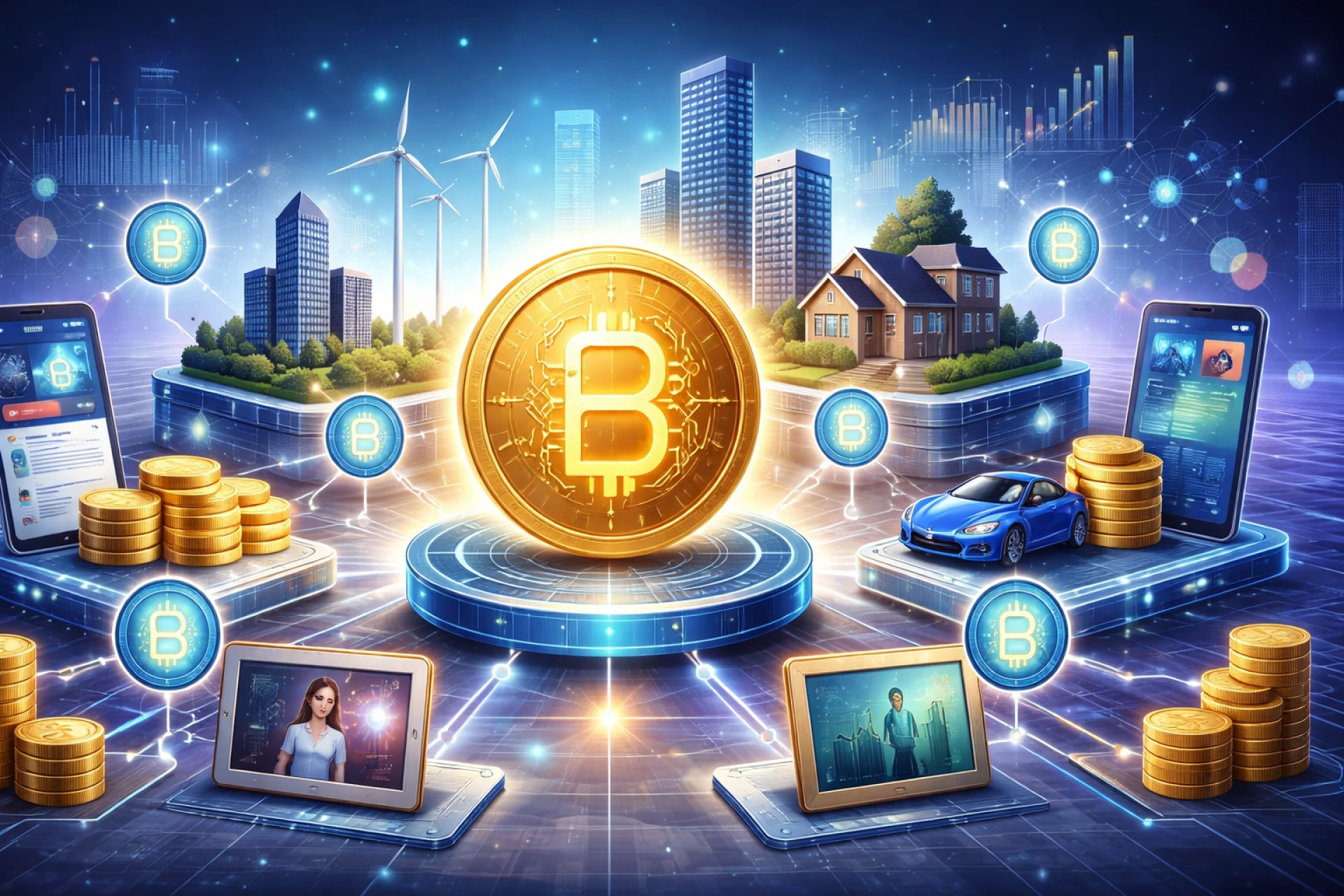

The financial landscape is undergoing a transformative shift as blockchain technology and decentralized finance (DeFi) redefine how capital is raised, allocated, and utilized. One of the most promising innovations in this space is Real World Asset (RWA) tokenization, which converts tangible or income-generating assets into digital tokens that can be traded, invested, or used as collateral. By bridging the gap between traditional finance and blockchain, RWA tokenization services are providing businesses, startups, and institutions with faster, more transparent, and more inclusive ways to raise capital.
In this blog, we will explore how RWA tokenization services facilitate efficient capital raising, the mechanisms involved, and the benefits they bring to both asset holders and investors.
Understanding Real World Asset Tokenization
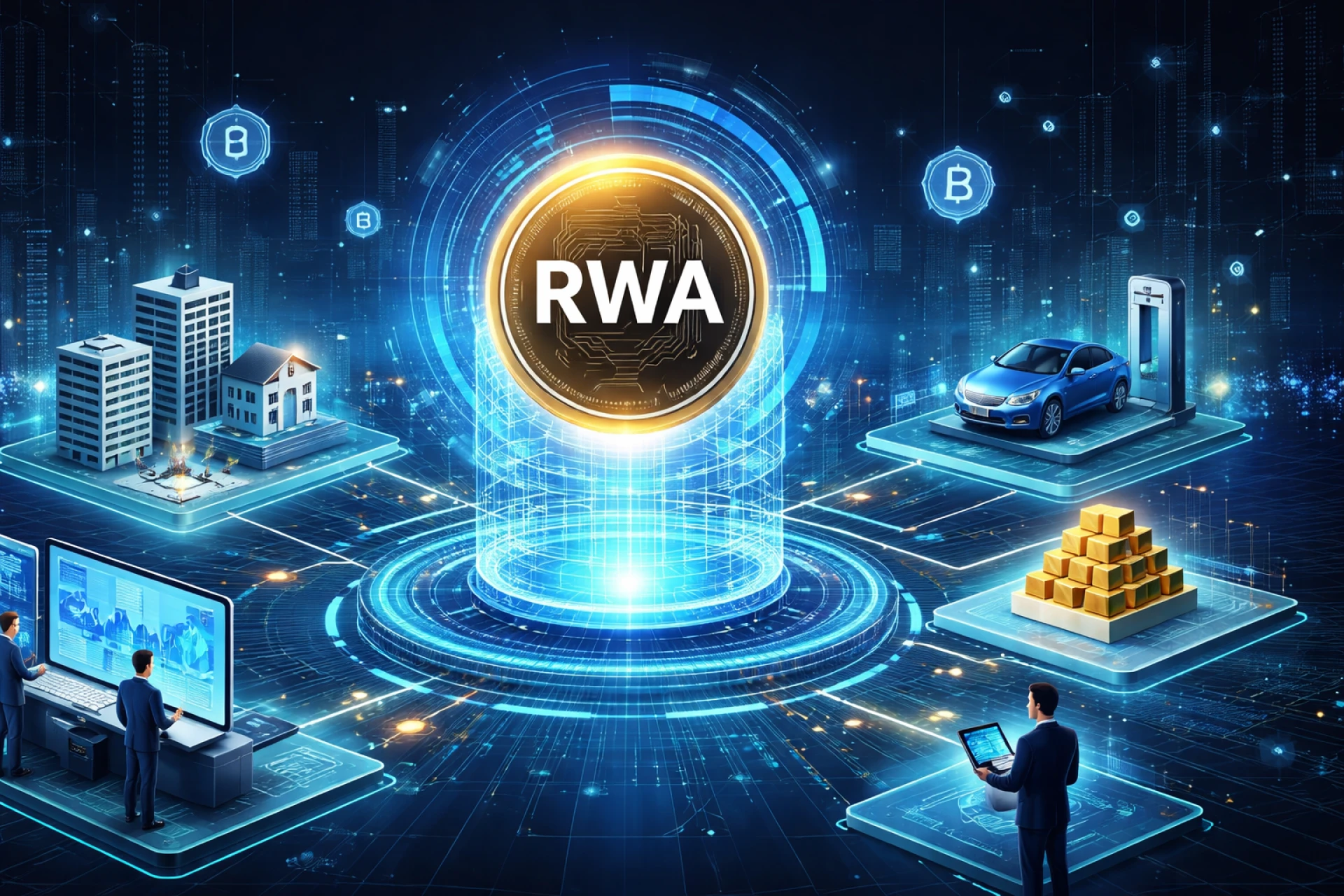
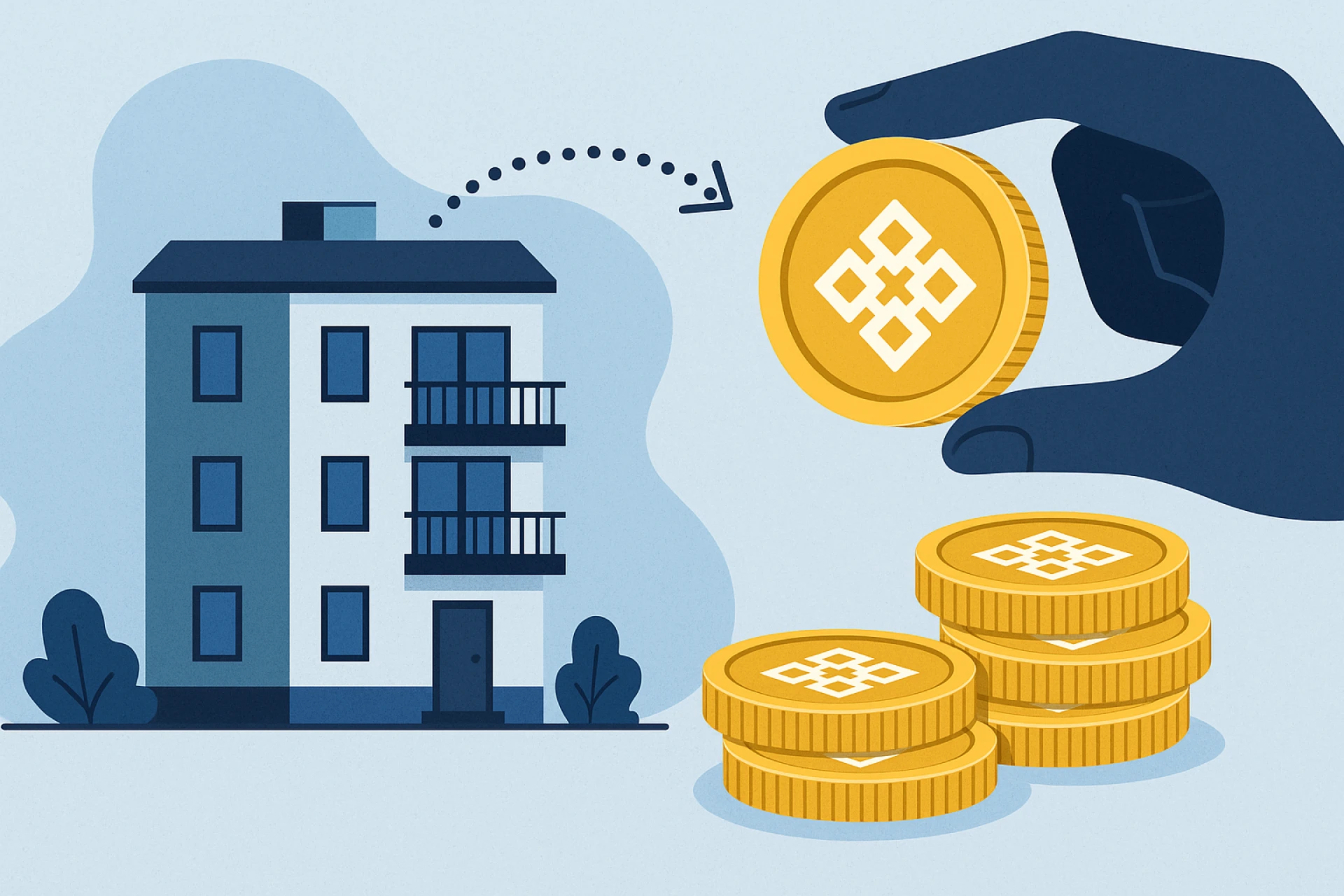
Real World Asset tokenization refers to the process of digitizing real-world assets—such as real estate, commodities, vehicles, or even revenue streams—into blockchain-based digital tokens. Each token represents a fractional or full ownership stake in the underlying asset.
For instance, a commercial property valued at $10 million could be tokenized into 10,000 digital tokens, each representing 0.01% ownership. These tokens can then be sold or traded on blockchain platforms, allowing investors to participate in the asset without having to purchase it outright.
Tokenization combines the transparency, security, and efficiency of blockchain with the value and income potential of tangible assets, making it an attractive avenue for capital raising.
Key Mechanisms by Which RWA Tokenization Supports Capital Raising
1. Fractional Ownership for Broader Investor Participation
Traditional asset-based financing often requires significant capital, restricting investment opportunities to high-net-worth individuals or institutional investors. Tokenization enables fractional ownership, allowing multiple investors to purchase smaller portions of a high-value asset.
By lowering the entry barrier, asset holders can access a larger pool of potential investors, thereby increasing the speed and efficiency of capital raising. Fractional ownership also distributes risk among investors, making participation more attractive and scalable.
2. Global Investor Reach
Blockchain-based tokenization transcends geographical boundaries. Investors from around the world can buy or trade RWA tokens, provided the platform complies with international regulatory standards.
This global reach significantly increases the potential investor base, reducing reliance on traditional local investors and accelerating capital inflow. Businesses and asset holders can thus raise funds more efficiently compared to conventional fundraising methods constrained by geography.
3. Streamlined Issuance Through Smart Contracts
Smart contracts are self-executing contracts with terms written directly into code on a blockchain. They automate processes like token issuance, distribution, profit-sharing, and investor onboarding.
For capital raising, smart contracts provide:
- Automatic Allocation of Tokens: Investors receive their tokens instantly upon funding.
- Transparent Fund Management: Funds raised are tracked and allocated according to predefined rules.
- Efficient Dividend Distribution: Rental income, interest payments, or revenue shares can be automatically distributed to token holders.
This automation reduces administrative overhead, accelerates funding cycles, and ensures that transactions are tamper-proof and transparent.
4. Liquidity Provision Through Secondary Markets
One of the major challenges in traditional capital raising is illiquidity. Once investors commit capital to a project, it is often tied up until the project matures or the asset is sold.
RWA tokenization allows tokens to be traded on secondary markets, enabling investors to exit or adjust their positions easily. Increased liquidity makes the asset more attractive to potential investors, which in turn accelerates capital raising efforts.
Platforms offering secondary trading also provide real-time price discovery, giving both issuers and investors a clearer picture of market demand and asset valuation.
5. Transparency and Trust Through Blockchain
Capital raising depends heavily on trust. Investors need assurance that funds will be used appropriately and that ownership rights are secure.
Blockchain provides immutable, transparent records of all transactions, including token issuance, transfers, and revenue distributions. This transparency reduces information asymmetry and builds investor confidence, facilitating faster and more efficient capital raising.
Additionally, blockchain audits are easier and more reliable compared to traditional paper-based record-keeping, further enhancing trust in the tokenized offering.
6. Compliance and Regulatory Efficiency
RWA tokenization platforms are increasingly integrating KYC (Know Your Customer), AML (Anti-Money Laundering), and other compliance mechanisms directly into their systems.
Automating compliance checks via smart contracts ensures that only eligible investors can participate, reducing the risk of regulatory violations. Efficient compliance processes lower administrative burdens, speed up token sales, and reduce delays often encountered in traditional fundraising.
Benefits of Using RWA Tokenization Services for Capital Raising
The combination of fractional ownership, global accessibility, automated processes, liquidity, transparency, and compliance creates a range of advantages for both issuers and investors:
- Faster Fundraising Cycles
Tokenization reduces manual paperwork and administrative bottlenecks, allowing issuers to raise capital quickly. - Reduced Costs
Eliminating intermediaries such as brokers and banks lowers fees associated with fundraising. - Access to New Investor Segments
Tokenized assets attract retail investors, international participants, and crypto-native communities who may not have access to traditional investments. - Improved Asset Liquidity
Secondary markets and fractional ownership provide liquidity, enhancing investor confidence and facilitating faster capital deployment. - Enhanced Transparency
Immutable blockchain records provide clear visibility into fundraising progress, investor participation, and revenue distribution. - Scalability for Future Funding Rounds
Once a platform and token infrastructure are established, issuers can easily launch additional fundraising rounds or tokenize new assets.
Use Cases of RWA Tokenization in Capital Raising
1. Real Estate Development
Real estate developers often need substantial capital to finance large-scale projects. Tokenizing a portion of the property or future revenues allows them to raise funds from a diverse set of investors while offering fractional ownership. Investors, in turn, benefit from liquidity and transparency that traditional real estate investments often lack.
2. Infrastructure Projects
Infrastructure initiatives such as renewable energy farms, bridges, or toll roads require significant upfront investment. Tokenization enables project sponsors to raise capital efficiently while giving investors the ability to participate in revenue streams like tolls or energy sales.
3. Commodities and Natural Resources
Companies in mining, agriculture, or energy sectors can tokenize physical commodities or revenue rights. This allows investors to gain exposure to real-world assets without physically handling them, while companies gain quicker access to capital.
4. Corporate Debt and Revenue-Based Financing
Tokenized bonds or revenue-sharing instruments allow companies to raise funds efficiently from a broad base of investors. Smart contracts automate interest or revenue payments, reducing operational overhead and ensuring timely payouts.
Challenges and Considerations
While RWA tokenization services offer immense benefits, there are challenges to consider:
- Regulatory Complexity: Navigating global securities laws and property regulations is critical to avoid legal risks.
- Valuation Accuracy: Token prices must reflect the fair value of the underlying asset to maintain investor confidence.
- Technological Adoption: Investors and issuers must be comfortable with blockchain technology and digital wallets.
- Market Liquidity: Tokenized assets require active secondary markets to ensure liquidity, otherwise investor participation may be limited.
Careful planning, partnerships with compliant custodians, and selecting reputable tokenization platforms can mitigate these challenges.
Conclusion
Real World Asset tokenization is revolutionizing capital raising by providing faster, more efficient, and more transparent ways to access funding. By digitizing tangible assets and leveraging blockchain, tokenization enables fractional ownership, global investor access, automated fund management, and secondary market liquidity.
RWA tokenization services allow businesses, developers, and institutions to raise capital quickly while reducing costs and administrative burdens. At the same time, investors benefit from liquidity, transparency, and the ability to participate in previously inaccessible markets.
As blockchain adoption grows and regulatory frameworks mature, RWA tokenization is set to become a mainstream tool for capital raising, bridging traditional finance with the decentralized world and reshaping the future of investment.

















Sign in to leave a comment.