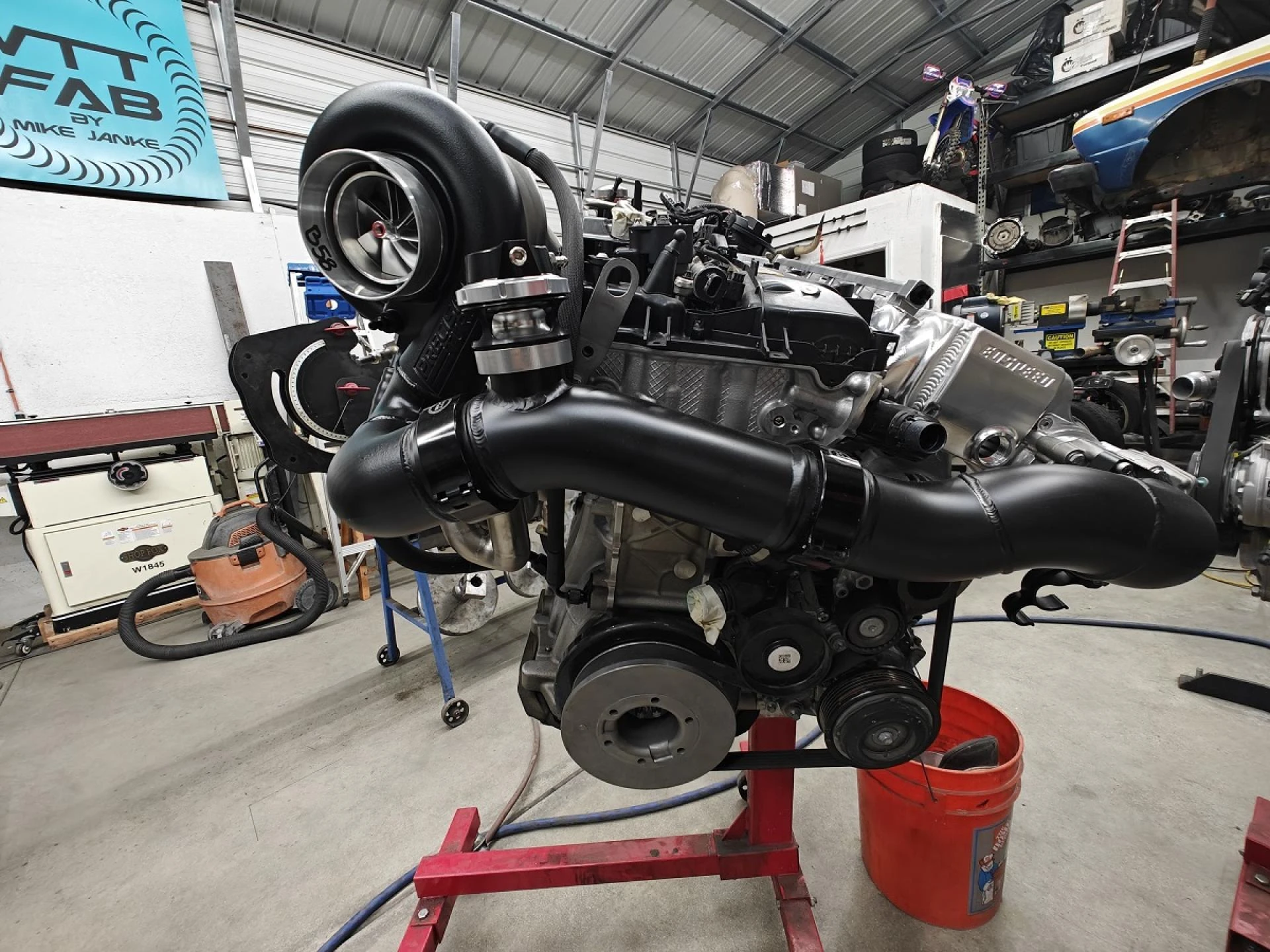

Does it feel like colder days help your track times? Does your car seem more efficient on the street when the temperature drops? The truth is, your B58 turbo makes better use of dense, cold air than it does of hotter air, helping your BMW burn fuel more efficiently. Knowing how the weather affects your turbo can help you take advantage of the cold air. Here’s how.
Cold Days Equal Efficient Combustion
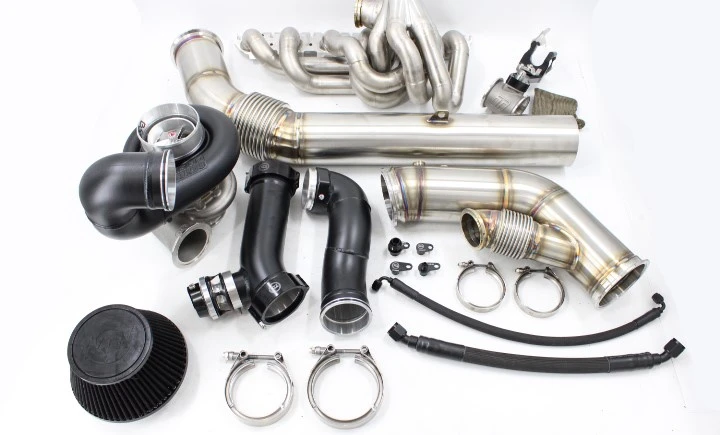
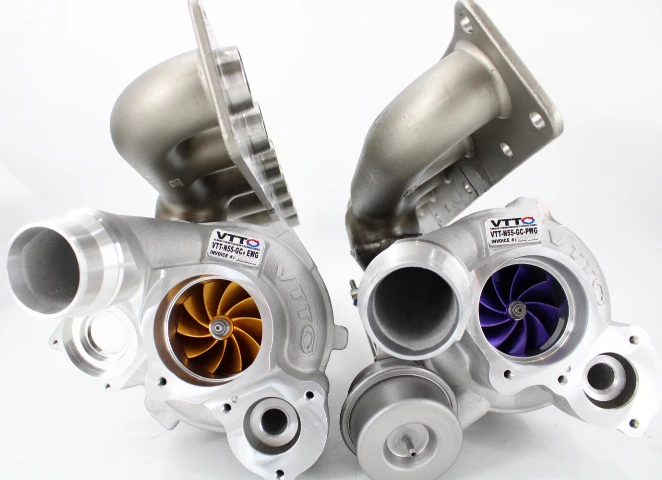
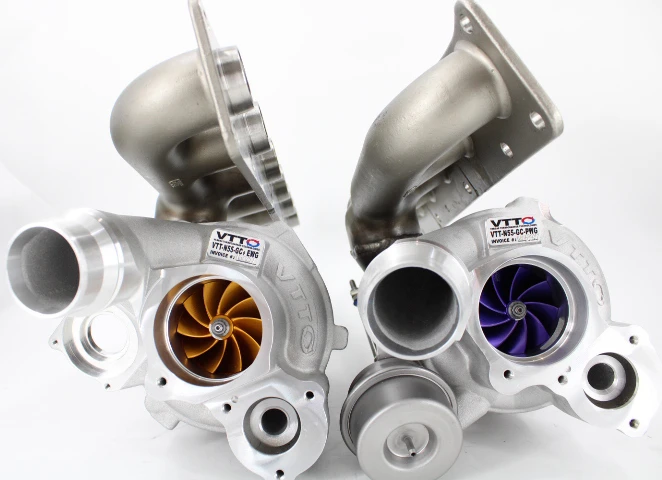
Cold air creates denser air. Denser air has more oxygen, and packing more oxygen into engine cylinders means richer, more complete fuel burn. The result is more power and better fuel efficiency, as less fuel is needed to get the same power. Not only does this save on gas, but it also helps keep the engine cooler while reducing strain. For those more performance minded, more oxygen via denser air plus more fuel is the perfect recipe for more power. A B58 upgraded turbo can also remove the restrictive factory outlet, use an improved turbine and compressor wheel, and upgrade the thrust design, all helping to move more cool air through the engine.
Lost Performance On Warm Days
Hot air, on the other hand, is less dense and contains less oxygen. There are fewer oxygen molecules when compared to the same volume of cooler oxygen, which reduces your engine’s combustion potential. The B58 single turbo kit you just installed for bigger power is going to have to work just a little harder to reach that new power level. It needs to spin faster and compress more air to compensate for the lower density, which increases the stress and heat the turbo has to endure.
How Air Density Can Improve Turbo Performance
How can you use this knowledge to your advantage? Driving on colder days means the air is denser, so you might want to schedule your next track time for the coolest day in the forecast. Higher altitude is also a factor, as it means lower barometric pressure and thus less dense air. Hot, humid days are what you want to avoid, as moist air is less dense because water vapor displaces oxygen. You can counteract air density issues and improve your turbo performance with efficient intercoolers, better cold-air intakes, and high flow turbos with efficient compressor design.
About Vargas Turbocharger Technologies
Do you want to get more horsepower out of your BMW? From daily drivers to weekend track cars to vehicles that pull double duty, Vargas Turbocharger Technologies has everything you need to unlock higher performance for your build. VTT™ has engineered and fabricated a robust lineup of turbochargers, turbo accessories, and engine system parts custom-designed to fit a wide range of vehicles, including high-performance BMWs. Find parts made for your engine and get ready to take your vehicle to the next level with VTT™.
Learn how to optimize your car’s turbo at https://vargasturbo.com/
This article was originally published on vargasturbo.com’s blog here.




























Sign in to leave a comment.