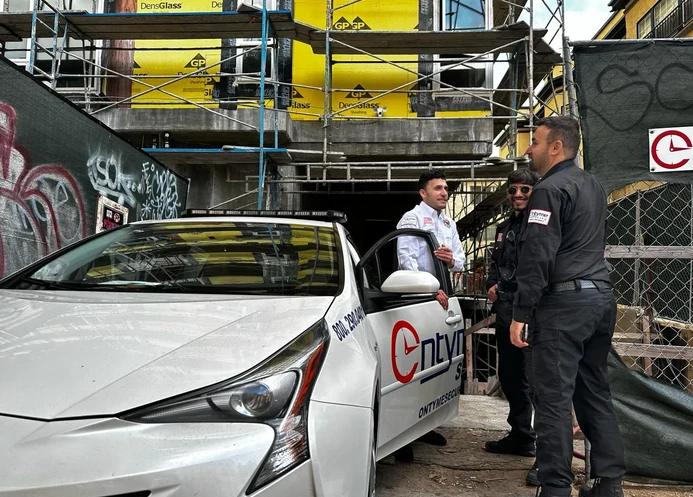
Large-scale events—concerts, festivals, sports games, and political rallies—bring together thousands of people in one location. While these gatherings are sources of entertainment and unity, they also come with heightened security risks. Crowd-related incidents, criminal activity, and even terrorism are real concerns at these events. The presence of trained security guards is not just a legal requirement in many cases but a practical necessity to maintain order and ensure attendee safety. Without effective event security, these occasions can quickly turn chaotic or even dangerous.
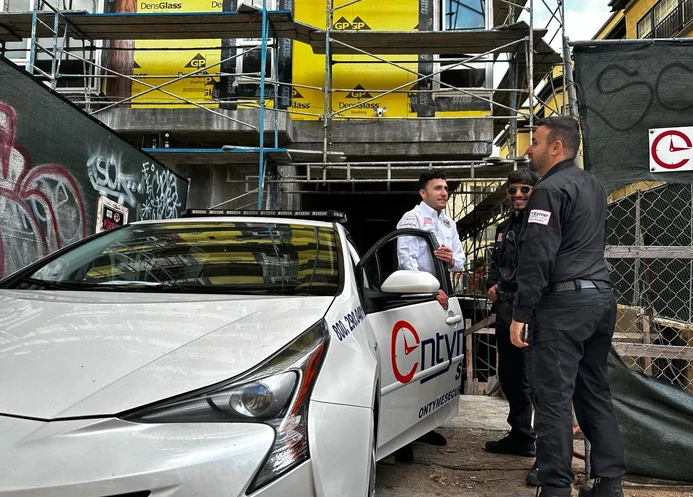
Event security guards play a vital role in preventing and responding to potential threats. Their visibility alone can deter criminals, and their presence helps enforce rules that keep attendees safe. From managing entry points to patrolling venues and intervening in conflicts, these guards are trained to maintain peace in high-density environments. They understand crowd behavior, know how to de-escalate tensions, and can respond swiftly to emergencies. Their contribution ensures that the focus remains on enjoyment and celebration rather than crisis and panic.
Pre-Event Planning and Risk Assessment
Safety at any large event begins long before the first guest arrives. One of the key responsibilities of event security guards is participating in the planning process. This includes working with organizers to assess the venue, identify potential vulnerabilities, and determine how to allocate personnel and resources. Security professionals help map out ingress and egress points, emergency evacuation routes, and locations for medical or crisis response teams. Their input is essential in crafting a security plan tailored to the event’s size, type, and audience.
Risk assessment also involves evaluating external threats, such as protest activity, local crime rates, or potential VIP attendees who may require additional protection. Security guards contribute by conducting site walkthroughs, reviewing previous incident reports, and collaborating with law enforcement or private agencies. Their knowledge and experience allow them to anticipate problems and prepare accordingly. A well-executed security plan reduces the likelihood of incidents and gives organizers confidence that safety will be maintained throughout the event.
Crowd Management Strategies
Crowd control is one of the most critical aspects of large-scale event security. Poor crowd management can lead to stampedes, injuries, or chaos during emergencies. Security guards use a combination of physical barriers, signage, and personal communication to guide crowd movement effectively. They are trained to recognize signs of agitation, congestion, or panic and to act before problems escalate. Guards are strategically placed at choke points such as entry gates, restrooms, exits, and stages to monitor crowd flow and behavior.
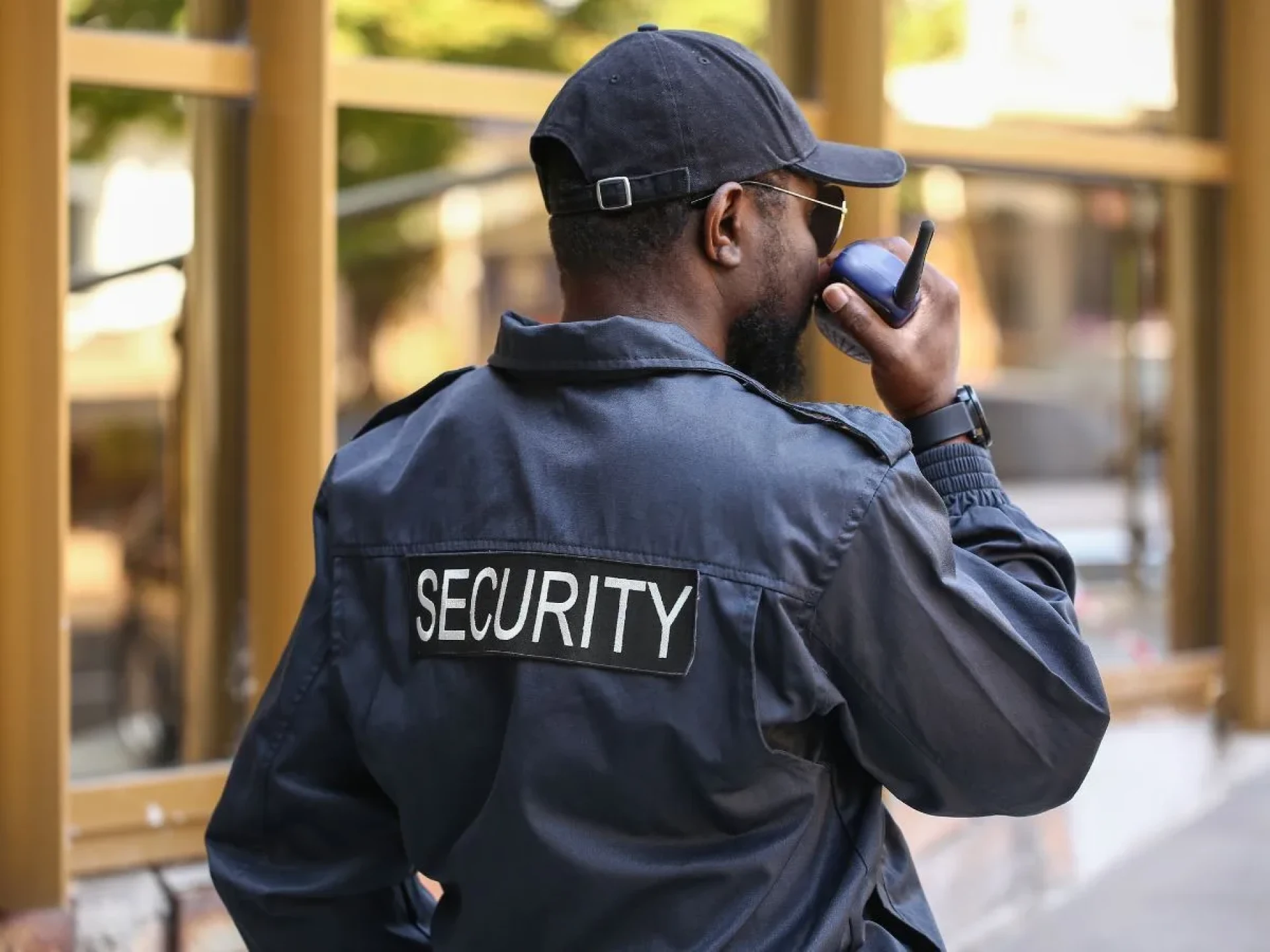
Communication is key in crowd management. Security guards coordinate with each other using radios and with the event staff to respond to evolving situations. They may intervene in disputes, help lost individuals reunite with their groups, or direct attendees during evacuations. Their presence helps enforce event rules, such as restrictions on alcohol, prohibited items, or access to restricted areas. Effective crowd management not only ensures safety but also enhances the overall experience for attendees, who feel secure and supported throughout the event.
Access Control and Credential Verification
At large-scale events, regulating who enters the venue is essential for maintaining safety. Event security guards are often tasked with managing access control—checking tickets, scanning credentials, and monitoring entrances. They ensure that only authorized individuals are allowed entry, which prevents gatecrashing and keeps the event secure from outside threats. Guards are trained to identify fake IDs or passes and handle situations involving individuals who attempt to bypass security.
Credential verification extends beyond the front gate. Many large events have VIP areas, backstage zones, or staff-only sections that require additional screening. Guards stationed at these points verify wristbands, badges, or digital passes and deny access to unauthorized persons. They also inspect bags, use metal detectors, and enforce rules regarding prohibited items such as weapons, drugs, or outside food and beverages. This multi-layered approach to access control ensures a secure perimeter and helps maintain order within all zones of the event venue.
Emergency Response and Medical Support Coordination
Emergencies can strike at any time during a large event—ranging from medical issues like fainting or dehydration to more serious situations like fires, fights, or even active shooter incidents. Event security guards are often the first responders on scene. Their ability to react quickly and effectively can prevent a situation from escalating or becoming deadly. Security personnel are trained in first aid, CPR, and emergency evacuation procedures, making them critical links in the event’s overall safety chain.
Security teams also coordinate closely with on-site medical units and local emergency services. In the case of an incident, guards are responsible for clearing pathways for responders, guiding them to the correct location, and helping manage the affected area. Their communication tools allow for rapid information sharing, which is crucial when seconds matter. By acting as a bridge between the public and professional emergency services, security guards enhance the response time and effectiveness of any emergency action plan.
Use of Surveillance and Communication Technology
Modern event security relies heavily on technology to ensure smooth operations. Security guards often work in tandem with CCTV cameras, drones, motion sensors, and communication systems to monitor the event in real time. Surveillance systems allow guards to detect suspicious activity or identify potential hazards in large crowds. By using live feeds, they can respond faster and more accurately to incidents, even before they are reported by attendees.
Equally important is the communication network that connects the entire security team. Radios, mobile apps, and command center dashboards allow guards to stay in constant contact and coordinate movements or responses. Alerts about lost children, suspicious packages, or crowd surges can be communicated instantly to all relevant personnel. These technologies multiply the effectiveness of each guard, allowing fewer individuals to cover larger areas without compromising on safety. The integration of human vigilance and digital tools creates a proactive and layered security system.
Handling Conflict and De-escalation
With thousands of people gathered in one space, disagreements and conflicts are bound to occur. Security guards are trained to handle these situations with professionalism and control. Their goal is to de-escalate tensions before they erupt into violence or disrupt the event. Techniques include verbal de-escalation, maintaining a non-threatening posture, and using calming language. Guards are taught to assess the emotional state of individuals and choose the least confrontational path to resolution.
In situations where conflicts do escalate, guards are authorized to detain individuals until law enforcement arrives. They do so while respecting the legal rights of those involved and minimizing harm. Their training ensures they use only the level of force necessary to contain the situation. Documentation and witness statements are collected to support further legal action if required. Effective conflict management not only keeps events safe but also reflects positively on the organization hosting it, reinforcing a reputation for professionalism and care.
Conclusion
The role of event security guards in large-scale events is comprehensive, challenging, and absolutely essential. They are the invisible backbone that supports every successful gathering, working behind the scenes to ensure safety, order, and peace of mind. From pre-event planning and access control to emergency response and crowd management, these professionals carry out a diverse range of responsibilities. Their presence not only deters potential threats but also reassures attendees, allowing them to enjoy the event with confidence.
In an era where public safety concerns are heightened, the expertise and preparedness of event security teams cannot be overlooked. As events become more complex and attract larger crowds, the demand for trained and equipped security personnel will continue to grow. Investing in high-quality event security means more than just meeting regulations—it means valuing human safety and experience above all. Through their vigilance, skills, and dedication, event security guards play a key role in turning potential chaos into memorable, safe experiences for everyone involved.




























Sign in to leave a comment.