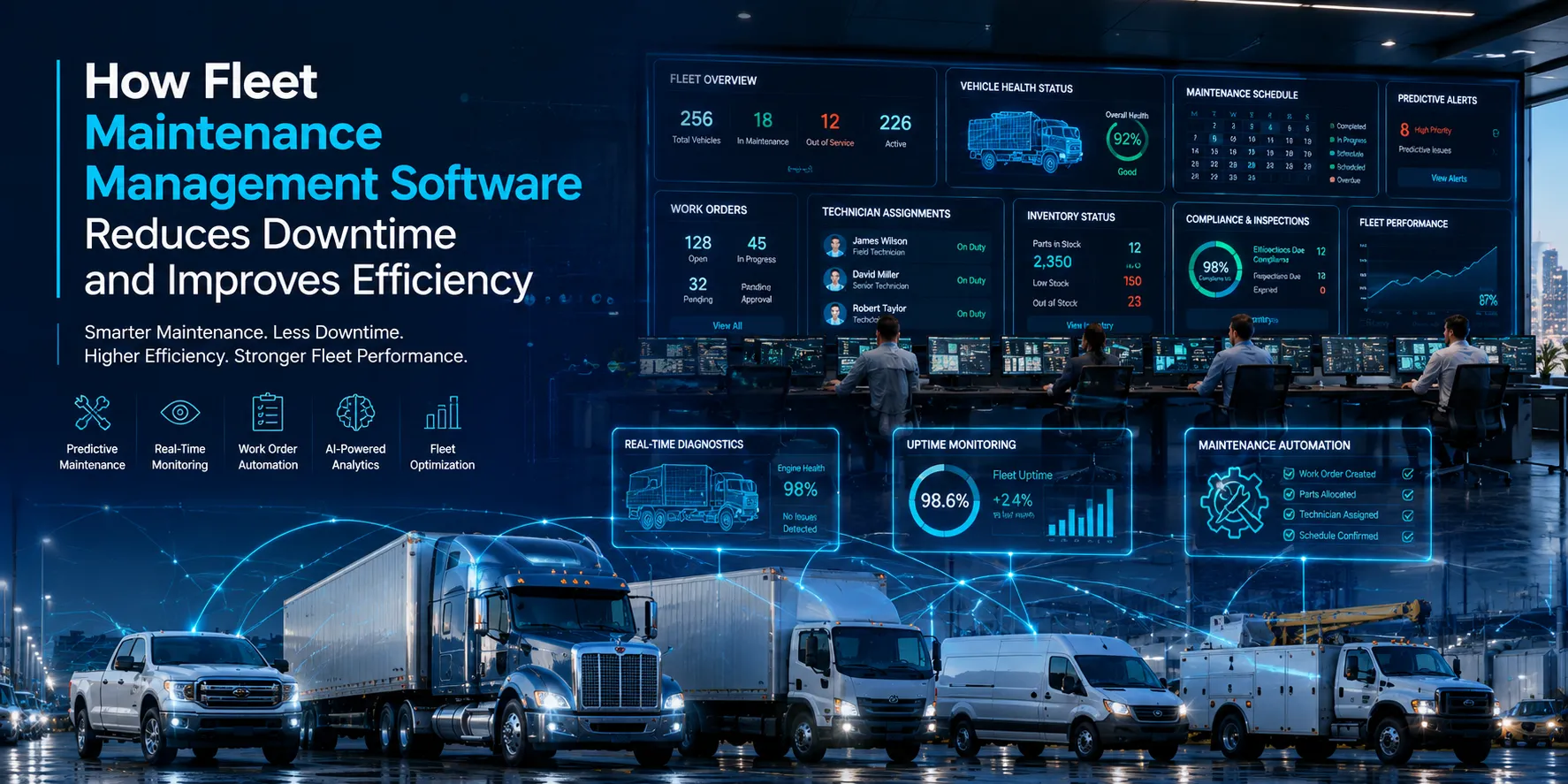

Fleet operations are the backbone of many industries, including transportation, logistics, construction, and delivery services. Every vehicle breakdown or missed maintenance schedule can lead to delays and higher costs. This is why businesses rely on Fleet Maintenance Management Software to streamline maintenance, reduce downtime, and improve overall fleet efficiency.
Traditionally, fleet maintenance relied heavily on paper records, spreadsheets, phone calls, and manual scheduling systems. While these methods may have been sufficient in the past, modern fleets require a more efficient and data-driven approach. As vehicle technology becomes more advanced and operational demands continue to grow, organizations need better tools to manage maintenance activities and minimize downtime.
This is where Fleet Maintenance Management Software has become a valuable solution. By automating maintenance processes, centralizing vehicle information, and providing real-time insights, this software helps organizations keep vehicles on the road, reduce repair costs, and improve overall operational efficiency. Businesses that invest in digital maintenance solutions often experience significant improvements in fleet reliability, productivity, and long-term asset performance.
This guide explores how Fleet Maintenance Management Software reduces downtime, improves efficiency, and supports smarter fleet management in today’s competitive business environment.
Understanding Fleet Maintenance Management Software
What Is Fleet Maintenance Management Software?
Fleet Maintenance Management Software is a digital platform designed to help organizations monitor, manage, and optimize vehicle maintenance activities. The software provides a centralized system for tracking inspections, preventive maintenance schedules, repair histories, inventory levels, work orders, technician assignments, and fleet performance metrics.
Instead of relying on multiple disconnected systems, fleet managers can access all maintenance-related information from a single dashboard. This improved visibility allows organizations to make better decisions while reducing administrative burdens.
Why Modern Fleets Need Digital Solutions
Fleet operations have become increasingly complex. Vehicles generate large amounts of operational data, maintenance requirements continue to evolve, and customer expectations demand consistent service reliability.
Manual management methods often struggle to keep pace with these challenges. Fleet Maintenance Management Software addresses these issues by automating routine tasks, improving communication, and providing actionable insights that support proactive maintenance strategies.
The True Cost of Vehicle Downtime
Direct Financial Losses
When a vehicle is out of service, businesses often experience immediate financial consequences. Deliveries may be delayed, service appointments missed, and revenue-generating activities interrupted.
Repair expenses can also increase significantly when minor issues are not addressed promptly. What starts as a small maintenance concern can quickly develop into a major mechanical failure requiring extensive repairs.
Operational Disruptions
Downtime affects more than just a single vehicle. It can disrupt schedules, strain available resources, and create additional workloads for drivers, technicians, and managers.
For companies operating large fleets, multiple breakdowns can create substantial operational challenges that impact overall productivity.
Customer Satisfaction Risks
Reliability is critical in industries that depend on transportation and logistics. Delayed deliveries and missed appointments can damage customer relationships and negatively affect a company’s reputation.
Reducing downtime helps businesses maintain service quality and build long-term customer trust.
How Fleet Maintenance Management Software Reduces Downtime
Automating Preventive Maintenance
One of the most effective ways to reduce downtime is through preventive maintenance.
Fleet Maintenance Management Software automatically tracks maintenance intervals based on mileage, engine hours, operating conditions, or calendar schedules. Automated reminders ensure that oil changes, inspections, tire rotations, brake servicing, and other maintenance tasks are completed before problems develop.
By addressing issues early, organizations can prevent unexpected breakdowns and keep vehicles operating efficiently.
Real-Time Vehicle Monitoring
Modern software solutions often integrate with telematics systems that provide real-time vehicle data.
Managers can monitor engine performance, fuel usage, fault codes, and other critical metrics. When potential issues are detected, maintenance teams can schedule repairs before failures occur.
This proactive approach significantly reduces unplanned downtime and improves fleet reliability.
Faster Issue Identification
When a vehicle develops a problem, quick diagnosis is essential.
Fleet Maintenance Management Software provides technicians with immediate access to repair histories, maintenance records, inspection reports, and diagnostic information. This access reduces troubleshooting time and helps technicians identify root causes more efficiently.
Faster diagnostics lead to quicker repairs and reduced vehicle downtime.
Improving Maintenance Efficiency Through Automation
Eliminating Manual Processes
Administrative tasks often consume a considerable amount of time within fleet operations.
Software automates work order creation, maintenance scheduling, inventory tracking, reporting, and recordkeeping. These automated workflows reduce paperwork while minimizing the risk of human error.
As a result, maintenance teams can focus more on vehicle servicing and less on administrative responsibilities.
Centralizing Information
One of the biggest challenges in fleet maintenance is managing large volumes of information.
Fleet Maintenance Management Software stores all maintenance records, inspection histories, repair data, and service schedules in a centralized system. This organization improves accessibility and ensures everyone has access to accurate information.
Centralized data also supports better communication between technicians, managers, and operational teams.
Streamlining Work Order Management
Work order management is a core function of maintenance software.
Managers can create, assign, prioritize, and track work orders digitally. Technicians receive detailed instructions and can update repair progress in real time.
This visibility improves accountability while ensuring maintenance tasks are completed efficiently.
Enhancing Fleet Reliability
Building a Proactive Maintenance Culture
Organizations that rely solely on reactive repairs often experience higher maintenance costs and more downtime.
Fleet Maintenance Management Software encourages proactive maintenance practices by identifying service needs before failures occur. This shift from reactive to preventive maintenance improves vehicle reliability and extends asset lifespan.
Tracking Vehicle Health Over Time
Every vehicle has a unique maintenance history.
Software platforms maintain comprehensive records that help managers identify recurring issues, evaluate repair trends, and make informed decisions regarding repairs or replacements.
These insights support long-term fleet planning and improved reliability.
Supporting Predictive Maintenance
Advanced software solutions increasingly incorporate predictive maintenance capabilities.
Using data analytics and artificial intelligence, predictive maintenance tools analyze vehicle performance patterns to forecast potential failures. Organizations can then schedule maintenance before problems disrupt operations.
Inventory Management and Parts Availability
Reducing Repair Delays
A common cause of downtime is the lack of necessary replacement parts.
Fleet Maintenance Management Software tracks inventory levels, monitors parts usage, and generates automatic reorder alerts. This visibility helps organizations maintain adequate inventory without excessive stockpiling.
Improving Purchasing Decisions
Detailed inventory reports provide insights into parts consumption and purchasing trends.
Managers can make more informed procurement decisions, reducing costs while ensuring critical components remain available when needed.
Strengthening Maintenance Planning
Inventory management tools help maintenance teams coordinate repairs more effectively by ensuring required parts are available before work begins.
Compliance and Safety Benefits
Staying Ahead of Regulatory Requirements
Many industries must comply with vehicle inspection and maintenance regulations.
Fleet Maintenance Management Software helps organizations track compliance requirements, schedule inspections, and maintain accurate documentation.
Automated alerts reduce the risk of missed inspections and regulatory violations.
Enhancing Driver Safety
Well-maintained vehicles are safer vehicles.
By ensuring maintenance tasks are completed on time, software supports safer operating conditions and reduces the likelihood of mechanical failures that could lead to accidents.
Creating Reliable Audit Trails
Digital recordkeeping creates detailed audit trails that support accountability and transparency.
Organizations can quickly access maintenance documentation during audits, inspections, or investigations.
Cost Savings Through Better Fleet Management
Lower Repair Expenses
Preventive maintenance generally costs less than major repairs caused by neglected issues.
By identifying problems early, Fleet Maintenance Management Software helps organizations reduce repair expenses and avoid costly breakdowns.
Extending Asset Lifespan
Vehicles represent significant capital investments.
Consistent maintenance helps maximize asset value by extending vehicle service life and delaying replacement costs.
Improving Labor Productivity
Automation reduces administrative workloads, allowing technicians and managers to use their time more effectively.
Higher productivity contributes directly to improved operational efficiency and profitability.
Future Trends in Fleet Maintenance Management Software
Artificial Intelligence Integration
Artificial intelligence is transforming fleet maintenance by providing predictive insights and automated recommendations.
These technologies help organizations make smarter maintenance decisions and further reduce downtime.
Cloud-Based Platforms
Cloud technology enables users to access maintenance information from virtually anywhere.
Cloud-based systems improve collaboration, scalability, and data security while reducing infrastructure requirements.
Mobile Accessibility
Technicians increasingly rely on mobile devices for accessing work orders, updating records, and communicating with supervisors.
Mobile-friendly software enhances flexibility and supports real-time operations.
Connected Vehicle Ecosystems
The future of fleet maintenance involves deeper integration between software platforms, telematics systems, diagnostic tools, and vehicle manufacturers.
These connected ecosystems will provide even greater visibility into vehicle health and maintenance requirements.
Choosing the Right Fleet Maintenance Management Software
Understand Your Fleet's Needs
Every fleet has unique requirements. Organizations should evaluate fleet size, maintenance complexity, reporting needs, and operational goals before selecting a solution.
Prioritize User Experience
Software should be intuitive and easy to use for technicians, managers, and administrators.
A user-friendly platform encourages adoption and maximizes value.
Consider Long-Term Scalability
As organizations grow, their software should be capable of supporting additional vehicles, users, and maintenance activities.
Evaluate Vendor Support
Strong customer support, training resources, and regular software updates contribute significantly to long-term success.
Conclusion
Managing a fleet efficiently requires more than simply repairing vehicles when problems arise. Modern organizations must adopt proactive maintenance strategies that minimize downtime, improve reliability, and support operational excellence. Traditional maintenance methods often struggle to provide the visibility and efficiency required in today’s fast-paced business environment.
Fleet Maintenance Management Software offers a comprehensive solution by automating maintenance scheduling, centralizing information, improving communication, enhancing compliance management, and providing valuable performance insights. These capabilities help organizations reduce downtime, lower operating costs, improve vehicle reliability, and maximize fleet productivity.
As technologies such as artificial intelligence, telematics, cloud computing, and predictive analytics continue to evolve, Fleet Maintenance Management Software will become even more powerful. Businesses that embrace these digital tools today will be better positioned to improve efficiency, strengthen customer satisfaction, and achieve sustainable growth in the years ahead.




























Sign in to leave a comment.