

The Indian music industry has undergone a massive transformation in the past decade. With the rise of digital platforms, streaming services, and independent artists, best music company in India are adapting to new trends and revolutionizing the industry. Let’s explore how these top music companies are reshaping the Indian music scene.
1. Embracing Digital Platforms and Streaming Services
With the decline of physical music sales, India’s best music companies have shifted their focus to digital streaming platforms like Spotify, Apple Music, Gaana, JioSaavn, and YouTube Music. Leading labels like T-Series, Sony Music India, Too Good Star, and Zee Music Company have capitalized on these platforms by offering extensive music libraries, exclusive content, and seamless user experiences. This digital shift has made music more accessible to audiences across the country and beyond.
2. Empowering Independent Artists
Previously, the Indian music industry was dominated by Bollywood soundtracks. However, top music companies are now supporting independent artists and non-film music. Companies like Times Music and Saregama are signing indie musicians, producing independent albums, and promoting regional music, allowing new talent to thrive.
3. Innovative Collaborations and Cross-Genre Experimentation
The fusion of different musical styles has given rise to a diverse and global sound. Indian music companies are partnering with international artists, independent composers, and social media influencers to create unique collaborations. These cross-genre experiments, such as Bollywood-pop fusions and regional-hip-hop crossovers, have expanded the horizons of Indian music.
4. Leveraging Artificial Intelligence and Data Analytics
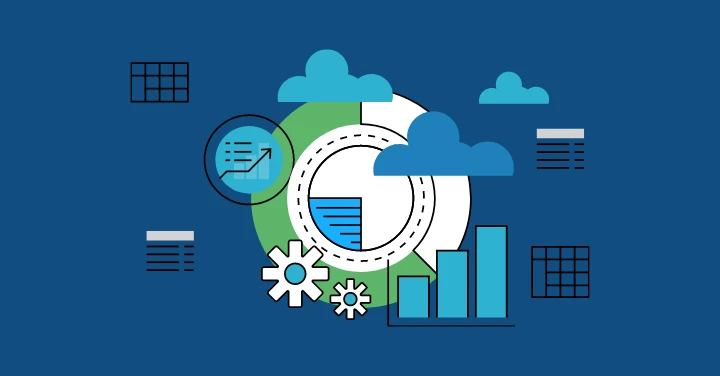
To understand listener preferences and market trends, leading music companies are investing in AI and data analytics. Platforms use AI-driven recommendations and personalized playlists, ensuring users get music tailored to their tastes. Data analytics also help music labels identify emerging trends, optimize marketing strategies, and predict hit songs.
5. Expanding into Regional and Vernacular Music
India is home to diverse cultures and languages, and music companies are tapping into the power of regional and vernacular music. Labels like Aditya Music (Telugu), Lahari Music (Kannada), and Saregama (Bengali and Tamil) are investing in regional artists, thereby broadening their reach beyond mainstream Bollywood music.
6. Monetizing Music Beyond Traditional Revenue Streams
Music companies are exploring new revenue streams beyond album sales and concerts. Licensing deals with OTT platforms, social media integration, brand partnerships, and virtual concerts have opened new avenues for monetization. The rise of NFTs (Non-Fungible Tokens) and blockchain technology is also changing how artists and labels distribute and earn from their music.
7. Engaging Audiences with Interactive and Immersive Experiences
The best music companies are engaging audiences through immersive experiences such as virtual reality (VR) concerts, interactive music videos, and live social media engagements. These innovations enhance fan interaction and create deeper connections between artists and their audiences.
Conclusion
India’s top music companies are not just adapting to change but are leading the transformation of the music industry. By embracing digitalization, supporting independent talent, and leveraging technology, they are shaping the future of Indian music. As the industry continues to evolve, music lovers can look forward to even more exciting innovations and diverse sounds.
With these revolutionary trends, the Indian music industry is set for a bright and dynamic future, ensuring that both artists and audiences experience music like never before.



























Sign in to leave a comment.