


In a modern, highly competitive business marketplace, effective supply chain management is crucial to ensuring timely delivery, reducing operational costs, and maintaining customer satisfaction. As logistics networks become more complicated, organisations are increasingly relying on digital solutions to streamline operations. Partnering with a Logistics App Development Company can help organisations implement innovative technologies that enhance visibility, automate processes, and improve communication throughout the supply chain. Logistics software gives businesses the tools they need to handle transportation, inventories, and deliveries more effectively, resulting in higher operational performance.
The Growing Role of Technology in Supply Chain Management
Supply chain management has evolved significantly over the past decade. Traditional methods that relied on manual processes and paperwork often resulted in delays, errors, and limited visibility. Today, businesses require real-time information and seamless coordination among suppliers, warehouses, transport providers, and customers.
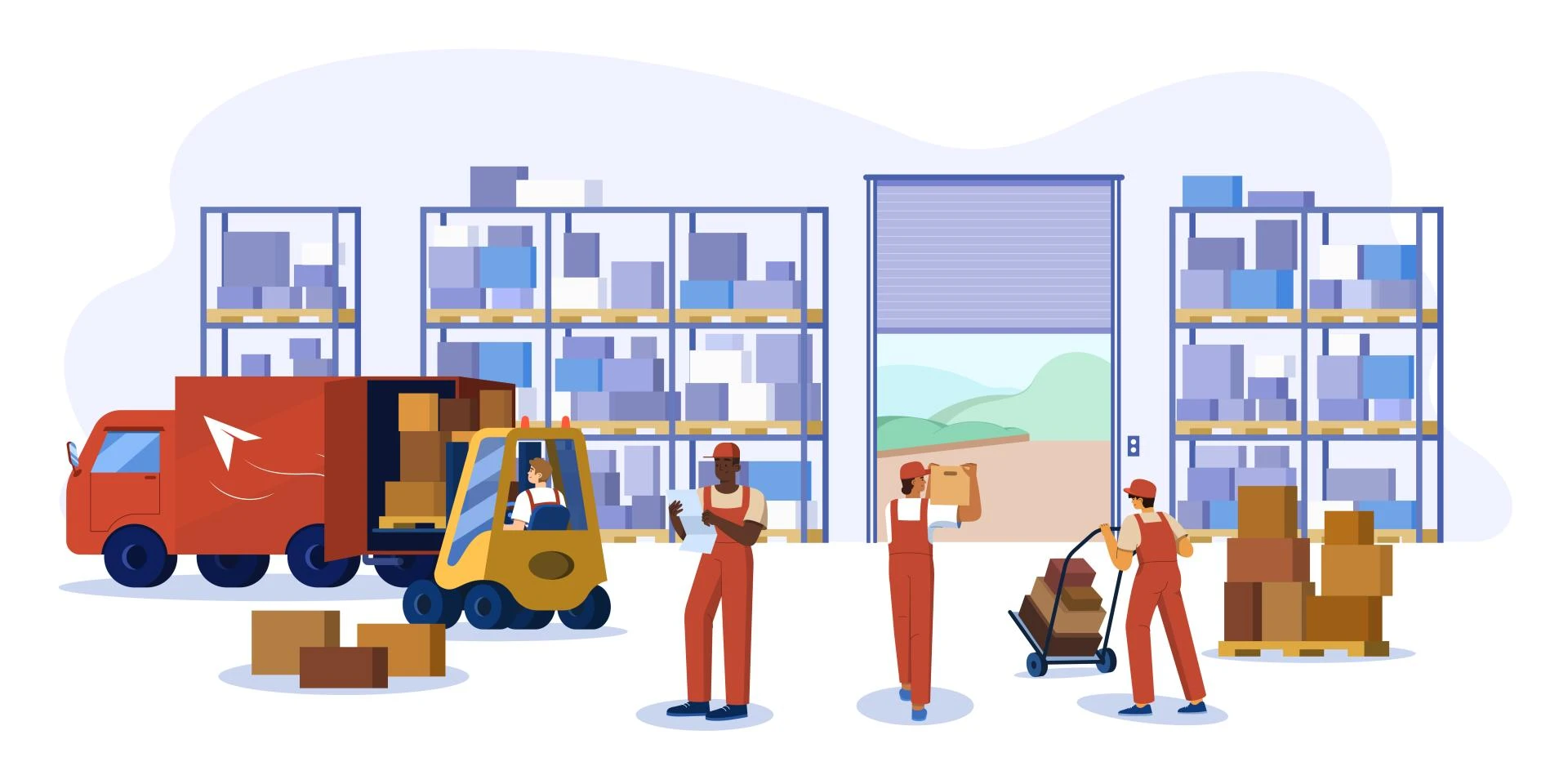
Logistics applications bridge these gaps by providing centralized platforms that connect every stage of the supply chain. These digital tools enable organizations to monitor operations, track shipments, and manage resources more efficiently.
Real-Time Shipment Tracking
One of the most significant advantages of logistics app development is real-time shipment tracking. Modern logistics applications use GPS technology and cloud-based systems to provide accurate location updates for vehicles and shipments.
Real-time tracking allows logistics managers to monitor deliveries, identify delays, and make informed decisions when unexpected issues arise. Customers also benefit from enhanced transparency, as they can receive updates regarding the status and estimated arrival time of their orders.
This increased visibility helps businesses improve customer satisfaction while reducing uncertainty throughout the delivery process.
Improved Inventory Management
Effective inventory management is critical for maintaining a smooth supply chain. Overstocking can increase storage costs, while understocking may lead to lost sales opportunities and dissatisfied customers.
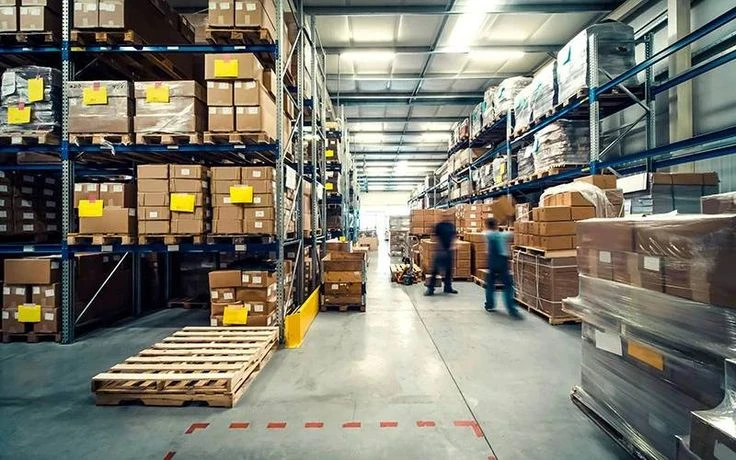
Logistics applications help businesses maintain accurate inventory records through automated tracking systems. Real-time inventory updates allow managers to monitor stock levels across multiple warehouses and locations. This ensures better demand forecasting, reduces inventory discrepancies, and helps prevent costly stock shortages.
By integrating logistics apps with warehouse management systems, businesses can further optimize inventory control and improve operational efficiency.
Enhanced Route Optimization
Transportation expenses often account for a significant portion of logistics costs. Route optimization features within logistics applications help businesses reduce these expenses by identifying the most efficient delivery routes.
Advanced algorithms analyze factors such as traffic conditions, road closures, weather patterns, and delivery schedules to recommend optimal routes. This reduces fuel consumption, shortens delivery times, and increases driver productivity.
As a result, companies can improve delivery performance while lowering transportation-related costs.
Better Communication and Collaboration
Supply chain operations involve multiple stakeholders, including suppliers, warehouse staff, drivers, and customers. Effective communication is essential to ensure smooth coordination among all parties.
Logistics apps provide centralized communication platforms that allow stakeholders to share information instantly. Features such as push notifications, automated alerts, and in-app messaging help keep everyone informed about shipment updates, schedule changes, and delivery confirmations.
Improved communication reduces misunderstandings, minimizes delays, and supports more efficient collaboration throughout the supply chain.
Data Analytics and Business Insights
Data-driven decision-making has become a key factor in supply chain success. Logistics applications generate valuable operational data that businesses can use to identify trends, measure performance, and improve processes.
Analytics dashboards provide insights into delivery times, transportation costs, inventory turnover, and customer satisfaction metrics. These insights enable managers to make informed strategic decisions and continuously optimize their supply chain operations.
With access to accurate data, businesses can proactively address challenges and identify opportunities for growth.
Automation of Routine Processes
Many logistics tasks involve repetitive administrative work, including shipment scheduling, invoicing, order processing, and documentation management. Performing these tasks manually can be time-consuming and prone to errors.
Logistics applications automate routine processes, reducing the workload on employees and improving overall efficiency. Automation helps businesses eliminate manual errors, accelerate workflows, and ensure greater accuracy across operations.
This allows teams to focus on strategic initiatives that contribute to long-term business success.
Increased Customer Satisfaction
Customer expectations continue to rise, particularly in the era of e-commerce and same-day delivery services. Customers want fast, reliable, and transparent delivery experiences.
Logistics applications support these expectations by providing accurate tracking information, delivery notifications, and real-time updates. Customers gain greater visibility into their orders, which enhances trust and improves their overall experience.
Satisfied customers are more likely to remain loyal to a brand and recommend its services to others.
Scalability for Growing Businesses
As businesses expand, their logistics requirements become increasingly complex. A well-designed logistics application can scale alongside business growth by accommodating higher shipment volumes, additional warehouses, and expanded service areas.
Scalable logistics solutions ensure that businesses can continue operating efficiently without experiencing disruptions as demand increases. This flexibility makes logistics app development a valuable long-term investment for organizations of all sizes.
Conclusion
Logistics app development has transformed the way businesses manage their supply chain operations. By providing real-time visibility, improving inventory management, optimizing transportation routes, enhancing communication, and automating routine tasks, logistics applications help organizations achieve greater efficiency and operational control. As supply chains continue to evolve in an increasingly digital world, investing in advanced logistics solutions is becoming essential for maintaining a competitive advantage. Businesses seeking innovative and scalable logistics solutions can benefit from the expertise of Talentelgia Technologies, a trusted technology partner committed to delivering customized applications that drive supply chain excellence.
























Sign in to leave a comment.