Mineral wool insulation achieves superior fire protection through its raw materials rather than chemical treatments. Manufacturers create this product by spinning molten rock and steel slag into fibers, resulting in a material that naturally withstands temperatures exceeding 2,000 degrees Fahrenheit. Because the fibers are essentially stone, they do not burn, melt, or release toxic smoke when exposed to direct flame, effectively acting as a passive fire barrier within walls and ceilings.
This inherent fire resistance offers a distinct safety advantage over other insulation types that rely on added flame retardants to pass safety codes. While cellulose and some foams must be treated with chemicals to slow ignition, mineral wool is non-combustible by nature. In the event of a house fire, this material delays the spread of flames from room to room, providing occupants with valuable extra minutes to evacuate the property safely.
The Science of Stone Fibers
The protective capabilities of mineral wool stem directly from its geological origins. The production process involves heating basalt (volcanic rock) and recycled steel slag in a furnace until they liquefy. Machines then spin this lava-like substance into fine strands, which are compressed into batts or boards.
Since the base material is rock, the insulation retains the thermal stability of stone. Standard house fires typically reach temperatures around 1,100 to 1,500 degrees Fahrenheit. Mineral wool maintains its structural integrity well beyond this range. It does not shrink or pull away from framing studs during intense heat, which prevents fire from finding a path through the wall cavity.
Eliminating the Need for Flame Retardants
Many building materials contain chemical flame retardants to meet safety standards. Over time, concerns have arisen regarding the potential health effects of these chemicals and their persistence in the environment. Mineral wool bypasses this issue entirely. Its fire ratings come from its physical properties, meaning it introduces no volatile organic compounds (VOCs) or added fire-retardant chemicals into the indoor air supply.
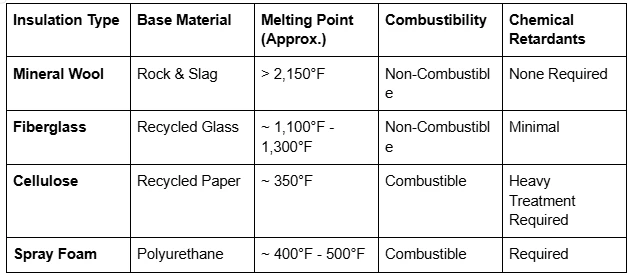
Comparing Fire Resistance in Insulation
Homeowners often assume all insulation offers similar protection, but the differences become stark when analyzing reaction to fire.
Fire Performance by Material Type
Smoke and Toxicity Control
Fire safety involves more than just stopping flames. Smoke inhalation causes more casualties than burns in residential fires. When organic materials or certain plastics burn, they generate thick, toxic smoke that obscures vision and hinders breathing. Mineral wool produces negligible amounts of smoke and does not release toxic gases when heated. This quality makes it an excellent choice for bedrooms and upper floors where safe egress is the primary concern.
Strategic Placement for Maximum Safety
Builders often use mineral wool strategically in high-risk areas rather than insulating the entire home with it, balancing cost and safety.
Fire Blocking in Walls
Installing mineral wool in interior walls does more than insulate; it creates firestops. Placing these batts in walls between the garage and the living space, or around utility rooms housing furnaces and water heaters, adds a layer of containment. If a fire starts in the garage, the insulation hinders it from breaching the living area quickly.
Protecting Structural Integrity
In a fire, load-bearing wood studs can char and fail, leading to collapse. Mineral wool insulates the studs themselves from the heat. By keeping the temperature of the wood lower for longer, the structure remains stable for an extended period, allowing firefighters safer access to the building.
Things to Consider Before Making a Decision
While the safety profile of mineral wool is unmatched, homeowners must weigh practical factors before choosing it for their project.
- Material Weight: Mineral wool is significantly denser and heavier than fiberglass. The ceiling framing must be strong enough to support the weight, especially if multiple layers are used to achieve high R-values.
- Cost Implications: The complex manufacturing process makes mineral wool more expensive than fiberglass or cellulose. It typically costs 25% to 50% more than standard options.
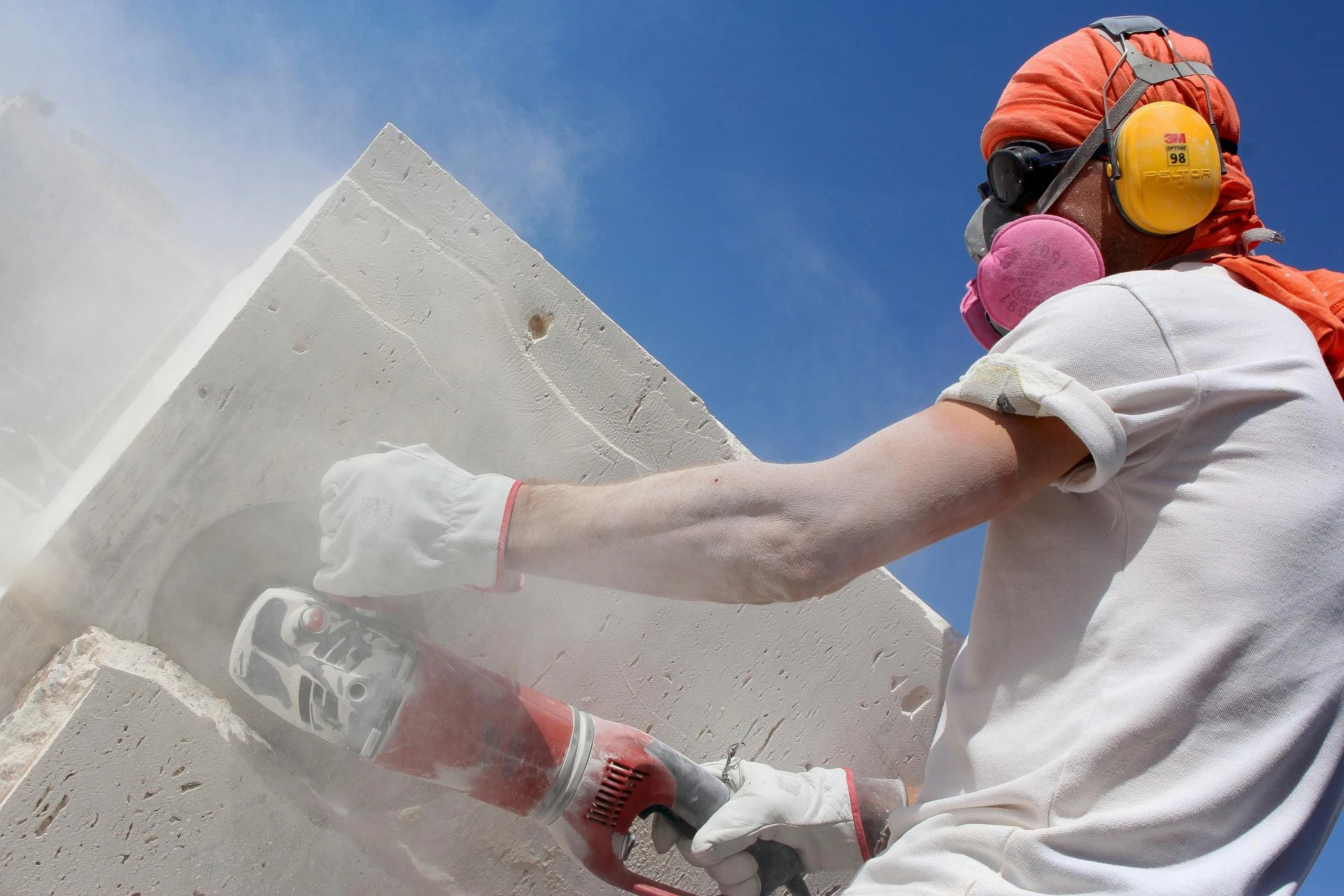
- Installation Comfort: The fibers are stiffer and can be more irritating to the skin than modern fiberglass. Installers must wear long sleeves, gloves, and dust masks to prevent irritation during handling.
Bonus Tip: Use the Right Cutting Tool
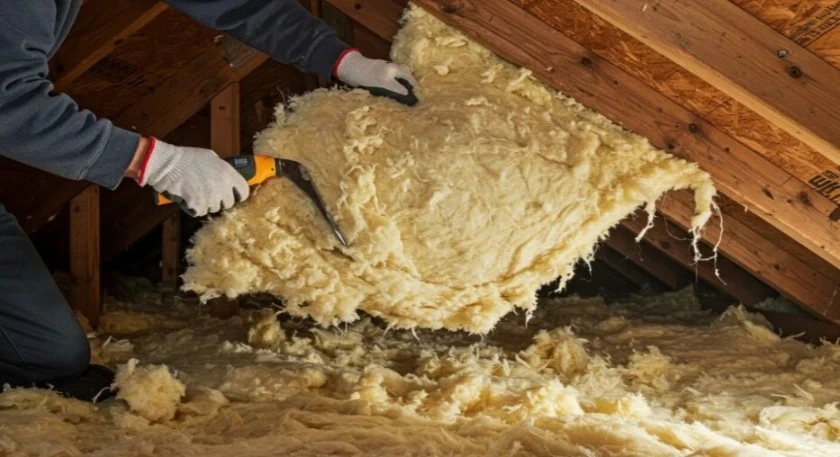
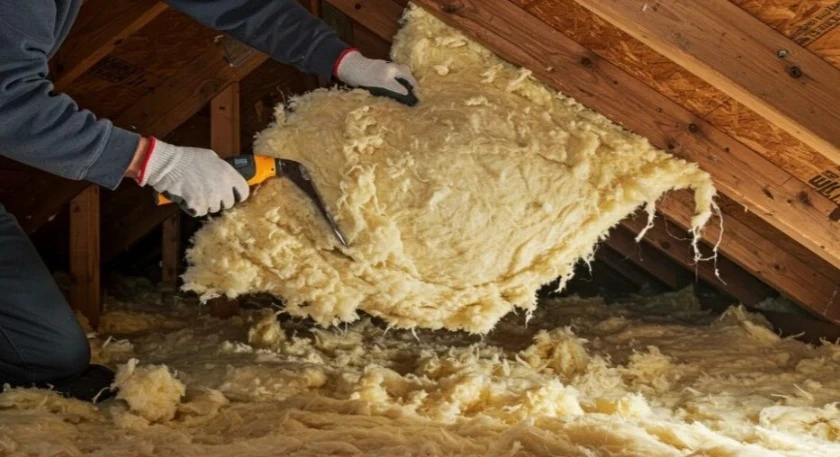
Do not use a standard utility knife to cut mineral wool. The stone fibers will dull a razor blade instantly. Instead, use a serrated bread knife or a specialized insulation knife to saw through the batts cleanly.
Regional Benefits for Hot, Dry Climates
In areas like Central Texas, where dry conditions can increase the risk of external fires, mineral wool offers exterior protection. Using semi-rigid mineral wool boards as continuous insulation on the home's exterior creates a non-combustible shell. This is particularly valuable for homes near wildlands or in dense neighborhoods where a neighbor's fire could threaten adjacent properties.
Questions People Ask About Mineral Wool
Is mineral wool waterproof?
Mineral wool is moisture-resistant and hydrophobic, meaning it repels water. Unlike fiberglass that can get soggy and lose its insulating value, mineral wool drains water freely and retains its R-value once dry. It does not absorb moisture from the air.
Does mineral wool block sound better than fiberglass?
Yes. The high density of mineral wool makes it an exceptional sound absorber. It effectively blocks airborne noise from traffic or loud music, making it a popular choice for media rooms and bathrooms.
Can rodents nest in mineral wool?
While no insulation is rodent-proof, mineral wool is deterrent. Its density makes it difficult to burrow through, and the abrasive nature of the fibers is unpleasant for pests. It offers no nutritional value to animals.
What is the R-value of mineral wool?
Mineral wool typically has an R-value of R-4.0 to R-4.3 per inch. This is higher than standard fiberglass (R-3.1 to R-3.4) and cellulose (R-3.7), allowing for greater thermal efficiency in shallow wall cavities.
Is mineral wool resistant to mold?
Yes. Because it is made of inorganic rock, it provides no food source for mold or bacteria. As long as the wall cavity can dry out, mold will not grow on the insulation itself.
Conclusion
Mineral wool insulation stands out as a robust safety feature for modern homes, offering fire protection that relies on the strength of stone rather than chemical additives. Its ability to withstand extreme heat without melting or releasing toxic smoke makes it a critical component in fire-resistant construction strategies. While the investment is higher compared to basic materials, the dual benefits of superior safety and acoustic privacy provide long-term value. Homeowners concerned with fire safety, particularly in dry regions or multi-story builds, find that the peace of mind provided by mineral wool justifies the upfront cost.
Trusted Insulation Guidance
Spray Foam Tech understands that every home has unique safety and efficiency requirements. While they specialize in advanced spray applications, their industry knowledge encompasses the full spectrum of insulation solutions, helping homeowners make informed decisions about protecting their properties.
For residents seeking expert advice on insulation upgrades and fire safety strategies, the team is available for consultation.
Phone: (737) 777-9590
Email: [email protected]
Reviewer: Maria Lopez reviewed the article and brought 12 years of insulation industry experience to improve the guidance. Practical tips were added, and the content was made clearer and more useful for contractors working in the field every day.
























Sign in to leave a comment.