
The Spray foam insulation stands out as the superior option for residential properties because it provides both high thermal resistance and an effective air barrier in a single application. Unlike traditional fiberglass or cellulose, this material expands to fill cracks and gaps that usually allow conditioned air to escape and outside air to enter. This dual function results in significant energy savings and creates a more consistent indoor climate for families year-round.
This guide examines why building science experts consistently recommend spray foam for modern family homes. It looks at the technical advantages, health benefits, and long-term financial impacts of choosing this material. The information presented here is based on established industry standards and building performance data, ensuring homeowners have the facts needed to make sound improvements to their properties.
Understanding Air Sealing and Energy Efficiency
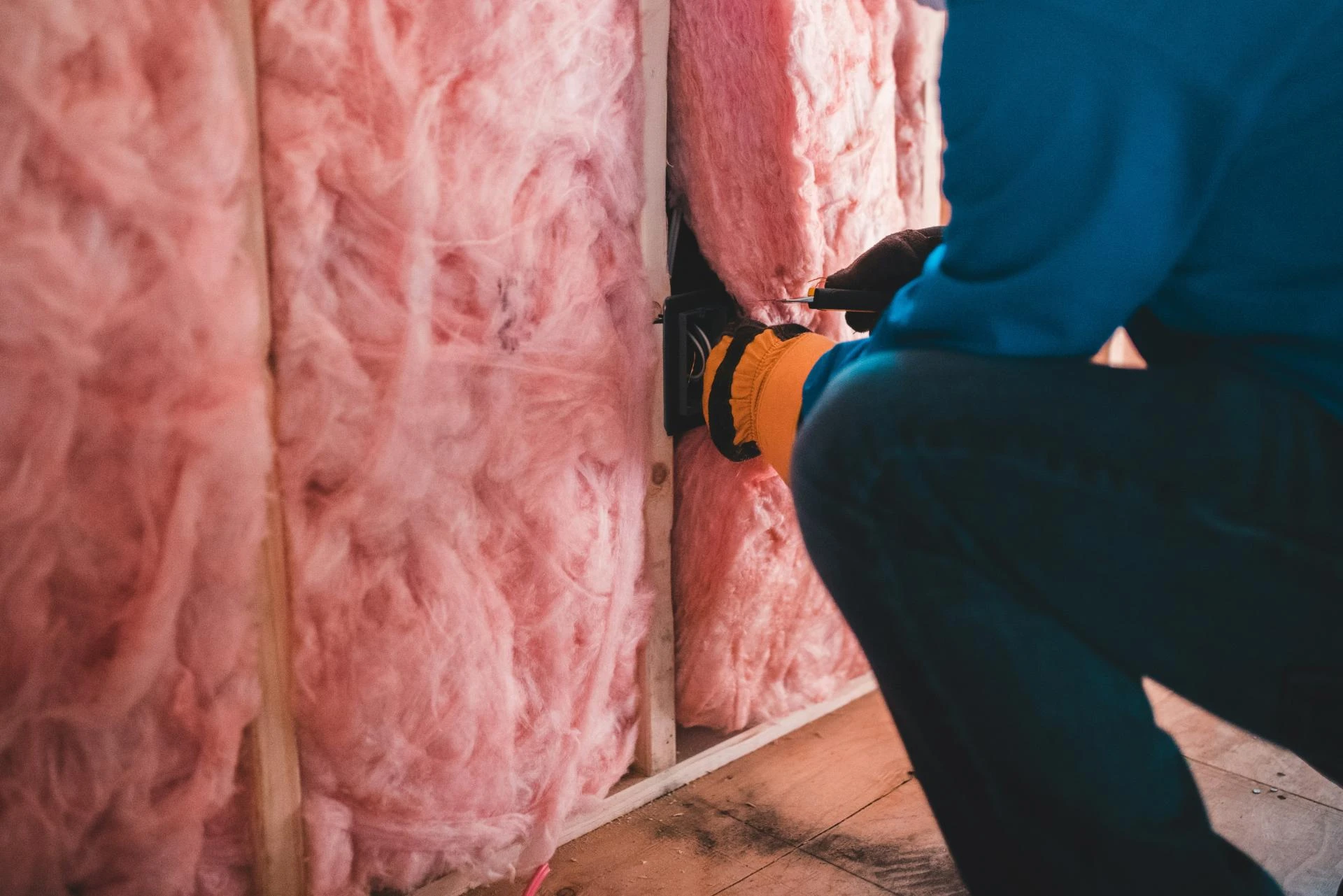
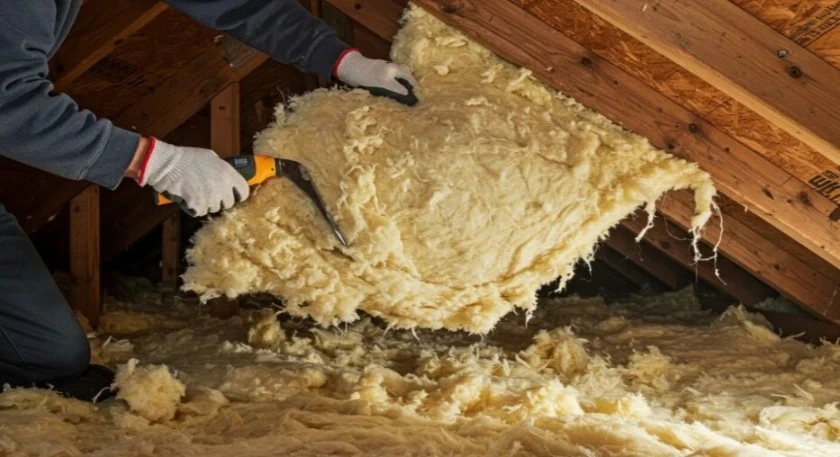
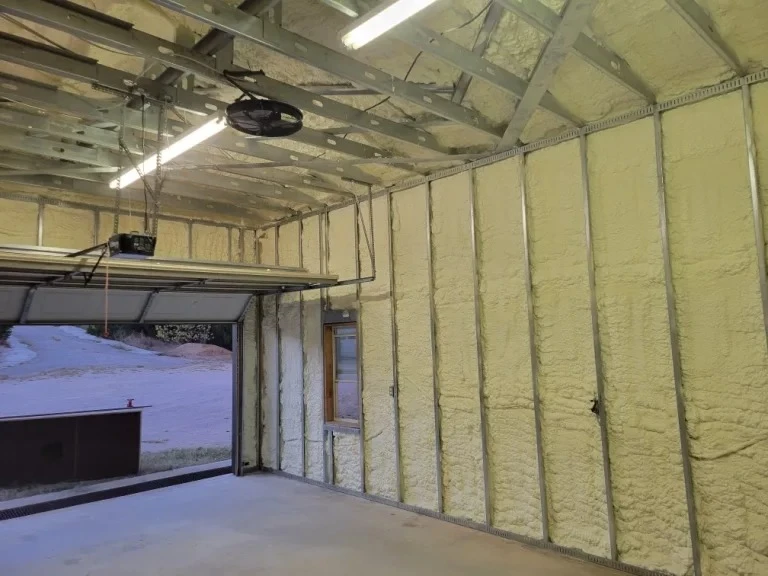
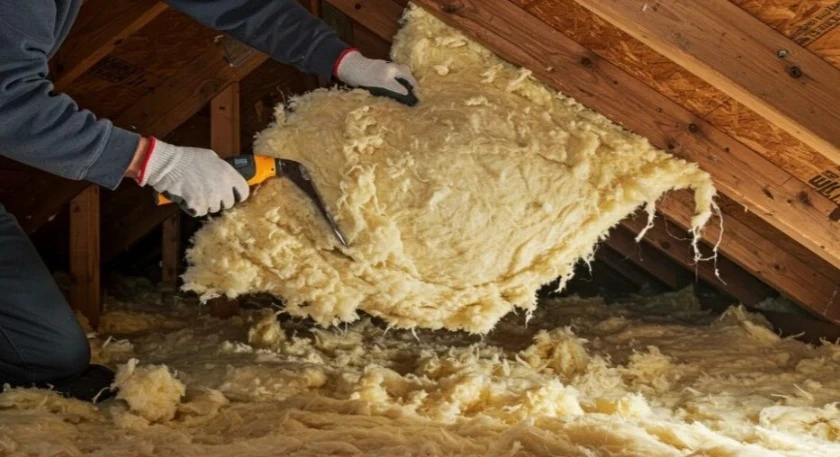
The primary reason spray foam outperforms other insulation types lies in its ability to create a complete seal within the building envelope. Traditional batt insulation often leaves small gaps around electrical outlets, pipes, and irregular framing, which allows air to pass through. When spray foam is applied, it expands up to 100 times its original volume, effectively sealing these vulnerable areas against airflow.
According to the Department of Energy, air leakage can account for up to 40% of the energy cost to heat and cool a home. By stopping this leakage, heating and cooling systems do not have to work as hard to maintain the desired temperature. This reduction in workload extends the life of HVAC equipment and significantly lowers monthly utility bills.

- Eliminates drafts: It stops cold or hot spots from forming near walls and windows.
- Reduces HVAC load: Systems run for shorter cycles to maintain temperature.
- Consistent temperature: Rooms stay the same temperature regardless of their distance from the thermostat.
- Structural support: Closed-cell foam adds strength to the walls and roof deck.
Comparing Insulation Options for Residential Properties
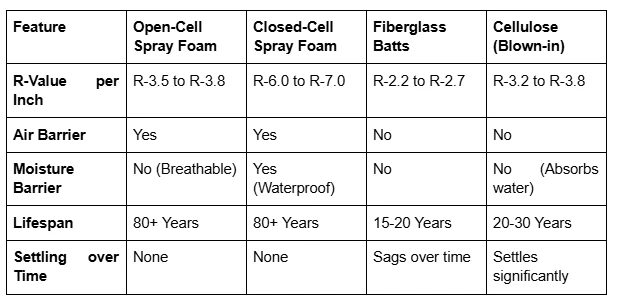
When evaluating insulation, it is helpful to look at the R-value, which measures resistance to heat flow, alongside other physical properties. While fiberglass batts are standard due to their lower initial cost, they lack the natural air-sealing properties of spray foam. The following table outlines the key differences among common residential insulation materials available on the market.
Table 1: Residential Insulation Material Comparison
Long-Term Durability and Performance
Fiberglass and cellulose tend to sag or settle over time, creating gaps near the top of wall cavities through which heat can easily pass. Spray foam adheres directly to the building materials and maintains its shape and position indefinitely. This permanence means that the insulation performance on day one remains the same decades later without the need for replenishment.
Impact on Resale Value
Homes with high-performance insulation upgrades often attract higher offers in the real estate market. Buyers are increasingly aware of energy costs and look for properties that come with efficiency certificates or proof of modern insulation. A home that requires less energy to operate is a more attractive financial asset.
Health and Comfort Benefits for Families
Beyond energy bills, the indoor environment improves significantly when a home is adequately sealed. The air barrier created by spray foam prevents outdoor pollutants, dust, and pollen from entering the living space through wall cavities and attics. For families with members who suffer from allergies or respiratory issues, this physical barrier provides a substantial health advantage.

- Allergen reduction: It blocks pollen and dust from entering through cracks.
- Pest deterrence: The rigid foam barrier makes it difficult for insects and rodents to nest.
- Mold prevention: It controls moisture movement, reducing the risk of mold growth.
- Chemical safety: Modern foams are inert once cured and do not release harmful particles.
Managing Moisture and Humidity
In regions with high humidity, controlling moisture intrusion is essential to protect the house's structure. Open-cell foam allows bi-directional drying if water gets in, while closed-cell foam acts as a vapor retarder, preventing moisture from entering. Selecting the right type depends on the specific climate zone where the house is located.
Bonus Tip: Check HVAC Sizing
When switching to spray foam, the home becomes much more airtight. This often means the existing HVAC unit might be too large for the new, lower load. A unit that is too big will short-cycle, leading to humidity issues. Always have a mechanical contractor review the system size after upgrading insulation.
Things to Consider Before Making a Decision
While the benefits are clear, homeowners must weigh the upfront cost of spray foam installation. The initial price is higher than for traditional materials, but the return on investment typically occurs within 3 to 5 years through energy savings. It is also essential to consider the climate; homes in extreme heat or cold see the fastest financial returns.
In hot, humid climates like the southern United States, closed-cell foam is often the preferred choice for attics to prevent moisture from condensing on ductwork. Conversely, in milder climates, open-cell foam may provide a sufficient air barrier at a lower cost. A professional assessment is required to determine the correct product for the specific building assembly.
Specialized Application Note
For existing walls that are already closed up, "injection foam" is a specific type that can be injected without removing drywall. However, standard spray foam requires open cavities, making it ideal for new construction, major renovations, or attics and crawl spaces.
Common Questions About Residential Spray Foam
Is spray foam insulation safe for my family?
Yes, once the foam has cured (dried), it is chemically inert and safe for occupants. During the application process, residents must leave the house for a specific period, usually 24 to 48 hours, to allow off-gassing to complete safely. Modern formulas are designed to meet strict safety standards.
How long does spray foam insulation last?
Spray foam is known as an "indefinite" building material, meaning it lasts as long as the building structure itself. It does not degrade, sag, or lose its R-value over time. Unless the foam is physically damaged or removed, it does not need to be replaced.
Can I install spray foam myself?
DIY spray foam kits are available for small patches, but insulating a whole house requires professional equipment and training. The chemicals must be mixed at precise temperatures and pressures to expand correctly. Incorrect application can lead to uncured foam or offensive odors, so professional installation is strongly advised.
Will spray foam attract termites or pests?
Spray foam does not provide a food source for termites or ants. In fact, because it seals gaps so tightly, it acts as a deterrent against pests entering the home. However, it is not a pesticide, so regular termite inspections are still necessary for the house's wooden structure.
Does spray foam make the house too airtight?
A house can be "too tight" only if it lacks proper mechanical ventilation. Building codes now require fresh-air intake systems (such as ERVs or HRVs) for tightly sealed homes. This ensures that indoor air remains fresh while retaining the energy-efficiency benefits of the seal.
Conclusion
Choosing spray foam insulation is a smart investment for families looking to improve comfort, health, and energy efficiency. It offers a unique combination of high thermal resistance and air sealing that other materials cannot match. While the initial cost is higher, the long-term savings on utility bills and the increased lifespan of HVAC equipment make it a financially sound decision.
Homeowners should assess their specific climate needs and long-term housing goals when selecting insulation. Those planning to stay in their homes for many years will see the greatest return on investment. It is advisable to consult with local experts to determine the best application method for the specific property.
Contact for Professional Assistance
For homeowners interested in upgrading their property's efficiency, the next step is finding a qualified applicator. Spray Foam Tech assists residential clients in evaluating their insulation needs and providing expert installation services. Their team understands the specific requirements for different home styles and climates.
They offer detailed consultations to explain the differences between open-cell and closed-cell options. To discuss project details or schedule an assessment, interested parties can reach Spray Foam Tech by phone at (737) 777-9590 or via email at [email protected]. They are available to answer questions and guide homeowners toward the most effective solution for their family's needs.
Reviewer: Maria Lopez reviewed the article and brought 12 years of insulation industry experience to improve the guidance. Practical tips were added, and the content was made clearer and more useful for contractors working in the field every day.


























Sign in to leave a comment.