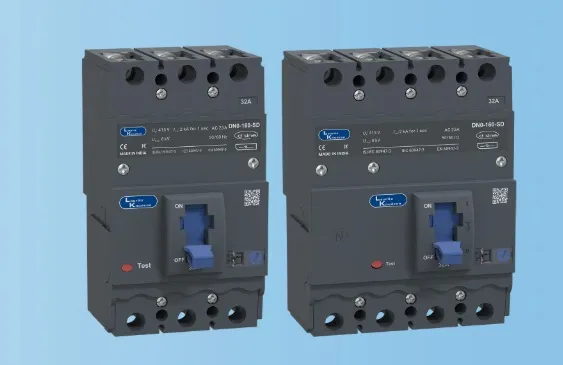

Electrical safety is a critical consideration across residential, commercial, industrial, and infrastructure environments. As electrical systems become more sophisticated and power demands continue to grow, the need for reliable circuit protection solutions has never been greater. Electrical faults such as overloads, short circuits, and leakage currents can cause equipment damage, operational disruptions, and serious safety hazards. Modern circuit protection technologies are designed to detect and isolate faults quickly, minimizing risks and improving system reliability. By incorporating advanced protection devices, organizations can create safer electrical networks while ensuring efficient and uninterrupted power distribution.
Understanding Modern Circuit Protection
Circuit protection refers to the methods and devices used to safeguard electrical systems from abnormal operating conditions. These conditions can include excessive current flow, insulation failures, ground faults, and short circuits.
Modern protection devices are engineered to respond rapidly when faults occur, disconnecting affected circuits before damage spreads through the electrical system. Their primary objectives include:
- Protecting people from electrical hazards
- Preventing equipment damage
- Reducing downtime
- Enhancing operational reliability
- Supporting compliance with safety standards
As electrical networks become increasingly complex, effective protection strategies play a vital role in maintaining system integrity and safety.
Why Electrical Safety Matters
Electrical faults can lead to significant consequences if not addressed promptly.
- Risks to Personnel
Electric shock and fire hazards pose serious risks to workers, occupants, and maintenance personnel.
- Equipment Damage
Fault conditions can damage expensive electrical equipment, leading to costly repairs and operational disruptions.
- Business Continuity Challenges
Unexpected outages can impact productivity, revenue generation, and critical services.
- Regulatory Compliance
Organizations must comply with electrical safety standards and regulations to ensure safe operation.
Modern circuit protection devices help address these concerns by providing rapid fault detection and isolation capabilities.
Common Electrical Faults
Understanding the types of faults that occur in electrical systems is essential for selecting appropriate protection solutions.
- Overloads
Overloads occur when electrical equipment draws more current than it is designed to handle for an extended period.
- Short Circuits
Short circuits create a low-resistance path for current flow, resulting in sudden and potentially dangerous current surges.
- Earth Leakage Faults
Leakage currents can occur due to damaged insulation or faulty equipment, increasing the risk of electric shock.
- Phase Imbalance
Uneven voltage or current distribution can negatively affect equipment performance and reliability.
Modern protection technologies are designed to identify and mitigate these conditions before they cause significant damage.
The Role of RCBOs in Electrical Safety
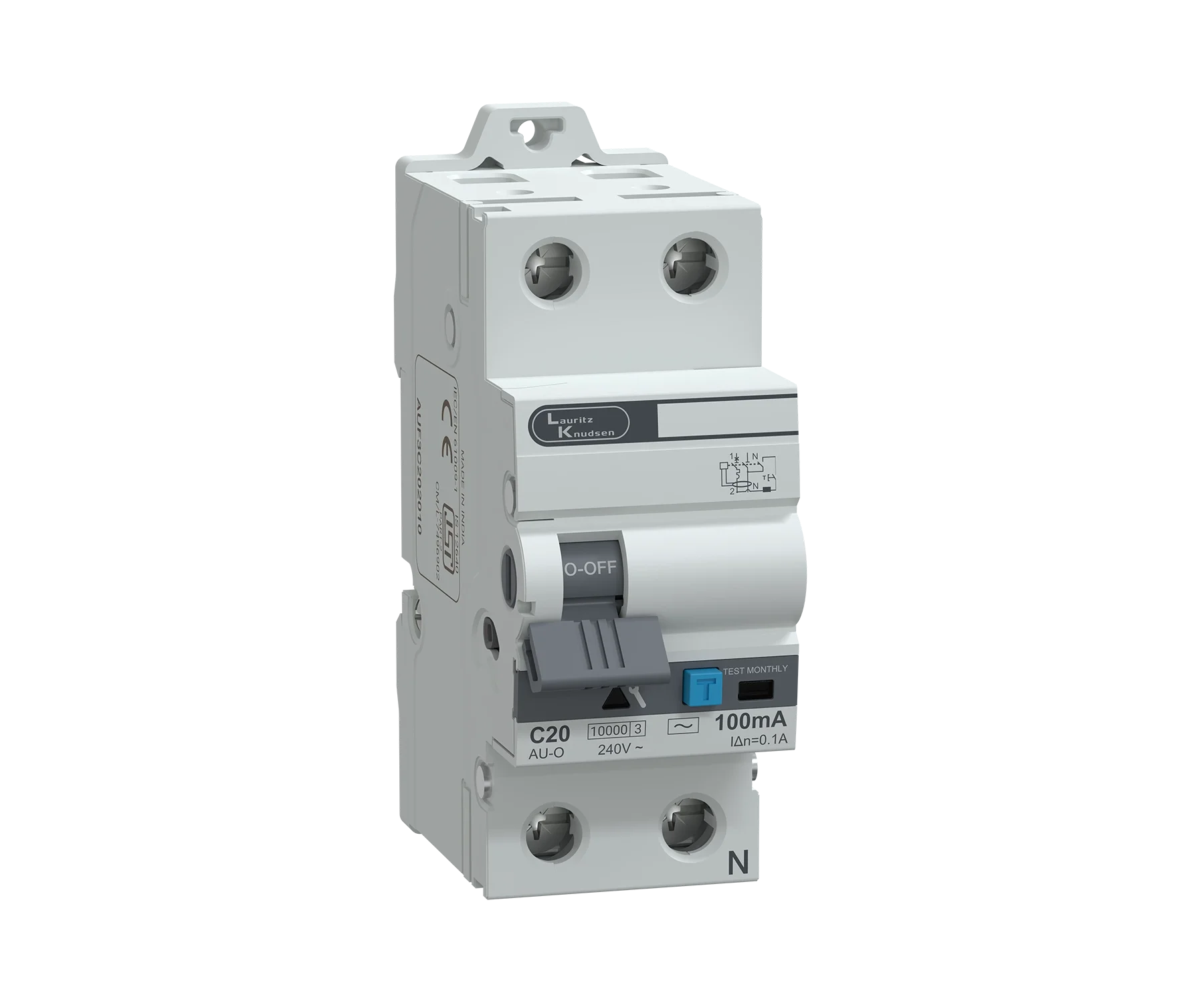
One of the most effective devices for protecting circuits against multiple fault conditions is the RCBO. It combines overload, short-circuit, and residual current protection within a single unit.
- Combined Protection Capability
By integrating multiple protection functions, an RCBO provides comprehensive safety coverage for electrical circuits.
- Enhanced Personal Protection
Residual current detection helps reduce the risk of electric shock by disconnecting the circuit when leakage currents are detected.
- Space Efficiency
Combining several protection functions into one device reduces panel space requirements and simplifies installation.
- Faster Fault Isolation
Rapid response to fault conditions minimizes potential damage and improves overall safety.
These features make RCBOs a valuable component in modern electrical installations.
Importance of MCCB Circuit Breakers
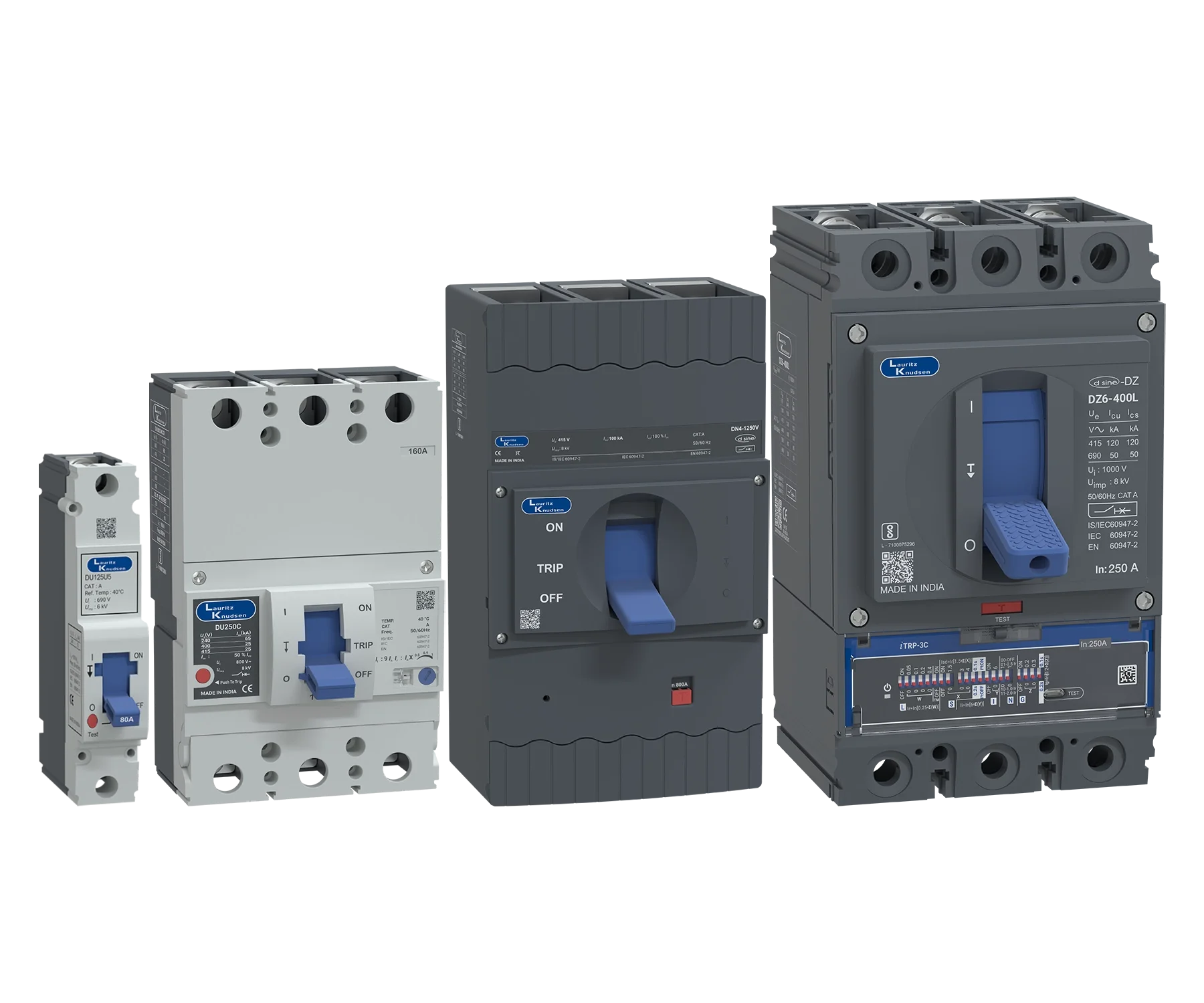
In larger electrical systems, MCCB circuit breakers play a crucial role in protecting equipment and maintaining operational continuity.
Molded case circuit breakers are designed to handle higher current ratings and provide dependable protection against overloads and short circuits.
- High Current Handling Capability
They are suitable for industrial, commercial, and infrastructure applications where electrical loads can be substantial.
- Adjustable Protection Settings
Many MCCB circuit breakers allow users to customize protection parameters according to system requirements.
- Reliable Fault Interruption
Their robust design enables safe interruption of fault currents, reducing the risk of equipment damage.
- Enhanced System Coordination
These breakers help ensure selective protection by isolating only the affected section of the network during a fault.
Their flexibility and reliability make them essential for modern power distribution systems.
Improving Fire Prevention
Electrical fires are a significant concern in buildings and industrial facilities. Faulty wiring, overloaded circuits, and insulation failures can all contribute to fire risks.
Modern circuit protection technologies help reduce these risks through:
- Early Fault Detection
Protection devices identify abnormal conditions before they escalate into dangerous situations.
- Leakage Current Monitoring
Residual current protection helps detect faults that may not generate sufficient current to trigger traditional protection devices.
- Rapid Circuit Disconnection
Quick isolation limits heat buildup and prevents the spread of electrical faults.
The use of an RCBO is particularly effective in reducing fire risks associated with leakage currents and insulation breakdowns.
Supporting Equipment Reliability
Reliable operation of electrical equipment is essential for maintaining productivity and minimizing maintenance costs.
- Preventing Overload Damage
Protection devices disconnect circuits before excessive current causes overheating.
- Limiting Fault Impact
Rapid fault isolation prevents damage from spreading to connected equipment.
- Extending Equipment Lifespan
Reducing exposure to electrical stress helps improve the longevity of motors, transformers, and other critical assets.
- Lowering Maintenance Costs
Well-protected systems experience fewer failures and require less corrective maintenance.
These benefits contribute to more efficient and cost-effective operations.
Smart Features in Modern Protection Devices
Advancements in digital technology have transformed the capabilities of modern circuit protection systems.
- Real-Time Monitoring
Operators can continuously monitor circuit performance and fault conditions.
- Remote Diagnostics
Remote access enables faster troubleshooting and reduces the need for on-site inspections.
- Predictive Maintenance
Data analytics help identify developing issues before they lead to failures.
- Improved Energy Management
Monitoring capabilities support more efficient energy utilization and system optimization.
Many modern MCCB circuit breakers incorporate intelligent features that enhance visibility and improve decision-making.
Importance of Proper Device Selection
Selecting the right protection device is critical for achieving optimal safety and performance.
- Load Characteristics
Protection equipment should be matched to the electrical demands of the application.
- Fault Current Levels
Devices must be capable of safely interrupting anticipated fault currents.
- Environmental Conditions
Factors such as temperature, humidity, and dust exposure should be considered during selection.
- Future Expansion
Scalable protection solutions allow electrical systems to accommodate future growth.
Careful planning ensures that protection devices perform effectively throughout their operational life.
Best Practices for Electrical Safety
In addition to installing advanced protection equipment, organizations should adopt comprehensive safety practices.
- Regular Inspections
Routine inspections help identify wear, damage, or potential hazards before failures occur.
- Periodic Testing
Testing verifies that protection devices function correctly and respond appropriately during fault conditions.
- Employee Training
Proper training improves awareness of electrical hazards and safe operating procedures.
- Preventive Maintenance
Scheduled maintenance helps maintain system reliability and extends equipment lifespan.
Combining these practices with modern protection technologies creates a safer and more resilient electrical environment.
Future Trends in Circuit Protection
The future of electrical safety will be shaped by innovations in automation, connectivity, and data analytics.
Emerging trends include:
- Intelligent protection systems
- Internet of Things integration
- Advanced fault diagnostics
- Artificial intelligence-driven monitoring
- Enhanced cybersecurity features
As these technologies continue to evolve, circuit protection solutions will become even more effective at preventing failures and improving safety.
The continued development of devices such as RCBO units and advanced protection systems will play a significant role in shaping the next generation of electrical infrastructure.
Conclusion
Modern circuit protection is essential for ensuring electrical safety, equipment reliability, and uninterrupted operations across a wide range of applications. By providing rapid fault detection, effective overload protection, and advanced monitoring capabilities, protection devices help minimize risks while supporting efficient power distribution. Solutions such as RCBO devices and dependable MCCB circuit breakers contribute significantly to safer and more resilient electrical systems. As electrical infrastructure continues to advance, Lauritz Knudsen Electrical & Automation remains committed to supporting innovative, reliable, and future-ready solutions that help power a safer and more efficient future.



























Sign in to leave a comment.