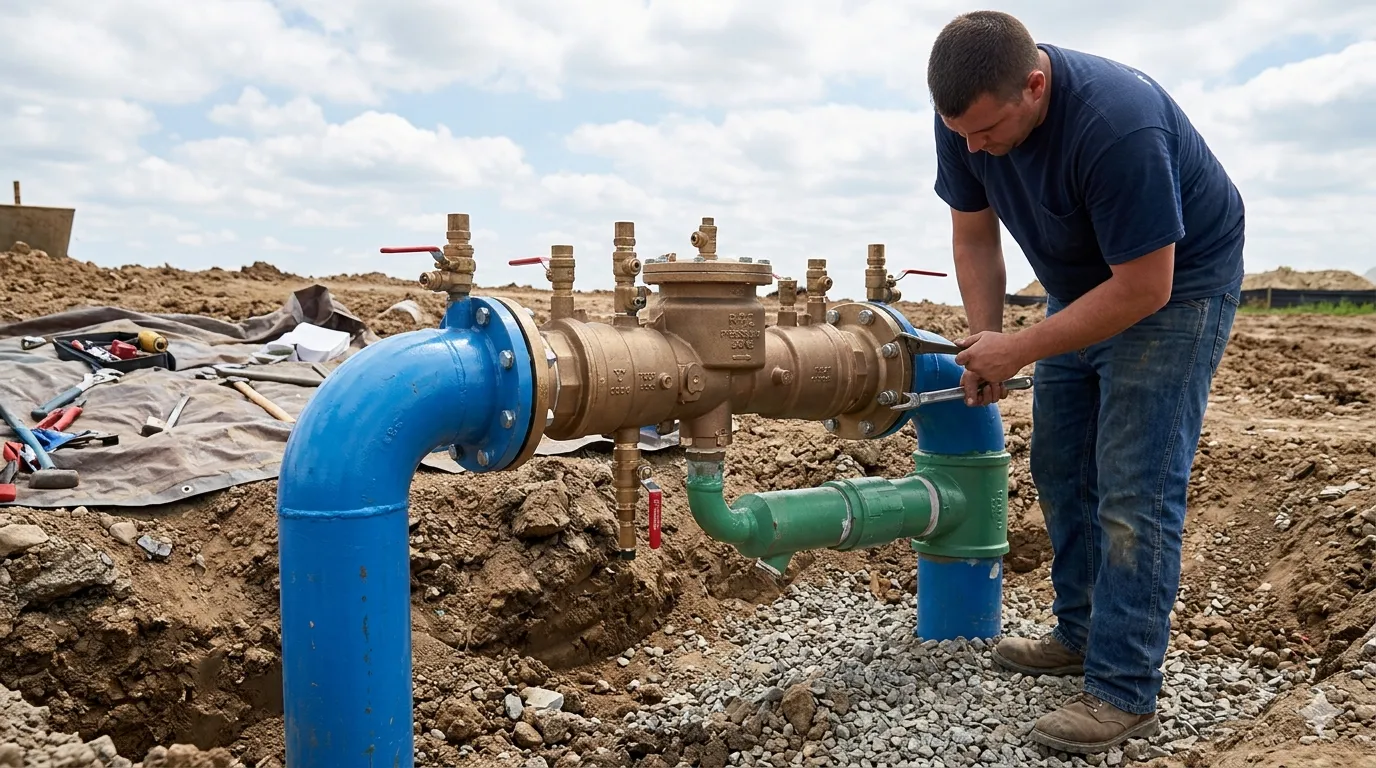

Average Cost of Backflow Installation in Miami
For those looking for the immediate answer, here is the breakdown. For a basic residential setup, the device itself typically ranges from $263 to $379. However, most Miami homeowners prefer a "turnkey" solution—where a plumbing comapny handles the parts, the labor, the permits, and the initial certification. That complete package typically runs between $600 and $1,500.
For commercial clients or high-hazard sites, the complexity jumps significantly. Expect an investment between $1,000 and $2,500 depending on the device size and the amount of excavation required [1].
Typical All-In Scenarios for 2026:
- The "Standard Home" (Low-Hazard): $650–$900. Includes a 3/4" Double Check Valve, local permits, and first filing.
- The "Lush Landscape" (High-Hazard Irrigation): $1,200–$1,800. Requires an RPZ (Reduced Pressure Zone) valve due to fertilizer injectors.
- The "Small Business" (Commercial): $1,500–$2,500+. Based on 2" lines and specific city codes [1].
Miami Cost Breakdown at a Glance
We have broken this down by the clock. In the plumbing world, time is the primary driver of cost. These estimates reflect how long a certified specialist will be on the property.
| Type of Service | Price Range | Estimated Time |
| Basic Residential Device | $263–$379 | 2–4 hours [2] |
| Standard Turnkey Install | $600–$1,500 | 4–6 hours [2] |
| Commercial High-Hazard | $1,000–$2,500 [1] | 6+ hours [2] |
Why Miami-Dade Mandates This Protection
The Miami-Dade Water and Sewer Department (WASD) mandates these devices to ensure that fertilizers, pool chemicals, or gray water don't get sucked back into the public drinking water. This is strictly enforced under Florida Administrative Code Rule 62-555.360 [3].
The Risks of Delay:
- Health Hazards: Preventing pathogens from entering the kitchen tap is the priority.
- Legal Fines: Violations fall under County Code Chapter 8CC [4]. While specific amounts vary, we have seen Florida districts apply fines of $100 per day until the device is certified [5].
- Service Interruption: WASD has the authority to shut off water service entirely if compliance notices are ignored.
Factors That Move the Needle on Your Bill
We have seen "simple" jobs turn into all-day affairs. Here is what actually drives the invoice up or down:
1. Pipe Size: A 3/4" residential line is the standard. Moving to 2" commercial lines causes hardware costs to scale rapidly.
2. Device Type: An RPZ (Reduced Pressure Zone) valve is a sophisticated piece of machinery compared to a basic DCVA (Double Check Valve Assembly).
3. Site Accessibility: If the main line is buried under three feet of coral rock or hidden behind a concrete wall, labor costs will rise [2].
4. Material Specs: Local codes often mandate copper piping, which is more durable against our salt air but pricier than other materials.
Lifespan: Protecting Your Investment
In the South Florida climate, a residential valve usually lasts 5 to 10 years [9]. However, a professional tip: if the annual maintenance is performed, the heavy-duty housing can last for decades [8]. It is the internal seals and springs that the Miami heat tends to wear down.
RPZ vs. DCVA: Which One Does the Property Need?
- Reduced Pressure Zone (RPZ): This is the "Gold Standard." It is required for high-hazard setups like irrigation with chemical injectors. If pressure drops, it dumps water out of a relief valve to ensure zero contamination.
- Double Check Valve Assembly (DCVA): Common for low-hazard residential use. It is more compact and budget-friendly, but lacks the visual safety relief zone of the RPZ.
The "Hidden" Costs: Permits and Annual Fees
The price of the valve is only the beginning of the compliance journey. To stay legal in Miami-Dade, we must account for:
1. Plumbing Permits: Most municipalities start at $50, but this varies by specific city.
2. Certification Fees: This covers the technician’s license and the use of specialized, calibrated testing equipment.
3. Filing Fees: Submitting test results to the county carries a $10–$25 processing fee [6].
4. Annual Testing: This is not a "one and done" deal. The device must be tested every year to remain in good standing with WASD. Typical annual testing costs in Miami range from $75 to $150.
Professional Installation vs. The $5,000 Risk
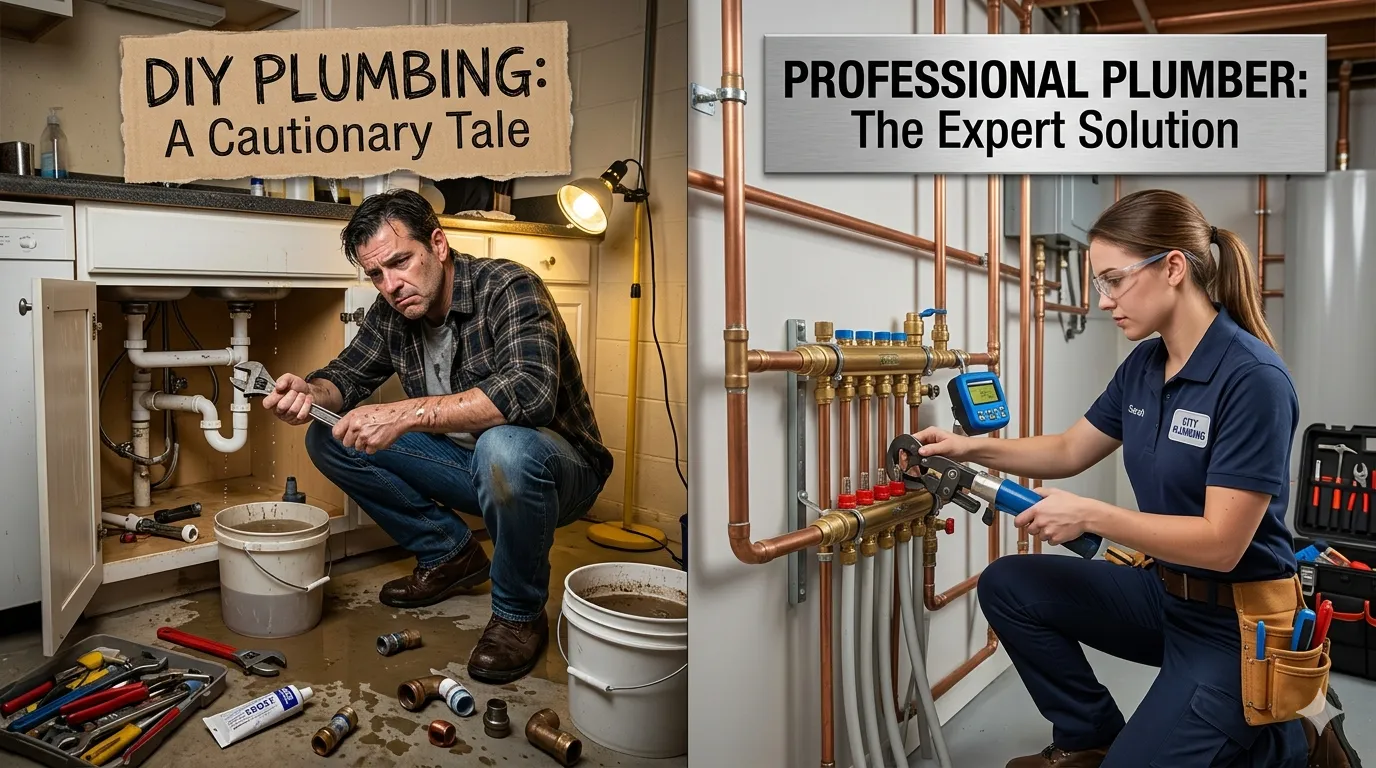
While we encourage homeowners to handle small tasks like swapping a showerhead, backflow installation is where the line must be drawn.
- The Law: In Miami-Dade, only a licensed plumber with a specific backflow certification can legally install and certify these units.
- The Liability: Incorrect installation that leads to contamination of the local line makes the owner legally responsible for damages under Chapter 8CC [4].
- The Insurance Gap: Most homeowners' insurance policies contain exclusions for damage caused by unpermitted or unlicensed work. We recommend checking your policy's "exclusions" section before attempting a DIY fix.
What you can do yourself: You can clear the area around the water meter, take clear photos of the current setup for the plumber, and check your HOA records for previous testing reports.
Local Subsidies: Is Financial Help Available?
Before paying full price, check for local assistance. The "Miami Forever Bond" recently allocated $2.5M toward flood protection and infrastructure [10]. If the property is in a flood-prone area, programs like the Miami Beach PPA offer grants up to $20,000 for property protection—which can occasionally include critical water system upgrades [10].
3 Questions to Ask a Miami Plumber
1. "Can we see your Backflow Certification number?" (Ensure it is current).
2. "Does this quote include the WASD filing fee?" (Avoid a surprise $25 bill later).
3. "Do you carry Miami-Dade specific Liability Insurance?"
Frequently Asked Questions
How long does installation take?
Usually 2–4 hours. For complex commercial sites or heavy excavation, plan for 6+ hours [2].
Does every house in Miami need one?
Yes, per Florida Rule 62-555.360 [3]. It is vital for homes with irrigation, boilers, or high-risk equipment [7].
What if the device fails the annual test?
Do not panic. There is usually a 10–30 day window to perform repairs (typically replacing seals) or install a new unit before WASD initiates fines [8].
References
[1] Commercial Installation Costs (High-Hazard) — [Industry standard data]
[2] Installation Timeframes by Complexity — [Field experience records]
[3] Florida Administrative Code Rule 62-555.360 — https://www.flrules.org/
[4] Miami-Dade County Code Chapter 8CC — https://library.municode.com/fl/miami_-_dade_county/codes/code_of_ordinances
[5] Jurisdictional Fine Models ($100/day) — [Regional code enforcement data]
[6] National Average Filing Fees — [Plumbing association benchmarks]
[7] Technical Standards for Residential Mandatory Install — [Regulatory safety standards]
[8] Repair Deadlines and Testing Frequency — [WASD compliance guidelines]
[9] Residential Valve Lifespan Data — [Manufacturer durability studies]
[10] Miami Forever Bond & PPA Grants — https://www.miamigov.com/Government/Departments-Organizations/Office-of-Capital-Improvements/Miami-Forever-Bond
























Sign in to leave a comment.