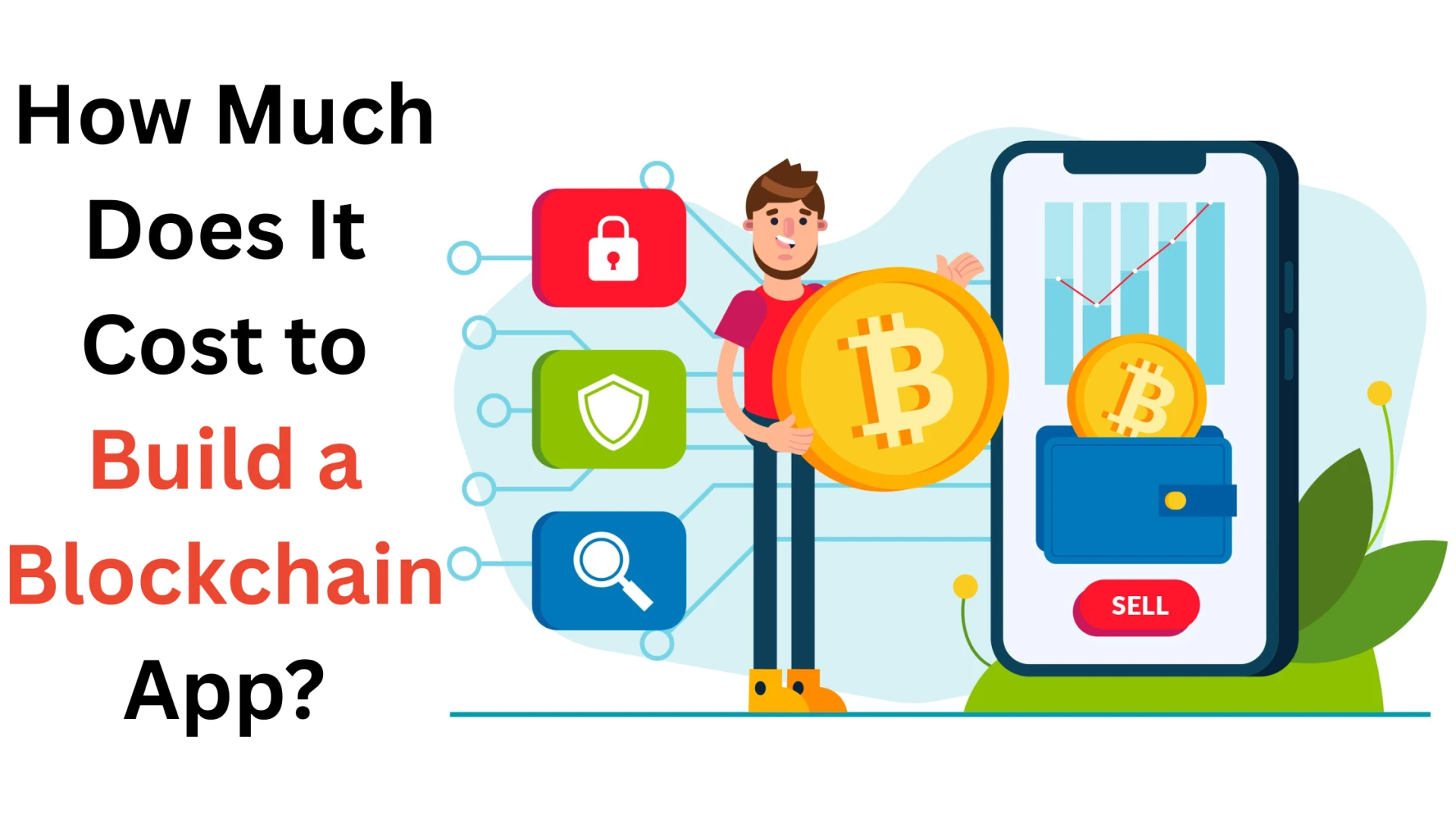

Blockchain is no longer limited to cryptocurrency. From decentralized finance platforms to supply chain tracking systems, businesses across industries are exploring how distributed ledger technology can improve transparency, security, and operational efficiency. But before launching into development, one question always comes up first: how much does it cost to build a blockchain app?
The honest answer is that pricing varies widely based on complexity, platform, features, compliance requirements, and team structure. A simple decentralized application can cost significantly less than a fully integrated enterprise-grade blockchain ecosystem. In this guide, we will break down the real cost drivers, typical pricing ranges, and what businesses should plan for before starting development.
Average Cost to Build a Blockchain App
Blockchain app development typically falls into these pricing tiers:
- Basic blockchain app: $30,000 to $60,000
- Mid-level blockchain app: $60,000 to $150,000
- Advanced enterprise blockchain solution: $150,000 to $500,000+
These ranges depend heavily on scope. A minimal decentralized app with smart contract functionality will cost far less than a secure financial platform with multi-layer architecture, custom token economics, and compliance features.
Key Factors That Influence Blockchain App Development Cost
1. Type of Blockchain Application
The type of application plays a major role in pricing. Common categories include:
- Cryptocurrency wallets
- Decentralized exchanges
- NFT marketplaces
- Supply chain tracking systems
- Healthcare data management platforms
- Enterprise smart contract platforms
A basic wallet app costs significantly less than a decentralized exchange with automated liquidity pools.
2. Public vs Private Blockchain
Choosing the right blockchain infrastructure impacts both development complexity and long-term costs.
Public Blockchain
Platforms like Ethereum allow anyone to participate in the network. Public blockchains are ideal for decentralized applications, DeFi platforms, and NFT marketplaces. However, they may involve higher transaction (gas) fees and smart contract security audits.
Private Blockchain
Private frameworks such as Hyperledger Fabric are commonly used for enterprise solutions. These systems provide more control, faster transaction speeds, and customizable permissions, but require more backend configuration.
The cost difference depends on your scalability and governance needs.
3. Smart Contract Development
Smart contracts are the backbone of most blockchain apps. Writing secure and optimized contracts requires experienced developers and thorough auditing.
For example:
- Basic smart contract development: $5,000 to $15,000
- Advanced smart contracts with token logic: $20,000 to $50,000
- Independent security audit: $10,000 to $40,000
Since vulnerabilities can lead to financial losses, investing in auditing is not optional for serious projects.
4. Consensus Mechanism
The choice of consensus model affects both performance and implementation complexity.
Popular mechanisms include:
- Proof of Work (PoW)
- Proof of Stake (PoS)
- Delegated Proof of Stake (DPoS)
Public networks like Bitcoin use PoW, which requires heavy computational power. In contrast, PoS models are more energy efficient and easier to integrate for many modern applications.
Custom consensus mechanisms increase development time and cost.
5. UI/UX Design
Blockchain apps must simplify complex processes for everyday users. Designing intuitive dashboards, wallet interactions, and transaction flows takes specialized UX expertise.
UI/UX design cost ranges:
- Basic interface: $5,000 to $15,000
- Advanced interactive UI with analytics dashboards: $20,000 to $40,000
User-friendly design directly affects adoption rates.
6. Platform Selection (Web, Mobile, or Both)
Your cost increases if you build across multiple platforms.
- Web-based dApp: Lower initial cost
- Native iOS and Android apps: Higher cost
- Cross-platform apps: Moderate cost
If you integrate with ecosystems like MetaMask or other third-party wallets, additional development time may be required.
7. Security Infrastructure
Security is one of the largest cost drivers in blockchain development.
Key components include:
- Encryption layers
- Multi-factor authentication
- Secure key storage
- Smart contract audits
- Anti-fraud systems
Security can add 15 to 25 percent to the total project budget, but cutting corners here is extremely risky.
8. Regulatory Compliance
Blockchain regulations vary by country and industry. If you are developing:
- A financial application
- A crypto exchange
- A healthcare data solution
You may need compliance frameworks aligned with standards set by authorities such as the U.S. Securities and Exchange Commission.
Legal consultation and compliance integration can add $10,000 to $50,000, depending on complexity.
Cost Breakdown by Development Stage
To understand where your budget goes, here is a simplified breakdown:
1. Research and Planning (10–15%)
Market research, technical feasibility studies, and blockchain selection.
2. Architecture Design (10–20%)
System structure, smart contract framework, node configuration.
3. Development (40–60%)
Core coding of blockchain logic, backend, APIs, and frontend.
4. Testing and Auditing (15–25%)
Quality assurance, security testing, performance optimization.
5. Deployment and Maintenance (Ongoing)
Hosting, updates, bug fixes, and scalability improvements.
In-House Team vs Outsourcing
Your development model significantly impacts cost.
In-House Team
Hiring blockchain developers full-time in the United States can cost:
- $120,000 to $180,000 annually per senior developer
Building a complete team may exceed $500,000 per year.
Outsourcing
Partnering with an experienced blockchain app development company can reduce overhead while maintaining quality. Outsourcing to reputable firms typically ranges from $40 to $150 per hour, depending on region and expertise.
For startups and mid-sized businesses, outsourcing often provides better flexibility and cost efficiency.
Ongoing Costs After Launch
Many businesses underestimate post-launch expenses.
1. Node Hosting
Running blockchain nodes on cloud services can cost $500 to $5,000 per month, depending on scale.
2. Maintenance and Updates
Plan for 15 to 20 percent of the initial development cost annually.
3. Gas Fees
If using public blockchains like Ethereum, transaction fees fluctuate based on network congestion.
4. Security Monitoring
Continuous vulnerability assessments are necessary for high-value platforms.
Real-World Cost Scenarios
Let’s look at example budgets.
Scenario 1: Simple NFT Marketplace
- Smart contracts
- Web interface
- Wallet integration
Estimated cost: $70,000 to $120,000
Scenario 2: Decentralized Finance Platform
- Token creation
- Liquidity pools
- Advanced analytics dashboard
- Security audit
Estimated cost: $150,000 to $300,000
Scenario 3: Enterprise Supply Chain Blockchain
- Private blockchain setup
- ERP integration
- Admin dashboards
- Compliance layers
Estimated cost: $250,000 to $500,000+
Ways to Reduce Blockchain App Development Costs
If you want to control your budget, consider these strategies:
Start with an MVP
Launch a minimal version first, validate market demand, then expand.
Use Existing Protocols
Building on established blockchains reduces infrastructure costs.
Avoid Overengineering
Focus on essential features in early stages.
Choose the Right Team
Experienced developers reduce errors and prevent costly rework.
Is Building a Blockchain App Worth the Investment?
Blockchain applications can offer:
- Enhanced transparency
- Stronger security
- Reduced operational costs
- Decentralized control
- Trustless transactions
However, not every project needs blockchain. If your use case does not require decentralization, a traditional database may be more cost-effective.
Careful technical evaluation before development prevents wasted investment.
Final Thoughts
So, how much does it cost to build a blockchain app? The answer depends entirely on your vision, complexity, compliance requirements, and long-term scalability goals.
For small-scale projects, budgets may start around $30,000. For enterprise-grade platforms, costs can exceed $500,000. The key is aligning your technical scope with your business objectives and planning for both development and ongoing operational expenses.
Blockchain technology offers powerful capabilities, but success depends on strategic execution, security-first architecture, and experienced development support. With the right planning and technical guidance, a blockchain app can become a high-value digital asset that drives growth, trust, and competitive advantage in today’s evolving digital economy.


























Sign in to leave a comment.