The paper manufacturing industry is at a crossroads. As global demand for paper products continues to rise, manufacturers are under increasing pressure to deliver higher quality products at lower costs, all while adhering to stricter environmental regulations. In this challenging landscape, efficiency is not just a goal—it is a necessity. One of the most effective ways to achieve this efficiency is through the use of advanced chemical additives, such as OEM Cationic Polyacrylamide. At Shandong UPS Chemical Co., Ltd., we are proud to be at the forefront of this innovation, providing tailored solutions that help paper mills around the world optimize their processes and achieve superior results.
Understanding the Paper Manufacturing Process
It is important to understand the complexities of the paper manufacturing process. Paper production involves several critical stages, each of which presents unique challenges:
- Pulping: Raw materials such as wood chips or recycled paper are broken down into pulp, which consists of cellulose fibers suspended in water.
- Refining: The pulp is mechanically treated to improve fiber bonding and enhance paper strength.
- Sheet Formation: The refined pulp is spread onto a moving wire mesh, where water is drained away, and a wet paper sheet is formed.
- Pressing: The wet sheet is pressed to remove additional water and increase fiber bonding.
- Drying: The pressed sheet is passed through heated rollers to remove remaining moisture.
- Finishing: The dried paper is coated, cut, and packaged according to customer specifications.
At each stage, manufacturers must balance competing priorities: maximizing product quality, minimizing resource consumption, and ensuring environmental compliance. This is where chemical additives like OEM Cationic Polyacrylamide play a crucial role.
What is OEM Cationic Polyacrylamide?
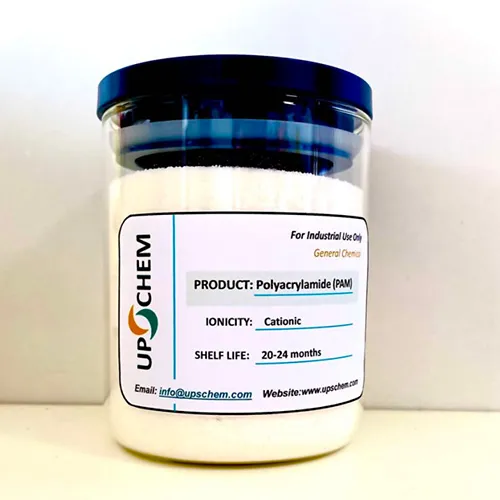
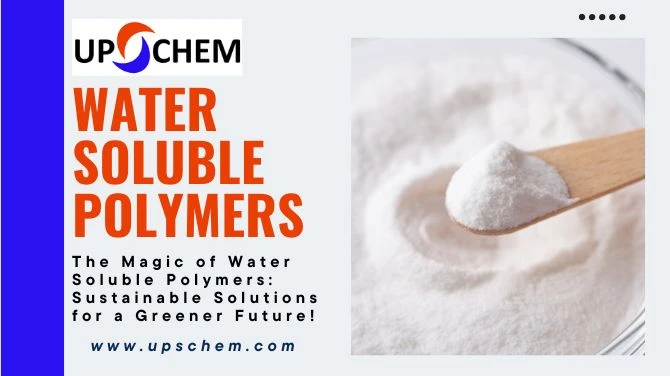
OEM Cationic Polyacrylamide is a high-performance, water-soluble polymer specifically designed for use in industrial processes such as paper manufacturing. The term "OEM" (Original Equipment Manufacturer) indicates that the product is custom-formulated to meet the unique requirements of individual paper mills, ensuring optimal compatibility and performance.
Chemically, cationic polyacrylamide is synthesized by polymerizing acrylamide monomers with cationic (positively charged) functional groups. This structure gives the polymer its unique ability to interact with negatively charged particles, fibers, and fillers commonly found in paper pulp.
Key Properties of OEM Cationic Polyacrylamide
- High molecular weight: Enhances flocculation and retention efficiency.
- Cationic charge density: Allows for strong interaction with anionic (negatively charged) components in the pulp.
- Water solubility: Ensures rapid and uniform dispersion in the papermaking process.
- Customizable formulation: OEM products can be tailored to specific process conditions and performance goals.
The Role of OEM Cationic Polyacrylamide in Paper Manufacturing
The primary function of OEM Cationic Polyacrylamide in paper manufacturing is to act as a retention and drainage aid. However, its benefits extend far beyond these basic functions. Let’s explore how this versatile polymer enhances efficiency at every stage of the papermaking process.
1. Improved Retention of Fines and Fillers
One of the biggest challenges in paper manufacturing is retaining fine particles (fines) and fillers within the paper sheet. These materials are essential for achieving desired paper properties, such as smoothness, opacity, and printability. However, due to their small size and negative charge, fines and fillers tend to remain suspended in water and are easily lost during drainage.
OEM Cationic Polyacrylamide addresses this challenge by promoting flocculation—the process by which small particles aggregate into larger clusters (flocs). The cationic polymer binds to the negatively charged fines and fillers, forming flocs that are more easily retained within the paper sheet. This not only improves product quality but also reduces raw material losses and wastewater load.
2. Enhanced Drainage and Dewatering
Efficient drainage is critical for maintaining high production speeds and reducing energy consumption. When water is removed quickly and effectively from the pulp, the subsequent pressing and drying stages require less energy, leading to significant cost savings.
By promoting the formation of larger flocs, OEM Cationic Polyacrylamide facilitates faster water removal during sheet formation. The improved drainage rate allows for higher machine speeds and increased throughput, without compromising paper quality.
3. Increased Paper Strength and Uniformity
The distribution and retention of fibers and fillers have a direct impact on the strength and uniformity of the final paper product. Uneven distribution can lead to weak spots, poor printability, and customer complaints.
OEM Cationic Polyacrylamide ensures that fibers and fillers are evenly distributed and securely retained within the sheet. This results in paper with consistent strength, smoothness, and appearance—key attributes for high-quality printing and writing papers.
4. Reduced Chemical and Energy Consumption
Traditional papermaking often relies on multiple chemical additives, such as alum, starch, and other retention aids. However, excessive use of these chemicals can increase costs, complicate wastewater treatment, and negatively impact product quality.
By improving retention and drainage, OEM Cationic Polyacrylamide allows for lower dosages of other additives. This not only reduces chemical costs but also simplifies process control and minimizes the environmental footprint of the mill. Additionally, faster drainage and dewatering translate to lower energy consumption during pressing and drying.
5. Enhanced Environmental Compliance
Environmental regulations governing paper manufacturing are becoming increasingly stringent, particularly with regard to wastewater discharge and chemical usage. Mills must find ways to reduce their environmental impact while maintaining profitability.
OEM Cationic Polyacrylamide supports environmental compliance in several ways:
- Reduced chemical usage: Lower dosages of retention aids and other additives mean fewer chemicals in the effluent.
- Improved solids capture: Enhanced retention of fines and fillers reduces the load on wastewater treatment systems.
- Biodegradability: Modern formulations are designed to be highly biodegradable, minimizing their impact on aquatic ecosystems.
Case Study: OEM Cationic Polyacrylamide in Action
To illustrate the real-world benefits of OEM Cationic Polyacrylamide, let’s consider a case study from one of our clients at Shandong UPS Chemical Co., Ltd.
Background
A large paper mill in Southeast Asia was experiencing issues with low retention rates, high chemical consumption, and inconsistent paper quality. The mill was using a standard cationic polyacrylamide product, but the results were suboptimal.
Solution
Our technical team conducted a thorough process audit and recommended switching to a custom-formulated OEM Cationic Polyacrylamide tailored to the mill’s specific pulp composition and process conditions. We also provided on-site training and support to optimize dosage and application.
Results
- Retention rates increased by 20%, leading to significant savings in raw materials.
- Drainage rates improved by 15%, allowing for higher machine speeds and increased production capacity.
- Chemical consumption decreased by 25%, reducing costs and simplifying wastewater treatment.
- Paper quality became more consistent, with fewer customer complaints and higher product value.
This case study demonstrates the transformative impact that OEM Cationic Polyacrylamide can have on paper manufacturing efficiency.
How to Implement OEM Cationic Polyacrylamide in Your Paper Mill?
Transitioning to OEM Cationic Polyacrylamide is a straightforward process, but it requires careful planning and collaboration with your chemical supplier. Here are the key steps:
1. Process Assessment
Begin by conducting a comprehensive assessment of your current papermaking process. Identify areas where retention, drainage, or product quality could be improved. Gather data on pulp composition, machine speeds, chemical usage, and wastewater characteristics.
2. Product Selection
Work with your supplier—such as Shandong UPS Chemical Co., Ltd.—to select the appropriate OEM Cationic Polyacrylamide formulation for your specific needs. Factors to consider include molecular weight, charge density, and compatibility with other process chemicals.
3. Laboratory and On-Site Trials
Conduct laboratory-scale trials to determine the optimal dosage and application method. Follow up with on-site trials to validate performance under real-world conditions. Monitor key performance indicators such as retention rate, drainage speed, paper strength, and chemical consumption.
4. Process Optimization
Based on trial results, fine-tune the dosage and application parameters to achieve the best possible results. Provide training for operators and maintenance staff to ensure proper handling and storage of the polymer.
5. Ongoing Support and Monitoring
Maintain regular communication with your supplier to address any issues and take advantage of new product developments. Continuously monitor process performance and make adjustments as needed to maintain optimal efficiency.
The Shandong UPS Chemical Co., Ltd. Advantage
At Shandong UPS Chemical Co., Ltd., we are committed to helping our clients achieve operational excellence through innovative chemical solutions. Our OEM Cationic Polyacrylamide products are manufactured using state-of-the-art technology and rigorous quality control processes. We offer:
- Custom-formulated products: Tailored to your specific process requirements.
- Technical support: Expert guidance on product selection, dosage optimization, and process integration.
- On-site training: Comprehensive training for your staff to ensure safe and effective use of our products.
- Sustainable solutions: Environmentally friendly formulations that support regulatory compliance.
Our goal is to be more than just a supplier—we strive to be a trusted partner in your success.
In the fast-paced world of paper manufacturing, efficiency is the key to success. OEM Cationic Polyacrylamide offers a powerful solution for mills seeking to improve retention, drainage, product quality, and environmental compliance. By partnering with a trusted supplier like Shandong UPS Chemical Co., Ltd., you can unlock the full potential of this advanced polymer and achieve new levels of operational excellence.
Frequently Asked Questions (FAQ)
Q1: What is the difference between OEM Cationic Polyacrylamide and standard cationic polyacrylamide?
A: OEM Cationic Polyacrylamide is custom-formulated to meet the specific needs of individual paper mills. This ensures optimal compatibility with your process conditions and equipment, resulting in superior performance compared to standard, off-the-shelf products.
Q2: How does OEM Cationic Polyacrylamide improve paper quality?
A: By enhancing the retention and distribution of fibers and fillers, OEM Cationic Polyacrylamide produces paper with greater strength, smoothness, and uniformity. This leads to higher-quality products that meet customer expectations.
Q3: Is OEM Cationic Polyacrylamide safe for the environment?
A: Yes, modern formulations are designed to be highly biodegradable and have minimal impact on wastewater treatment systems. Additionally, the use of OEM Cationic Polyacrylamide reduces the need for other, potentially more harmful, chemical additives.
Q4: Can OEM Cationic Polyacrylamide be used in all types of paper manufacturing?
A: Absolutely. OEM Cationic Polyacrylamide is versatile and can be used in the production of printing and writing papers, tissue papers, packaging materials, and specialty papers.
Q5: How do I determine the optimal dosage of OEM Cationic Polyacrylamide for my process?
A: The optimal dosage depends on factors such as pulp composition, machine speed, and desired paper properties. Our technical team at Shandong UPS Chemical Co., Ltd. can assist you in conducting laboratory and on-site trials to determine the most effective dosage for your specific conditions.
Q6: What are the storage and handling requirements for OEM Cationic Polyacrylamide?
A: OEM Cationic Polyacrylamide should be stored in a cool, dry place away from direct sunlight. It should be handled with appropriate personal protective equipment (PPE) and mixed with water according to the manufacturer’s instructions to ensure proper dissolution and performance.
Q7: How quickly can I expect to see results after switching to OEM Cationic Polyacrylamide?
A: Most mills observe improvements in retention, drainage, and paper quality within days of implementing OEM Cationic Polyacrylamide. Full optimization may take several weeks as process parameters are fine-tuned.

























Sign in to leave a comment.