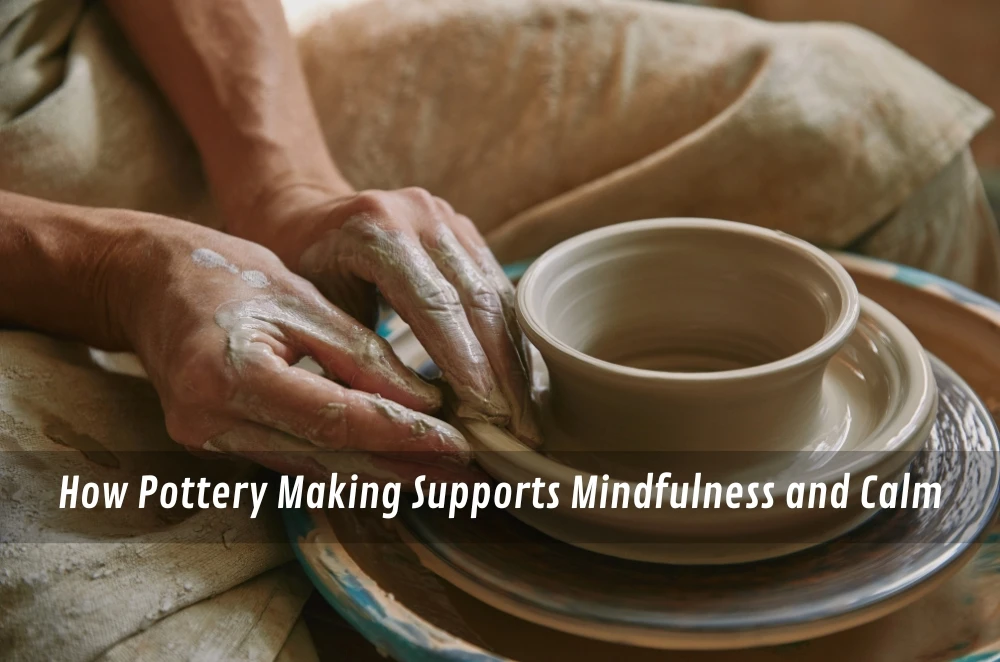

If you’ve ever found yourself scrolling late at night, brain buzzing and shoulders up around your ears, you’re not alone. A lot of us are quietly looking for something slower, more grounded, and more human. That’s part of why so many people are hunting for a ceramic class in Melbourne or a local community studio closer to home. The appeal isn’t just about making cute mugs. It’s about feeling your mind finally switch off the noise and settle into the moment.
Pottery making has a way of pulling you right into the here and now: hands in clay, phone away, body engaged. Done with a bit of intention, it can become a surprisingly powerful mindfulness practice – without the pressure to sit cross-legged on a cushion or “clear your mind” on demand.
Why our brains crave hands-on creative work
Most of our daily stress comes from things we can’t touch: emails, bills, notifications, worries about the future. Pottery is the exact opposite – it’s stubbornly physical and gently demanding.
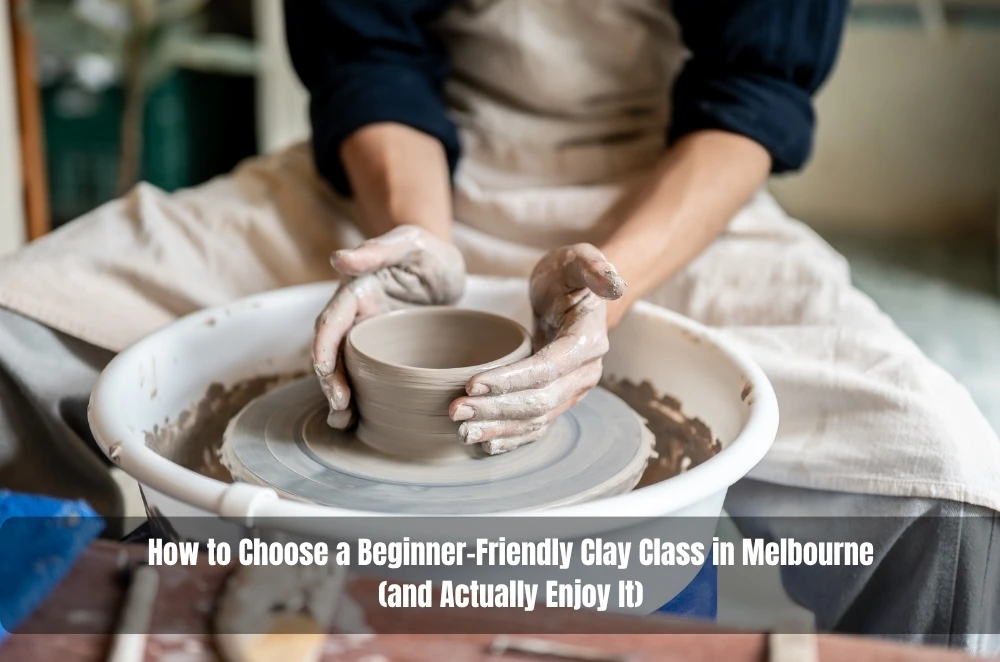
When you’re working with clay, your senses are all in:
- You feel the weight and texture of the clay under your palms
- You watch the shape slowly rise or collapse in front of you
- You listen to the hum of the wheel and the low chatter of the studio
- You smell the earthy, slightly damp scent of the clay itself
Suddenly, your attention isn’t scattered across ten different “tabs” in your mind. It’s right there, following the small adjustments you’re making in each moment.
From a mental health perspective, that sort of focused, embodied activity can be incredibly calming. It’s not a magic fix for anxiety or burnout, but it gives your nervous system a break from constant mental load. You’re still “thinking”, but in a slower, more playful way – testing, adjusting, noticing.
And because pottery is a skill that takes time, your brain gets something it rarely receives in modern life: permission to be a beginner, to learn at a humane pace, without needing to nail it on day one.
How pottery encourages mindfulness without trying too hard
One of the nice things about pottery is that mindfulness is baked in (pun slightly intended). You don’t have to force it or be “good at” meditation. The process itself nudges you into a more mindful state.
Here’s how that often plays out:
- You start with intention. You sit at the wheel or table with one simple plan: make a basic bowl, or maybe just learn to centre the clay.
- You find your rhythm. As your hands move, your breathing tends to slow and match the pace of your work.
- You notice instead of judging. The clay wobbles? Fine. You try again. It collapses? That’s information, not failure.
- You accept imperfection. Almost every beginner piece is “wonky”. Over time, that becomes part of the charm, not something to hide.
Many people now turn to pottery classes for stress relief, echoing what Australian health services say about the benefits of creative arts for mental health and recovery. You’re not just distracting yourself; you’re practising a more compassionate way of relating to your own thoughts and mistakes.
In my own first term of classes, I quickly realised the clay mirrored whatever state I walked in with. If I was impatient or wound up from the day, the walls of my pots were uneven and rushed. On the nights I gave myself ten quiet minutes to settle before touching the clay, everything felt smoother. That feedback loop – body to mind, mind to clay – made the whole experience feel like meditation in motion.
What a mindful pottery session actually looks like
If you haven’t tried it before, “mindful pottery” might sound a bit vague. In practice, it’s just a regular lesson with a slightly different attitude.
A session might unfold like this:
- Arriving and landing
- You walk into the studio, drop your bag, and switch your phone to silent. There’s a low murmur of other people setting up. You wash your hands, put on an apron, and feel yourself slowly shifting out of “day mode”.
- Preparing the clay
- You wedge (knead) the clay to get the air bubbles out. It’s repetitive and oddly soothing – similar to kneading dough. This is a perfect moment to notice your breathing and how your body feels today.
- Working at the wheel or table
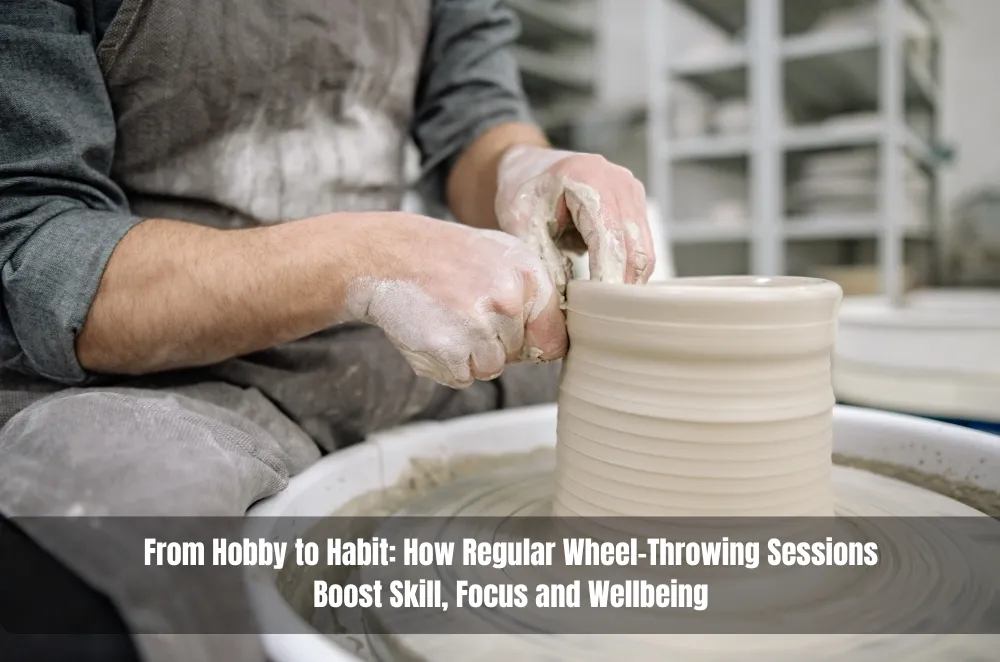
- On the wheel, you’re constantly adjusting pressure and hand position. With hand-building, you’re rolling coils, joining slabs, or pinching a small form into shape. Either way, your mind is tethered to the clay through constant micro-decisions.
- Letting go of the outcome
- Something almost always goes “wrong”: a slightly warped rim, a thumbprint you didn’t mean to leave, a piece that cracks in the kiln. Over time, you start to practise letting go of the outcome and enjoying the making instead.
A good teacher will encourage this mindset – guiding you to notice your posture, your breathing, and the feel of the clay, rather than obsessing about producing a catalogue-perfect piece.
I remember one night when half the class had pieces crack in the bisque firing. The tutor simply shrugged and said, “That’s clay. We try again.” We spent the rest of the evening sanding edges, laughing about our “pottery ghosts”, and planning what we’d do differently next time. Weirdly, it was one of the most relaxing weeks of the term.
Choosing the right pottery setting for your mindset
Not every class has the same feel. If you’re hoping to support mindfulness and calm, it’s worth being a bit intentional about the type of environment you choose.
Some common options include:
- Structured term courses – Weekly classes with the same group, building skills over several weeks. Great if you want routine and a sense of community.
- One-off taster nights – Fun, social sessions where you just make one or two pieces. Lower commitment, ideal for trying pottery without overthinking it.
- Open studio time – Less instruction, more independent making. Best when you already know the basics and want quiet time with clay.
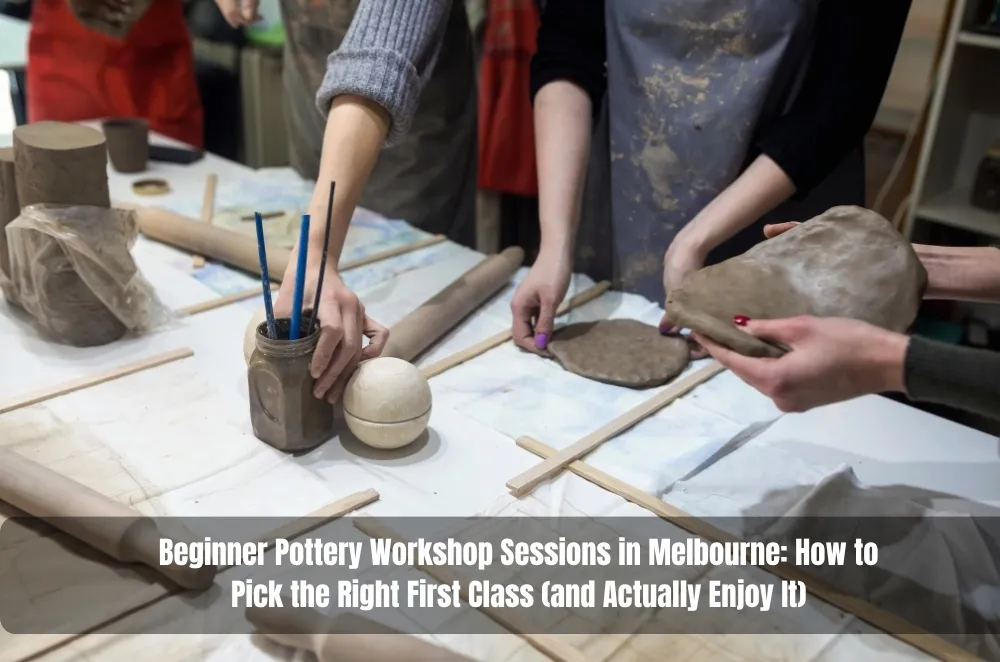
Before you book, it helps to understand the different types of beginner pottery workshops you’re likely to come across. Some lean more “paint-and-sip” and party vibes, others feel closer to a meditation space with clay.
If your goal is genuine calm, you might look for:
- Smaller class sizes, so you don’t feel crowded
- A teacher who talks about process, not perfection
- Longer sessions (two to three hours) so you’re not rushed
- Studios that encourage you to keep phones off the table
In a Melbourne context, that could mean choosing an evening class that fits your commute, or a weekend session where you know you won’t be racing straight to another commitment afterwards. The class itself might only be a couple of hours, but the way it shapes the rest of your day – quieter, slower, more deliberate – is where the mindfulness really sinks in.
Simple ways to bring pottery mindfulness into everyday life
You don’t have to be in the studio to carry the benefits of pottery into your week. The same principles that help you feel calmer with clay in your hands can apply almost anywhere.
A few ideas:
- Notice everyday objects. Pay attention to the mugs and bowls you already use – their weight, balance, texture, and little imperfections. It’s a micro-mindfulness exercise every time you make a cuppa.
- Embrace “wonky” outside the studio. When things don’t go perfectly at work or home, remember how a slightly off-centre bowl can still be your favourite piece. “Good enough” has its own charm.
- Use your hands more often. Cooking, gardening, drawing, even folding laundry – any tactile task can become a mini pottery session for your brain if you focus on the sensations instead of the to-do list.
- Give yourself a beginner space. Pottery reminds you that it’s okay not to be good at something yet. Let that mindset spill over into learning a language, starting a new sport, or even just trying a different route on your walk.
If you want to dive deeper into the craft side, there are plenty of guides to clay pottery for beginners that cover tools, clay types, and home setups in more detail. Pair that practical knowledge with the mindset of “slow, curious, and kind to myself”, and you’ve got a pretty solid recipe for a calmer, more grounded hobby.
Pottery won’t fix every rough edge of modern life. But it does offer something most of us are quietly starved of: time in our bodies, attention in one place, and a chance to practise kindness towards our own clumsy attempts. Whether you end up with a cupboard full of lopsided bowls or just a handful of pieces you truly love, the real work is happening in your nervous system – learning, slowly, that it’s okay to soften.





























Sign in to leave a comment.