

If you drive rideshare or do daily hire, you know the feeling: you get home, sit down… and your brain is still out on the road.
You’re physically inside, but mentally you’re still watching mirrors and reading people.
Most drivers I talk to don’t struggle with “working hard”.
They struggle with the bit after—when the shift ends, but the nervous system hasn’t got the memo.
The usual wind-down options look easy (scroll, snack, crash), but they don’t always land.
They fill time, sure, but sometimes you wake up the next day feeling like you never properly came down.
This isn’t about building a perfect wellness routine.
It’s about giving yourself a reliable off-switch you can actually stick to—especially when your schedule is messy, and your patience is cooked.
Why is it hard to relax after a shift
Driving all day is constant low-level vigilance.
Even on a “good” day, you’re scanning lanes, dealing with sudden braking, handling navigation changes, reading passenger moods, and making dozens of tiny judgment calls.
That’s before you add the extra load drivers carry: the pressure of ratings, surge timing, fuel, finding safe pickup spots, and the mental maths of “Is one more hour worth it?”
So when you finally get home, your body might be tired—but your brain is still buzzing.
And if you try to unwind with something that has no natural endpoint, you can drift into a weird half-rest state: not working, not recovering, just… existing in limbo.
A proper reset has one job: it tells your system, clearly, “We’re done for today.”
What a “good” reset looks like for drivers
Here’s the thing most advice misses: Drivers don’t need the fanciest reset.
They need one that survives real life—late finishes, inconsistent breaks, and the temptation to chase another trip.
A good reset usually has these qualities:
It has a start and finish you can respect.
If it can go forever, it probably will—and you’ll still feel switched on afterward.
It’s low decision-making.
After hours of micro-decisions, “choose your own adventure” downtime can feel like work.
It changes your posture and your focus.
Your body has been in “seat + screen + tension” mode. A reset should pull you somewhere else.
It doesn’t rely on motivation.
If you only do it when you feel energetic, it won’t show up when you need it most.
That’s why some drivers do well with structured things like a class, a swim lane session, a regular walk route with a turnaround point, or a hobby that forces your hands to do something slow and deliberate.
Why hands-on hobbies can work better than “just chilling.”
I’m not here to demonise the couch.
Sometimes the right move is food, shower, bed—full stop.
But if you’re looking for something that actually switches you off, hands-on hobbies often do a better job than passive scrolling because they give your attention somewhere safe to land.
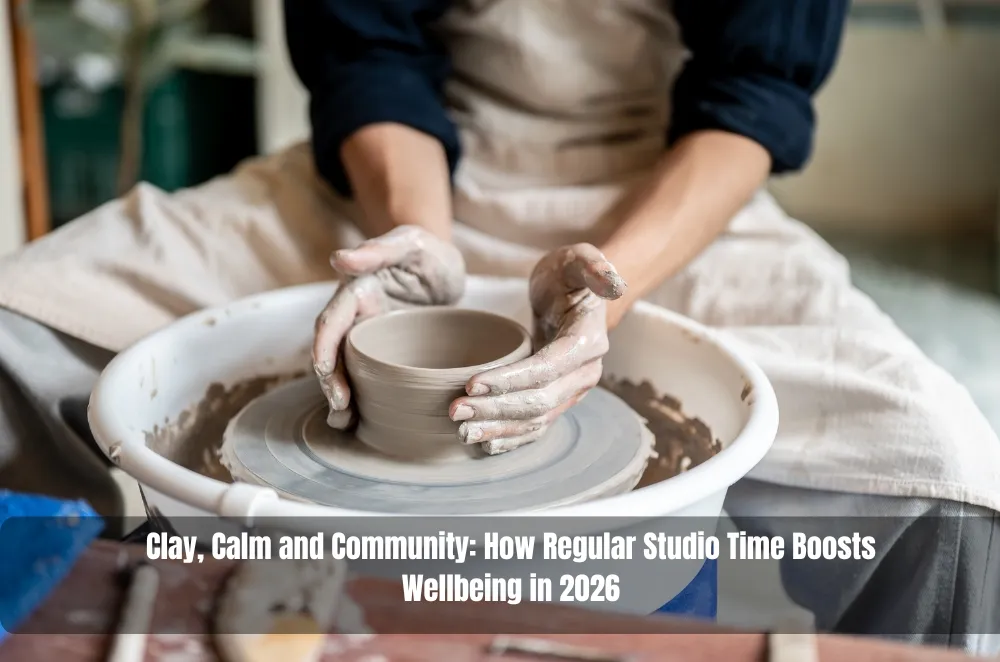
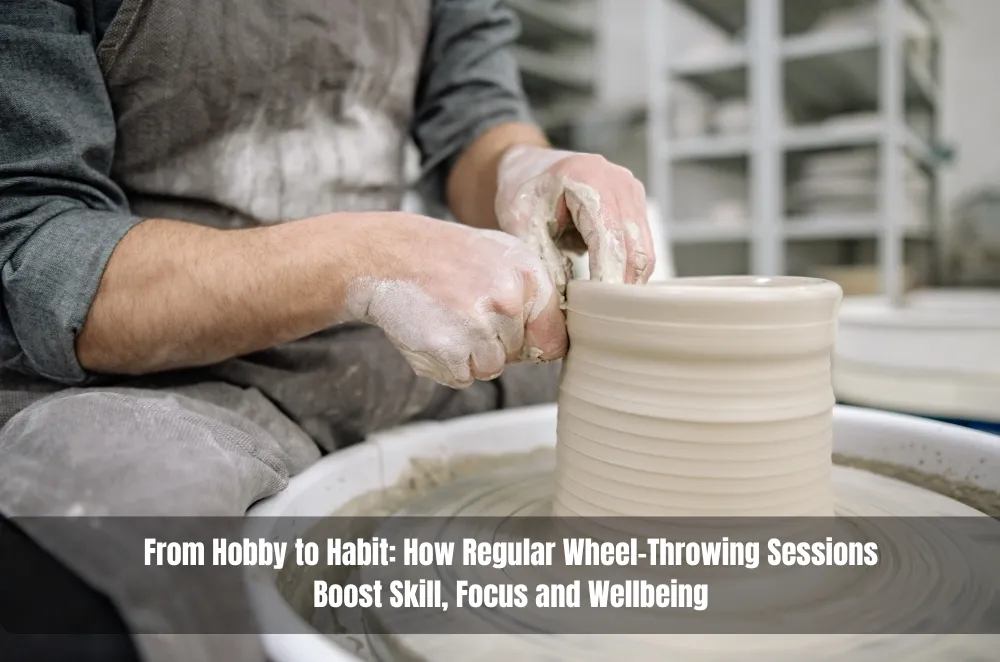
Clay is a good example.
It’s tactile, it demands just enough focus to quiet the noise, and it’s slow in a way driving isn’t.
You’re not “performing” or trying to be impressive.
You’re doing small steps: wedge, shape, smooth, start again.
Operator experience moment: I’ve watched people arrive at a studio, wired—talking fast, shoulders up, phone in hand like it’s still part of the job. Ten minutes into working the clay, and you can literally see the pace drop. The hands get busy, the head stops racing, and the whole room goes quieter in a way that feels earned, not forced.
Is it the only answer? No.
But for certain people—especially those who spend all day in a car—it can be the exact kind of “different” their brain needs.
The common downtime traps drivers fall into
1) Waiting for the “right day” to rest.
If rest depends on a perfect schedule, you’ll mostly miss it.
2) Picking downtime with no off-ramp.
Endless feeds and autoplay videos don’t signal completion. They drag you along.
3) Trying to fix burnout with a massive routine.
Going from chaos to a strict two-hour plan sounds great on Sunday night and collapses by Wednesday.
4) Making the reset too complicated.
If it needs special equipment, perfect timing, or a ton of prep, it becomes one more thing to manage.
5) Ignoring logistics.
For drivers, the “real” barriers are boring: parking, traffic at that hour, class duration, and whether the timing clashes with your most tempting driving window.
A practical plan you can try over the next 7–14 days
This is deliberately simple.
You’re not building a new personality; you’re testing something that fits your actual life.
Step 1 (Day 1–2): Find your easiest slot, not your ideal slot.
Look for a time that’s predictable and low-stakes. Often, that’s mid-morning after a late night, or an early evening window before you’d normally start a peak session.
Step 2 (Day 3–4): Choose one reset activity with a fixed finish.
Pick something that ends on schedule—class, session, booking, or a route with a clear turnaround point.
Step 3 (Day 5–7): Do one trial run with “decision friction” removed.
Eat something basic beforehand.
Plan your route like you’re heading to a pickup.
Put your phone on silent during the session unless you truly need it for safety.
Step 4 (Week 2): Repeat once—only change one thing.
Earlier time, different day, closer location… but only one change. That’s how you learn what actually makes it stick.
If you want to try ceramics in Melbourne’s flourishing pottery scene, the easiest way to keep it practical is to choose a session time that doesn’t collide with peak-hour traffic and lock it in once, like any other commitment—this is where the Diana Ceramic workshop timetable can help you pick a slot that suits how you drive.
Practical opinions: The best routine is the one you can repeat when you’re tired.
Practical opinions: If there’s no natural endpoint, it won’t feel like recovery.
Practical opinions: One consistent reset beats five “someday” plans.
How to choose a reset that won’t get abandoned
Whether it’s ceramics, swimming, a class, or a walk, use these decision checks:
Will I actually show up after a hard shift?
Be honest. If the thought of it makes you groan, you won’t do it consistently.
Does it end early enough to protect sleep?
Late-night stimulation can backfire, even if it’s “healthy”.
Can I get there without extra stress?
If the trip to the activity feels like another shift, you’re setting yourself up to quit.
Is it beginner-friendly and low-pressure?
You want “supported”, not “intimidated”.
Does it give me a clean ‘done’ feeling at the end?
That sense of completion matters more than the activity itself.
Melbourne-specific: Making it easy on yourself
This is where a lot of routines die: the logistics.
So make the logistics stupidly simple.
Pick a location that’s already in your weekly orbit—somewhere you naturally end up because of trips.
If you’re often north-side, it’s easier to keep a Brunswick habit; if you’re regularly out east, leaning toward Burwood can reduce friction.
If you’re considering local ceramic painting sessions in inner Melbourne, choose a studio that fits naturally into those existing routes rather than adding a cross-city detour.
Choose a time that avoids your personal “surge temptation.”
Most drivers have a window where it’s hardest to say no to one more hour—don’t schedule your reset right on top of that.
Treat it like a booking, not a mood-based plan.
Mood-based plans are exactly what tired brains can’t execute.
If your schedule is unpredictable, build two versions
Some weeks will get messy—accident replacement work, vehicle swaps, family stuff, and late requests.
So don’t build a routine that breaks the moment life changes.
Have:
Plan A: One structured session weekly (booked, fixed finish).
Plan B: A 20–30 minute portable reset you can do anywhere.
Plan B could be a fixed walk route, a simple stretch sequence, a timed breathing track, or a quiet café stop with your phone face-down and a hard leave time.
The point isn’t perfection; it’s consistency.
If you miss Plan A, don’t “make up for it” by grinding longer hours.
Just do Plan B and book the next Plan A slot.
Key Takeaways
- Drivers often don’t need “more rest”—they need a clear transition out of work mode.
- The best resets have low decisions, a different posture, and a clean endpoint.
- Hands-on activities can work well because they give your attention somewhere safe to land.
- Over 7–14 days, test one routine twice and adjust one variable at a time.
Common questions we hear from Australian businesses
Do I need to do this every day for it to matter?
Usually, no weekly consistency beats daily intensity for most drivers.
Next step: pick one day you can protect and commit to just one structured reset session.
In Melbourne, aligning it with the day your driving pattern is most predictable is often the difference between “nice idea” and “actual habit”.
What if I’m too tired to do anything after a shift?
It depends on whether you’re physically exhausted or mentally wired (sometimes it’s both).
Next step: Try a shorter reset that has a hard finish—60–90 minutes—then go straight into a simple wind-down (shower, light meal, no-screen buffer).
In most cases, late-night driving plus screens is what keeps drivers in that “still on” state.
Is a creative class really worth the effort compared to just resting at home?
In most cases, it’s worth testing once, because the point isn’t productivity—it’s switching gears.
Next step: treat it as a two-week experiment and measure how you feel the next morning, not how “good” you were at the activity.
In Australian gig-work life, routines that reduce burnout tend to pay for themselves in consistency and fewer missed shifts.
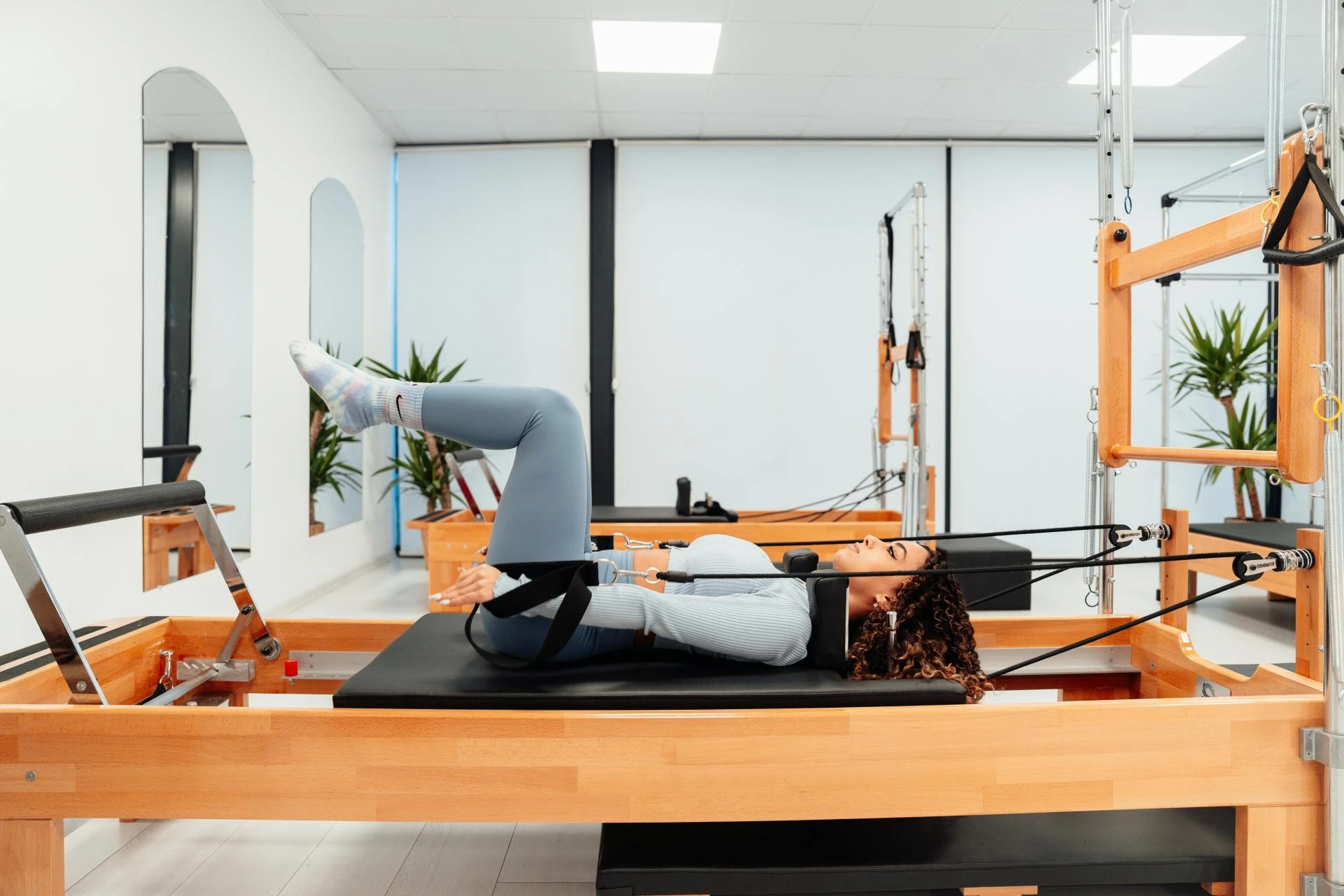
Could I get the same effect from the gym?
Usually, yes, if you choose the right intensity and timing.
Next step: try a lower-intensity session that ends well before bedtime and follow it with a short no-screen buffer.
In Melbourne, training late after peak hours can leave some people more wired—earlier sessions tend to be easier to sleep after.




























Sign in to leave a comment.