
Introduction
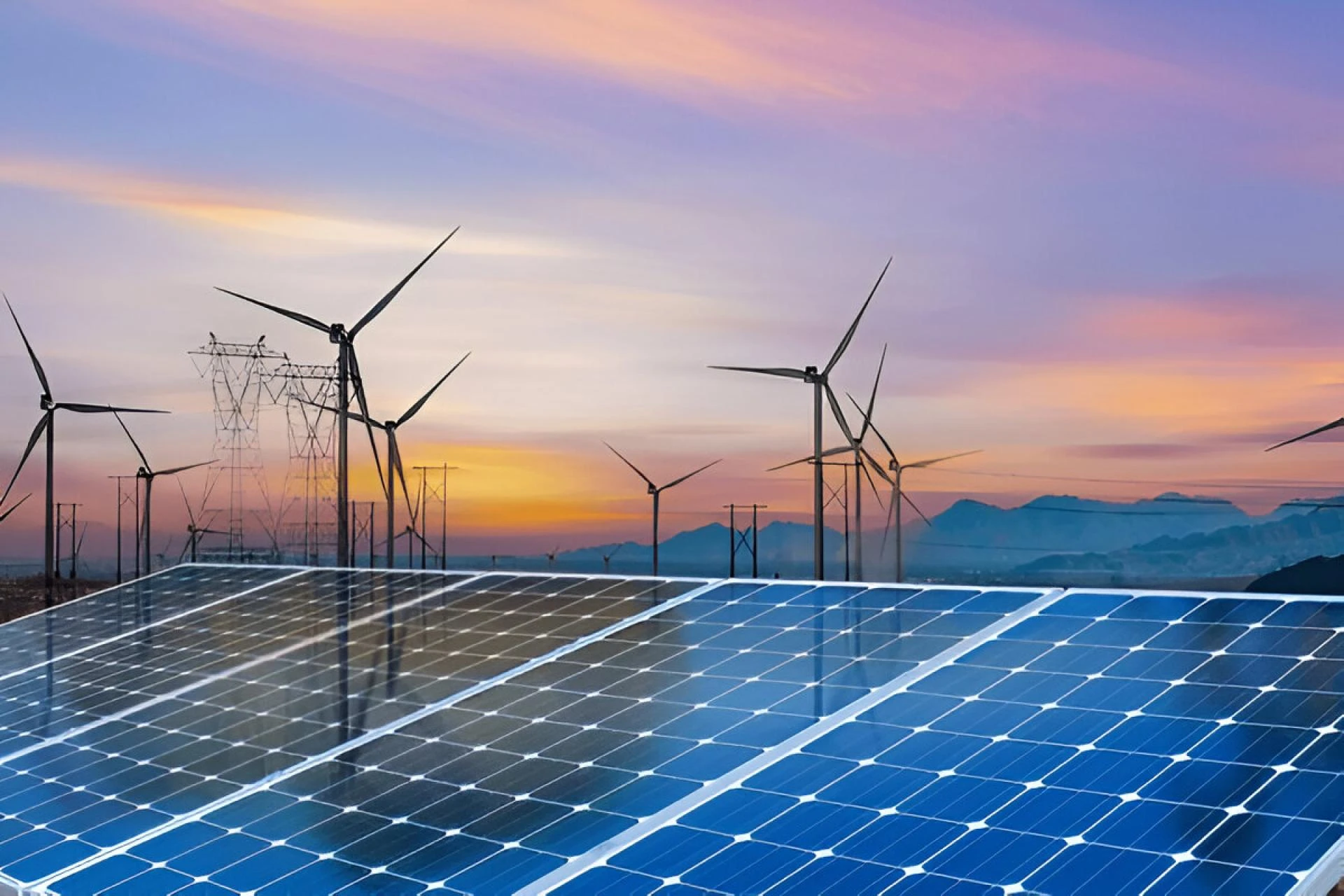
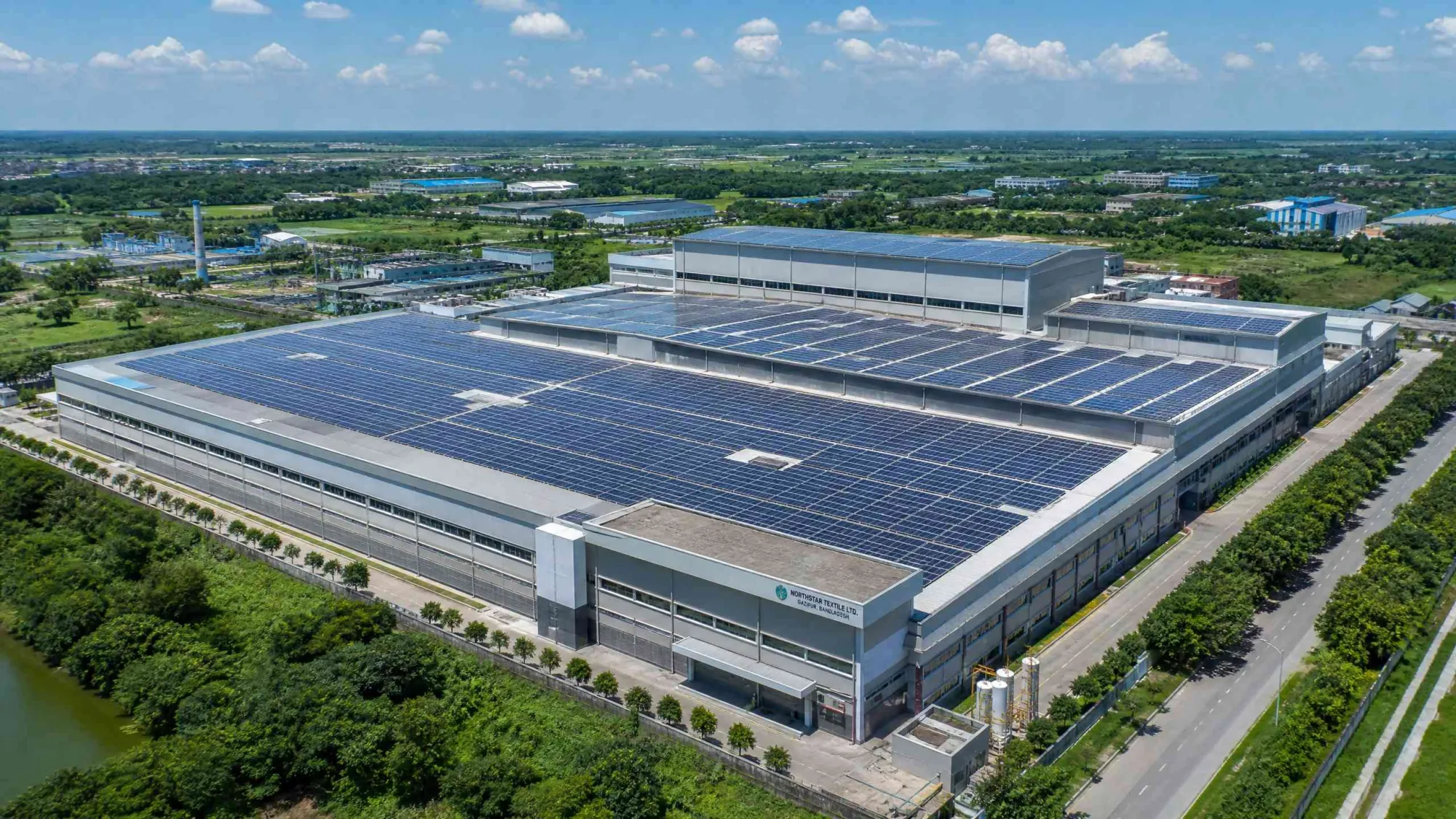
Most people think of solar as panels on rooftops. Homes, offices, small buildings. But the real growth is happening in factories, industrial zones, and open land. That’s where industrial solar power plant projects matter most.
Building one is not simple. It takes much more than buying panels and hiring a contractor. It needs planning, approvals, land, engineering, and long-term maintenance. Solar infrastructure companies handle these parts and make sure projects don’t fail.
Beyond the Panels: What Industrial Solar Actually Demands
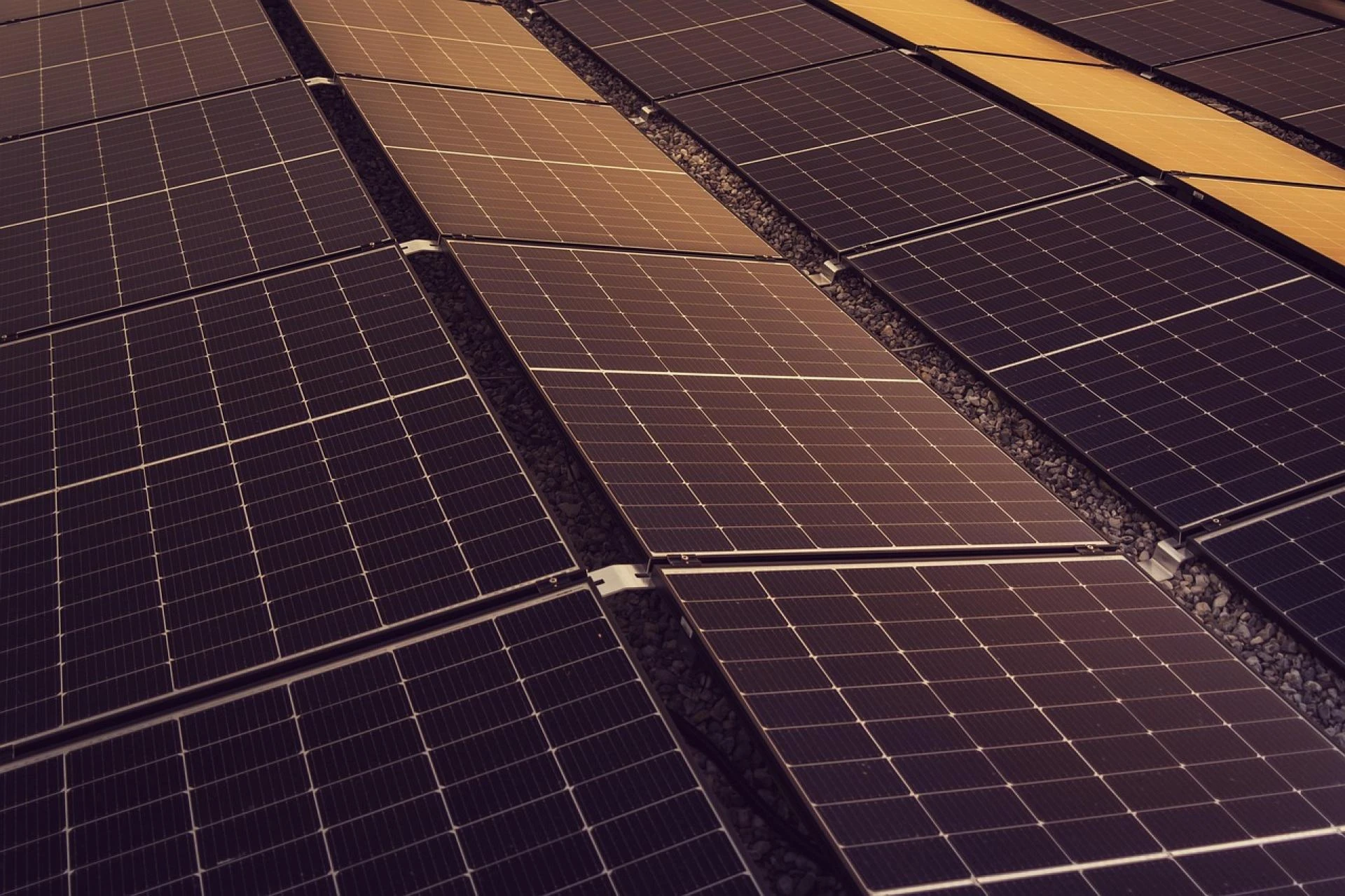
Panels are just one part. An industrial solar power plant is closer to a utility project. It needs strong foundations, long stretches of cabling, substation design, and grid connections. Even water drainage has to be designed properly. Miss any part and large amounts of power are wasted.
Solar infrastructure companies cover these details. Some manage engineering and construction. Some focus on grid or storage. The experienced ones bridge the gap between industrial clients, who care about cost and output, and utilities, who care about safety and grid stability. Without that, projects get delayed.
Why Industrial Clients Can’t Go Solo
Factory owners sometimes believe they can manage solar on their own. In practice, it rarely works. The approvals, land deals, and grid integration are more complex than expected.
Solar infrastructure companies bring expertise and also credibility. Regulators trust their track record. Banks prefer funding projects that carry their name. For industries, this lowers risk. And in large projects, reducing risk is more important than anything else.
The Overlooked Battle: Integration with Existing Systems
Connecting a solar plant to an old industrial system is not simple. Factories may have outdated switchgear or uneven demand. Solar produces only during the day, but industrial loads often run round the clock.
This mismatch is where infrastructure companies step in. They design hybrids, add storage where it makes sense, or arrange wheeling through the grid. Sometimes they even advise clients to build smaller plants than planned. It saves money in the long run.
A Subtle Point: Scale Doesn’t Always Mean Better
There is a race to build the biggest projects. But large capacity is not always useful. If the grid cannot absorb the power, much of it goes unused.
The best solar infrastructure companies focus on practical size. They design plants around real demand and grid readiness. Knowing when to stop is as important as knowing how to expand.
Solar in the Industrial Mindset
For industries, solar is mainly about cost control. Diesel is expensive and grid tariffs change often. A solar plant, once built, gives predictable pricing for decades.
Infrastructure firms understand this. They present solar as a financial decision. When a cement plant sees savings of 20 percent on power costs, sustainability becomes an added benefit.
The Hidden Politics of Land and Power
Large solar plants need land. Often this is semi-arid or rural land. Acquiring it, managing community concerns, and dealing with local rules is rarely easy.
Solar infrastructure companies manage these negotiations. Some projects succeed by creating jobs or supporting local electrification. Others face resistance and shift locations. This side of the work is not visible but it often decides success or failure.
Looking Ahead: The Role of Infrastructure Firms in an Evolving Grid
Grids are changing fast. Industries want more control over their power. Infrastructure firms will take a larger role in digital systems such as forecasting, predictive maintenance, and storage integration.
These companies are no longer just builders. They are partners. After building a 200 MW plant, the client still needs long-term support. Firms that handle both construction and operation will lead the market.
Final Thoughts
Building an industrial solar power plant is closer to creating a utility than installing rooftop panels.
Solar infrastructure companies manage integration, regulation, financing, and reliability. Without them, most industrial projects would not happen.
Not every company gets it right. Some focus too much on size or cut corners. But the reliable ones are the reason solar now powers serious industrial loads.
So when you see a factory running on solar, remember it was made possible not just by panels but by the firms that tied all the pieces together.
























Sign in to leave a comment.