
Understanding a movement in a controlled drill does not guarantee it will hold when conditions change. As soon as unpredictability is introduced, behavior shifts. After years of teaching adults in New York City, the same moment repeats. Attention moves away from the technique and toward managing the situation. That shift exposes how a student actually reacts.
Krav Maga classes in NYC are structured around that moment, where control begins to break and real behavior shows up.
What changes when pressure is introduced
The first change is not technical. It is behavioral.
Speed increases slightly or timing becomes less predictable, and responses begin to distort. Movements that looked clear a moment earlier become rushed or delayed. The issue is not understanding. It is how that understanding holds when the pace changes.
Rushing and hesitation both come from the same place. The situation is no longer stable, and the response has not adapted yet.
Why familiar movement replaces learned movement
Under pressure, the body does not search for the correct option. It defaults to what feels available.
If a movement has not been repeated enough, it drops out. Something simpler takes its place, even if it is less effective. That substitution creates inconsistency.
This is why a student can perform cleanly in one moment and lose structure in the next. The condition changed, and the response did not hold.
Where delay shows up in real time
Delay appears in small pauses. A fraction of a second where the student tries to decide instead of acting.
That pause is enough to disrupt timing. Once timing is off, the rest of the response follows.
The goal in training is not to remove thinking. It is to shorten that gap so recognition leads directly into action.
How patterns in decision making become visible
Pressure makes patterns easier to see. Some responses lean toward avoidance. Others push forward too quickly. Some try to control too many variables at once.
These are not random mistakes. They are consistent tendencies.
Once visible, they can be adjusted. The focus shifts from fixing individual errors to changing how decisions are made under pressure.
Why the NYC environment shapes the training
Space, pace, and density change how situations develop.
In a city environment, distance closes quickly and attention is divided. There is less time to adjust and fewer clean moments to reset.
Training reflects that. Pressure is not added as a separate element. It is built into how drills are structured from the beginning.
How instructors adjust based on behavior
Instruction changes in response to what shows up.
If movement becomes rushed, the pace is reduced until control returns. If hesitation appears, pressure is increased in smaller increments to bring the response forward.
This is not about correcting form in isolation. It is about aligning behavior with the situation.
Programs such as Krav Maga Experts follow this approach, where observation drives the adjustment rather than a fixed sequence.
A moment where control breaks and resets
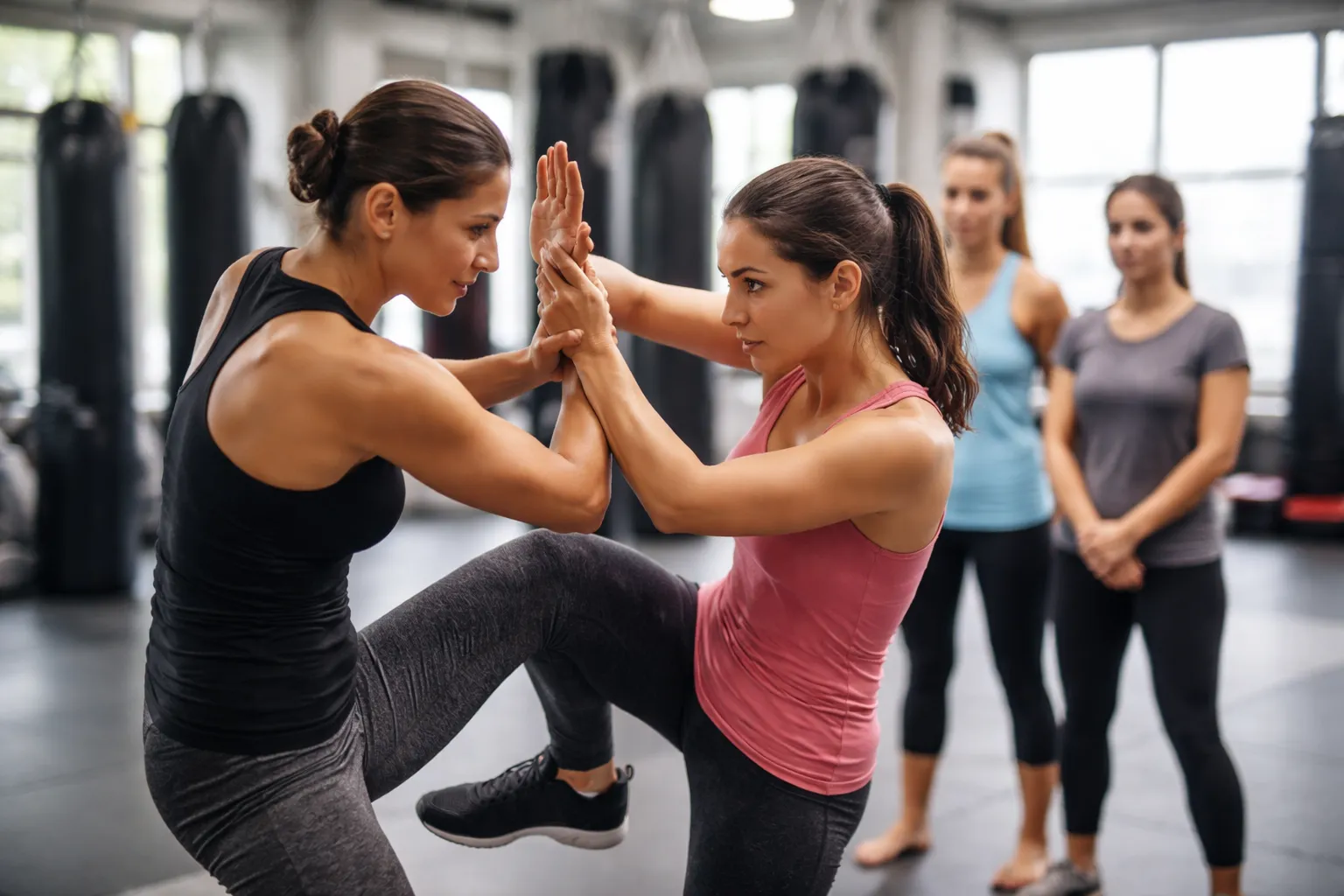
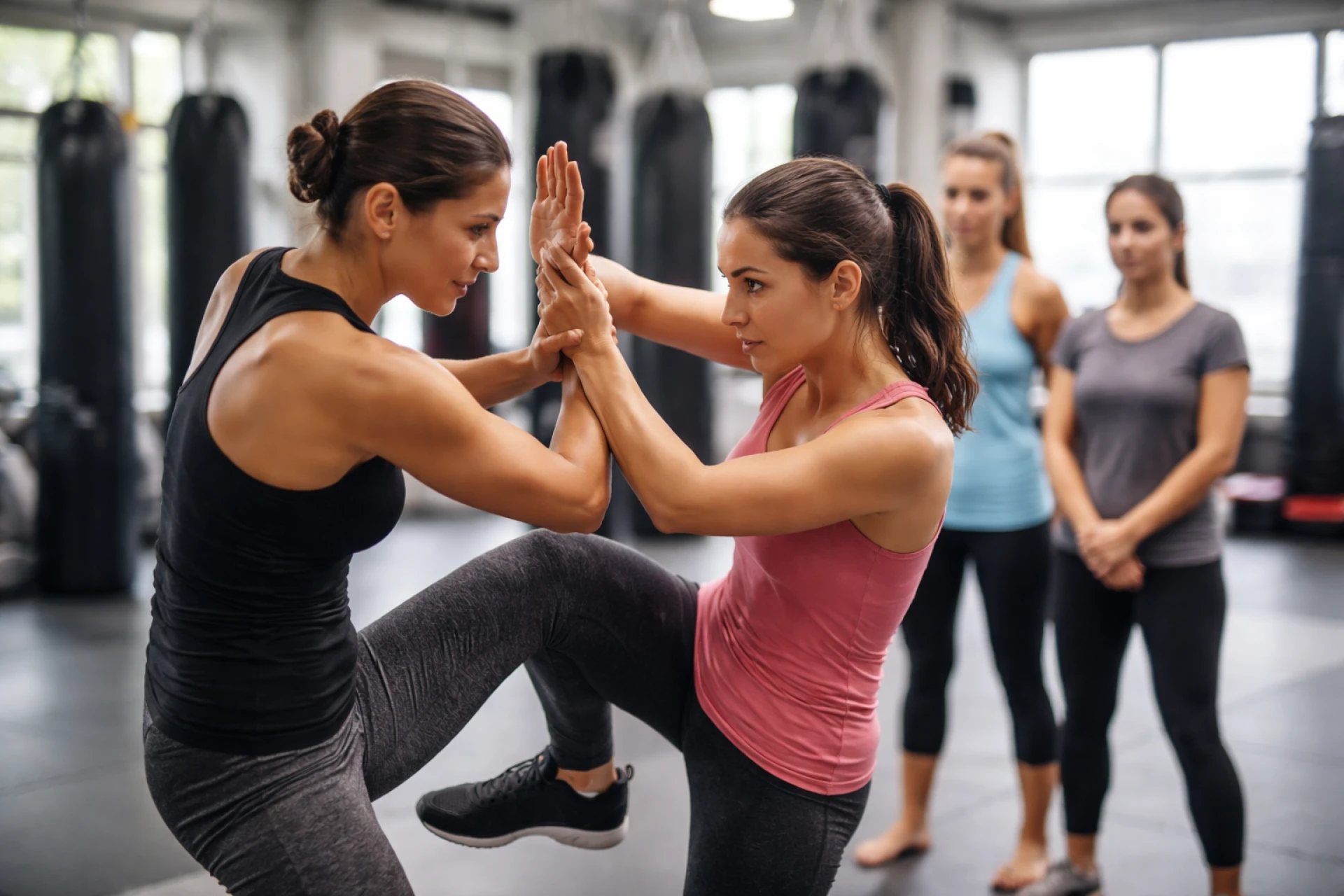
Two students work through a structured exchange. The sequence is clear at first. As speed increases, one accelerates beyond control while the other pauses to think.
The interaction loses timing. Neither response connects.
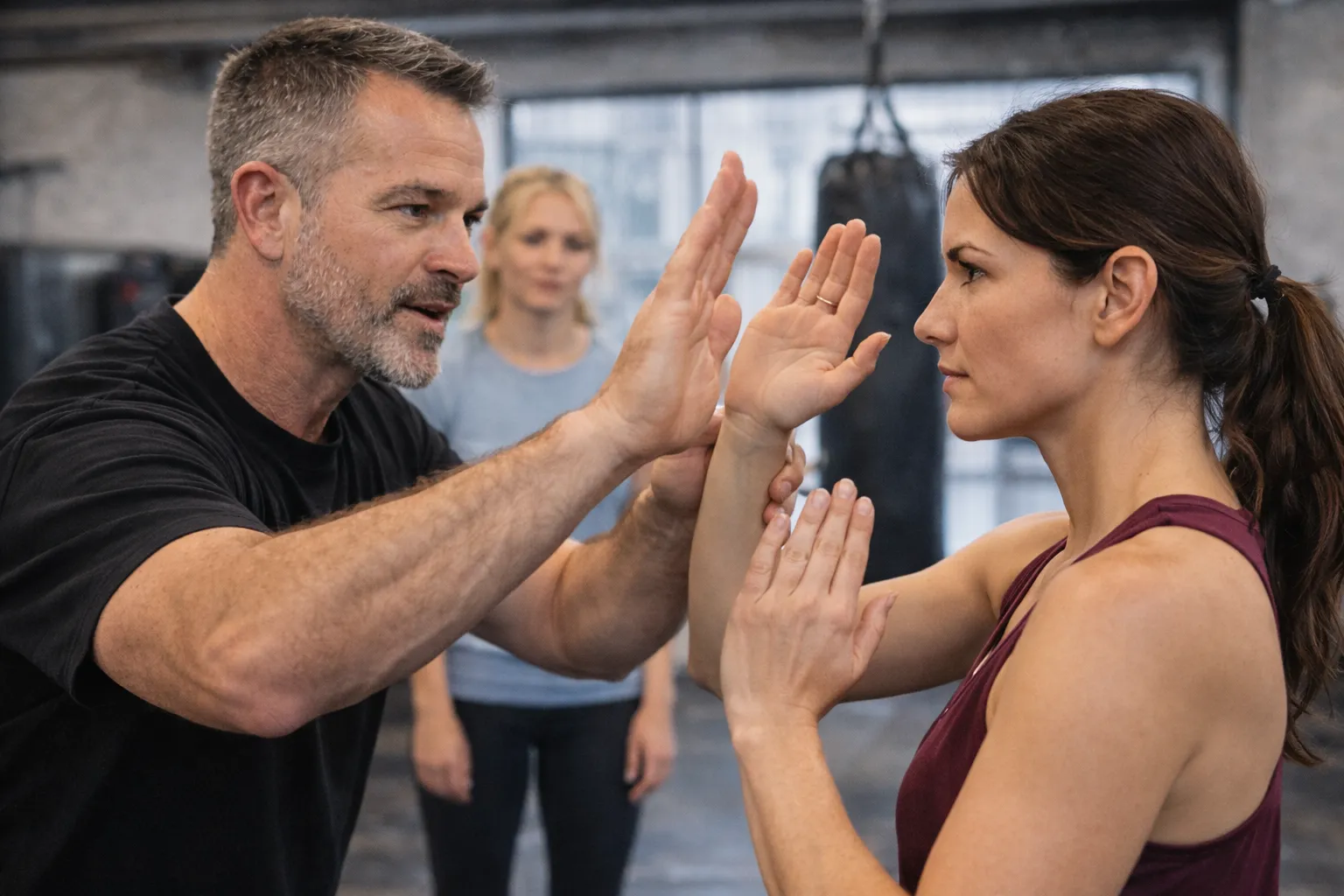
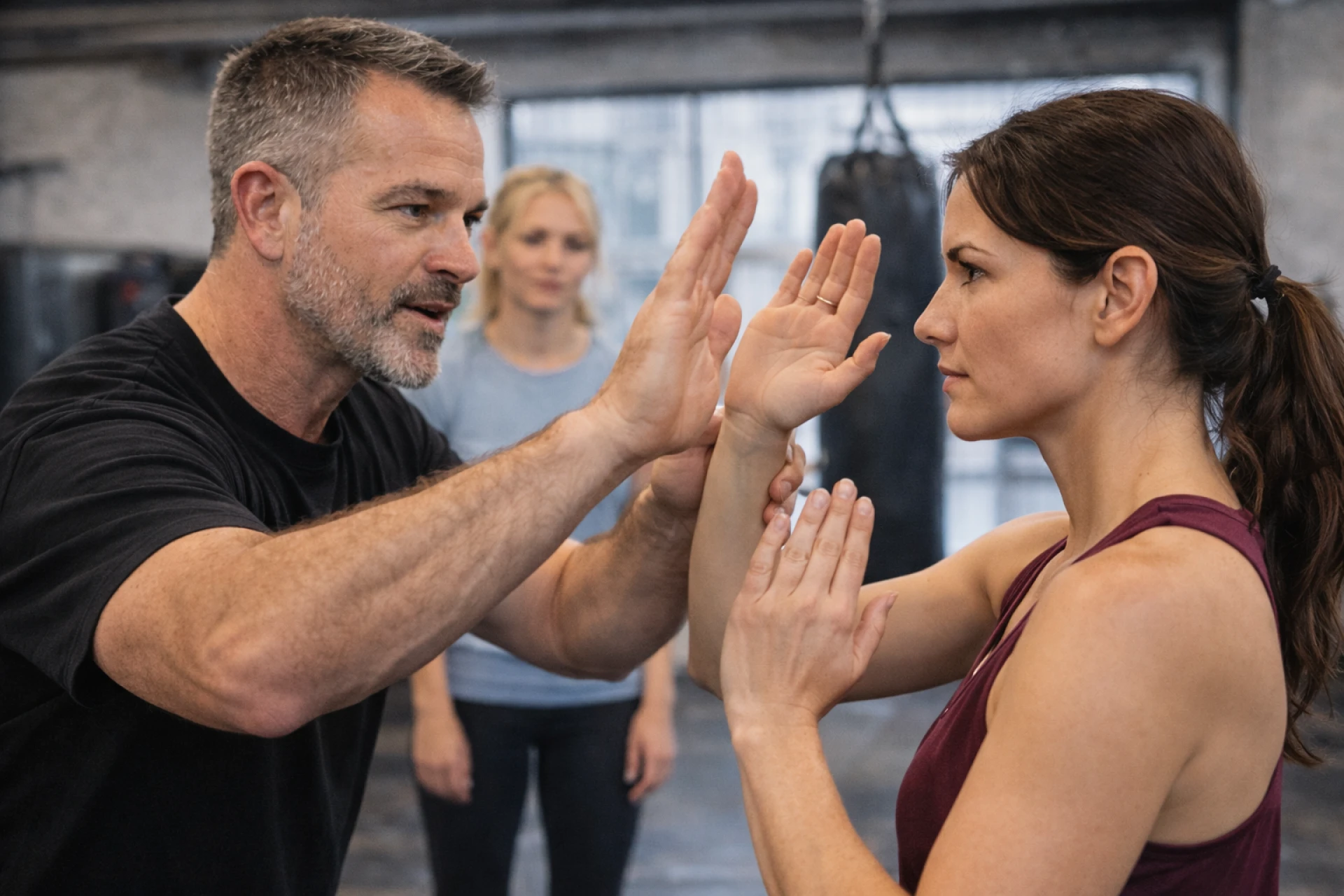
The instructor steps in, resets the pace, clarifies the objective, and rebuilds the exchange with controlled pressure. The correction is not about doing it perfectly. It is about restoring a response that holds as conditions change.
For those new to this environment, reviewing things you should know about Krav Maga helps explain why these adjustments are constant.
When responses begin to stabilize
Consistency appears when the response no longer depends on ideal conditions.
Movement becomes more controlled. Decisions happen with less delay. The same pattern holds even when timing shifts.
This does not come from adding more techniques. It comes from applying the same response across changing conditions until it remains stable.
Where this carries outside the training space
Behavior under pressure does not stay inside the class.
If hesitation remains, it shows up elsewhere. If responses are inconsistent, that carries over.
Training focuses on reducing that variability. The goal is a response that holds when the situation changes, not one that works only in controlled conditions.
FAQs
Why does performance change under pressure
Because timing and predictability shift, and the response has to adjust in real time.
Is hesitation part of the process
Yes. It shows where the response is not yet stable.
How do instructors address inconsistency
By adjusting pressure and pacing to match how the student is reacting.
Does experience remove pressure
No. It changes how the response holds under it.
What should a beginner focus on
Clear response and timing, not speed.

























Sign in to leave a comment.