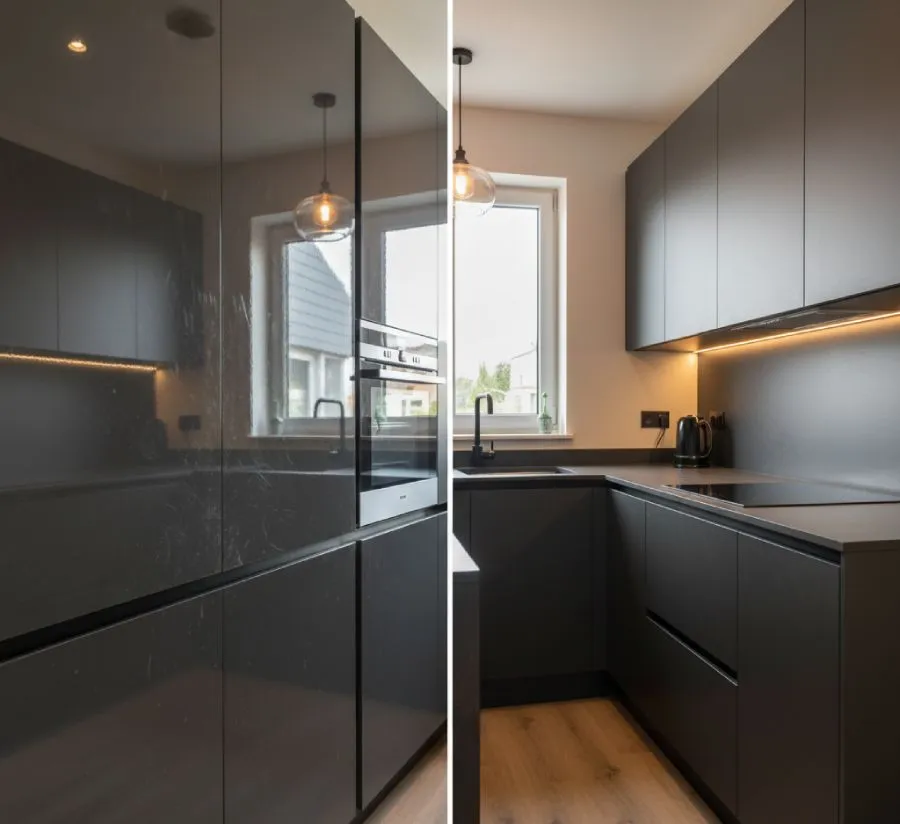

Planning a kitchen sounds exciting—until small mistakes start showing up after installation. Many homeowners realize too late that a few overlooked decisions can affect daily comfort and usability. The good news is that most of these issues are avoidable with a little awareness and planning.

Ignoring How You Actually Use the Kitchen
One of the biggest mistakes is designing a kitchen based on trends instead of daily habits. A layout that looks great may not suit your routine.
Before finalizing anything, think about how often you cook, what you use most, and how you move while working. A kitchen built around real usage always performs better.
Choosing Style Over Function
It’s easy to get carried away with colors, finishes, and modern designs. But if the kitchen isn’t functional, even the best design won’t feel right.
Make sure there is enough workspace, proper storage, and smooth movement. Function should always come first.
Poor Storage Planning
Many kitchens end up cluttered simply because storage wasn’t planned properly.
Not having enough drawers, cabinets, or organized sections makes it harder to keep things in place. Good storage design helps maintain a clean and efficient kitchen.
Not Paying Attention to Hardware
Hinges, channels, and handles are often overlooked, but they play a big role in daily use.
Low-quality hardware can lead to frequent repairs and inconvenience. Investing in good-quality fittings ensures long-term comfort and durability.
Lack of Proper Lighting
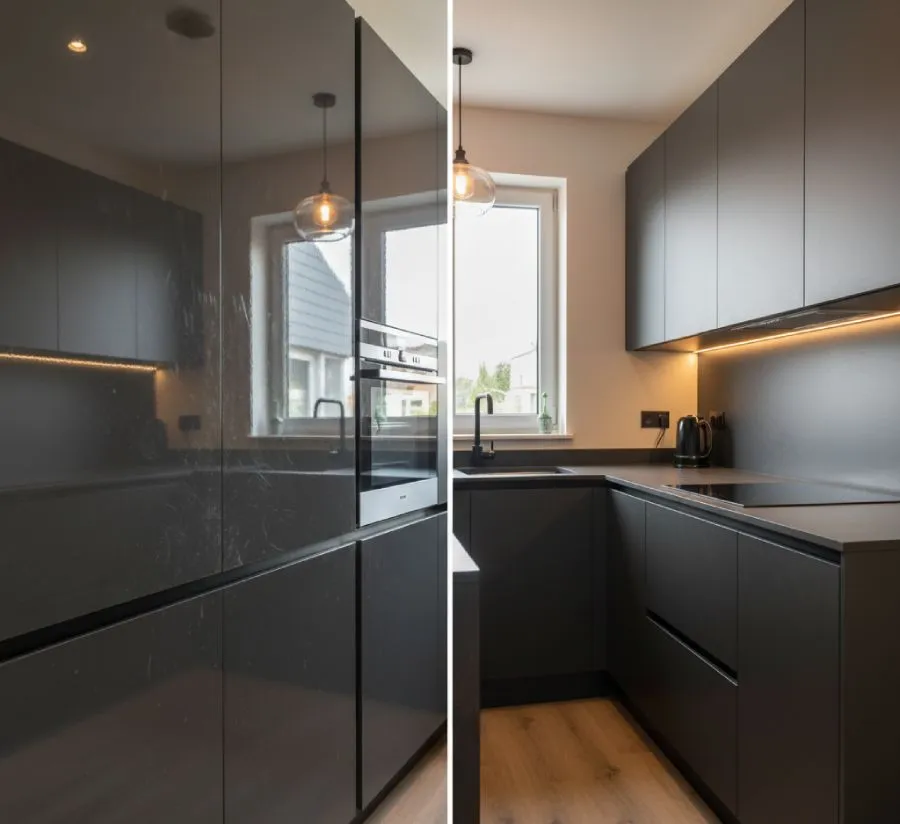
A poorly lit kitchen can make even simple tasks difficult. Relying on a single light source is not enough.
A combination of ceiling lights and task lighting improves visibility and makes the space more comfortable to use.
Ignoring Ventilation
Cooking generates heat, smoke, and moisture. Without proper ventilation, the kitchen can feel uncomfortable and difficult to maintain.
Installing a good chimney or exhaust system helps keep the space fresh and reduces cleaning effort.
Rushing the Planning Process
Many mistakes happen simply because decisions are made too quickly.
Taking time to plan layouts, materials, and storage can prevent long-term issues. A well-thought-out kitchen always performs better.
Conclusion
Avoiding common kitchen mistakes is all about careful planning and practical thinking. By focusing on real usage, proper storage, quality materials, and good lighting, you can create a kitchen that works smoothly every day.
A little extra attention during planning can save a lot of time, money, and frustration later.
































Sign in to leave a comment.