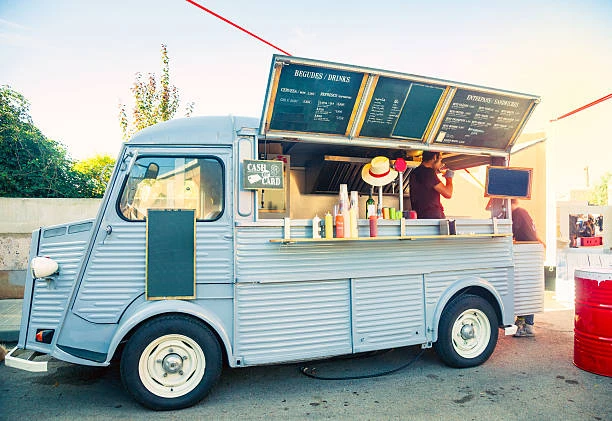

You know what? Starting a food trailer business is wild. One day you're dreaming about serving killer street tacos, next thing you're knee-deep in equipment catalogs wondering if you really need that triple-compartment sink or if two will do.
But here's something most people miss when they start planning their mobile food setup—your trailer isn't just where you cook. It's your storefront, your marketing, your whole vibe rolled into one. And getting it custom-built? That's where the magic happens. When I started looking into food trailer manufacturers near me in Minnesota, I realized pretty quick that the generic options just weren't gonna cut it for what I had in mind.
Figure Out What Your Brand Actually Is
Okay, so this sounds basic but stick with me. Too many folks skip this part and jump straight to picking out fryers and griddles. Bad move.
Sit down. Really think about it. What's your food's personality? Are you the "farm-to-table, locally-sourced" type? Or maybe you're more "loaded fries at 2 AM after the bars close"? Because a trailer selling organic açai bowls better look different than one slinging Nashville hot chicken.
Colors matter. Your logo matters. Even the fonts you pick—yeah, fonts—they all tell customers what to expect before they've taken a single bite.
The Layout Thing Nobody Talks About Enough
Real talk? A poorly designed trailer will make you want to quit after one busy Saturday.
I've seen trailers where the service window is on the opposite side from the prep area. Absolute chaos. You're basically running a marathon just to hand someone a burger. Or the equipment's placed so awkwardly you're constantly doing this weird sideways shuffle to get around.
Map it out on paper first. Actually walk through the motions. Where are you prepping? Cooking? Plating? Taking orders? Your workflow should feel smooth, not like you're playing Tetris with hot oil involved.
And storage—oh man, you need way more than you think. Underneath, overhead, everywhere. Otherwise you're making supply runs every four hours.
Equipment: Less is Actually More Sometimes
Here's where people go overboard. They want every gadget, every appliance, thinking it'll give them more menu options.
Wrong.
More equipment means more weight (trailers have limits), more electrical demands, more maintenance, more things that can break down during your busiest service. Plus, you're paying for space you might not even use.
Stick to what your menu genuinely needs. Build around your core offerings. You can always add later if business takes off, but starting with a bloated setup? That's a recipe for headaches.
Make People Want to Take Pictures
Social media runs this game now whether we like it or not. Your trailer needs to photograph well because customers will post about it. Free marketing, basically.
Bold colors work. Murals work. Weird quirky details that make people go "oh that's cool" work. One trailer I saw had string lights and a chalkboard menu that looked perfect in evening photos. Another went full modern with clean lines and a minimalist logo. Both killed it because they committed to their aesthetic.
Don't be boring. Boring doesn't get shared.
Finding a Builder Who Gets It
Not every manufacturer understands food service. Some are just welding trailers together without thinking about grease traps, ventilation, or how health inspectors will scrutinize every detail.
When you're checking out concession trailer manufacturers, ask real questions. How many food trailers have they done? Can you talk to past clients? Do they know your local health codes? Will they help with permitting paperwork or just hand you keys and wish you luck?
The right builder will challenge your ideas when something won't work. That's what you want. Someone invested in your success, not just making a sale.
The Boring Stuff That'll Save Your Butt Later
Yeah, designing your wrap and picking equipment is fun. What's not fun? Failing inspections because your electrical isn't up to code.
Get proper ventilation—not just something that kinda works. Real, commercial-grade hood systems. Make sure your plumbing meets requirements. Triple-check your propane setup if you're using gas. And for the love of everything, get the right permits before you start operating.
Fixing this stuff after the fact costs double. Maybe triple. Do it right the first time even if it's tedious.
What This'll Actually Cost You
Let's not dance around it—custom food trailers are expensive. You're probably looking at anywhere from twenty grand to way over six figures depending on size and how fancy you go.
But think of it like this: it's your business. Your income source. Cheaping out now might mean constant repairs, lost revenue from breakdowns, or worse—having to rebuild the whole thing in a year.
Finance it if needed. Save longer if you have to. Just build something solid that won't fall apart on you.
Bottom Line
Building a custom food trailer that actually represents your brand isn't just about looks or equipment specs. It's about creating something that works for YOU—your workflow, your menu, your style, your business goals.
Take your time. Visit operating trailers and ask owners what they'd change. Test your layout on paper. Don't let anyone rush you into decisions.
And when you finally pull up to your first event with your custom rig? When people start lining up because your trailer caught their eye? That's when you'll know you did it right.
Now get out there and build something awesome.

























Sign in to leave a comment.