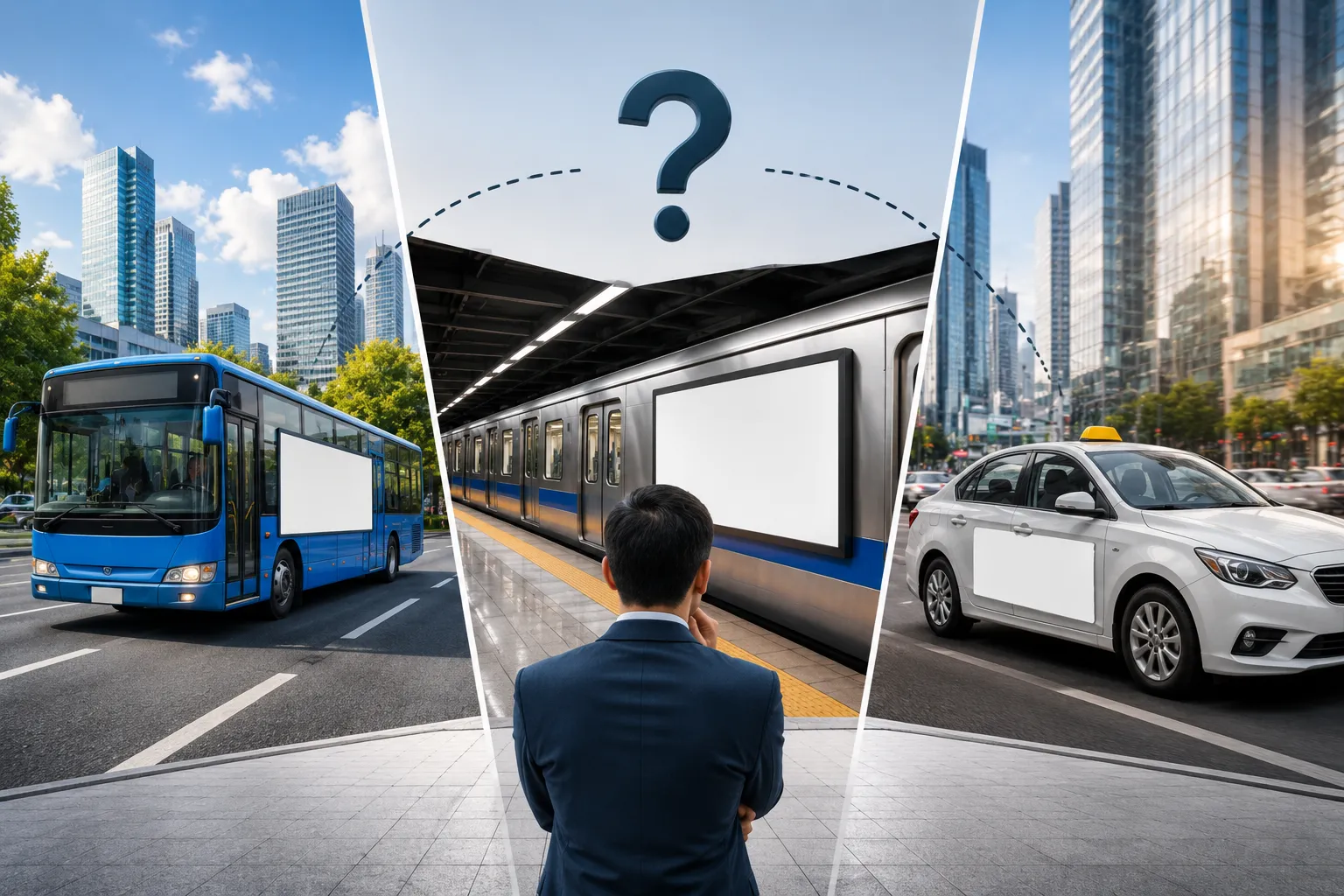

With increasing competition in the advertising space, brands are constantly looking for effective ways to reach their target audience. Transit-based promotions have become a powerful option, offering high visibility in urban environments where people are always on the move. However, choosing between bus, metro, and cab advertising can be challenging, as each format offers unique advantages. Understanding their differences and aligning them with your campaign goals can help you make the right decision and maximize your marketing impact.
Understanding Transit Advertising and Its Value
Transit advertising refers to placing ads on or within public transportation systems such as buses, metro trains, and cabs. It allows brands to reach a large number of people in their daily commuting environments. Transit advertising is particularly effective in cities where public transport usage is high, as it ensures continuous exposure across multiple locations.
By leveraging movement and repetition, this form of advertising helps brands stay visible and relevant throughout the day, making it a strong choice for businesses aiming to build awareness.
Bus Advertising: Broad Reach Across the City
Bus advertising is one of the most widely used formats due to its extensive coverage. Buses travel through various routes, connecting residential areas, commercial hubs, and local markets. This makes them ideal for brands looking to achieve widespread exposure within a city.
Key advantages of bus advertising:
- Covers both high-traffic and interior city areas
- Offers large ad spaces for better visibility
- Reaches a diverse audience across different locations
- Cost-effective for mass awareness campaigns
This format works well for brands aiming to create strong visibility across multiple neighborhoods.
Metro Advertising: Targeting Urban Commuters
Metro advertising is highly effective in metropolitan cities where large numbers of people rely on metro systems for daily travel. Unlike buses, metros operate on fixed routes and schedules, providing consistent exposure to a specific audience segment.
Metro campaigns can include station branding, platform displays, train wraps, and in-train advertisements. Since commuters spend time waiting and traveling, they are more likely to notice and engage with ads. This makes metro advertising a great option for brands targeting working professionals, students, and urban consumers.
Cab Advertising: Flexible and Mobile Visibility
Cab advertising offers a unique advantage by combining mobility with flexibility. Unlike buses and metros, cabs are not restricted to fixed routes, allowing them to move freely across different parts of the city. This helps brands reach a wider audience across multiple locations.
Cab ads can be placed on the exterior or inside the vehicle, ensuring visibility to both pedestrians and passengers. This format is particularly useful for brands that want to maintain consistent presence in high-traffic areas while also extending their reach beyond specific routes.
Comparing Bus, Metro, and Cab Advertising
Each transit advertising option serves different purposes, and the right choice depends on your campaign objectives.
Bus advertising is ideal for wide city coverage and reaching diverse audiences. Metro advertising works best for targeting urban commuters in specific locations. Cab advertising is suitable for brands looking for flexible, multi-location exposure.
Factors to consider when choosing:
- Target audience and their commuting habits
- Geographic coverage required
- Budget and campaign duration
- Type of message and creative format
Evaluating these factors helps in selecting the most effective medium for your campaign.
When to Combine Multiple Transit Options
In many cases, brands achieve the best results by combining different transit advertising formats. For example, using buses for widespread reach, metros for targeted urban exposure, and cabs for flexible coverage can create a well-rounded campaign.
This integrated approach ensures that the brand message is visible across multiple touchpoints, increasing the chances of engagement and recall.
Aligning Advertising Choice with Business Goals
The effectiveness of transit advertising depends on how well it aligns with your overall marketing strategy. For brand awareness campaigns, bus and cab advertising can deliver extensive reach. For targeted messaging, metro advertising may provide better results.
By clearly defining your goals and understanding the strengths of each format, you can create a campaign that delivers maximum impact.
Conclusion
Choosing between bus, metro, and cab advertising depends on your brand’s objectives, target audience, and budget. Each format offers unique benefits, from wide coverage to targeted exposure and flexible reach. By carefully evaluating your needs and selecting the right combination, you can make the most of transit advertising and achieve strong visibility in competitive markets.





























Sign in to leave a comment.