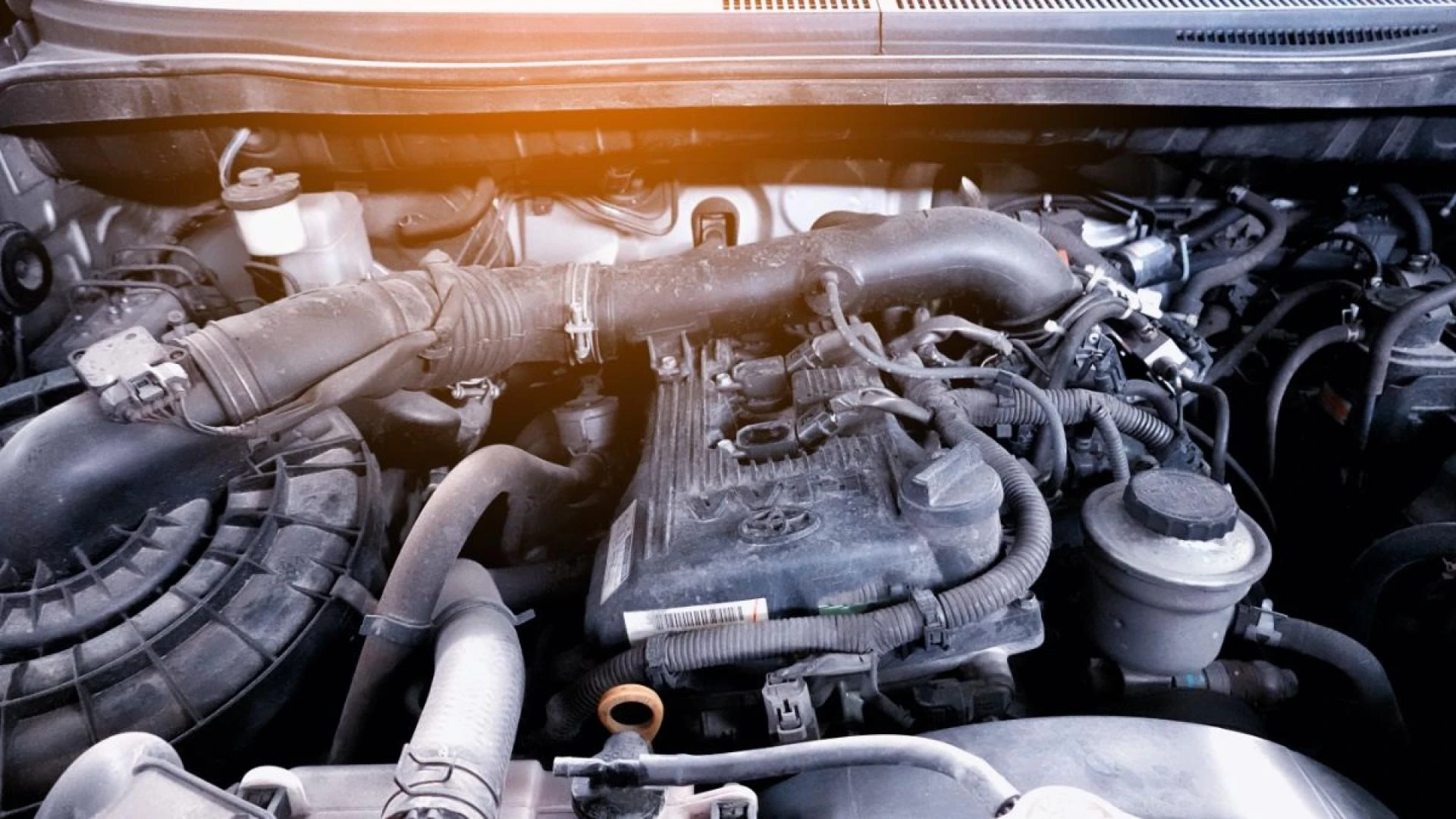

Your engine generates a great deal of heat. It is fortunately kept from getting too hot by coolant. While flowing through and around the engine, the coolant gathers up heat and transmits it to the radiator.
As coolant moves in the direction of the radiator, it enters tubes. The rows of tubes are filled with air that is pumped through them as the car moves, cooling the coolant as it does so. In order to prevent the engine from overheating, the heat is then dispersed through the car's grille before the coolant is injected. If the radiator can remove heat quickly enough to keep the coolant working properly, the engine can continue to run without overheating. Here are some suggestions for selecting the best car radiator.
Check For Leaks
Coolant leaks are risky in addition to being annoying. Antifreeze is incredibly dangerous and has claimed the lives of numerous home pets. If you notice a leak, it might not be necessary to replace your radiator entirely. Older hoses are typically to blame for leaks, but other uncommon factors like cracked radiators or failed water pumps can also result in leaks. While a leak signals a problem, you should also examine your hoses because any issue with the cooling system could result in a loss of pressure and a leak.
Copper-Brass Against Aluminum
Although aluminum radiators are able to cool an engine more effectively than copper-brass ones, copper is a greater heat conductor than aluminum. This is mainly due to the fact that no radiator is built of pure copper; instead, it is a copper-brass alloy, which has a lower heat conductivity. Since copper is not a very robust metal, brass is chosen instead. A copper-brass radiator will typically have copper fins but brass soldering points and a brass frame. The heat conductivity of brass is significantly lower than that of copper or aluminum.
While aluminum can be made thinner, wider tubes can fit into the same space. You can increase air flow and cooling effectiveness by using broader tubes.
CrossFlow Against Downflow
A crossflow radiator and a downflow radiator can be distinguished from one another by the angle at which their fins point. While a downflow radiator's fins run up and down, a crossflow radiator's run left to right. Coolant enters a downflow radiator from the top and flows downward until it leaves through the bottom outlet. Coolant in crossflow radiators moves from the inlet side to the outlet side horizontally. In general, crossflow radiators cool more effectively. They also fit smaller hood spaces better. Many vintage automobiles had downflow radiators. It will be challenging to put a crossflow radiator into a space that has been designed for a downflow radiator.
Key Takeaway
Few things can ruin a weekend vacation more than an overheated engine, whether it's the smell of hot coolant spraying all over your engine compartment or the sight of steam coming from the hood (or puddled below your vehicle). We strongly advise you to avoid this issue, and you can do so by making sure your car has a strong, functional radiator.

























Sign in to leave a comment.