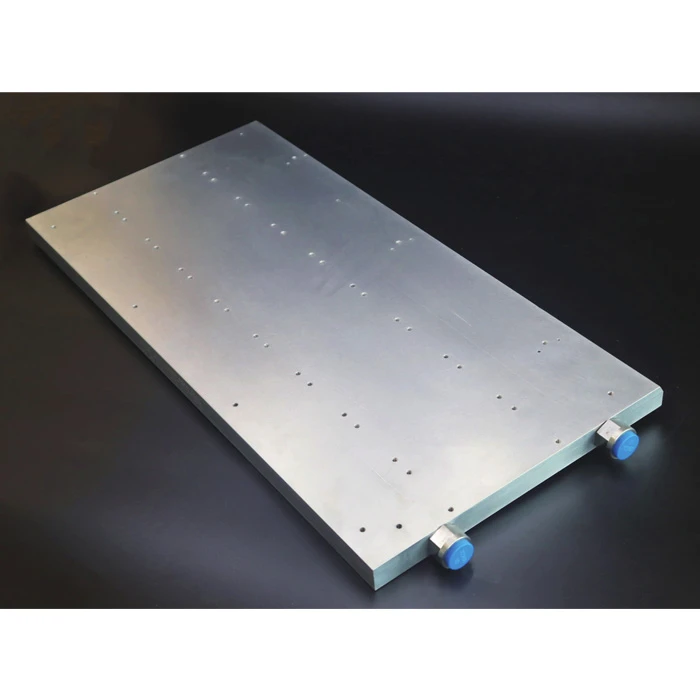

In the evolving landscape of high-power electronics, efficient thermal management is no longer a luxury—it’s a core requirement. Whether you're designing an industrial motor drive, an electric vehicle inverter, a wind energy converter, or a high-voltage power supply system, you’re likely working with IGBT (Insulated Gate Bipolar Transistor) modules. Capable of switching large voltages and currents with remarkable speed and efficiency, IGBT modules are the heartbeat of many energy conversion systems. But this power comes with a significant caveat: heat generation. And to manage that heat efficiently, nothing outperforms a well-designed IGBT liquid cold plate.
At Tone Cooling Technology Co., Ltd., we specialize in advanced thermal management solutions engineered to meet the demands of today’s high-performance electronic systems.
What is an IGBT Liquid Cold Plate?
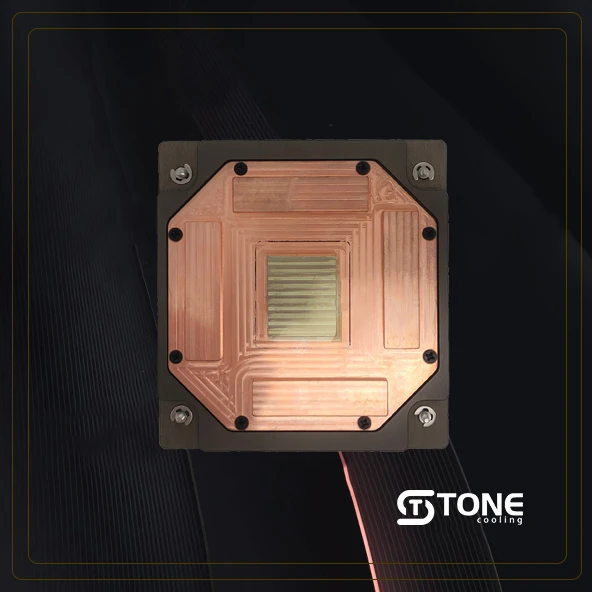
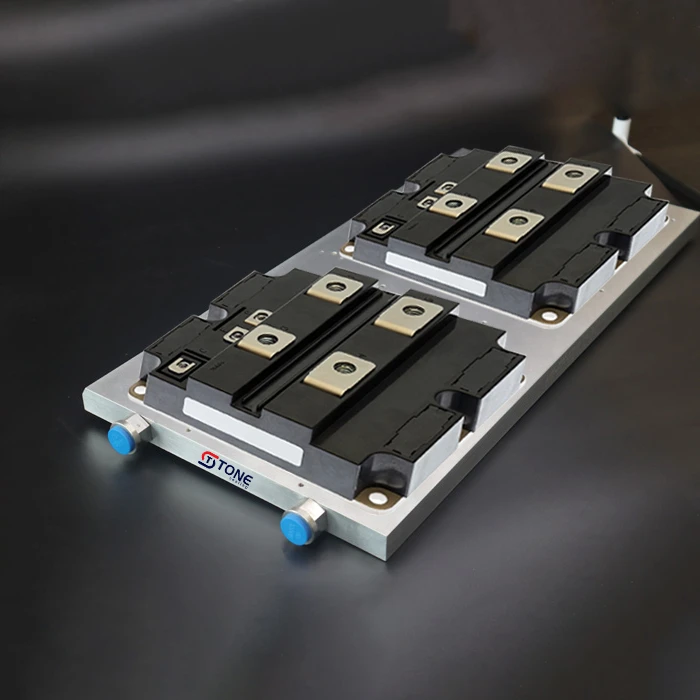
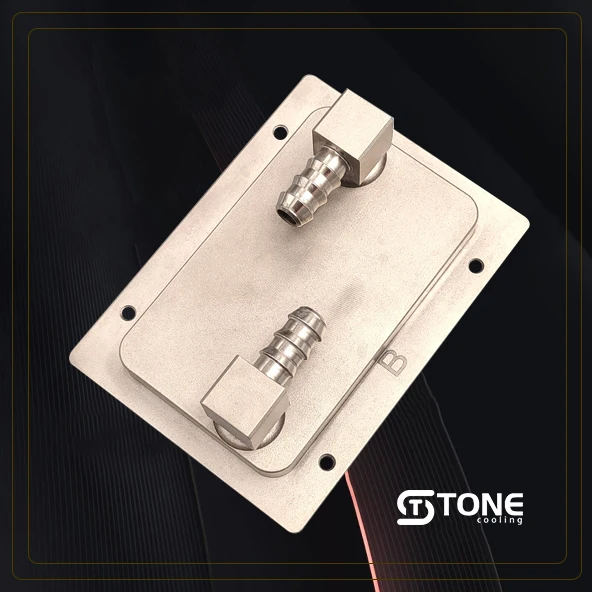
An IGBT liquid cold plate is a specialized thermal management device designed to dissipate heat generated by IGBT modules. Unlike standard heat sinks or air-cooled solutions, a liquid cold plate utilizes circulating coolant—usually water or a water-glycol mixture—to transfer heat away from the module to a remote radiator or chiller.
The result is a highly efficient, compact, and cost-effective temperature control method for medium to high-power electronics.
Why IGBT Modules Require Advanced Thermal Management
IGBTs are the go-to semiconductor devices for high-power switching, combining the fast switching of MOSFETs with the high voltage capabilities of BJTs. However, their efficiency drops drastically when operating at elevated temperatures. Even a slight thermal imbalance across an IGBT module can cause thermal stress, trigger premature failure, reduce energy efficiency, and, in worst-case scenarios, initiate a thermal runaway condition.
Here are a few thermal constraints engineers face with IGBT modules:
- Power losses as heat: Typically, 1–3% of the switched power is converted into heat.
- Thermal limits: The junction temperature of IGBTs must be kept below ~150°C.
- Uneven temperature spike: Uneven heat spread reduces module life expectancy.
- High current densities: Peak operation periods create thermal stress hotspots.
This makes liquid cooling—through high-performance IGBT liquid cold plates—not just advantageous, but essential for critical installations.
Key Considerations When Choosing an IGBT Liquid Cold Plate
Not all cold plates are created equal. Depending on your application, power density, space constraints, and coolant availability, your requirements may vary significantly. Below are the key factors to evaluate when selecting a high-performance IGBT liquid cold plate:
1. Thermal Performance (Thermal Resistance, W/°C)
One of the most critical parameters is the cold plate's thermal resistance. A lower thermal resistance ensures faster and more effective heat dissipation from the IGBT's baseplate to the coolant.
What to Look For:
- Cold plates with <0.02°C/W for high-power modules.
- High-performance fin designs or microchannels for improved heat transfer.
- Uniform thermal distribution across the plate's surface.
2. Flow Path Design (Parallel, Serpentine, or Microchannel)
The internal flow structure impacts how effectively liquid circulates under the IGBT modules.
Types of Flow Channels:
- Serpentine Designs: Long flow paths with great heat absorption; best for targeted areas.
- Parallel Channels: Consistent flow over the whole surface; minimizes pressure drop.
- Microchannel Cold Plates: High-density fins or etched channels; provide superior surface area for cooling.
- Selection Tip: For high-power IGBTs, microchannel or high-turbulence structures improve turbulence and thermal transfer with minimal flow restriction.
3. Mounting Compatibility (Standardized vs. Custom Design)
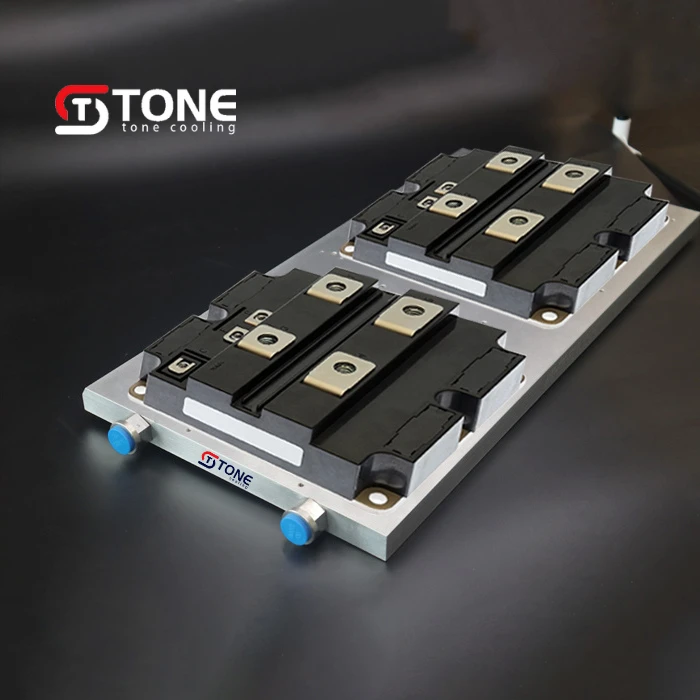
IGBT modules from manufacturers like Infineon, Mitsubishi, Fuji, and Semikron often have standardized mounting footprints. However, tightly integrated systems sometimes demand custom plate configurations.
Factors to Confirm:
- Mounting hole alignment
- Surface flatness (±0.05 mm for precision mounting)
- Contact surface finish (<10 µin RA)
4. Coolant Type Compatibility
Different applications may circulate different coolants such as pure water, deionized water, glycol mixtures, or dielectric fluids.
Consider:
- Corrosion Resistance: Choose anodized or electroplated cold plates for water-based coolants.
- Flow Rate Requirements: Ensure your pump can handle pressure drop and fluid volume.
- Chemical Compatibility: Avoid incompatible materials that degrade over time.
Note: Tone Cooling Technology Co., Ltd. offers corrosion-resistant coatings and sealed cold plates tested for long-life operation with various coolants.
5. Pressure Rating and Leak Protection
Cold plates used in automotive or aerospace applications may be subjected to high vibration and pressure fluctuations. For this reason, leak-proofing and pressure testing are non-negotiable.
Tests and Certifications to Seek:
- Burst Pressure >30 bar
- High-pressure leak test (helium or water)
- ISO 9001 / IATF 16949 certification for automotive uses
6. Operating Environment: Shock, Vibration, Fail-safety
A robust mechanical design is vital in applications such as:
- Railway traction systems
- Electric aircraft systems
- Maritime propulsion systems
Choose cold plates with reinforced structures, shock absorbers, or vibration isolation pads in high-impact fields.
7. Lifecycle Cost: Maintenance and Reliability
Over the lifespan of an IGBT converter (typically 10–25 years), reliability matters more than the initial cost. Corrosion, coolant incompatibility, and clogged flow paths can lead to long-term inefficiencies.
Tone Cooling Tip: Opt for anti-corrosion coatings, filterable inlets, and modular replaceable parts to extend lifecycle utility and reduce maintenance time.
Applications Requiring High-Performance IGBT Liquid Cold Plates
Modern applications that demand outstanding thermal management include:
-Electric Vehicles (EVs and HEVs)
Inverters, converters, and battery cooling require precision, compact cold plates for efficient power electronics operation.
-Solar and Wind Power Inverters
IGBT Cold plates ensure long lifespan and reduced maintenance of field-mounted IGBT modules.
-Industrial Automation Systems
From robotic welding to high-frequency drives, reliable heat removal helps ensure operational uptime.
-Aerospace and Defense Electronics
Space-constrained and high-altitude systems require sub-ambient cooling and vibration-resistant design.
-Railway Traction Technology
Locomotive power control modules operate under intense thermal and mechanical stress.
Tone Cooling Technology Co., Ltd: Your Trusted Partner in IGBT Cooling
At Tone Cooling Technology Co., Ltd., our cold plates are engineered with performance, durability, and customization in mind. We offer:
- Standard Cold Plates: Ready-to-use for all major IGBT brands
- Custom Designs: Based on footprint, flow rate, or application-specific requirements
- Advanced Materials: Copper, aluminum, composite alloys, and plated finishes
- Microchannel Technology: Up to 40% better performance over traditional designs
- Turnkey Solutions: Design, prototype, and manufacture under one roof
Our engineers work closely with OEMs and system designers around the world to deliver precise thermal solutions that work under the toughest electrical and physical conditions.
Making the Smart Choice for IGBT Cooling
Choosing the right IGBT liquid cold plate is not just a technical decision—it’s a strategic one. The effectiveness of your thermal solution directly impacts system reliability, performance, and long-term operational costs. From materials and flow paths to thermal performance and mounting, every aspect should be designed with your specific application in mind.
At Tone Cooling Technology Co., Ltd., we take pride in providing meticulously engineered and field-proven cold plates to suit every high-power application. Whether you need off-the-shelf solutions or fully customized thermal designs, our team is here to ensure your IGBTs run cooler, longer, and more efficiently.
FAQ: Frequently Asked Questions
Q1: Can I use the same cold plate for different IGBT models?
Not always. Even small variations in dimensions or mounting holes can affect thermal contact efficiency. Use manufacturer-recommended cold plates or custom-match for best results.
Q2: What coolant should I use in an IGBT liquid cold plate?
Deionized water or water/glycol mixtures are commonly used. For long-term corrosion control, consider adding anti-corrosive agents or using surface-coated cold plates.
Q3: How thick should an IGBT cold plate be?
Typical thicknesses range from 6 mm to 12 mm, depending on power load and flow design. Thicker plates help spread heat more evenly but require stronger pumps for flow.
Q4: Can IGBT cold plates be repaired?
Generally, cold plates are sealed and not serviceable. However, some modular units allow inlet manifold replacements or resealing in case of leaks.
Q5: What is the maximum power my cold plate can handle?
It depends on surface area, flow rate, coolant type, and temperature budget. Professional thermal simulations are recommended to determine maximum safe input.
Q6: Are cold plates compatible with SiC or GaN modules?
Yes, and in fact, proper cold plate design is even more critical for fast-switching SiC or GaN modules that have much lower thermal budgets.

























Sign in to leave a comment.