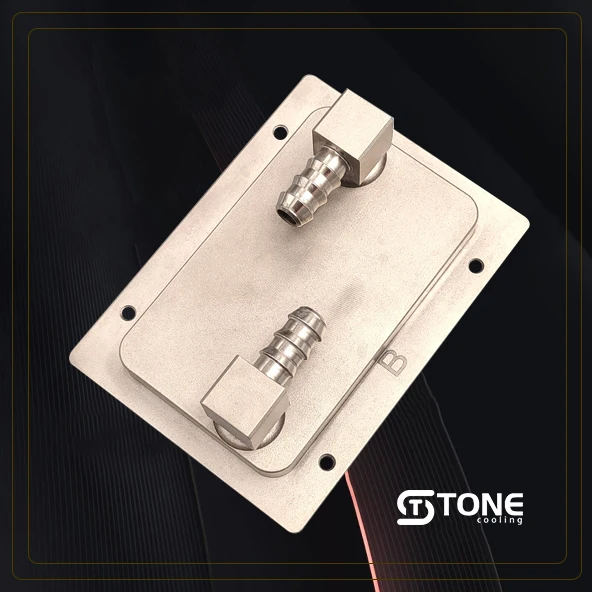

In today’s world of high-performance computing, industrial machinery, and advanced power electronics, keeping systems cool is more critical than ever. With growing demands for efficiency, speed, and miniaturization, traditional air-cooling methods often fall short. That’s where liquid cooling comes into play—offering superior thermal performance for applications that simply can’t afford to overheat. One of the most effective components in this arena is something called a Liquid Cold Plate.
What is a Liquid Cold Plate?
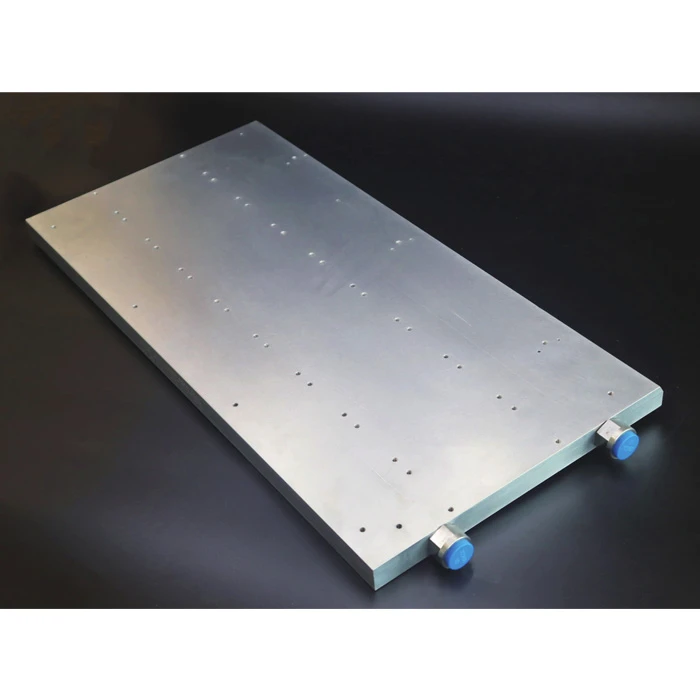
A Liquid Cold Plate is a heat exchanger designed to cool electronic devices, systems, or components by circulating a liquid coolant through a metal plate with embedded fluid channels. The metal plate is attached to the heat-generating component, absorbing heat and transferring it to the coolant. The heated liquid then flows to a radiator or other cooling structure, expelling the heat into the surrounding environment.
In simpler terms, think of a Liquid Cold Plate as a high-performance version of a heat sink, replacing airflow with fluid flow to enhance thermal transfer. This increases the efficiency many times over compared to conventional air-cooled systems.
How Does a Liquid Cold Plate Work?
The operation of a Liquid Cold Plate involves three main phases:
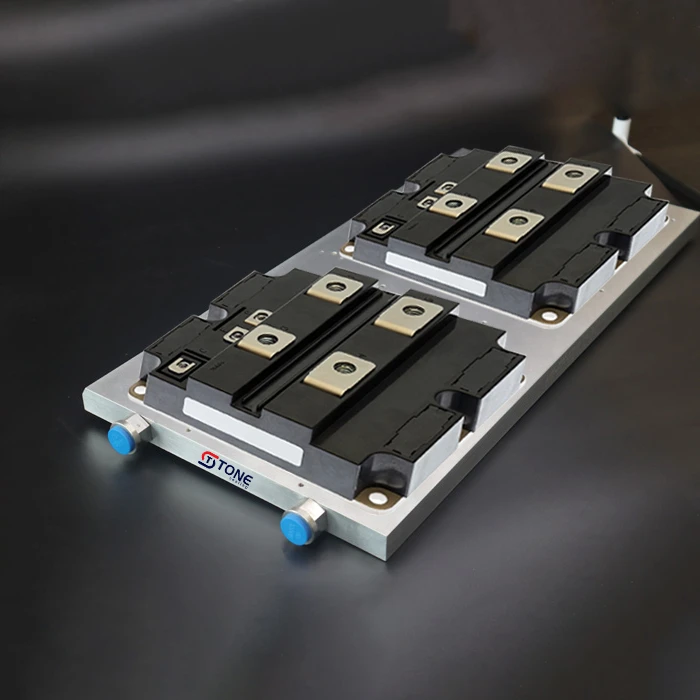
- Heat Absorption: The cold plate is mounted directly to the component generating heat (such as a power module or server processor). The plate is usually made of high-conductivity metals such as aluminum or copper.
- Heat Transfer to Coolant: Inside the plate, fluid channels allow a coolant (usually water or a water-glycol mix) to absorb heat. As coolant circulates through these channels, it draws heat away from the component into the fluid.
- Heat Dissipation: The warmed coolant continues through the closed-loop system to a radiator or heat exchanger, where the heat is released to the ambient air. The coolant is then recirculated back to the cold plate.
Thanks to this cycle, the device remains at safe operating temperatures, ensuring performance and longevity.
Why Your System Might Need a Liquid Cold Plate
Now that we understand what a Liquid Cold Plate is and how it functions, let’s discuss why you might need one for your system. There are several signs and operational requirements that indicate the pressing need for liquid cooling.
1. High Heat Load
One of the most common reasons to adopt a Liquid Cold Plate is when the system generates a substantial amount of heat. Power electronics, laser diodes, medical imaging systems, and high-density servers often create more heat than air cooling can handle. Liquid Cold Plates offer a path for rapid and efficient heat extraction.
2. Compact Designs with Limited Space for Airflow
As electronics become smaller and more powerful, the space for airflow diminishes. In densely packed systems like EV batteries or rack-mounted servers, there’s physically not enough room for fans and airflow channels. A Liquid Cold Plate can be directly mounted to heat sources in tight spaces, giving you cooling where it’s needed without spatial compromise.
3. Improved System Reliability
Excessive heat can degrade components, causing premature failure. By integrating Liquid Cold Plates, you increase thermal stability, reduce hotspots, and extend the operational lifespan of critical components—saving both repair and maintenance costs over time.
4. Noise Reduction
Air-cooled solutions often require large, noisy fans to handle high thermal loads. Liquid cooling operates more quietly, eliminating the need for high-speed fans. This is particularly important in applications like medical imaging or office-based data centers where noise matters.
5. Environmental Challenges
In harsh environments where dust, vibration, or temperature fluctuations undermine fan performance, a sealed liquid cooling system can continue to function reliably. This makes Liquid Cold Plates ideal for aerospace, military, or industrial applications.
Types of Liquid Cold Plates
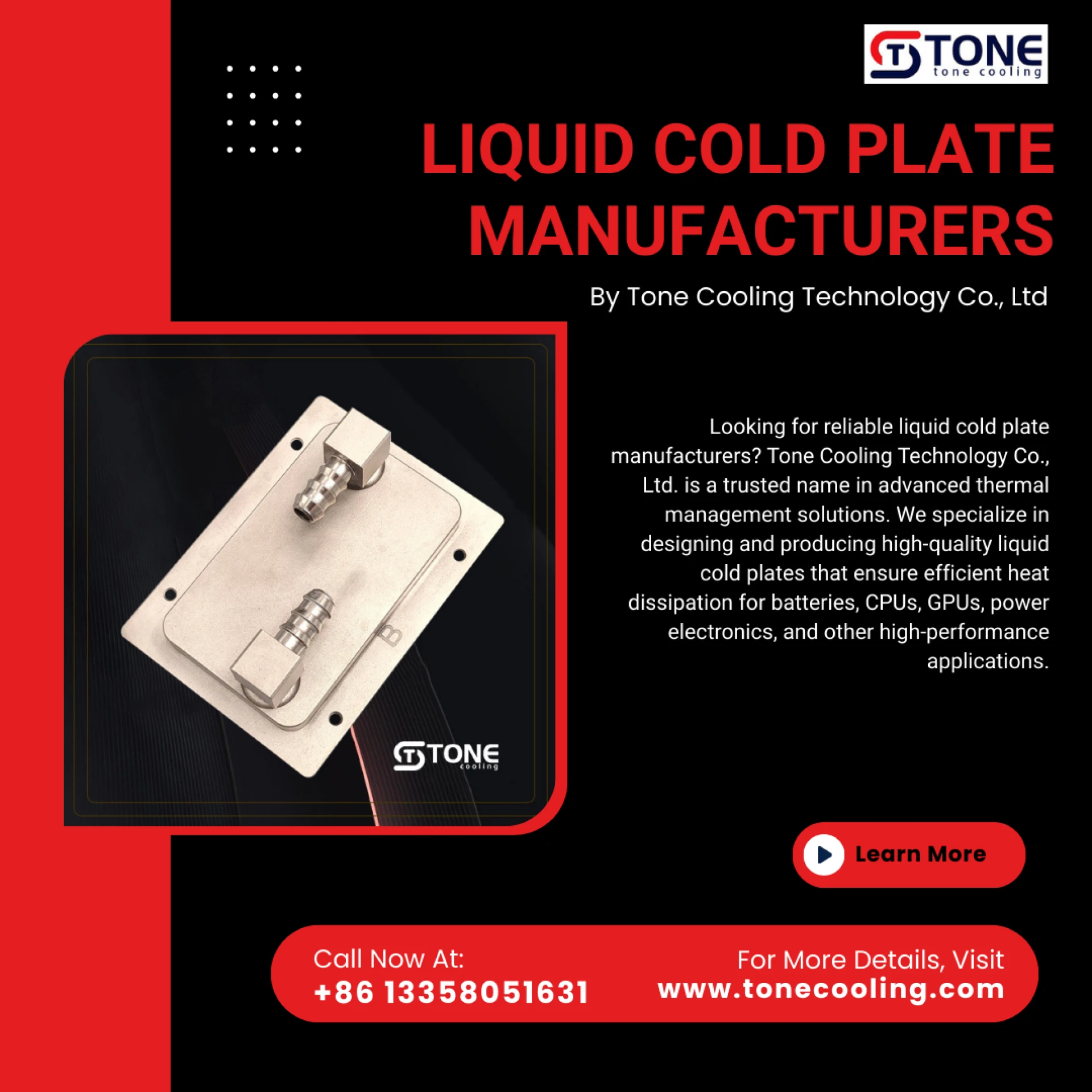
There isn’t a one-size-fits-all solution when it comes to Liquid Cold Plates. Different designs suit different applications. Let’s take a closer look.
1. Tubed Cold Plates
These are among the most common types. Tubes (often copper or stainless steel) are embedded or bonded into an aluminum plate. The coolant flows through these tubes, transferring heat from the plate surface to the fluid.
2. Machined Channel Cold Plates
These plates feature internal channels that are CNC-machined to allow optimized coolant flow. A cover plate is sealed over the channels to complete the structure. This design allows for complex flow paths and better thermal uniformity.
3. Swaged Cold Plates
In this design, round tubes are swaged into pre-machined grooves on an aluminum plate and mechanically locked. This method offers excellent contact between the tube and plate and is ideal for high-volume production.
4. Brazed Cold Plates
These are high-performance cold plates where the cooling channel and the plate are bonded through brazing. They are often used in applications requiring maximum thermal transfer and mechanical durability.
5. 3D Printed Cold Plates
With 3D printing or additive manufacturing, it’s now possible to create cold plates with highly complex internal geometries for optimized flow and minimal pressure drop. These are ideal for cutting-edge, custom applications.
Key Design Considerations
When choosing or designing a Liquid Cold Plate, several factors come into play:
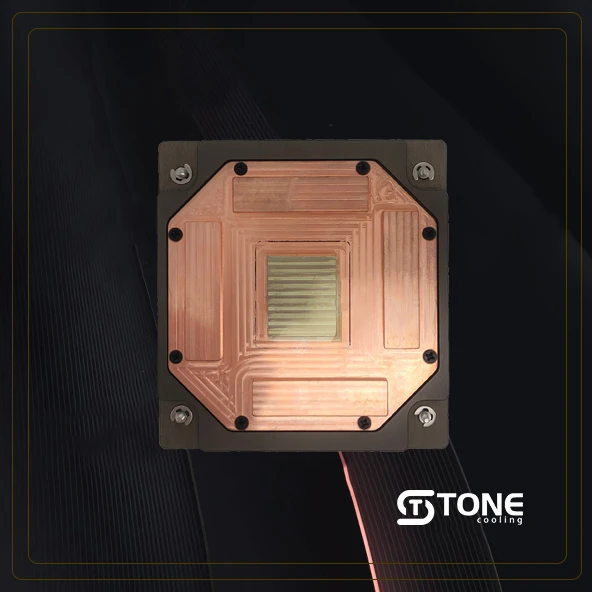
- Material: Copper offers better thermal performance but is heavier and more expensive. Aluminum is lighter and more cost-effective but has lower conductivity.
- Flow rate: Proper flow rate ensures optimal heat removal. Too low means poor cooling; too high means unnecessary pumping power.
- Channel design: Channel layout affects pressure drop, flow uniformity, and thermal performance.
- Compatibility: The coolant fluid must be compatible with the channel material to prevent corrosion and scaling.
- Mounting surface flatness: Direct contact improves thermal transfer—ensuring precision is vital.
- Sealing method: O-rings, gaskets, or brazed joints must prevent leaks throughout the system’s life.
Real-World Applications
The versatility of Liquid Cold Plates makes them indispensable across many industries:
1. Electric Vehicles (EVs)
Battery packs, inverters, and motor drivers generate substantial heat during operation. Liquid Cold Plates manage these thermal loads to enhance vehicle range and safety.
2. Data Centers
Modern data centers often adopt liquid cooling to maximize space and minimize energy costs. Cold plates help keep processors and memory modules within optimal temperature ranges.
3. Medical Equipment
Diagnostic tools such as CT or MRI machines contain components that require precise cooling systems. Liquid Cold Plates manage temperatures silently and effectively.
4. Laser and Optoelectronics
High-intensity laser sources require cooling to maintain wavelength stability and output power. Cold plates ensure consistent thermal behavior.
5. Military and Aerospace
In rugged environments, reliability matters. Liquid Cold Plates offer compact, effective cooling without reliance on moving parts like fans, making them ideal for mission-critical applications.

Advantages of Using Tone Cooling Technology Co., Ltd’s Liquid Cold Plates
At Tone Cooling Technology Co., Ltd., our Liquid Cold Plates are engineered for performance, durability, and customization. Here's what sets our products apart:
- Custom design services to meet your exact specifications.
- High-efficiency channel layouts to maximize cooling with minimal pressure drop.
- Durable materials with corrosion-resistant coatings.
- Precision machining for optimal thermal contact and uniform flow.
- Expert consultation to ensure thermal design integration meets your system goals.
As electronic systems continue to innovate, so too must their thermal management solutions. Whether you’re grappling with high power densities, limited space, or strict reliability standards, a Liquid Cold Plate offers an ideal way to secure thermal stability. More efficient than air cooling, and versatile enough to adapt to hundreds of configurations, these components are quickly becoming an industry standard.
Frequently Asked Questions (FAQ)
Q1: What coolant should I use with a Liquid Cold Plate?
A: The most common coolants are deionized water, water-glycol mixtures, and special-purpose dielectric fluids. The selection depends on compatibility with plate materials, environmental considerations, and performance needs.
Q2: Can Liquid Cold Plates be used in combination with other cooling methods?
A: Yes. Hybrid solutions often integrate both liquid and air cooling. For example, a cold plate can be part of a larger liquid loop that includes a fan-cooled radiator.
Q3: How do I install a Liquid Cold Plate?
A: Installation typically involves fastening it directly to the heat source and ensuring tight thermal contact using thermal interface materials (TIMs). Inlet and outlet fittings should align with the system’s coolant tubing.
Q4: What maintenance do Liquid Cold Plates require?
A: Minimal. Maintain fluid quality to prevent corrosion and scaling. Inspect seals periodically for leaks and ensure there is no coolant contamination or pump failure.
Q5: Is there a risk of leakage?
A: With proper material selection, manufacturing, and sealing methods, leaks are extremely rare. At Tone Cooling Technology Co., Ltd., our cold plates undergo rigorous leak testing before shipment.
Q6: Are custom solutions available?
A: Absolutely. Every application is different, and we offer custom Liquid Cold Plate designs tailored to your thermal and mechanical requirements.
Q7: How do I calculate the required thermal performance?
A: You’ll need to consider the heat load (in watts), required junction temperature of your component, ambient conditions, and coolant properties. Our engineers at Tone Cooling Technology can assist with thermal simulations and performance predictions.



























Sign in to leave a comment.