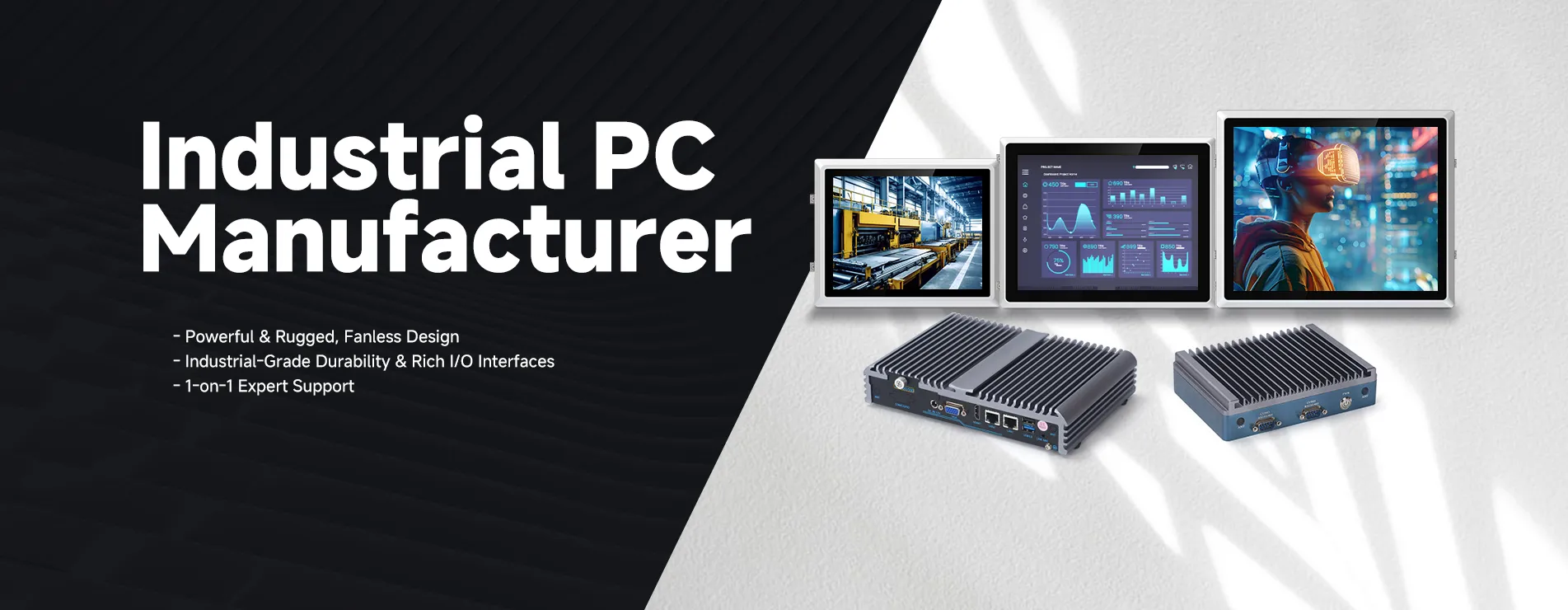

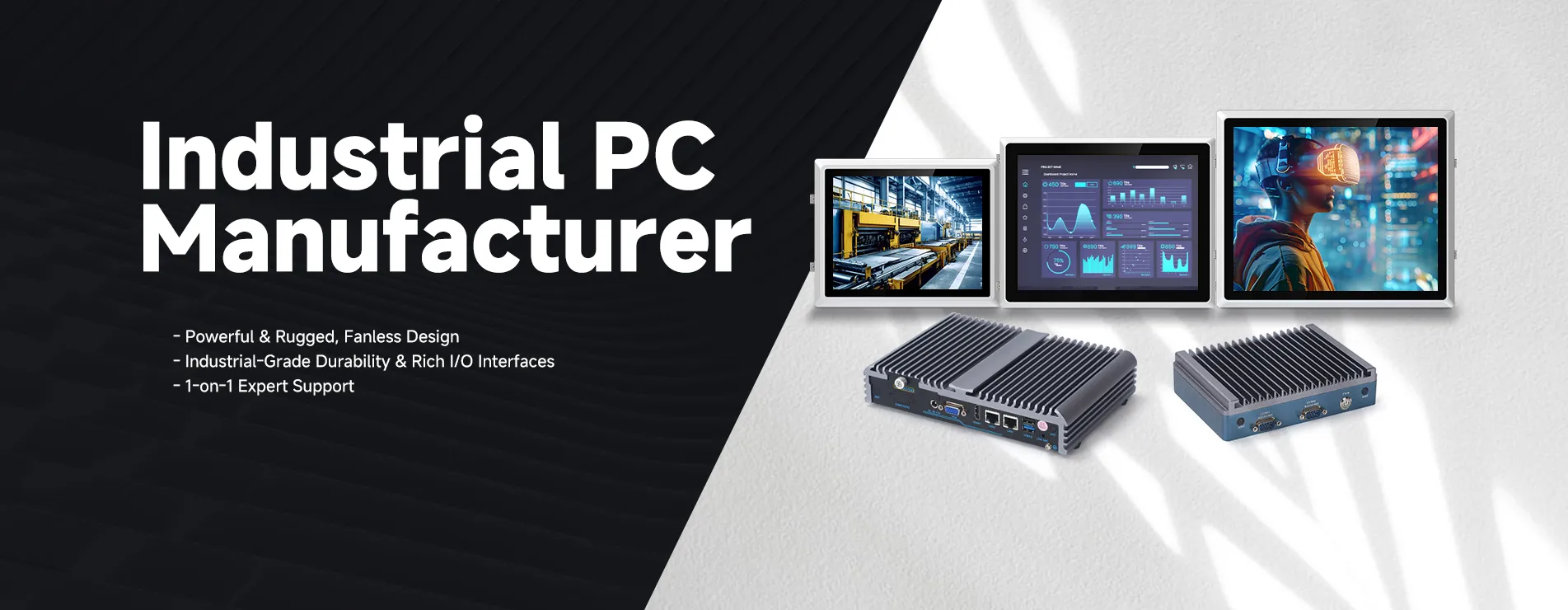
In today’s industrial environment, dependable technology is the backbone of operational success. As businesses increasingly rely on automation, data analytics, and interconnected systems, the demand for computing devices that can endure the rigors of harsh industrial settings has never been higher. That’s where an industrial rugged computer becomes essential. However, with a multitude of options available in the market, selecting the perfect rugged computer to meet your unique business needs can be a daunting task.
At ValanoIPC, we understand the critical role that dependable computing hardware plays in your daily operations. Our mission is to empower you with the knowledge and tools needed to make an informed purchasing decision. This guide will walk you through everything you need to consider when choosing an industrial rugged computer, ensuring that your investment enhances productivity, minimizes downtime, and seamlessly integrates into your industrial workflow.

Understanding the Importance of an Industrial Rugged Computer
First and foremost, it is important to distinguish an industrial rugged computer from traditional commercial-grade systems. Unlike standard computers, rugged computers are specifically designed to endure extreme environmental conditions such as dust, moisture, extreme temperatures, vibrations, and shocks — all common challenges in industrial settings like factories, warehouses, transportation hubs, and outdoor installations.
To put it simply, commercial computers may fail under conditions where rugged machines not only survive but thrive. This durability is achieved through reinforced casings, specialized cooling systems, sealed interfaces, and robust internal components designed to maintain performance in adverse conditions. As a result, choosing the right rugged computer is crucial to safeguarding your industrial systems against unexpected hardware failures that can cause costly production halts.
Key Factors to Consider When Choosing an Industrial Rugged Computer
Now that we have established what makes an industrial rugged computer unique, let’s explore the critical factors that should guide your purchasing decision.
1. Environmental Protection and Durability Standards
The first step in selecting a rugged computer is to assess the environmental challenges it will face. For example, will the device be exposed to dust or harsh chemicals? Will it need to operate in sub-zero or extremely hot temperatures? Or perhaps it must withstand constant vibrations or accidental drops.
- Ingress Protection (IP) Rating: The IP rating measures how well the enclosure protects against intrusion from solids (like dust) and liquids. For dusty or wet environments, an IP65 or higher rating is typically recommended.
- MIL-STD-810 Compliance: This military standard tests equipment through conditions such as temperature extremes, shock, vibration, humidity, and even salt fog.
Choosing a rugged computer that complies with MIL-STD-810 ensures reliable operation under extreme conditions.
Without adequate environmental ratings, your industrial rugged computer may fail prematurely, resulting in costly repairs and lost productivity.
2. Performance Specifications
After ensuring the device meets environmental demands, the next consideration is performance:
- Processor and Memory: What kind of applications will the computer run? For basic monitoring and control, an entry-level processor with moderate RAM may suffice. However, more data-intensive tasks such as real-time analytics or artificial intelligence workloads demand high-performance CPUs and expanded memory.
- Storage: Some industrial applications rely on fast, durable SSD storage over traditional hard drives, due to shock resistance and speed benefits.
- Graphics: In industries requiring visualization, such as manufacturing or defense, ensuring the rugged computer has appropriate graphic capabilities is critical.
ValanoIPC offers a wide range of models, from basic to high-end performance configurations, enabling you to customize the hardware according to your workload requirements.
3. Connectivity and Expansion Options
Industrial systems are rarely standalone; connectivity is key for data flow, system integration, and operational control.
- I/O Ports: Consider the types and number of ports, including USB, serial ports (RS-232/RS-485), Ethernet, HDMI, and expansion slots for custom modules.
- Wireless Communication: Depending on your environment, Wi-Fi, Bluetooth, LTE, or 5G connectivity might be essential, especially for remote or mobile applications.
- Legacy Support: Many industrial setups rely on older communication protocols or hardware, necessitating support for legacy interfaces.
Ensuring the rugged computer supports your existing network infrastructure will simplify integration and reduce additional costs.
4. Physical Size and Mounting Options
Every workspace has unique spatial constraints. Hence, the size and form factor of the rugged computer influence where and how it can be installed.
- Panel PC vs. Box PC vs. Rackmount: Panel PCs combine display and computing in one unit suitable for operator interfaces. Box PCs are compact and versatile for embedded use. Rackmount computers are designed for control cabinets.
- Mounting: Options might include VESA mounts, DIN rails, or wall and panel mountings. Choosing the right mounting system ensures ease of installation and operator convenience.
ValanoIPC offers a variety of form factors tailored to diverse industrial needs.
5. Power Supply and Energy Efficiency
Industrial environments sometimes present power challenges, including unstable voltages or reliance on battery operation.
- Power Input Range: Check that the rugged computer supports the input voltage range available in your facility.
- Power Redundancy: For critical systems, consider redundant power supplies or UPS integration.
- Energy Efficiency: An energy-efficient design minimizes operational costs, especially important for remote or battery-powered installations.
6. Software Compatibility and Support
Selecting hardware that supports your software ecosystem is equally important.
- Operating Systems: Stay aware of OS compatibility such as Windows, Linux, or specialized real-time operating systems.
- Drivers and APIs: Confirm availability of updated drivers and software development kits (SDKs) for seamless integration.
- Vendor Support: Choose a provider like ValanoIPC that offers excellent technical support, firmware updates, and customization services.
Why Choose ValanoIPC for Your Industrial Rugged Computer Needs?
At ValanoIPC, we pride ourselves on delivering top-notch industrial rugged computers engineered for durability, performance, and flexibility. Our products are designed with industry-best certifications, extensive customization options, and backed by expert support teams. Whether your application involves factory automation, transportation, energy exploration, or outdoor kiosk solutions, ValanoIPC has the perfect rugged solution tailored for your business.
Furthermore, we help you through the entire selection and deployment process — ensuring you receive a rugged computer optimized for your exact needs, operating conditions, and budget.
Conclusion
Selecting the right industrial rugged computer is a foundational step toward ensuring operational efficiency and reliability in your industrial processes. By carefully evaluating environmental needs, performance requirements, connectivity, form factors, and vendor support, you position your business for long-term success. ValanoIPC is committed to providing rugged computing solutions that stand up to your toughest challenges while delivering uncompromised performance.
Frequently Asked Questions (FAQ)
Q1: What exactly is an industrial rugged computer?
An industrial rugged computer is a computing device designed to operate reliably under harsh environmental conditions typical of industrial settings, including exposure to dust, moisture, extreme temperatures, vibrations, and shocks. They feature reinforced enclosures, specialized cooling, and certifications such as IP ratings and MIL-STD standards.
Q2: How is an industrial rugged computer different from a regular PC?
Unlike regular PCs, industrial rugged computers are built to withstand industrial abuse. Their components, build quality, and design focus on durability and long-term reliability in challenging physical and environmental conditions.
Q3: What environmental ratings should I look for?
Common standards include IP ratings to measure protection against dust and liquids; for instance, IP65 means the unit is dust-tight and protected against water jets. MIL-STD-810 certification indicates tested resistance to temperature extremes, shock, vibration, and other stresses.
Q4: Can I customize my rugged computer?
Yes, many manufacturers including ValanoIPC offer customization options such as different processors, memory configurations, I/O port arrangements, mounting options, and specialized coatings or casings.
Q5: Are industrial rugged computers easy to integrate with existing systems?
Integration depends largely on compatibility with your existing software and hardware. Choosing a rugged computer with the appropriate interfaces, OS support, and communication protocols simplifies integration.
Q6: What are typical applications of industrial rugged computers?
They are used in manufacturing automation, oil and gas exploration, transportation systems, outdoor digital signage, military systems, water treatment plants, and more.
Q7: How do I maintain an industrial rugged computer?
Maintenance involves regular cleaning of external surfaces, ensuring ventilation ports are unobstructed, firmware and driver updates, and periodic inspections to check seals and connections for wear or damage.
Q8: What is the typical lifespan of an industrial rugged computer?
With proper maintenance, rugged computers generally last longer than commercial PCs, typically 5 to 10 years or more, depending on usage and environment.
























Sign in to leave a comment.