
As more homeowners turn to solar energy, choosing the right solar battery becomes crucial. Solar batteries store the extra energy your panels produce during the day so you can use it at night or during power outages. Picking the right battery ensures your home stays powered efficiently and helps you save money. In this guide, we’ll break down everything you need to know in simple terms.
Understand Your Energy Needs
The first step in choosing a solar battery is understanding how much electricity your home uses. Look at your monthly electricity bills to find your average energy consumption in kilowatt-hours (kWh).
- Small households may need a battery with a capacity of 5–10 kWh.
- Medium households might need 10–15 kWh.
- Large households or homes with high energy use might require 15 kWh or more.
Knowing your energy needs will help you pick a battery that can store enough power to cover your daily usage or backup requirements.
Decide on the Battery Type
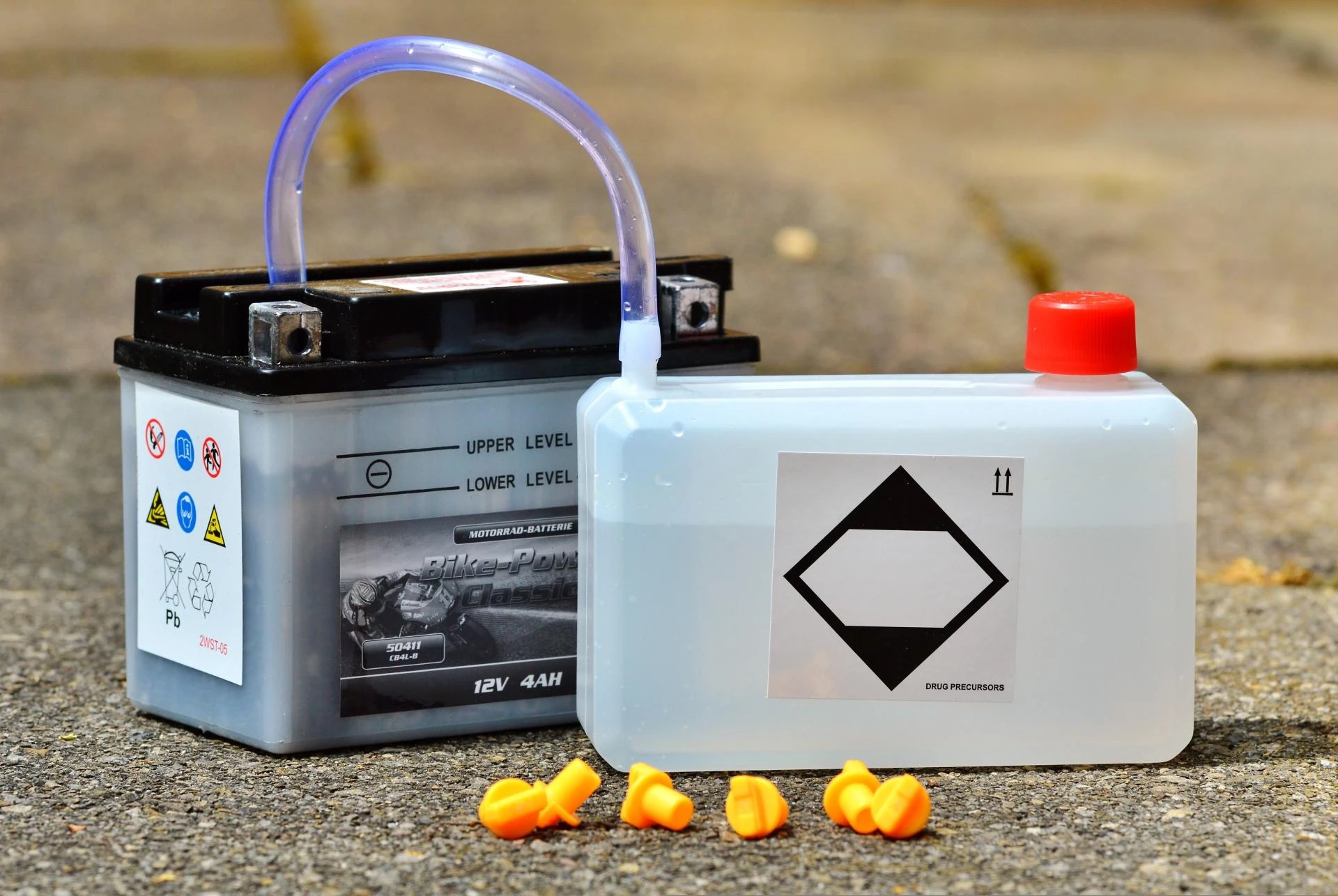
There are two main types of solar batteries: Lithium-ion and Lead-acid.
Lithium-ion Batteries
- Lightweight and compact
- Longer lifespan (10–15 years)
- Higher efficiency (up to 95%)
- More expensive
Lead-acid Batteries
- Heavier and bulkier
- Shorter lifespan (3–7 years)
- Lower efficiency (70–85%)
- Budget-friendly
If you want a long-lasting, efficient battery and don’t mind paying more, lithium-ion is usually the better choice. Lead-acid batteries can work for smaller or budget-conscious setups.
Check Battery Capacity
Battery capacity is measured in kilowatt-hours (kWh) and tells you how much electricity the battery can store.
- Daily use: If your home uses 20 kWh per day and you want one day of backup, look for a battery around 20 kWh.
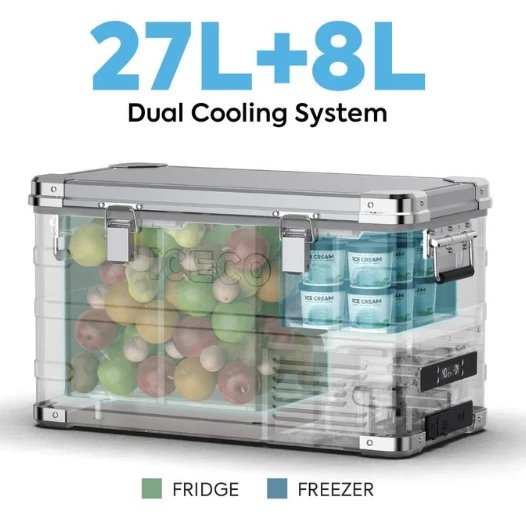
- Partial backup: If you only want to power essential appliances (like fridge, lights, and fan), a smaller battery may be enough.
Choosing the right capacity ensures you have enough power without overpaying for a larger battery than needed.
Look at Depth of Discharge (DoD)
Depth of Discharge (DoD) is the percentage of the battery’s capacity you can use safely. For example, a battery with a 90% DoD lets you use 90% of its power without damaging it.
- Higher DoD = more usable energy
- Lithium-ion batteries usually have DoD of 90–95%
- Lead-acid batteries often have DoD of 50%
A battery with higher DoD is more efficient and cost-effective in the long run.
Consider Battery Efficiency
Battery efficiency refers to how much stored energy can actually be used. For example, a 90% efficient battery will give you 9 kWh out of every 10 kWh stored.
- Lithium-ion batteries are more efficient than lead-acid
- High efficiency reduces waste and saves money
Always check the efficiency rating before buying, as it impacts your overall energy savings.
Think About Lifespan and Warranty
A solar battery is an investment, so lifespan and warranty are important.
- Lifespan: How long the battery can last in years or cycles
- Warranty: Most lithium-ion batteries have 10-year warranties; lead-acid batteries usually have 3–5 years
A longer lifespan and warranty give peace of mind and ensure you won’t need a replacement too soon.
Check for Compatibility with Your Solar System
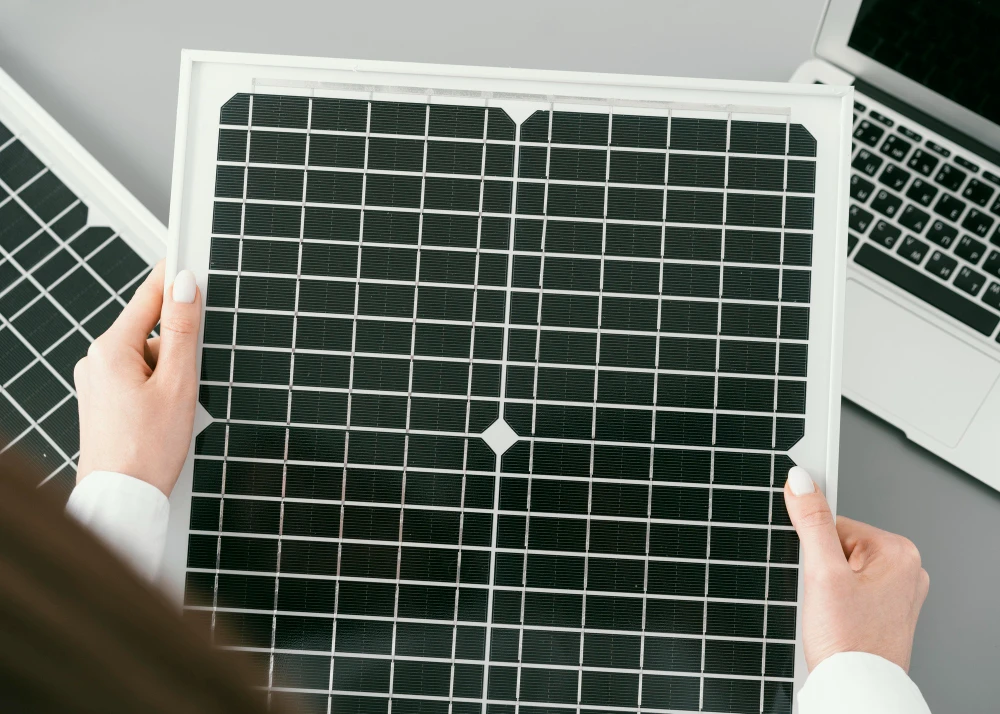
Make sure the battery is compatible with your solar panels and inverter. Some inverters work only with certain battery brands or types. Check the manufacturer’s recommendations before purchasing.
Consider Budget and Cost per kWh
The price of a solar battery can vary widely. Consider not only the upfront cost but also the cost per kWh stored over its lifetime. Sometimes a more expensive lithium-ion battery is cheaper in the long run because it lasts longer and is more efficient.
Think About Future Expansion
If you plan to add more solar panels or appliances in the future, choose a battery system that can expand. Modular batteries let you add more capacity as your energy needs grow.
Safety Features
Look for batteries with built-in safety features like:
- Overcharge protection
- Short-circuit protection
- Thermal management
Safety features prevent accidents and ensure your battery operates smoothly.
Final Thoughts
Choosing the right solar battery for your home doesn’t have to be complicated. Start by understanding your energy needs, choose the right type, check capacity, efficiency, and DoD, and consider lifespan, warranty, and safety. With the right battery, your solar system can power your home efficiently, save money, and provide backup during outages.
Investing in a high-quality solar battery is a smart step toward energy independence and a greener home.
























Sign in to leave a comment.