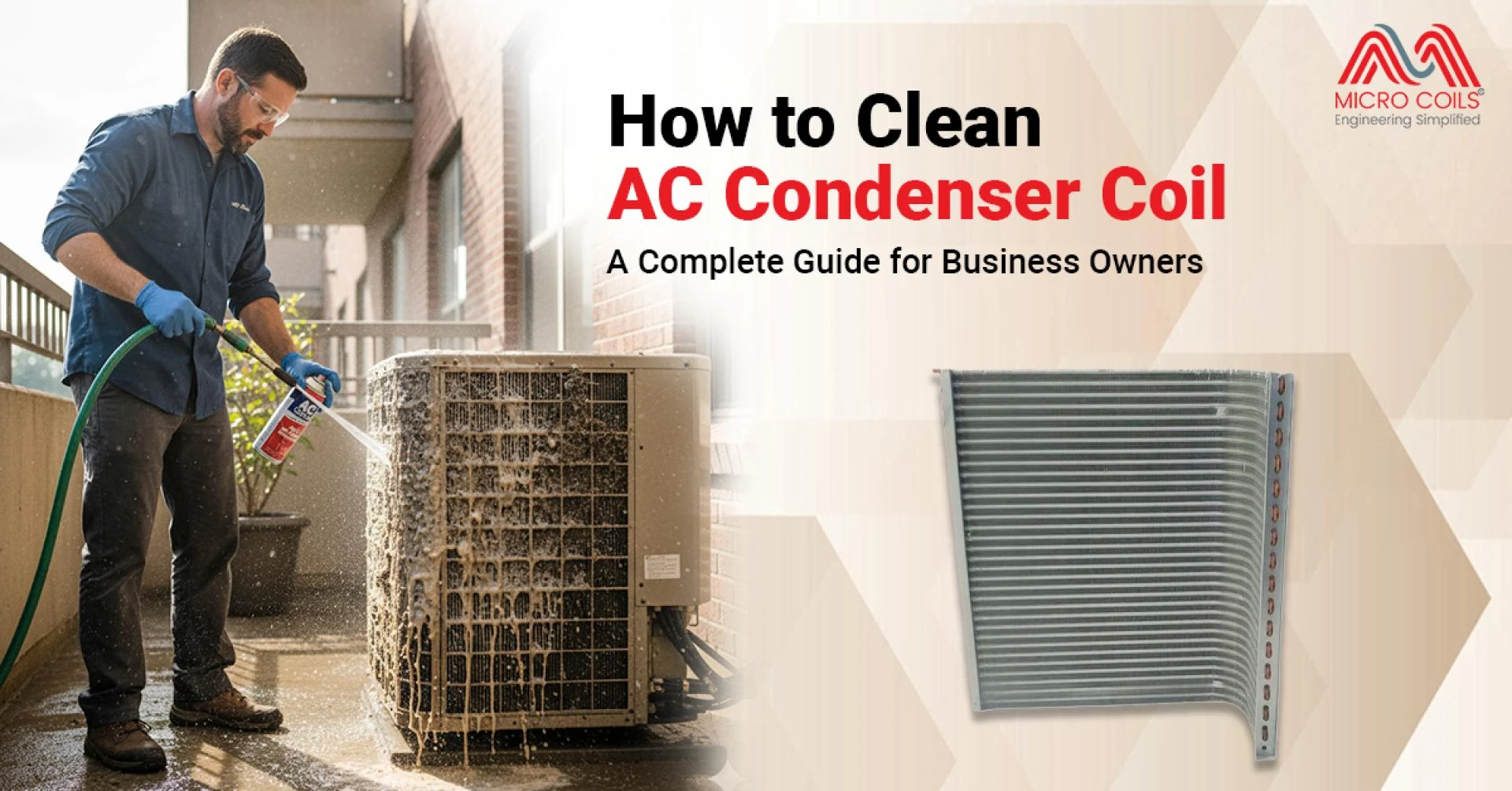

Your air conditioning system works hard to keep your business comfortable, but dirty condenser coils can turn your efficient cooling system into an energy-guzzling nightmare. When dust, debris, and grime build up on these critical components, your AC struggles to release heat properly, leading to higher electricity bills and potential system failure. Learning how to properly clean your AC condenser coil can save thousands in repair costs while keeping your business cool and comfortable.
Why Condenser Coil Cleaning Matters for Your Business?
Condenser coils sit outside your building, constantly exposed to dirt, leaves, pollen, and other environmental contaminants. These outdoor units release the heat absorbed from inside your building, but dirty coils can't transfer heat efficiently. When heat transfer becomes restricted, your entire system works harder to achieve the same cooling results.
This extra strain translates directly into higher operating costs. A dirty condenser coil can increase energy consumption by 30% or more during peak cooling seasons. For businesses running multiple units or large commercial systems, this inefficiency represents hundreds or thousands of dollars in wasted electricity costs annually.
Beyond energy costs, dirty coils accelerate wear on system components. Compressors work harder when coils can't release heat effectively. This additional stress shortens equipment lifespan and increases the likelihood of expensive emergency repairs during busy periods when you need cooling most.
Safety Preparations Before Starting
Never attempt coil cleaning while your system is running. Turn off power at both the thermostat and the electrical disconnect box near the outdoor unit. This prevents accidental startup while you're working and protects you from electrical hazards during the cleaning process.
Remove any debris around the unit before starting detailed cleaning. Clear away leaves, grass clippings, and loose materials that might interfere with your work or get blown into the coils during cleaning. Check for wasp nests or other pest activity that might pose safety risks.
Wear safety glasses and work gloves throughout the process. Coil cleaning can splash dirty water and debris, potentially causing eye injuries. The coil fins are sharp and can cut hands easily, making protective gloves essential for safe cleaning.
Tools and Materials You'll Need
Gather the right tools before starting to make the job efficient and effective. A garden hose with adjustable spray nozzle works for basic cleaning, but avoid high-pressure settings that can damage delicate coil fins. Soft bristle brushes help remove stubborn debris without bending the thin aluminum fins.
Commercial coil cleaning solutions work better than household cleaners for removing built-up grease and grime. These specialized products dissolve dirt and organic matter more effectively than soap and water alone. Hardware stores and HVAC supply companies stock various coil cleaning products designed for different contamination levels.
Keep fin combs handy for straightening bent fins after cleaning. These inexpensive tools have teeth spaced to match coil fin spacing, allowing you to carefully straighten damaged areas that restrict airflow. Bent fins significantly reduce heat transfer efficiency even after thorough cleaning.
Step-by-Step Cleaning Process
Start by removing the fan grille or top panel to access the coils directly. Most units have screws or clips holding the fan assembly in place. Carefully lift out the fan motor and blade assembly, setting them aside in a safe location where they won't get damaged or wet.
Inspect the coils before beginning aggressive cleaning. Look for heavily contaminated areas, bent fins, or signs of damage that might require professional attention. Take photos of areas needing fin straightening so you remember where to focus repair efforts after cleaning.
Begin cleaning from the inside of the coil, working outward. This pushes debris out of the fins rather than deeper into the system. Apply coil cleaner according to manufacturer directions, allowing it time to dissolve accumulated grime before rinsing. Heavy contamination may require multiple applications.
Rinse thoroughly with low-pressure water flow, working from inside to outside again. Ensure all cleaning solution is removed, as residue can attract dirt and reduce cleaning effectiveness. Pay special attention to areas where fins are closely spaced, as these spots trap debris easily.
Addressing Different Types of Contamination
Organic debris like leaves and grass requires different treatment than industrial contamination or pet hair. Organic matter often responds well to enzyme-based cleaners that break down natural materials. Remove large debris by hand before applying liquid cleaners for best results.
Grease and oil contamination from nearby kitchen exhausts or industrial processes need stronger solvents. These contaminants create sticky films that trap other debris, requiring degreasing agents specifically designed for AC cooling coil applications. Multiple cleaning cycles may be necessary for heavily contaminated coils.
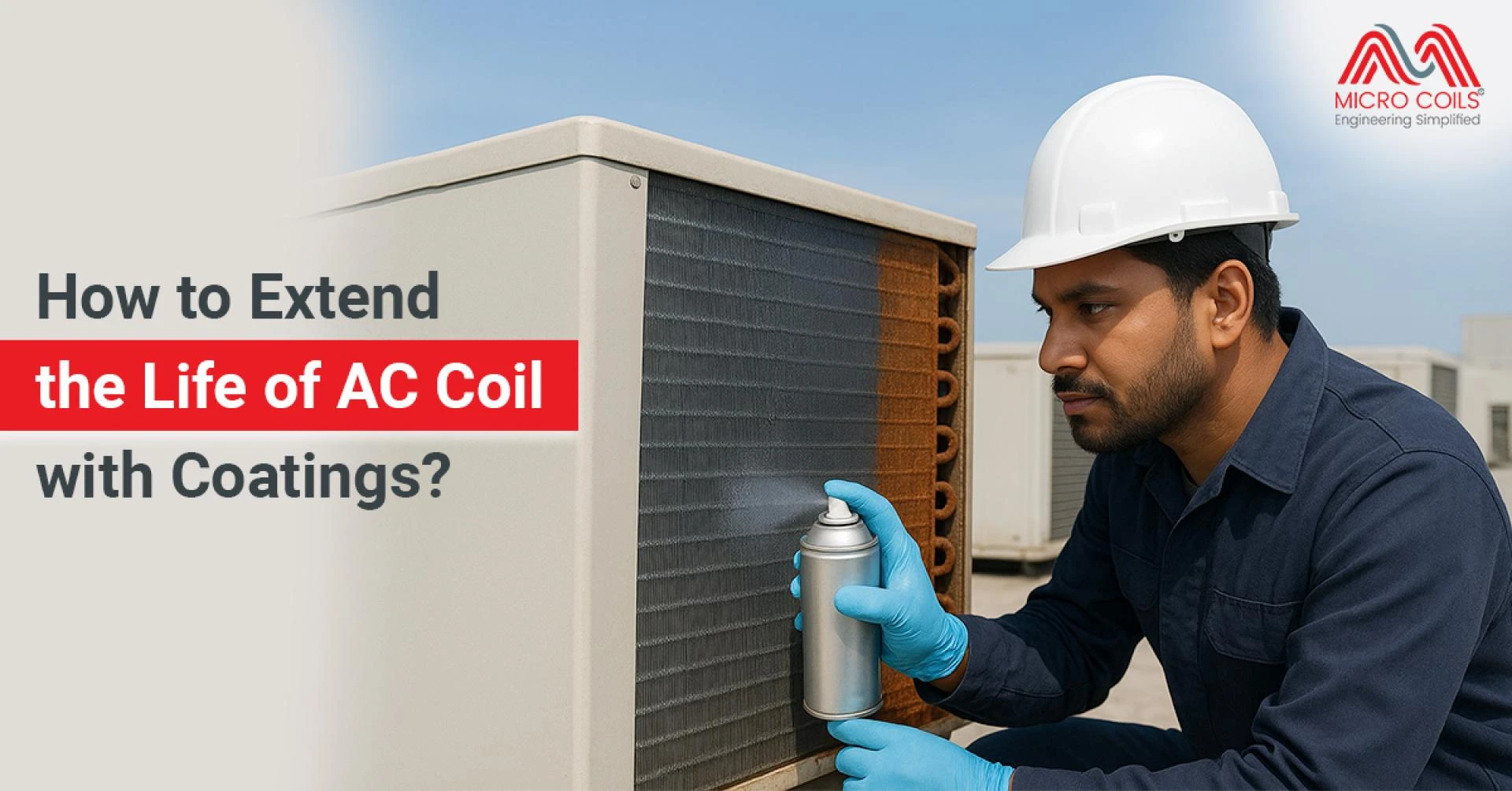
Coastal businesses deal with salt spray that corrodes coil surfaces over time. Salt contamination requires thorough freshwater rinsing followed by protective treatments to prevent future corrosion. Consider more frequent cleaning schedules in marine environments to prevent permanent damage.
When to Consider Professional Service
Complex contamination or extensive fin damage often exceeds DIY capabilities. Professional services have specialized equipment like pressure washers calibrated for coil cleaning and industrial-strength cleaning solutions not available to consumers. They also carry insurance covering potential damage during cleaning procedures.
If your system continues showing efficiency problems after thorough cleaning, internal components might need attention. Refrigerant leaks, compressor issues, or internal blockages require professional diagnosis and repair. Don't spend money on repeated cleanings when underlying mechanical problems exist.
Consider professional service for units that are difficult to access safely. Rooftop installations or units in cramped spaces create safety hazards for untrained individuals. Professional technicians have proper ladders, safety equipment, and experience working in challenging installation locations.
Maintenance Schedule and Prevention
Establish regular cleaning schedules based on your environment and usage patterns. Light commercial applications in clean environments might need annual cleaning, while restaurants, manufacturing facilities, or dusty locations require quarterly maintenance. Monitor system performance to adjust cleaning frequency as needed.
Install filters or screens upstream of condenser coils when possible to reduce contamination rates. These protective barriers catch large debris before it reaches the coils, extending time between cleanings. However, remember that filters require their own maintenance to remain effective.
Keep vegetation trimmed around outdoor units to improve airflow and reduce debris accumulation. Maintain at least two feet of clearance on all sides for proper operation and easy maintenance access. Consider relocating plants that shed heavily or attract insects that might interfere with unit operation.
Cost Considerations and Budgeting
Factor coil cleaning costs into your facility maintenance budget rather than treating it as an unexpected expense. Regular maintenance costs less than emergency repairs or premature equipment replacement due to neglect. Track AC coil price trends for replacement parts to understand the value of preventive maintenance.
DIY cleaning saves labor costs but requires time investment from your staff. Consider whether employee time spent on maintenance could be better used on core business activities. Balance labor costs against professional service fees to determine the most cost-effective approach.
Document cleaning dates and procedures to track maintenance effectiveness and plan future service needs. This record-keeping helps identify optimal cleaning intervals and provides valuable information for warranty claims or insurance purposes.
Regular condenser coil cleaning keeps your business comfortable while controlling operating costs. Whether you handle cleaning internally or hire professionals, consistent maintenance protects your cooling investment and ensures reliable operation when you need it most.



























Sign in to leave a comment.