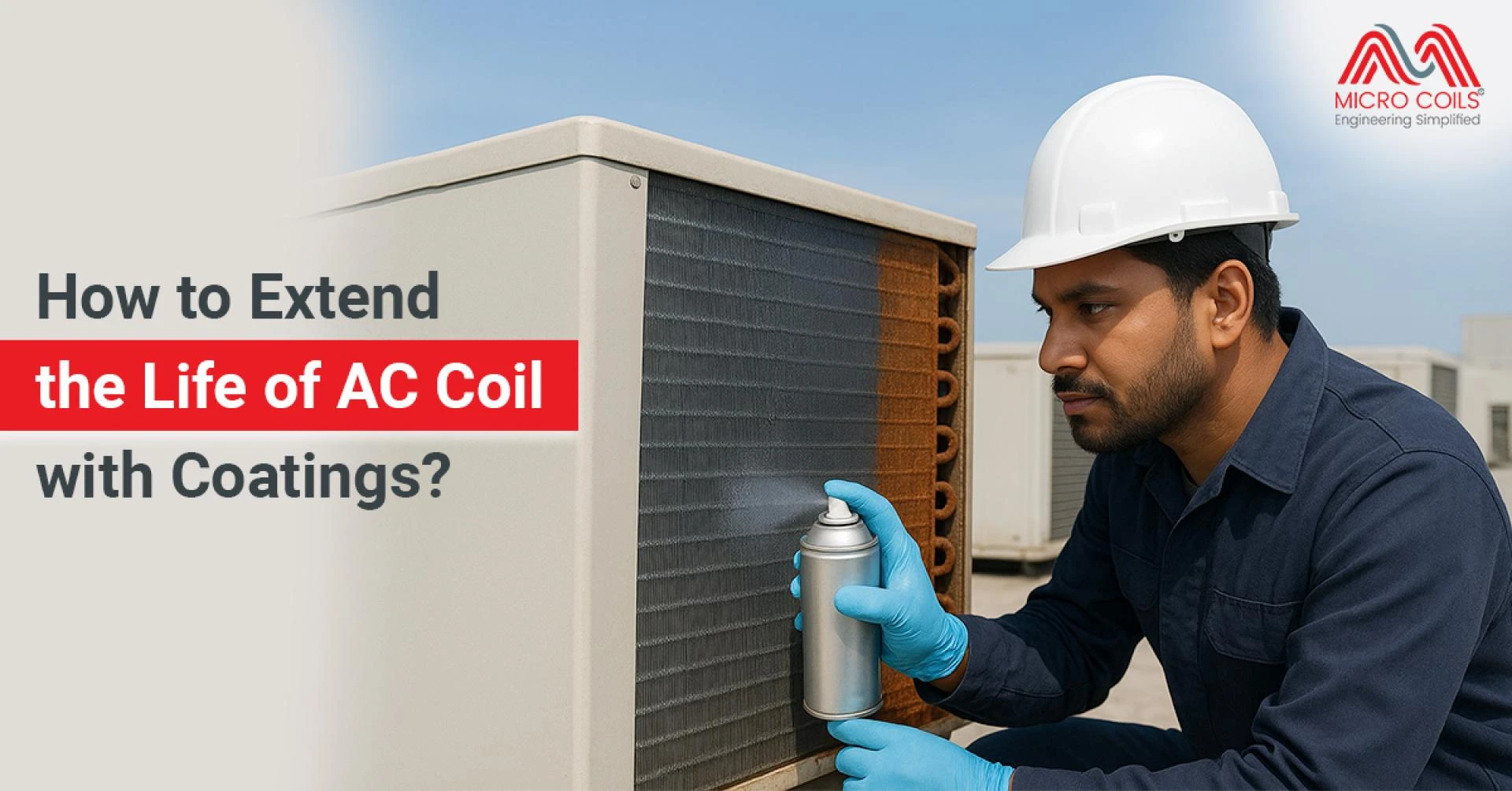

Air conditioning systems represent significant investments for both residential and commercial properties. The important part of these systems lies in their coils, which handle the crucial task of heat exchange. Unfortunately, these components face constant exposure to harsh conditions that can dramatically shorten their lifespan. However, there's a proven solution that can add years to your AC system's life: protective coatings.
Why AC Coils Deteriorate?
Before diving into solutions, let's understand the problem. Your ac condenser coil sits outside, exposed to weather, pollutants, and corrosive elements daily. Rain, humidity, salt air in coastal areas, and industrial pollutants all attack the metal surfaces relentlessly.
Inside your building, the evaporator coil faces different but equally challenging conditions. Moisture condensation creates an environment where corrosion can thrive. Airborne contaminants, cleaning chemicals, and biological growth add to the assault on these delicate components.
The aluminum fins and copper tubes that make up these coils are particularly vulnerable. Once corrosion begins, it spreads quickly. Small pits become larger holes, refrigerant leaks develop, and efficiency plummets. Eventually, you're facing expensive repairs or complete system replacement.
The Power of Protective Coatings
Protective coatings act like armor for your AC coils. They create a barrier between the metal surfaces and the harsh environment. Think of it as giving your coils a protective shield that blocks moisture, chemicals, and corrosive agents from reaching the vulnerable metal underneath.
These coatings have evolved significantly over the years. Modern formulations offer superior protection while maintaining the heat transfer efficiency that's essential for proper AC operation. Their compatibility with different HVAC coil designs ensures that coating application doesn’t interfere with system airflow or thermal performance.
Types of Coatings Available
Several coating options exist, each with specific advantages. Epoxy-based coatings provide excellent corrosion resistance and durability. They form a hard, protective layer that withstands physical damage and chemical exposure well.
Polyurethane coatings offer flexibility along with protection. They're particularly good at resisting UV damage and maintaining their integrity through temperature changes. These coatings expand and contract with the metal, preventing cracking and peeling.
Phenolic coatings are known for their chemical resistance. In industrial environments or areas with high pollution, these coatings excel at protecting against aggressive contaminants.
Halar coatings represent premium protection. They're extremely resistant to chemicals, moisture, and UV radiation. While more expensive, they offer the longest-lasting protection available.
Benefits Beyond Corrosion Protection
Protective coatings do more than just prevent rust. They keep your ac cooling coil operating at peak efficiency by preventing the buildup of contaminants on coil surfaces. Clean surfaces transfer heat more effectively, which means your system doesn't have to work as hard.
This improved efficiency translates directly to energy savings. When coils are corroded or dirty, the AC system struggles to maintain desired temperatures. It runs longer cycles, consumes more electricity, and wears out faster. Coated coils maintain their heat transfer capabilities, keeping energy costs down.
Coatings also simplify maintenance. Smooth, protected surfaces don't accumulate dirt and grime as readily as bare metal. When cleaning is necessary, the process becomes easier and less likely to damage the coils. You're not scrubbing away at corroded, pitted surfaces anymore.
When to Apply Coatings?
The ideal time to apply protective coatings is during installation of new equipment. Factory-applied coatings ensure complete, even coverage before the coils are ever exposed to damaging conditions. Many AC coil manufacturers now offer pre-coated coils as an option, giving customers added protection right from production and reducing the risk of early corrosion.
However, it's never too late to add protection. Existing coils can be coated in the field, provided they're in reasonably good condition. If corrosion has already begun, the surface needs proper preparation first. Minor corrosion can be treated and sealed, but heavily damaged coils might be beyond saving.
Consider your environment when deciding on coating timing. Coastal properties, industrial areas, and locations with harsh winters benefit enormously from immediate protection. Even in mild climates, the investment in coatings pays for itself through extended equipment life.
The Application Process
Proper application makes all the difference. The coil surface must be absolutely clean before coating application begins. Any dirt, oil, or existing corrosion will compromise adhesion and effectiveness.
Professional application involves thorough cleaning, often with specialized cleaners and degreasers. The surface may need light etching to improve coating adhesion. Once clean and dry, the coating is applied carefully to ensure complete coverage without blocking airflow passages. In drycoolers coating applications, precision is especially critical — improper coverage can restrict airflow or reduce heat transfer efficiency.
Most coatings require multiple thin layers rather than one thick application. This approach ensures better adhesion and more complete protection. Each layer needs adequate drying time before the next is applied.
Temperature and humidity during application matter significantly. Most coatings have specific environmental requirements for proper curing. Professional applicators understand these requirements and plan accordingly.
Cost Considerations and ROI
Yes, coating applications add to your initial expenses. However, consider this against the ac coil price for replacements. A condenser coil replacement can cost thousands of dollars when you factor in the coil itself, labor, refrigerant, and system downtime.
Protective coatings typically cost a fraction of replacement expenses. They can extend coil life by five to ten years or even longer in harsh environments. The math is straightforward: spending a few hundred dollars on coatings can defer spending thousands on replacements.
Energy savings provide additional returns. More efficient operation means lower utility bills month after month. Over the years, these savings can equal or exceed the coating cost.
Special Considerations for Different Environments
Coastal properties face accelerated corrosion from salt air. If you're near the ocean, protective coatings aren't optional—they're essential. Choose coatings specifically formulated for marine environments with enhanced salt resistance.
Industrial areas with chemical pollutants need coatings that resist specific contaminants. Discuss your environment with coating specialists who can recommend appropriate formulations.
In some regions, adiabatic cooling systems are used alongside traditional AC equipment. These systems use water evaporation to improve cooling efficiency. While excellent for energy savings, they increase humidity around coils, making protective coatings even more important.
Maintenance After Coating
Coated coils still need regular maintenance, just less intensively than uncoated ones. Regular inspections help catch any coating damage early. Small areas of coating failure can be spot-treated before corrosion spreads.
Cleaning should continue on a regular schedule, but use gentle methods. Harsh chemicals or aggressive cleaning techniques can damage coatings. Soft brushes and appropriate cleaners maintain both the coil and its protective layer. A proper AC evaporator cleaning treatment ensures that even the indoor coil remains free from microbial buildup, dust, and chemical residues — helping preserve coating integrity and overall cooling efficiency.
Monitor system performance regularly. Any decline in efficiency could indicate coating degradation or other issues requiring attention. Addressing problems early prevents minor issues from becoming major failures.
Making the Investment Decision
Extending your AC coil life with protective coatings is one of the smartest HVAC investments you can make. The relatively small upfront cost delivers years of protection, improved efficiency, and peace of mind.
Whether you're installing new equipment or protecting existing systems, coatings offer proven benefits. They're especially valuable in harsh environments but beneficial everywhere. When you consider replacement costs, energy savings, and reduced downtime, the return on investment becomes crystal clear.
Don't wait until corrosion forces expensive repairs. Protect your investment now with quality coatings, and enjoy reliable, efficient cooling for years to come.























Sign in to leave a comment.