
When it comes to efficient thermal management in industrial applications, pillow plates have emerged as a game-changing technology. These ingenious heat transfer surfaces offer superior performance compared to traditional methods, but many engineers and facility managers wonder about the differences between single and double embossed variants. Understanding these distinctions can significantly impact your equipment selection and operational efficiency.
What Are Pillow Plates?
Before diving into the embossing differences, let's establish what pillow plates actually are. These specialized heat transfer surfaces consist of two metal sheets welded together at specific spot patterns, then inflated using hydraulic pressure to create channels between them. The resulting three-dimensional structure resembles a pillow, hence the name. Fluid flows through these internal channels, enabling highly efficient heat transfer across the plate surface.
The technology has gained widespread adoption across industries ranging from chemical processing to food and beverage production. Their compact design, excellent heat transfer coefficients, and ability to handle various pressure differentials make them invaluable for modern thermal applications.
Single Embossed Pillow Plates: The Streamlined Solution
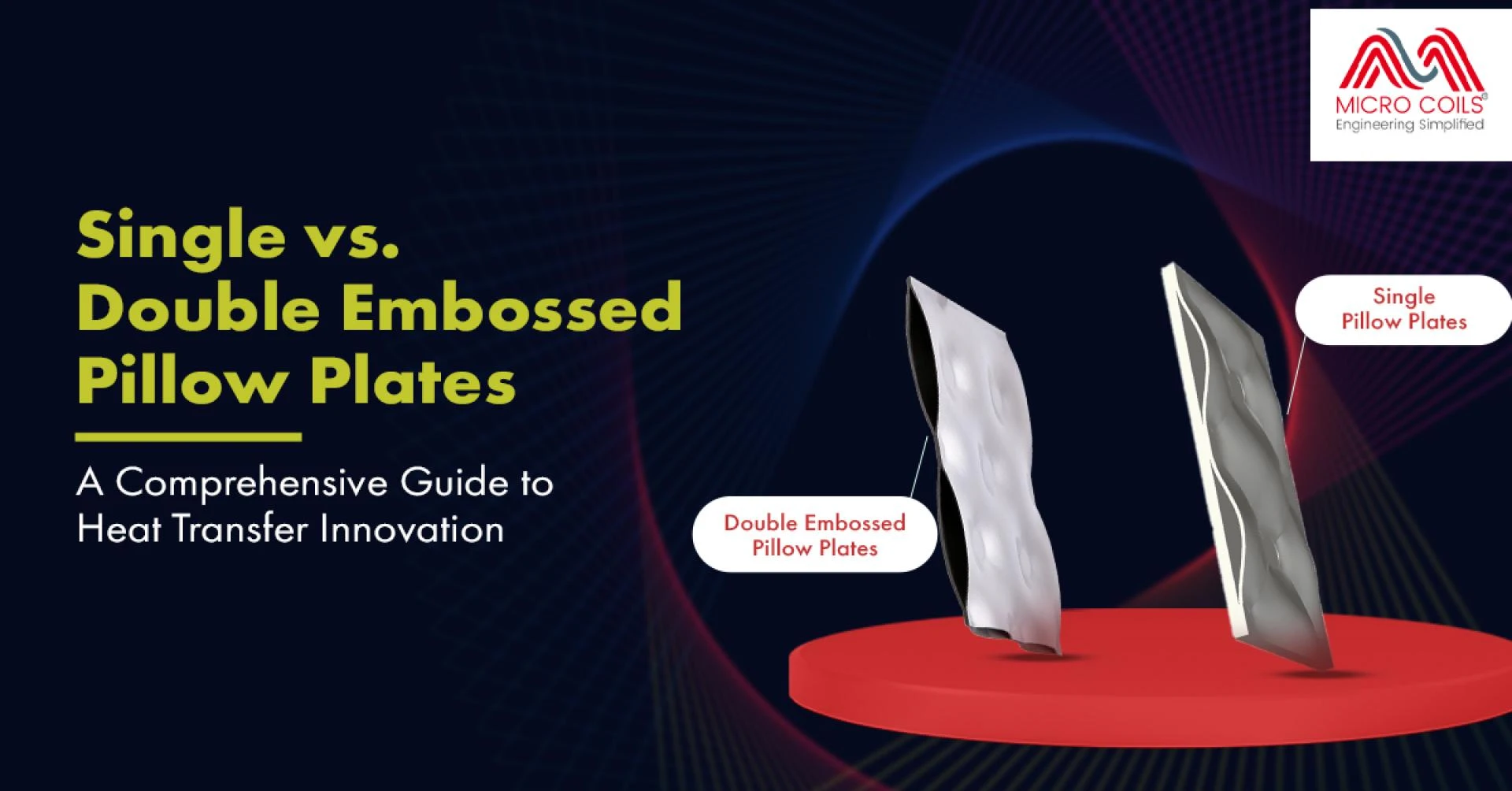
Single embossed pillow plates feature embossing on just one side of the assembly. One sheet remains relatively flat while the other develops the characteristic pillow pattern. This asymmetrical configuration offers several distinct advantages.
Manufacturing these plates typically proves less complex than their double embossed counterparts. The production process requires embossing operations on only one sheet before welding, which can translate to shorter lead times and potentially lower costs. For applications where space constraints exist on one side, single embossed designs provide an elegant solution.
The flat side of single embossed plates makes installation remarkably straightforward in certain configurations. When mounting against walls, tanks, or vessels, the smooth surface creates a flush fit without requiring special accommodations. This characteristic proves particularly valuable in retrofitting existing systems or when working with limited clearances.
Heat transfer efficiency remains excellent with single embossed designs. The internal channel structure still promotes turbulent flow, ensuring effective thermal exchange. Many pillow plate manufacturers offer customized channel patterns optimized for specific applications, whether you're building a dry cooler or integrating plates into a complex reactor vessel.
Double Embossed Pillow Plates: Maximum Performance
Double embossed pillow plates take the concept further by featuring embossing on both exterior surfaces. Both metal sheets develop the characteristic pillow pattern, creating a symmetrical profile. This configuration delivers enhanced performance characteristics that justify its use in demanding applications.
The symmetrical structure significantly increases the effective heat transfer surface area. With embossing on both sides, the plate presents more surface to the surrounding media, whether that's air, liquid, or another process fluid. This expanded contact area translates directly into improved thermal efficiency—a critical consideration for high-capacity systems.
Structural integrity represents another key advantage. The double embossed design distributes mechanical stresses more evenly across the assembly. Both sheets contribute equally to withstanding internal pressure and external forces, resulting in a more robust construction. This enhanced strength allows double embossed plates to handle higher pressure differentials and more aggressive operating conditions.
Turbulence characteristics improve notably with double embossing. As fluids flow past both textured surfaces, they experience disrupted boundary layers on multiple sides. This promotes better mixing and reduces thermal resistance, maximizing heat transfer coefficients. For critical applications where every percentage point of efficiency matters, this advantage becomes decisive.
Application-Specific Considerations
Selecting between single and double embossed configurations depends heavily on your specific requirements. Space availability often serves as the primary determining factor. If you're integrating plates into an existing vessel with limited internal clearance, single embossing might be mandatory. Conversely, when designing new systems with flexibility, double embossing may offer superior long-term performance.
Process intensity matters significantly. Low to moderate duty applications frequently perform excellently with single embossed plates, providing adequate heat transfer at optimized cost. High-intensity processes demanding maximum thermal performance typically benefit from double embossing investment. Working with an experienced heat exchanger manufacturer helps identify the optimal solution for your parameters.
Budget considerations naturally influence decision-making. Single embossed plates generally cost less initially, though lifecycle analysis might reveal different economics. Higher efficiency from double embossed designs can reduce operating costs through improved performance, potentially offsetting higher capital expenditure over time.
Industry Trends and Manufacturing Excellence
The pillow plate industry continues evolving rapidly. Pillow plate manufacturers in India have become particularly competitive, combining advanced manufacturing techniques with cost-effective production. These facilities often offer both embossing configurations with customization options tailored to specific industry needs.
Quality standards vary significantly across manufacturers. When evaluating suppliers, examine their welding procedures, pressure testing protocols, and material certifications. Reputable manufacturers provide comprehensive documentation demonstrating compliance with relevant codes and standards, whether ASME, PED, or other applicable regulations.
End Note
Choosing between single and double embossed pillow plates requires careful analysis of your complete system. Consider not just immediate performance requirements but also future expansion possibilities, maintenance accessibility, and total cost of ownership. Engineering consultations with specialists can clarify which configuration aligns best with your objectives.
Both embossing types deliver exceptional performance compared to conventional heat transfer methods. Single embossed plates excel in space-constrained installations and cost-sensitive applications. Double embossed variants shine where maximum efficiency justifies additional investment. Understanding your priorities guides the selection process toward optimal outcomes.
The pillow plate revolution continues transforming industrial thermal management. Whether you choose single or double embossing, you're adopting proven technology that enhances efficiency, reduces footprint, and improves operational reliability. Partnering with experienced manufacturers ensures your investment delivers lasting value across decades of service.






























Sign in to leave a comment.