

When you open your refrigerator and feel that rush of cool air, you are experiencing the result of a carefully balanced system working behind the scenes. At the heart of this system is the refrigerant gas. It circulates silently, absorbs heat, releases it outside the cabinet, and keeps food fresh day after day. Yet, for something so essential, the choice of refrigerator gas is often misunderstood or ignored.
This blog explains how refrigerator gases work, why the choice matters, and how different gases suit different cooling needs. Whether you are a homeowner, a technician, or someone curious about cooling technology, understanding refrigerant gases helps you make informed decisions.
What Is Refrigerator Gas and Why Is It Important?
Refrigerator gas, also known as refrigerant, is the working fluid inside the cooling system. It flows through coils, changes pressure, and shifts between liquid and gas states. During this cycle, it absorbs heat from inside the refrigerator and releases it outside.
The efficiency, safety, and environmental impact of a refrigerator depend heavily on the refrigerant used. A poorly chosen gas can lead to higher electricity bills, weaker cooling, or long-term environmental harm. That is why manufacturers carefully select refrigerants based on performance, safety standards, and regulations.
How the Refrigerator Cooling Cycle Works?
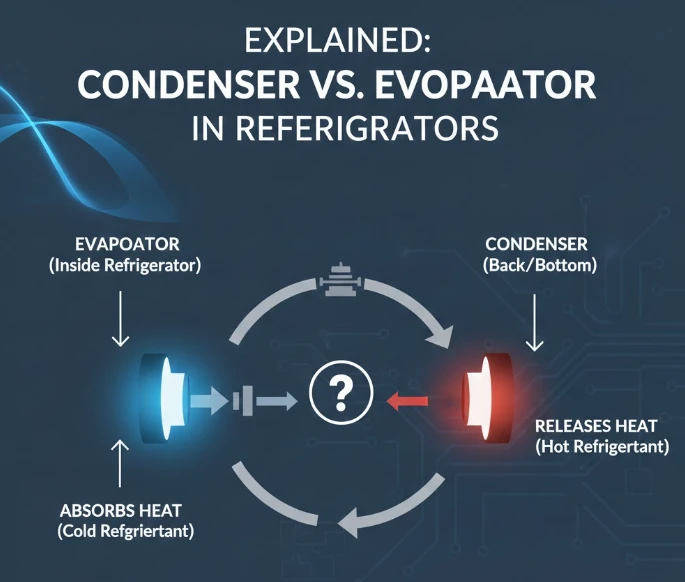
To understand gas selection, it helps to know how cooling actually happens. The refrigerant starts as a low-pressure gas inside the evaporator coil. As it absorbs heat from the refrigerator interior, it turns into a gas completely. This gas is then compressed, which raises its temperature and pressure.
Next, the hot gas passes through the condenser coils at the back of the refrigerator. Here, it releases heat into the surrounding air and turns back into a liquid. This liquid then flows through an expansion device, pressure drops, and the cycle repeats. The effectiveness of this process depends on the refrigerator cooling gas used.
Common Types of Refrigerator Gases Used Today
Over the years, refrigerant technology has evolved due to environmental concerns and efficiency improvements. Older gases were effective but harmful, while newer ones aim to balance performance with sustainability.
CFCs and HCFCs – Now Obsolete
Earlier refrigerators used gases like CFCs and HCFCs because they were stable and efficient. However, they were later found to damage the ozone layer. Due to their environmental impact, these gases are now banned or phased out globally.
HFCs – A Transitional Solution
HFCs replaced older refrigerants and are still found in some refrigerators. They do not harm the ozone layer, but they contribute to global warming. Because of this, many countries are gradually reducing their use.
Hydrocarbon Refrigerants – The Modern Choice
Hydrocarbon gases such as isobutane are widely used in modern refrigerators. They offer excellent cooling efficiency, consume less electricity, and have a very low environmental impact. Their flammability is managed through strict design and safety standards.
Which Gas Is Present in Modern Refrigerators?
Many consumers ask which gas is present in fridge units sold today. In most modern household refrigerators, the answer is a hydrocarbon refrigerant, typically isobutane. It has become the preferred choice due to its efficiency and eco-friendly properties.
Manufacturers clearly mention the refrigerant type on the refrigerator label. This information is useful for servicing, repairs, and understanding environmental impact.
Understanding Refrigerator Gas Names
Refrigerants are often referred to by codes rather than chemical names, which can be confusing. Each code represents a specific chemical composition with defined properties.
Knowing the refrigerator gas name helps technicians choose the correct replacement and ensures compatibility with the compressor and system design. Using the wrong gas can damage components and reduce cooling efficiency.
Environmental Impact of Refrigerant Gases
Refrigerant choice plays a major role in environmental protection. Older gases contributed to ozone depletion and global warming. Modern regulations focus on reducing Global Warming Potential (GWP) while maintaining performance.
Hydrocarbon refrigerants have very low GWP and zero ozone depletion potential. This makes them one of the most sustainable options available today. As environmental standards become stricter, the shift toward eco-friendly gases continues across the refrigeration industry.
Safety Considerations When Choosing a Refrigerator Gas
Safety is a key factor in refrigerant selection. While hydrocarbon gases are mildly flammable, modern refrigerators are designed with sealed systems and strict safety guidelines. The quantity of gas used is small, and the system design minimizes risk.
Technicians must follow proper handling procedures during repairs or servicing. Proper ventilation, correct tools, and adherence to safety standards ensure safe operation throughout the refrigerator’s lifespan.
Refrigerants Used in Heavy and Commercial Refrigeration
Domestic refrigerators and commercial systems have very different cooling requirements. Large cold storage units, supermarkets, and industrial plants operate at higher capacities and often under continuous load.
In such systems, the refrigerant used in heavy refrigeration is often chosen based on efficiency at scale, reliability, and cost-effectiveness. These refrigerants are designed to handle larger volumes and more demanding operating conditions while maintaining stable cooling.
Efficiency and Energy Consumption
The choice of refrigerant directly affects energy efficiency. Some gases absorb and release heat more effectively, allowing compressors to work less. This results in lower electricity consumption and reduced operating costs over time.
Modern eco-friendly refrigerants support energy-efficient designs. This is one reason newer refrigerators often consume significantly less power compared to older models, even when offering similar storage capacity.
How to Know Which Refrigerant Your Refrigerator Uses
You can usually find refrigerant information on the rating plate located inside the refrigerator or at the back. It lists the refrigerant type, quantity, and other technical details.
This information is important during servicing or when replacing components. Using the correct refrigerant ensures safe operation and optimal cooling performance.
Factors to Consider When Choosing the Right Gas
Manufacturers consider multiple factors before selecting a refrigerant. Cooling efficiency, environmental impact, safety, cost, and regulatory compliance all play a role.
For consumers, the focus should be on choosing refrigerators that use eco-friendly refrigerants and meet current energy standards. This ensures long-term savings and reduced environmental impact.
Conclusion
Choosing the right refrigerator gas is about more than just cooling. It affects energy efficiency, environmental sustainability, safety, and appliance lifespan. Over the years, refrigerants have evolved from harmful but effective gases to modern solutions that balance performance with responsibility.
Understanding how refrigerant gases work and why certain types are used helps consumers make smarter choices and technicians perform better service. As technology and regulations continue to advance, refrigerant selection will remain a critical factor in efficient and sustainable refrigeration.






























Sign in to leave a comment.