

Artificial intelligence (AI) is no longer a futuristic concept; it’s here, influencing everything from how we shop to how businesses operate. If you’ve ever wondered how to create your own AI, the good news is that advancements in technology have made it more accessible than ever. In this guide, we’ll break it down into easy steps so you can get started with confidence, even if you’re not a tech expert.
Step 1: Understand What AI Is
AI refers to computer systems that can perform tasks typically requiring human intelligence, such as problem-solving, learning, or understanding natural language. Common AI applications include:
- Machine Learning (ML): Teaching machines to learn from data.
- Natural Language Processing (NLP): Enabling machines to understand and generate human language.
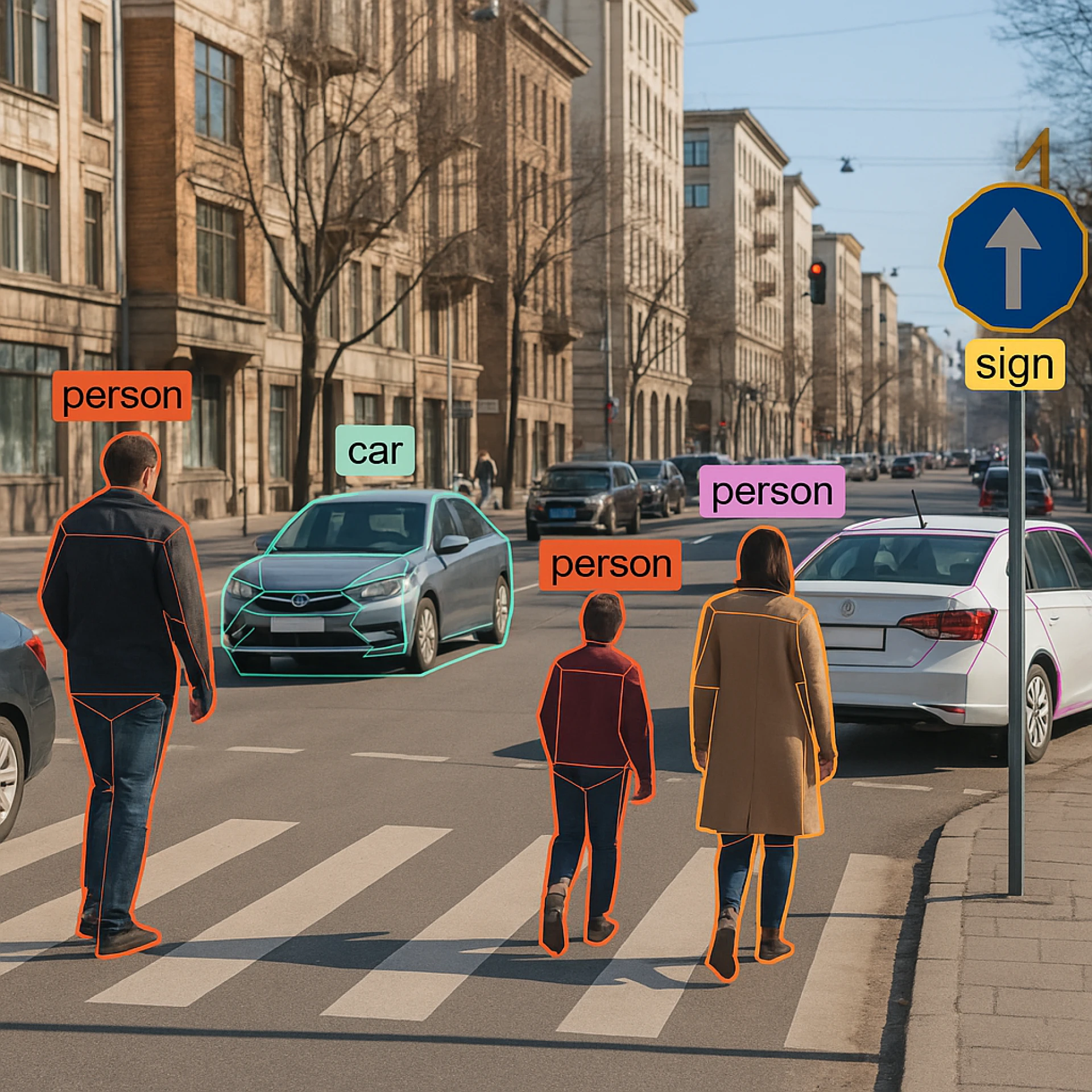
- Computer Vision: Allowing machines to interpret and process visual data.
Decide what kind of AI you want to build. Is it a chatbot? A recommendation system? A game-playing bot? Having a clear goal will guide your development process.
Step 2: Choose Your Tools and Platforms
You don’t need to build AI from scratch anymore. Here are some beginner-friendly tools and platforms to help:
- Google Colab: Free access to Python and AI tools in the cloud.
- TensorFlow and PyTorch: Popular frameworks for building and training AI models.
- AI APIs: Platforms like OpenAI, Hugging Face, or IBM Watson offer pre-trained models for text, image, and speech analysis.
Many platforms also provide drag-and-drop interfaces for building AI without coding experience.
Step 3: Gather and Prepare Data
Data is the lifeblood of AI. To train your AI system, you’ll need high-quality, relevant data. For example:
- Chatbot AI: Gather transcripts of conversations.
- Image Recognition AI: Collect labeled images of objects or scenes.
- Predictive AI: Compile historical data related to the problem you’re solving.
Tools like Kaggle offer free datasets to practice on. Remember to clean your data (remove duplicates or errors) to ensure your AI performs well.
Step 4: Train Your AI Model
Training involves teaching your AI system to recognize patterns in data. Here’s how:
- Choose an Algorithm: For example, decision trees, neural networks, or clustering algorithms.
- Feed the Data: Use your prepared dataset to train the model.
- Test and Refine: Split your data into training and testing sets to ensure the AI performs well on unseen data.
Most frameworks, like TensorFlow or Scikit-learn, simplify this process with built-in tools and libraries.
Step 5: Deploy Your AI
Once your AI performs well, it’s time to make it usable for others. Deployment options include:
- Web Apps: Use platforms like Flask, Django, or Bubble.io to integrate your AI into a web application.
- Mobile Apps: AI can be embedded into Android or iOS apps using development kits.
- APIs: Expose your AI as an API so others can use it in their projects.
Step 6: Keep Improving
AI isn’t a “set it and forget it” technology. To stay relevant and effective:
- Continuously collect fresh data.
- Update your models to adapt to changing conditions.
- Monitor performance metrics to identify areas for improvement.
Pro Tips for Beginners
- Start Small: Don’t aim for complex projects initially. Try building a simple chatbot or recommendation engine.
- Learn Python: Python is the go-to language for AI and has a wealth of resources for beginners.
- Join Communities: Platforms like Stack Overflow, Reddit, and Kaggle have active AI communities where you can learn and seek help.
Final Thoughts
Creating an AI might seem intimidating at first, but it’s an achievable goal with the right resources and mindset. Start with a clear goal, utilize beginner-friendly tools, and focus on learning step by step. With dedication, you’ll be able to create AI systems that solve real-world problems, whether for personal projects or business applications.
Get started today, and who knows? Your AI might just be the next big thing!
























Sign in to leave a comment.