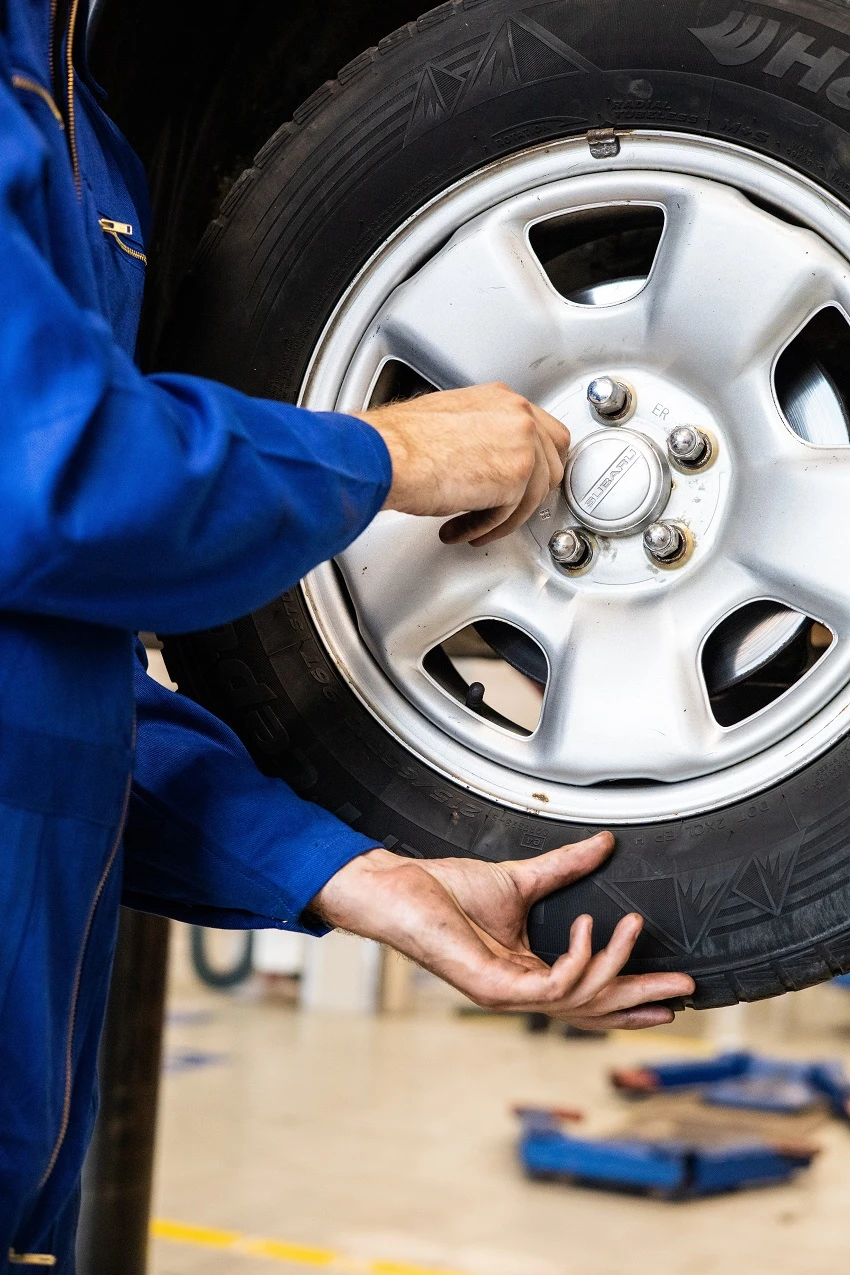

Keeping your car safe is a top priority for any driver. One way to ensure your vehicle’s safety is to stay on top of tire pressure sensor warnings that may arise. In this article, we will discuss everything you need to know about these sensors and how to properly address any warning signs that can potentially put your car at risk. So read on and find out how you can keep yourself and your car safe!
Introduction
Your car's tire pressure sensor is designed to warn you when your tires are low on air. It's Tire Pressure Sensor Warnings that can help you avoid a blowout or other problems on the road.
If you get a tire pressure sensor warning, don't ignore it! Check your tires as soon as possible and add air if needed. You may need to check the sensors themselves to make sure they're working properly.
Keep your car safe by following these tips on how to deal with tire pressure sensor warnings.
What is a Tire Pressure Sensor?
A tire pressure sensor is a small, electronic device that is mounted on the inside of a vehicle's tires. The sensor monitors the air pressure in the tires and sends a signal to the vehicle's computer when the pressure drops below a certain level. The computer then displays a warning message on the dash board, telling the driver that the tire pressure is low.
Tire pressure sensors are an important safety feature, as they help to prevent blowouts and other problems caused by underinflated tires. It is important to check your tires' pressure regularly, and to inflate them to the correct level if they start to get low. You should also have your tire pressure checked at least once a year by a professional mechanic.
Identifying a Faulty Tire Pressure Sensor
If your car is equipped with a tire pressure sensor, it's important to know how to identify a faulty sensor. Otherwise, you may continue to drive on low tire pressure, which can be dangerous.
There are a few telltale signs that your tire pressure sensor is not working properly:
The "low tire pressure" warning light on your dash is constantly illuminated, even when all tires are inflated to the proper pressure.
Your car's computer system is showing incorrect or erratic tire pressure readings.
The tire pressure readings from the sensors are significantly different from each other.
If you notice any of these problems, it's time to take your car to a mechanic and have the sensors checked. In some cases, the sensors may just need to be reset or recalibrated. But if the sensors are damaged or defective, they will need to be replaced.
Assessing the Damage and Repair Costs
If you get a tire pressure sensor warning, the first thing you should do is check the pressure in all four tires. If one or more of the tires is low, add air until it reaches the recommended pressure. You can usually find this information on a placard inside the driver's door frame or in your owner's manual.
Once you've checked and inflated the tires as needed, restart your car to see if the warning goes away. If it doesn't, or if you're unsure about what to do, take your car to a nearby tire or service center for help.
There are a few different things that could be causing a tire pressure sensor warning, so it's important to have a professional take a look at your car to diagnose the problem and recommend the best course of action. In some cases, simply adding air to your tires will fix the problem. But if there's a more serious issue, such as a leak in one of the tires, you'll need to get it repaired or replaced before driving any further.
The cost of repairing or replacing a tirepressure sensor will vary depending on the severity of the problem and whether you do it yourself or have it done by a professional. However, it's generally not an expensive fix, so don't hesitate to get it taken care of right away to avoid any potential problems down the road.
How to Check Your Tire Pressure Regularly
It is important to check your tire pressure regularly to avoid a tire pressure sensor warning. You can check your tire pressure with a digital tire pressure gauge or a analog tire pressure gauge.
To check your tire pressure with a digital tire pressure gauge, follow these steps:
1. Remove the cap from the valve stem on your tire.
2. Press the button on the digital tire pressure gauge.
3. Place the digital tire pressure gauge over the valve stem on your tire.
4. The digital tire pressure gauge will display the current air pressure in your tires.
5. Compare the air pressure in your tires to the
recommended air pressure for your vehicle. You can find the recommended air pressure for your vehicle in the owner’s manual or on the door placard of your vehicle. If the air pressure in your tires is lower than the recommended air pressure, add air to your tires until you reach the recommended air pressure. If the air pressure in your tires is higher than the recommended air pressure, release some of theair fromyour tires until you reachthe recommendedairpressure.
6. Repeat steps 1 through 5 for each ofthe othertiresonyourvehicle.
7. Putthecap backon eachofvalvestems whenyouarefinishedcheckingandaddingairtopressuretoeachofthetiresonyourvehicle
Tips for Proper Maintenance and Safety
If your car has a tire pressure sensor warning system, it's important to know how to properly maintain and care for it. Here are some tips:
- Check your car's tire pressure regularly. This will help you avoid potential problems and keep your car safe on the road.
- If your car's tire pressure sensor warning light comes on, don't ignore it! Stop and check your tires as soon as possible.
- When checking or filling your tires, be sure to use the correct type of air compressor. Incorrectly using an air compressor can damage your car's tire pressure sensor.
- Be careful when driving over rough roads or potholes. Hitting a bump too hard can damage your car's tire pressure sensor.
Following these tips will help you properly maintain your car's tire pressure sensor warning system and keep your car safe on the road.
Conclusion
Tire pressure sensors are a great way to keep your car safe and running efficiently. By understanding what tire pressure sensor warnings mean, how they work and how to properly address them, you can ensure that your car is getting the best care possible. If you have any questions or concerns about tire pressure sensors in your car, it's always a good idea to consult with an expert mechanic for advice. With these tips in mind, you'll be able to drive confidently knowing that your tires are properly cared for and will help keep you safe on the road
0
0
0
0


























Sign in to leave a comment.