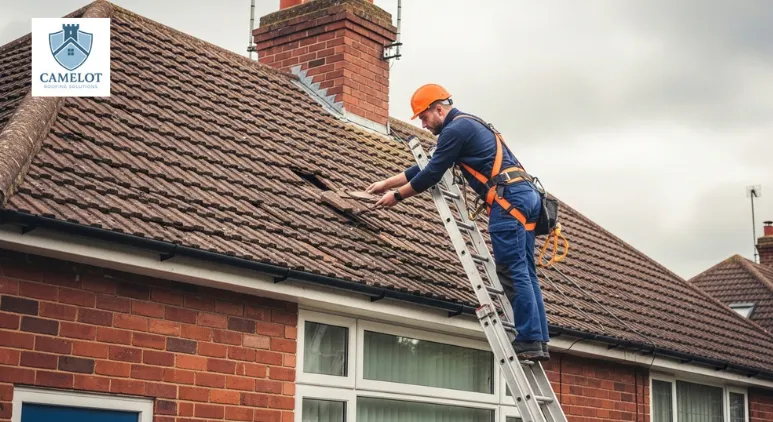

A leaking roof is one of the most urgent problems a homeowner can face in the UK. With constant rain, storms, and seasonal weather shifts, even a small roof issue can quickly turn into serious water damage.
If ignored, a roof leak can damage ceilings, insulation, walls, and even the structural foundation of your home. That’s why understanding the causes of roof leaks, how to fix a leaking roof, and how to prevent them is essential for every UK homeowner.
What Causes a Leaking Roof in the UK
1. Heavy Rainfall & Storm Damage
2. Broken or Missing Roof Tiles
3. Damaged Roof Flashing
4. Blocked Gutters (Very Common in UK Homes)
5. Ageing Roof Structure
6. Poor Installation Work
How to Identify a Roof Leak Early
Early detection is the most cost-effective way to prevent major roof damage and repair in the UK.
Inside Your Home (Interior Warning Signs)
Look for:
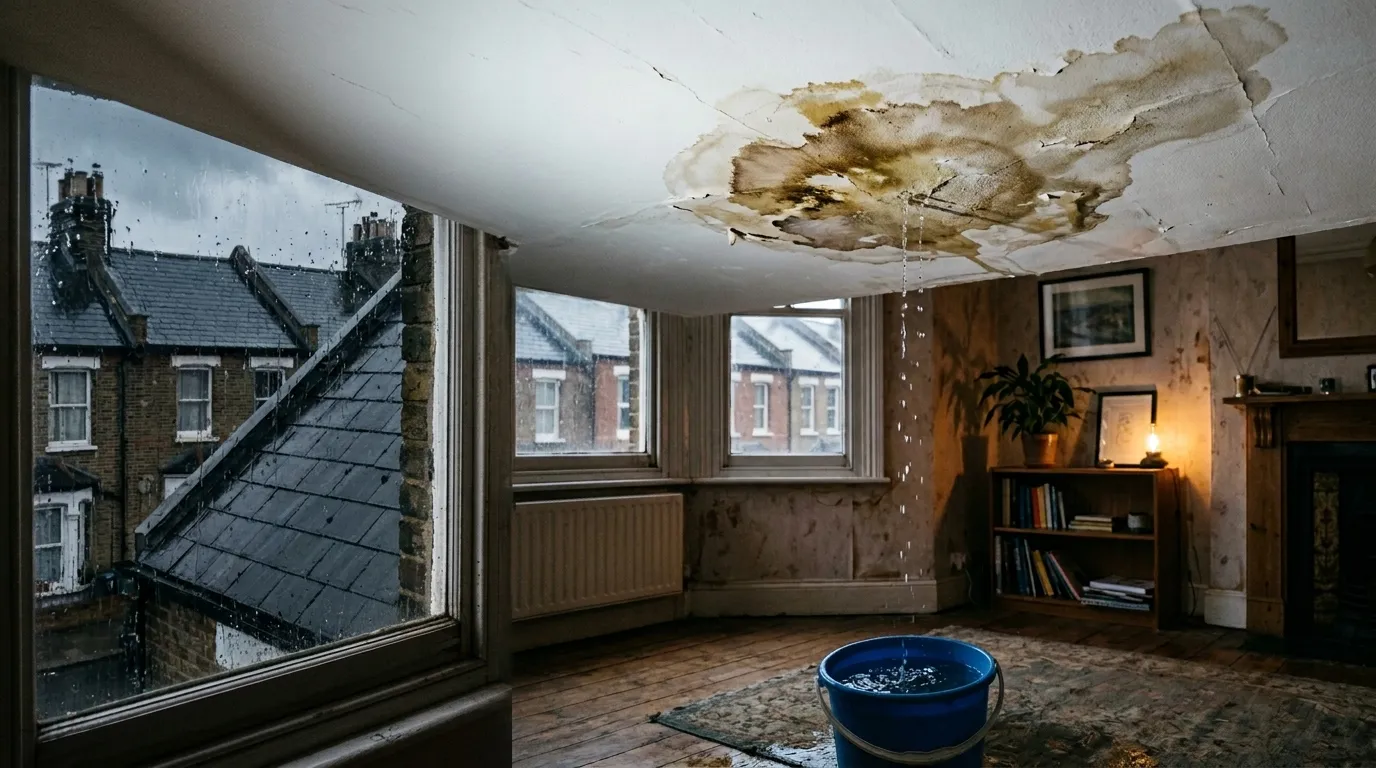
- Brown or yellow ceiling stains
- Peeling paint or wallpaper
- Persistent damp smell
- Water dripping after rainfall
These signs indicate active roof water leakage inside the home.
In the Loft / Attic
Inspect carefully for:
- Wet or compressed insulation
- Dark patches on wooden beams
- Moisture trails running along rafters
- Visible dripping after rain
Moisture patterns help locate the exact roof leak source.
Outside the Roof
Check for:
- Missing or cracked roof tiles
- Sagging roof sections
- Damaged or rusted flashing
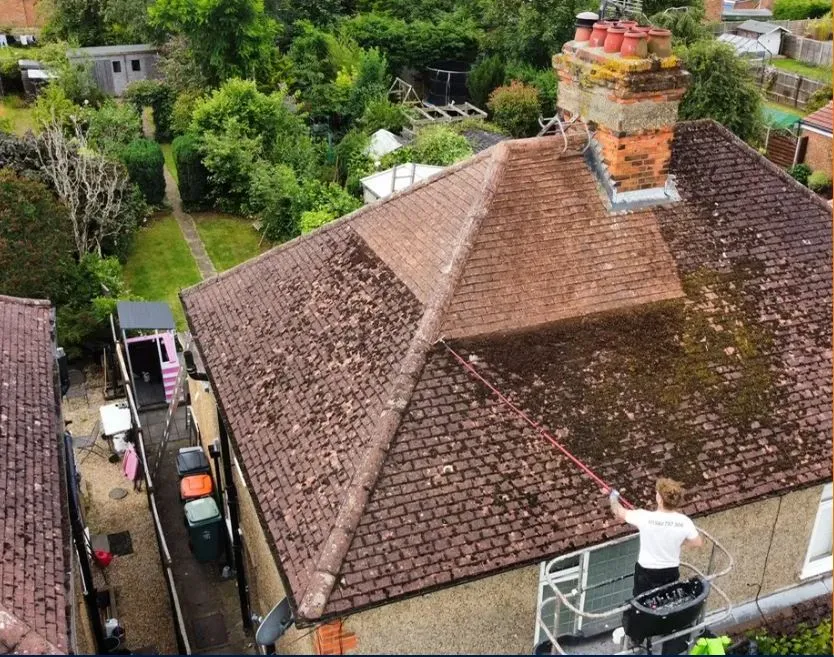
- Moss-covered weak areas
External inspection helps confirm roof leak repair requirements.
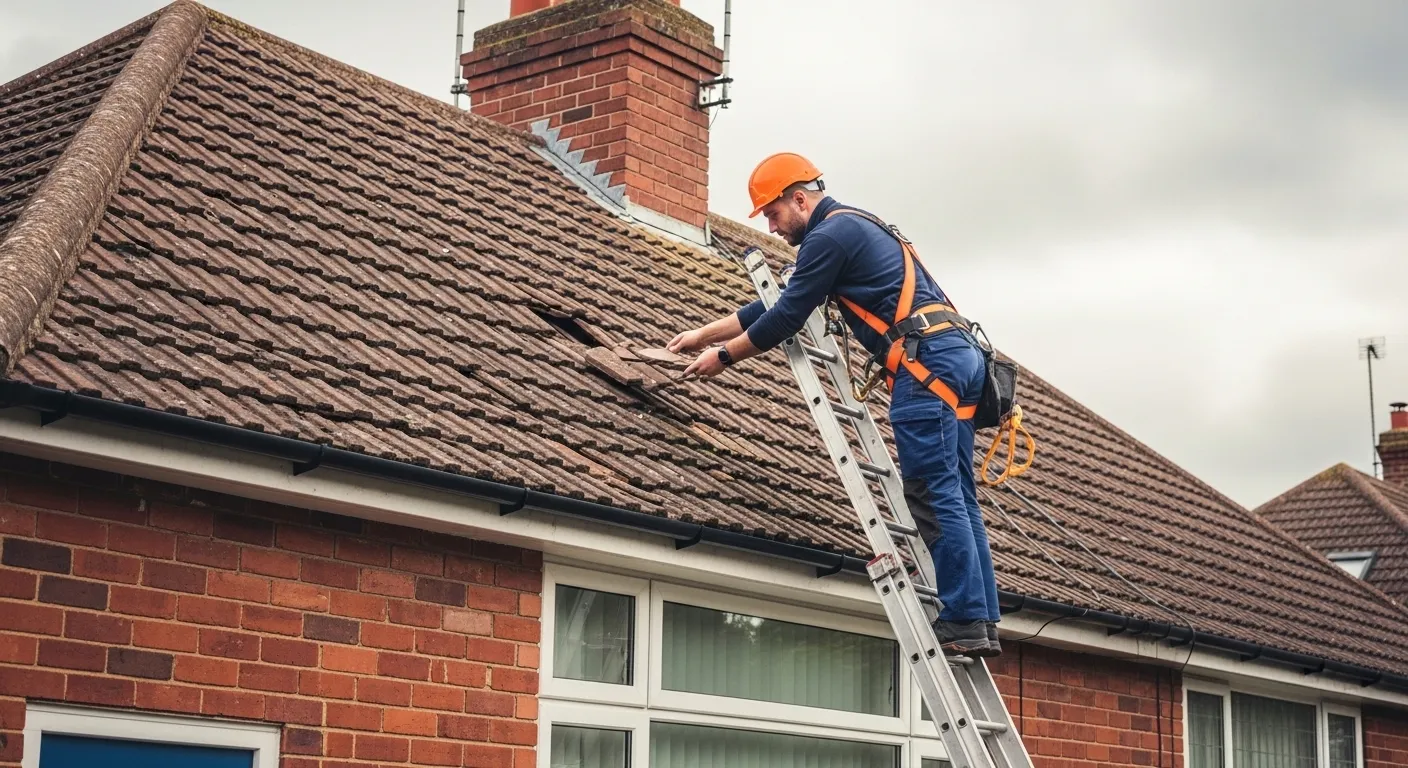
Step-by-Step Guide: How to Fix a Leaking Roof
Fixing a leaking roof in the UK requires a structured and careful approach. In professional roof leak repair UK services, every step is done in order because skipping even one stage can lead to recurring leaks, hidden water damage, or structural issues.
Below is a complete step-by-step process used by roofing professionals across the UK.
Step 1: Safety Inspection Before Roof Work Begins
Before any physical repair is done, the first and most important step is ensuring full safety. A leaking roof often becomes slippery due to rain, moss, and moisture buildup, which increases the risk of accidents.
You should carefully inspect the roof condition from ground level first. If the roof looks unstable, heavily damaged, or extremely wet, avoid climbing it completely. Always use a strong ladder placed on stable ground and wear non-slip footwear. In professional roof repair in the UK, a safety assessment is mandatory before any repair begins.
If there is any doubt about structural stability, it is always safer to contact a qualified roofer instead of attempting DIY repair.
Step 2: Identifying the Exact Roof Leak Source
The second step in roof leak repair UK methods is accurately identifying where the water is entering. This step is critical because water rarely drips directly from the entry point.
Start inside the loft or attic and carefully inspect wooden beams and insulation. Look for moisture trails, dark stains, or wet patches. These markings often show the path water has taken through the roof structure.
Next, move to external inspection and check for missing tiles, damaged flashing, or cracked roofing material. You must trace the moisture path from inside upward to locate the real entry point of the roof water leakage problem.
Step 3: Cleaning the Damaged Roof Area Properly
Once the leak source is identified, the next step is cleaning the affected area before applying any repair materials. In roof leak repair UK, surface preparation is extremely important because dirt and moss reduce the effectiveness of sealants.
Carefully remove moss, leaves, dust, and any loose debris from the damaged area. If old sealant or broken roofing material is present, it should also be removed completely. A clean surface ensures proper adhesion for waterproof materials and prevents future leakage from the same point.
Without proper cleaning, even high-quality repair materials will fail over time.
Step 4: Applying Temporary Emergency Roof Leak Fix
If the roof is actively leaking during rain or cannot be repaired immediately, a temporary emergency fix must be applied to prevent further damage. This is a common practice in emergency roof leak repair in the UK.
You can use waterproof roofing tape to seal small cracks or exposed joints. For larger damage, a heavy-duty waterproof tarpaulin should be placed over the affected roof section and securely fastened to prevent wind movement. Bitumen-based sealant can also be used for quick sealing of minor gaps if conditions are safe.
This step is not a permanent solution, but is essential for controlling water entry and protecting the interior of the home.
Step 5: Replacing Broken or Missing Roof Tiles
One of the most common causes of a leaking roof in the UK is damaged or missing roof tiles. Once temporary control is done, the next step is to permanently fix the structural issue.
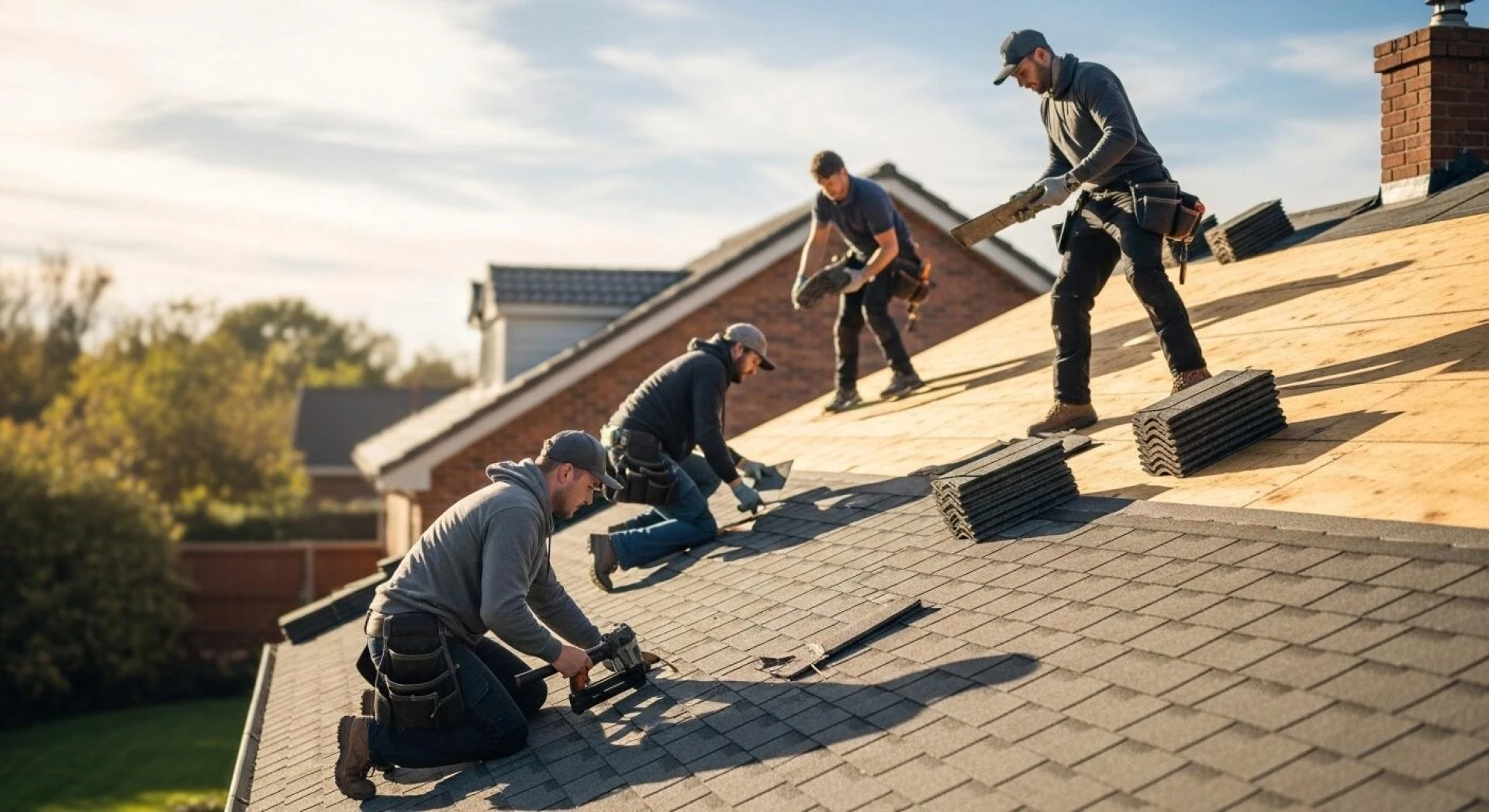
Carefully lift surrounding tiles without causing further breakage. Remove all damaged or displaced tiles and inspect the underlay beneath for any hidden moisture damage. Replace the broken tiles with matching ones to maintain roof integrity and proper alignment.
Once installed, ensure tiles are firmly secured to prevent wind displacement during storms, which is a frequent cause of repeated roof leak repair UK cases.
Step 6: Repairing or Replacing Roof Flashing
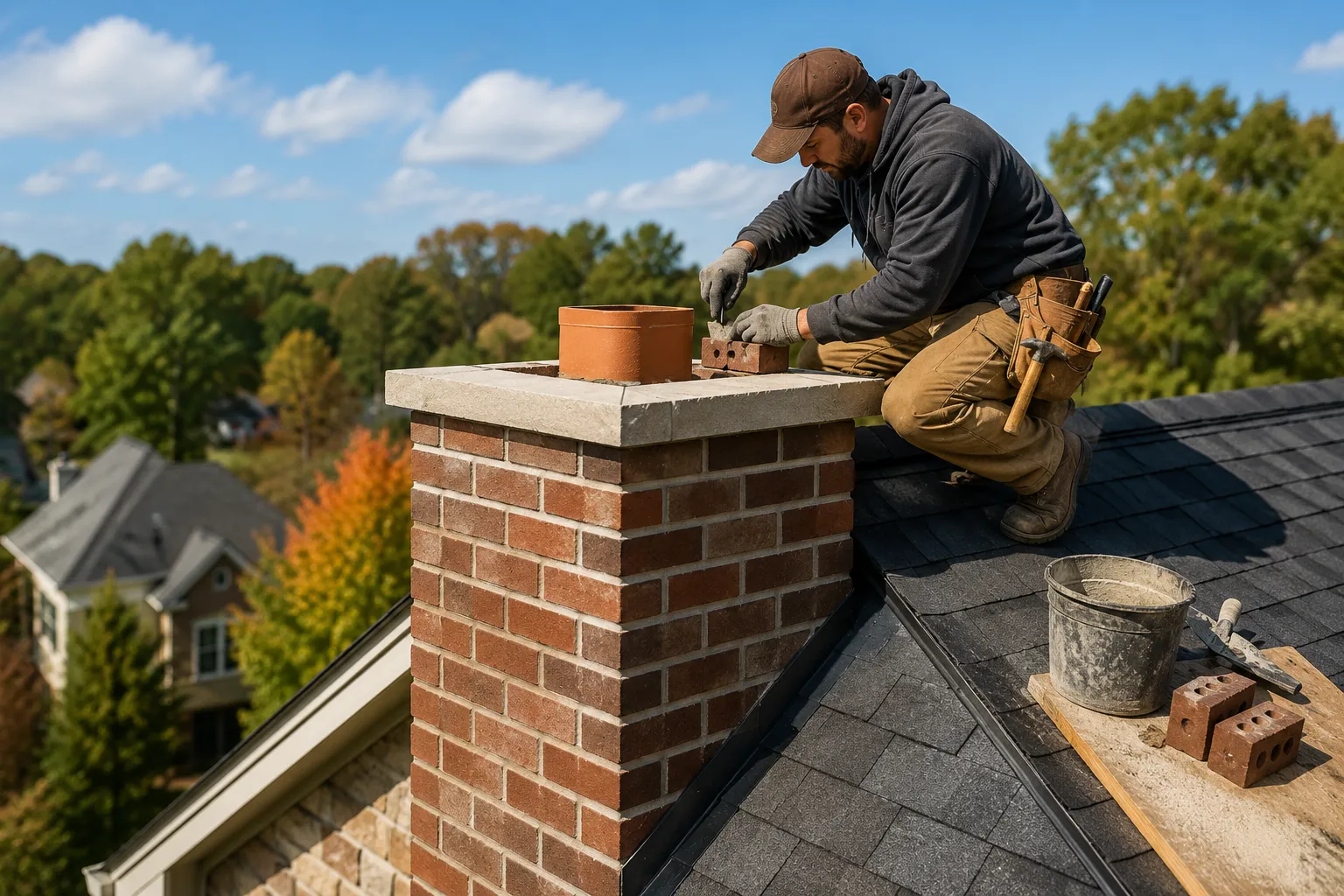
Roof flashing is a critical waterproofing component installed around chimneys, vents, and roof joints. When flashing becomes damaged or loose, it creates hidden entry points for rainwater.
To repair it, carefully remove the old or damaged flashing material. Clean the surface thoroughly to remove rust, dirt, or old sealant. Then install new flashing material and secure it properly using roofing cement or waterproof adhesive.
This step is extremely important because faulty flashing is often responsible for hidden and recurring roof water leakage problems in UK homes.
Step 7: Sealing Roof Cracks, Joints, and Weak Areas
After major repairs are completed, small cracks and weak points must be sealed to ensure full waterproof protection. This step strengthens the overall durability of the roof system.
Apply roofing cement or waterproof coating on all vulnerable areas such as tile joints, roof edges, chimney junctions, and vent openings. These areas are commonly exposed to heavy rain impact in UK weather conditions.
Proper sealing helps prevent micro-leaks that can grow into larger structural damage over time.
Step 8: Cleaning and Maintaining Gutters for Proper Drainage
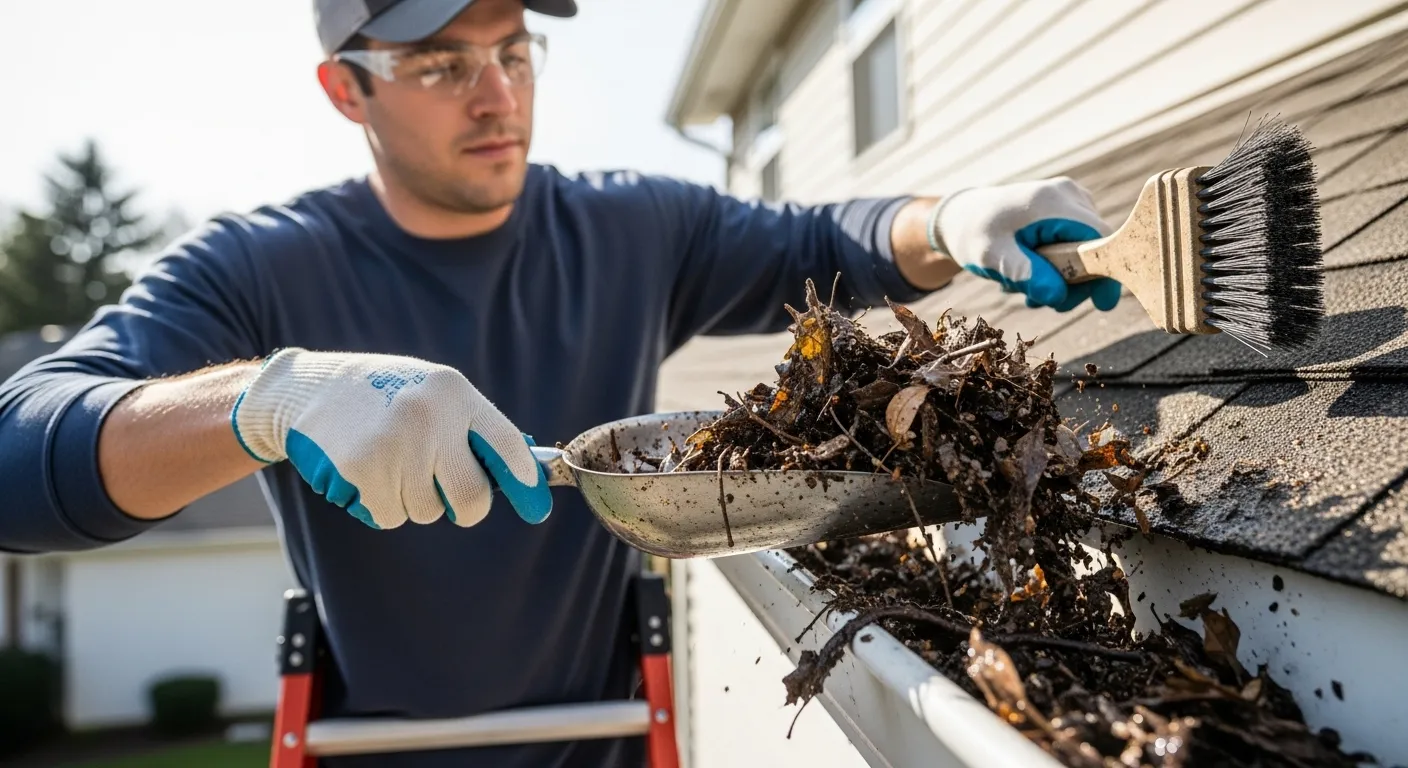
Gutters play a major role in roof drainage, and blocked gutters are a common reason for repeated leaks in UK homes. When gutters are clogged, rainwater overflows and flows back into the roof edges, causing dampness and internal leaks.
Carefully remove all leaves, moss, and debris from gutters and ensure water flows smoothly through downpipes. Regular gutter maintenance is a key part of a long-term roof leak prevention UK strategy and helps avoid future repair costs.
Step 9: Emergency Storm Protection for Active Roof Leaks
During heavy storms or extreme rainfall, full repair is not always possible. In such cases, emergency protection is required to minimise damage.
You should immediately place containers under indoor leak points and move valuable items away from affected areas. If safe, cover external roof damage with waterproof tarpaulin to reduce water entry. Avoid climbing onto the roof during storms, as it is extremely dangerous and unstable.
If you’re unsure about the damage, getting help from experienced roofing contractors in Hackney can quickly identify hidden roof leak issues.
Prevention Tips
To avoid future roof leak repair UK costs:
- Inspect the roof twice a year
- Clean gutters regularly
- Replace broken tiles immediately
- Trim nearby trees
- Apply waterproof coating when needed
Regular maintenance can help avoid expensive roof leak repair UK issues, and booking experienced roofers in London for yearly inspections is always a smart preventive step.
Conclusion
Understanding how to fix a leaking roof in the UK is essential for protecting your home from long-term damage. With proper inspection, timely repair, and preventive maintenance, most roof leaks can be controlled before they become expensive structural problems.
If you notice signs of a leaking roof in the UK, contacting experienced roofers in Hackney early can help prevent costly structural damage.


























Sign in to leave a comment.