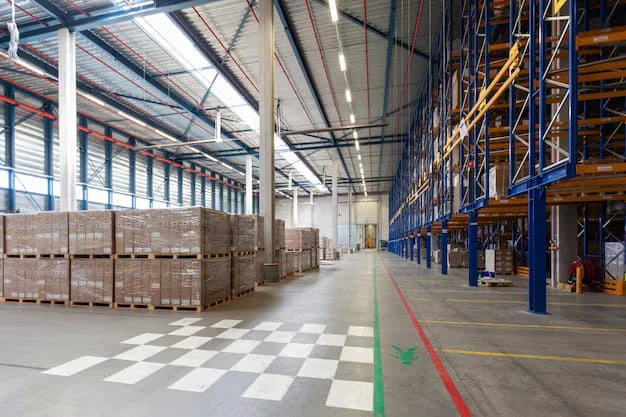

A drive-in pallet racking system is a highly effective storage solution for businesses that need to maximize warehouse space and improve inventory management. With the increasing demand for efficient, organized storage, many businesses are turning to drive-in systems to optimize their warehouse operations. This article will walk through the process of implementing a drive-in pallet racking system in a warehouse, covering everything from its benefits to the key steps involved in installation and maintenance.
Understanding the Drive-In Pallet Racking System
Before diving into the implementation process, it’s important to understand what a drive-in pallet racking system is and how it works.
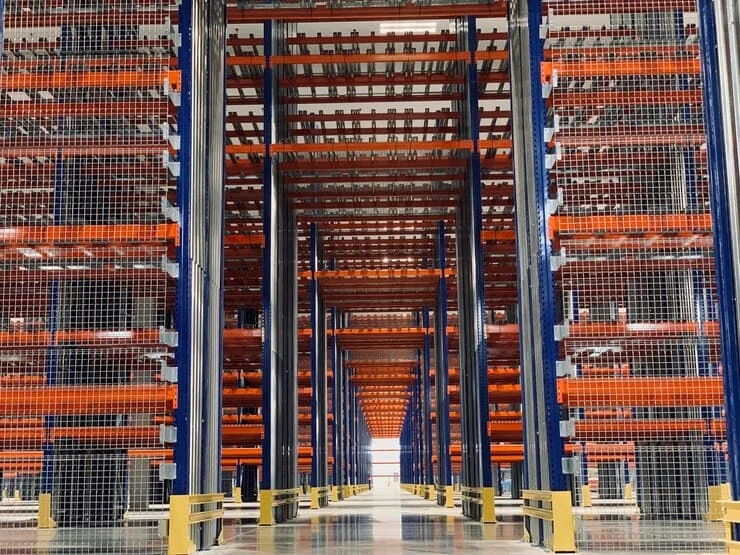
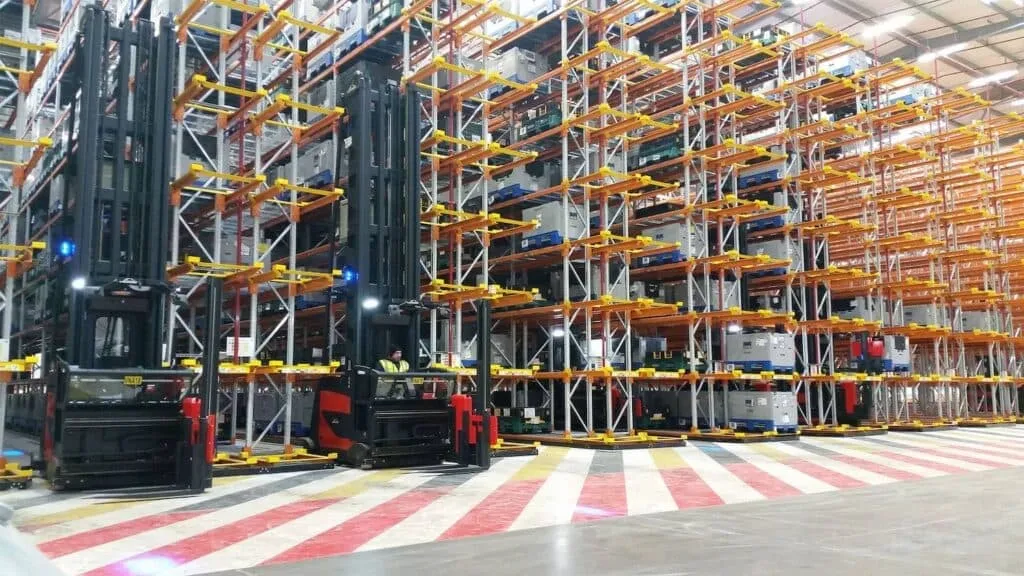
A drive-in pallet racking system is a type of storage solution where forklifts can drive directly into the racking structure to place or retrieve pallets. This system is particularly useful in warehouses where there is a need for high-density storage, as it allows for the storage of pallets in multiple deep rows, making better use of available space.
Unlike traditional selective racking systems, where pallets are stored one in front of the other, drive-in systems allow multiple pallets to be stored in a single row. Forklifts enter the racking lanes and place pallets at the back, and as needed, retrieve pallets from the front, reducing aisle space and increasing storage density.
Benefits of a Drive-In Pallet Racking System
Implementing a drive-in pallet racking system offers several key benefits for warehouse operations:
Maximized Space Utilization
One of the primary advantages of the drive-in system is the ability to store a large number of pallets in a smaller footprint. By eliminating the need for multiple aisles, this system utilizes the vertical space in a warehouse, offering higher storage density and reducing unused space.
Improved Inventory Control
Drive-in racking systems can improve inventory control by offering easier access to items that are regularly rotated. With fewer aisles and more efficient storage, tracking inventory becomes simpler and more accurate, ensuring that goods are easy to locate.
Cost-Effective Solution
While the initial investment may seem high, drive-in pallet racking systems can reduce operational costs over time. With increased storage capacity, businesses can reduce the need for expanding warehouse space or using additional storage methods, which translates to long-term savings.
Faster and More Efficient Forklift Operations
In drive-in racking systems, forklifts can enter the racking lanes directly, making the loading and unloading process faster and more efficient. This means less time spent maneuvering forklifts in narrow aisles, leading to higher overall productivity.
Key Considerations Before Implementing a Drive-In Pallet Racking System
Before implementing a drive-in pallet racking system in a warehouse, several factors should be carefully considered:
Warehouse Layout
A warehouse’s layout plays a significant role in the feasibility of installing a drive-in pallet racking system. The system works best in warehouses with long, straight aisles and sufficient height to accommodate high-density storage. A thorough evaluation of the space should be done to ensure the racking system can be integrated effectively.
Types of Products
Drive-in systems are best suited for products that are of uniform size and weight. Items that require different types of handling, such as delicate or irregularly shaped goods, may not be suitable for this type of racking system. Additionally, businesses should consider the speed at which goods move in and out of the warehouse, as some systems are better suited for high-turnover products while others are more suited for long-term storage.
Forklift Capacity and Capability
The type of forklifts used in the warehouse will directly impact the performance of the drive-in racking system. Ensure that the forklifts are capable of safely navigating the racking lanes and handling the weight of the pallets stored in the system. Consider factors such as lift height and turning radius to determine the appropriate forklift for the system.
Safety and Compliance
Safety is paramount when installing any racking system. Drive-in racking systems require proper installation and adherence to safety standards to avoid accidents and injuries. It’s crucial to ensure that the racking structure is compliant with local regulations and that it has proper safety features such as load limits and safety barriers.
Steps for Implementing a Drive-In Pallet Racking System
Once the key considerations have been reviewed, it’s time to start implementing the system. Below are the key steps involved in setting up a drive-in pallet racking system:
1. Conduct a Warehouse Assessment
The first step is to assess the current layout of the warehouse and determine whether the drive-in pallet racking system is the best option. Consider factors such as the size of the warehouse, the types of goods stored, the flow of traffic, and the available vertical space. If necessary, consult with a storage expert to ensure that the system will meet your storage needs.
2. Design the Racking System
Based on the warehouse assessment, design the racking system. This step involves choosing the appropriate drive-in racking configuration, whether it’s single deep or double deep racking, and determining the necessary dimensions for the racking units. During this stage, it’s essential to take into account the weight, size, and turnover of the goods to ensure that the racking system will be able to handle the required load.
3. Choose the Right Equipment
Selecting the right equipment for the installation of the drive-in pallet racking system is crucial. This includes forklifts capable of navigating the narrow aisles of the racking system. Additionally, you’ll need to choose the correct types of racks, such as structural or roll-formed, based on your specific needs.
4. Install the Racking System
After finalizing the design and equipment, the installation process begins. The racking units are assembled and positioned according to the plan. Proper installation is critical to ensure stability, safety, and efficiency. It’s highly recommended to have a professional installation team to guarantee that the racking system is set up correctly and meets all safety standards.
5. Train Warehouse Staff
Once the racking system is in place, training your warehouse staff is essential. Employees should be educated on how to properly operate forklifts in the racking lanes, load and unload pallets efficiently, and follow all safety protocols to minimize risks of damage or accidents.
6. Perform Regular Maintenance
After the system is up and running, regular maintenance is necessary to keep everything in good working order. This includes inspecting the racking system for any signs of wear or damage, checking the condition of forklifts, and ensuring that safety measures are being followed.
Challenges in Implementing a Drive-In Pallet Racking System
While the drive-in pallet racking system offers numerous benefits, there are some challenges to keep in mind:
Limited Accessibility
One of the main limitations of a drive-in pallet racking system is that it typically operates on a first-in, last-out (FILO) basis. This means that the oldest items are stored at the back of the racking lanes, and the newest items are placed at the front. As a result, retrieval of older items may take more time, especially if there’s a need to move multiple pallets to reach them.
Space for Equipment
A drive-in system requires ample space for the forklifts to maneuver, especially in narrow aisles. Without proper space planning, the system can become inefficient or difficult to use. It’s essential to plan for forklift traffic and ensure that operators have enough room to work safely.
Investment and Costs
Although drive-in pallet racking systems can save money in the long run, they do come with an upfront investment. The cost of installation, equipment, and ongoing maintenance should be factored into the overall budget. Businesses need to evaluate whether the system is worth the investment based on their storage and operational needs.
Conclusion
Implementing a drive-in pallet racking system in a warehouse can significantly improve storage capacity, streamline inventory management, and enhance overall operational efficiency. However, it’s essential to carefully consider the layout of the warehouse, the types of goods being stored, and the equipment required to ensure that the system is properly set up and maintained.
By following the steps outlined in this guide, businesses can successfully integrate a drive-in pallet racking system that maximizes space and reduces operational costs.

























Sign in to leave a comment.