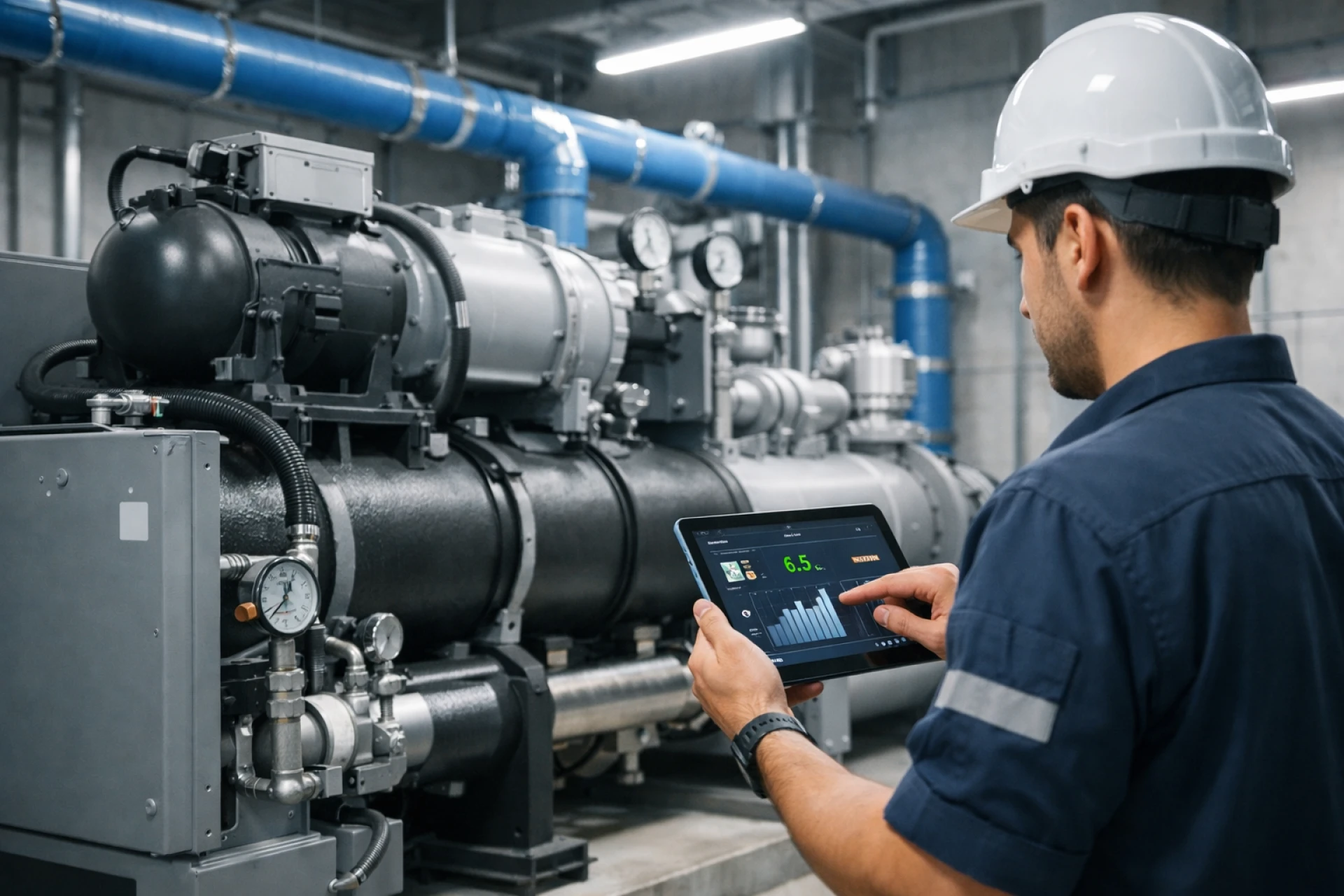

In the UAE, water chillers operate under extreme climate conditions for most of the year. High ambient temperatures increase system load, which directly impacts electricity consumption. If your chiller is not operating efficiently, energy bills can rise sharply.
Improving efficiency is not complicated. It requires proper monitoring, routine maintenance, and correct system settings. Below are practical methods that deliver measurable results.
Why Chiller Efficiency Is Critical in the UAE?
- Chillers can account for up to 50 percent of total building electricity use
- High outdoor temperatures increase condenser pressure
- Poor maintenance leads to excessive compressor load
- Even small inefficiencies increase DEWA or SEWA bills significantly
With energy costs rising, optimising performance is essential for commercial buildings, hotels, hospitals, malls, and industrial facilities.
Clean Heat Exchangers on Schedule
Dust, sand particles, and scaling are common in UAE conditions. These reduce heat transfer efficiency.
When condenser or evaporator tubes are dirty:
- Compressor runs longer
- Power consumption increases
- Cooling capacity drops
Schedule mechanical or chemical cleaning at least once or twice a year depending on water quality. Monitor approach temperature to detect early fouling.
Maintain Correct Water Flow Rates
Improper water flow is a common issue in commercial buildings.
Low flow results in poor cooling performance.
High flow increases pump energy consumption.
Ensure:
- Pumps operate within design parameters
- Strainers are clean
- No air is trapped in the system
- Flow rates match manufacturer specifications
Balanced flow improves efficiency and protects equipment.
Optimize Chilled Water Temperature Settings
Setting the chilled water temperature too low increases compressor workload.
For most UAE commercial buildings:
- 6 to 7°C supply temperature is sufficient
- Avoid lowering setpoints unless required for process cooling
Increasing the setpoint by 1°C can reduce energy consumption by 2 to 3 percent without affecting comfort levels.
Improve Cooling Tower Performance
For water cooled chillers, cooling tower efficiency is critical.
High ambient temperatures already increase condenser load. If the cooling tower is not working properly, the chiller consumes more electricity.
Check regularly:
- Fill media cleanliness
- Fan operation
- Water distribution
- Proper chemical treatment
- Condenser water temperature
Lower condenser water temperature improves overall system efficiency.
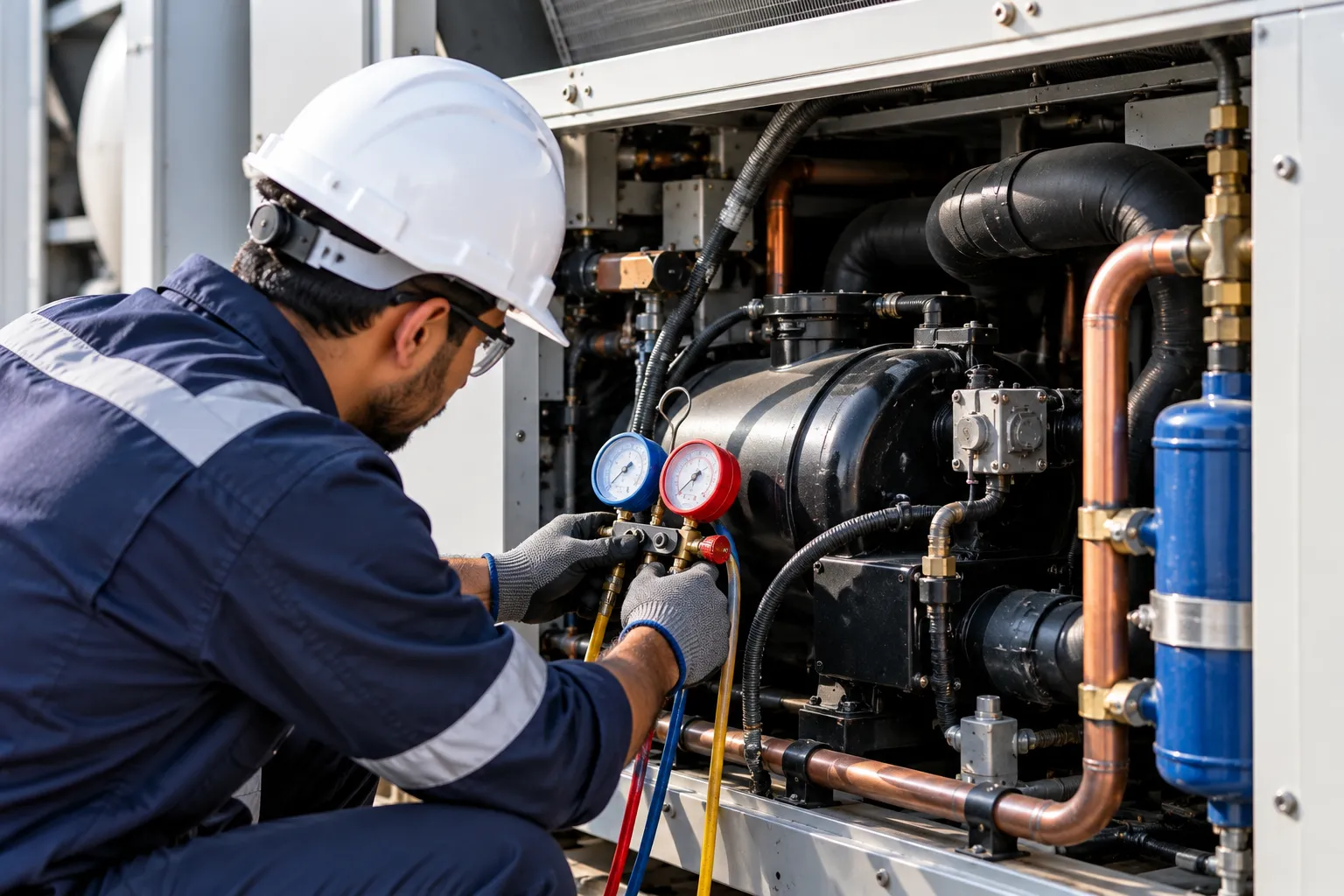
Check Refrigerant Charge and System Pressures
Incorrect refrigerant levels reduce cooling efficiency and increase compressor power draw.
Warning signs include:
- High discharge temperature
- Low cooling output
- Unusual pressure readings
- Rising electricity consumption
Routine inspections prevent long term damage and unnecessary costs.
Install Variable Frequency Drives
If your system operates at constant speed, it consumes maximum energy even when load demand is low.
Variable Frequency Drives on:
- Compressors
- Chilled water pumps
- Cooling tower fans
allow the system to adjust speed based on real demand. This can significantly reduce power usage in part load conditions, which are common during night hours and winter months in the UAE.
Insulate Pipes and Valves Properly
In hot climates, poor insulation leads to heat gain in chilled water lines.
Inspect regularly:
- Pipe insulation
- Valve insulation
- Flanges and fittings
Damaged insulation increases cooling demand and compressor run time.
Monitor Performance Data
Track key parameters regularly:
- kW per ton
- Entering and leaving water temperatures
- Compressor amperage
- Condenser approach temperature
Compare readings with design performance data. Sudden changes often indicate developing issues.
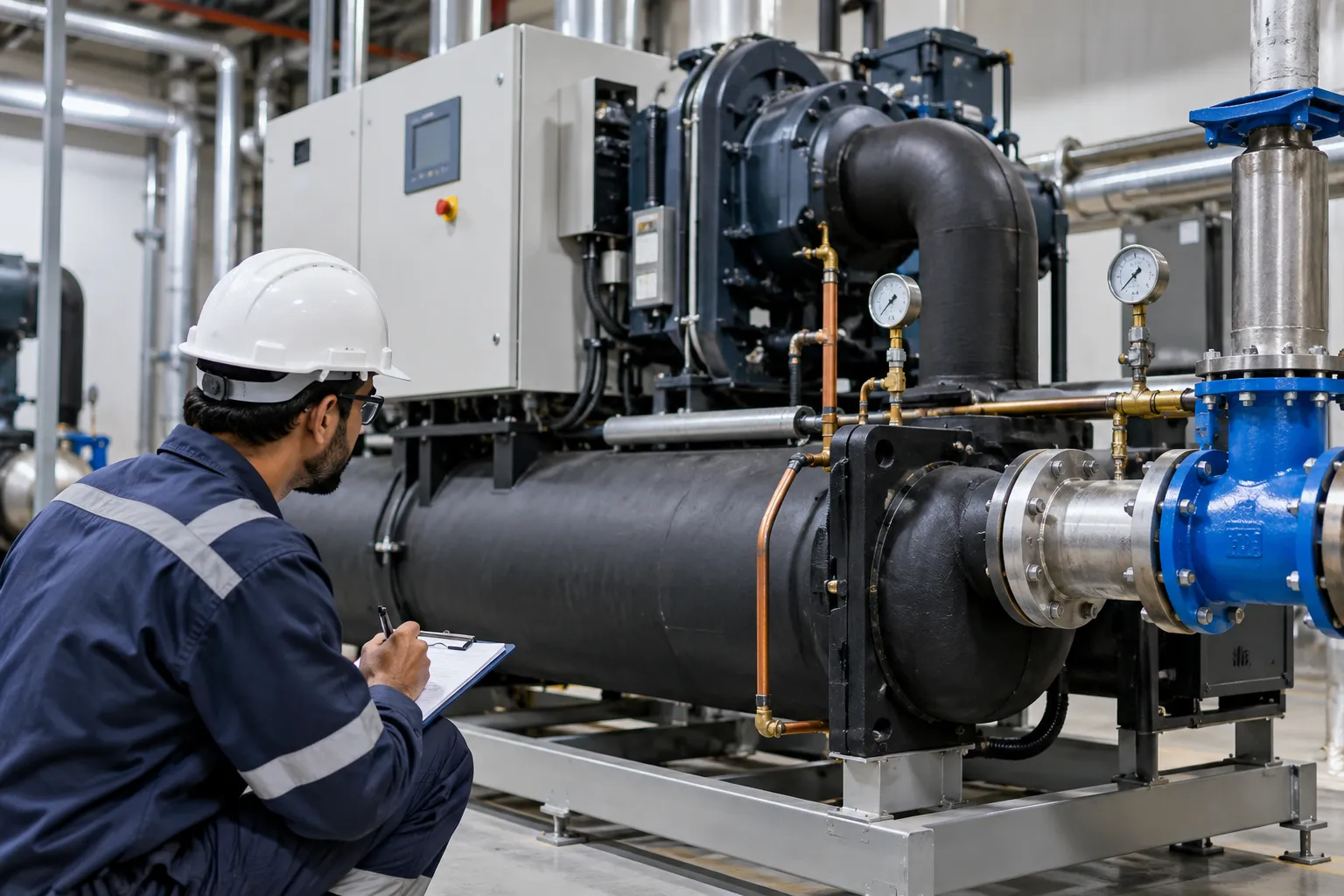
Follow a Preventive Maintenance Plan
Emergency breakdowns are expensive and disruptive. Preventive maintenance keeps the system stable and efficient.
Maintenance should include:
- Electrical inspection
- Sensor calibration
- Control system checks
- Lubrication of moving parts
- Safety device testing
Consistent servicing extends equipment life and reduces operational costs.
Final Note
In UAE conditions, water chillers work under continuous high load. Small efficiency improvements can result in noticeable savings on monthly electricity bills.
Regular cleaning, correct temperature settings, proper water treatment, and performance monitoring are the most effective ways to reduce energy consumption.
If energy costs are rising in your facility, start with a detailed performance assessment. Identifying inefficiencies early prevents major expenses later.


Sign in to leave a comment.