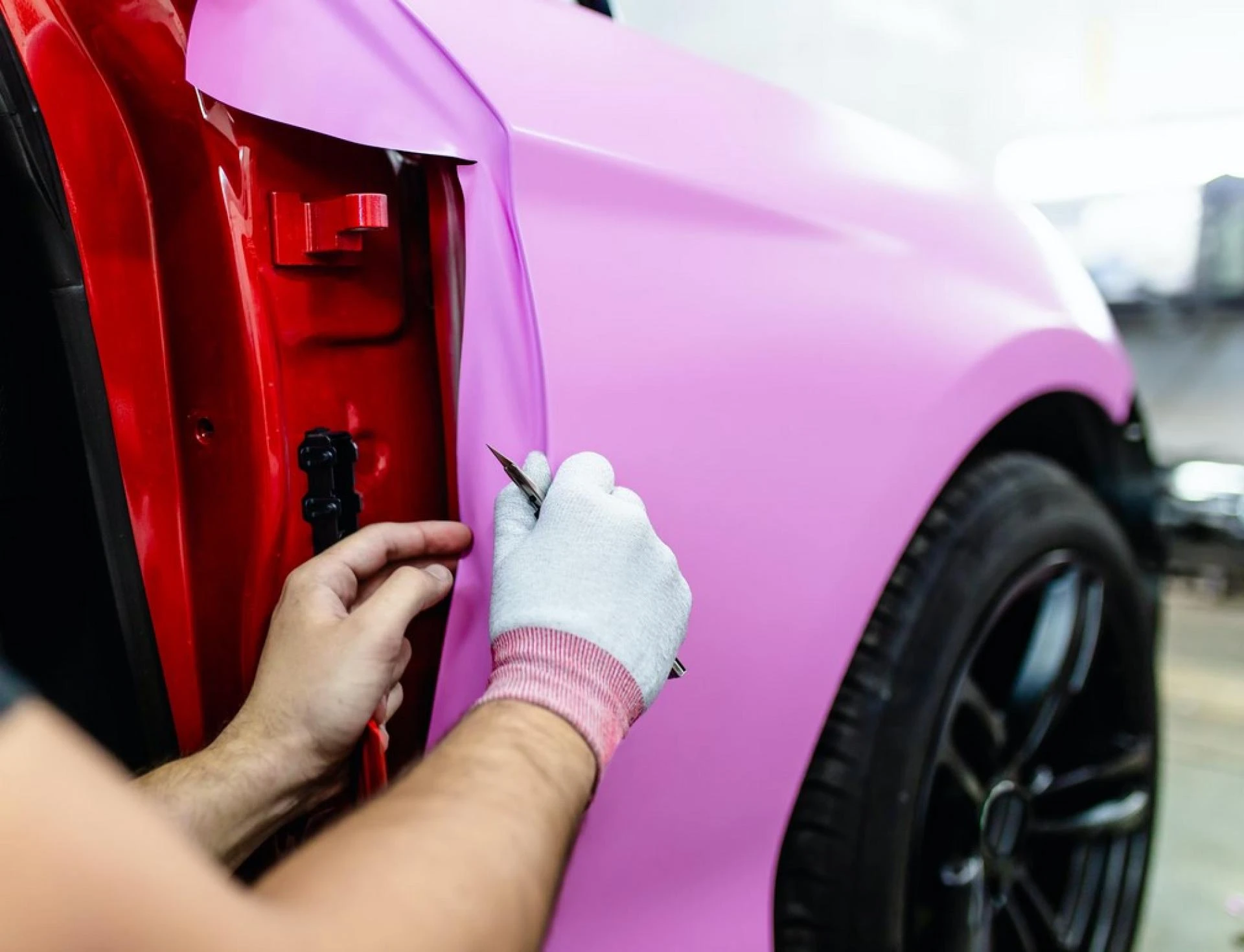

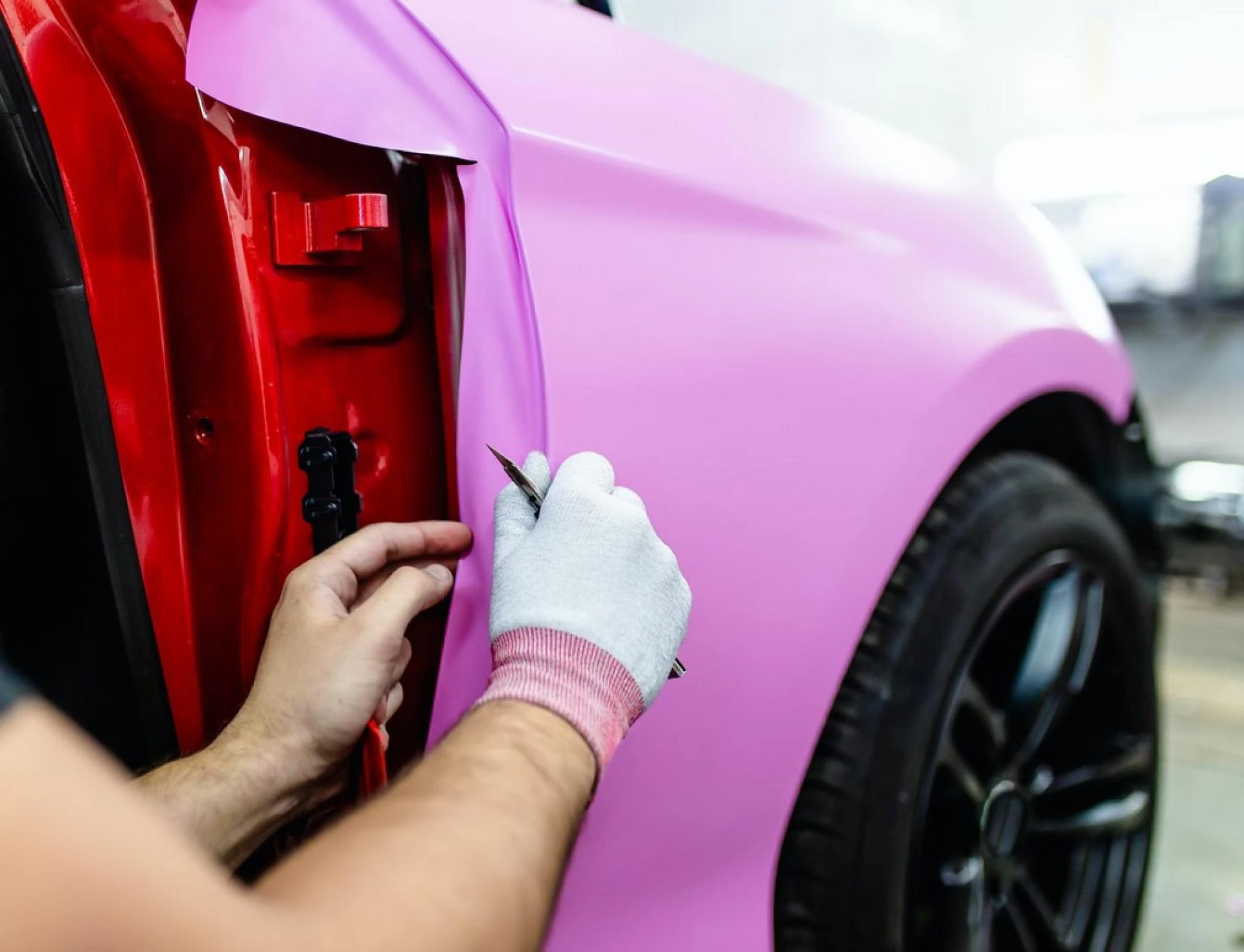
A car wrap is a great way to protect your vehicle's paint while giving it a unique look. But to keep it looking fresh and vibrant, you need proper care. Neglecting maintenance can lead to fading, peeling, or scratches. This blog will cover the best practices for maintaining your car wrapping and ensuring it lasts as long as possible.
Why Proper Care Matters
When you invest in a car wrap, you're enhancing your vehicle's appearance and value. However, without regular upkeep, the wrap can degrade. Sun exposure, dirt, and harsh cleaning methods are common culprits that damage wraps.
You can extend its lifespan with simple steps and keep it looking new.
Wash Your Car Regularly
Dirt and grime can accumulate quickly on a car wrap. Washing your vehicle every two weeks is ideal. Follow these tips for effective cleaning:
- Use a gentle detergent: Avoid harsh chemicals that weaken the wrap's adhesive.
- Stick to handwashing: Automatic car washes with brushes can scratch or tear the wrap.
- Rinse thoroughly: Residue can cause discoloration over time.
- Dry with a microfiber cloth: This prevents water spots and streaks.
Regular cleaning keeps the wrapping vibrant and ensures dirt doesn't become embedded.
Avoid Prolonged Sun Exposure
UV rays are a car wrap's biggest enemy. Constant exposure to the sun can cause fading or bubbling. Whenever possible:
- Park in shaded areas: Use garages or carports for long-term protection.
- Invest in a car cover: A breathable cover shields the wrap from direct sunlight.
- Apply UV protectant sprays: These sprays are designed to block harmful rays and preserve color.
Protecting your car wrapping from UV damage is a must for long-lasting results.
Clean Bird Droppings and Stains Immediately
Bird droppings, tree sap, and other stains are acidic and can eat away at your wrap. The quicker you act, the better.
- Use a soft cloth and mild soap. Gently clean the affected area.
- Don't scrape: This can damage the wrap's surface.
- Try isopropyl alcohol: For stubborn stains, dilute it with water and apply gently.
Removing contaminants promptly will keep your car wrap looking flawless.
Be Careful with Pressure Washing
While pressure washing is convenient, it can harm your car wrapping if done incorrectly. If you must use a pressure washer:
- Keep the nozzle safe: Maintain at least 12 inches from the wrap.
- Use a low-pressure setting: Too much pressure can cause peeling.
- Avoid edges and seams: Water can seep under the wrap, weakening adhesion.
Always handle pressure washing with care to protect the wrap.
Avoid Abrasive Cleaning Tools
Rough sponges, brushes, or scrubbers can scratch or tear your wrap. Instead, opt for:
- Soft sponges or microfiber towels: These are gentle on the surface.
- Non-abrasive cleaning pads: Perfect for stubborn dirt without causing damage.
Treat your car wrapping delicately to avoid unnecessary wear and tear.
Inspect for Damage Regularly
Minor issues like peeling edges or bubbles can worsen over time. Regular inspections help you catch problems early.
- Check edges and seams: These areas are more prone to lifting.
- Look for scratches or tears: Address them immediately to prevent further damage.
- Visit a professional: If you notice significant issues, a wrap specialist can repair them.
Routine checks ensure the wrap stays intact and maintains its appearance.
Avoid Waxing and Polishing
Unlike paint, car wrapping doesn't need waxing or polishing. These products can damage the material. Instead:
- Use wrap-specific care products: They're formulated to clean and protect wraps.
- Avoid petroleum-based cleaners: These can cause discoloration or adhesive failure.
Stick to wrap-friendly solutions to maintain your vehicle's shine.
Handle the Edges with Care
The edges of your car wrap are the most vulnerable. Improper care can lead to peeling. Follow these precautions:
- Don't scrub edges aggressively: Clean gently to avoid lifting.
- Seal edges if needed: Professional wrap installers can apply edge sealants for added durability.
Proper edge care prevents premature wear and keeps your car wrapping intact.
Store Your Car Properly
Proper storage is key to protecting the wrap if you don't drive your car regularly.
- Keep it indoors: A garage offers the best protection from weather elements.
- Use a car cover: A high-quality cover is essential for outdoor storage.
- Ensure proper ventilation: Prevent moisture buildup that can damage the wrap.
Storing your vehicle correctly preserves your car wrap for years.
Avoid Extreme Temperatures
Extreme heat or cold can affect the adhesive and material of your car wrapping.
- Don't use hot water for cleaning: It can weaken the adhesive.
- Avoid freezing conditions: Ice and snow can lead to cracking or peeling.
- Warm up your car gradually: Sudden temperature changes can stress the wrap.
Moderating temperatures helps maintain the integrity of the wrap.
Invest in Professional Maintenance
For optimal care, consider professional wrap maintenance services. They provide:
- Thorough cleaning: Experts use specialized products and techniques.
- Repairs: Small tears or peeling edges can be fixed before they worsen.
- Inspection: Professionals can spot issues you might miss.
Regular visits to a wrap specialist enhance the longevity of your car wrapping.
Keep It Simple
Sometimes, less is more. Overcomplicating your care routine can do more harm than good. Stick to these basics:
- Clean regularly
- Protect from the sun
- Handle edges carefully
A simple routine ensures your wrap stays in top shape without extra stress.
Conclusion
A well-maintained car wrapping is a blend of art and care. Following these best practices allows you to enjoy a vibrant, durable wrap for years. Remember to clean it regularly, protect it from the sun, and avoid abrasive tools. With these tips, your car wrap will turn heads wherever you go.




















Sign in to leave a comment.