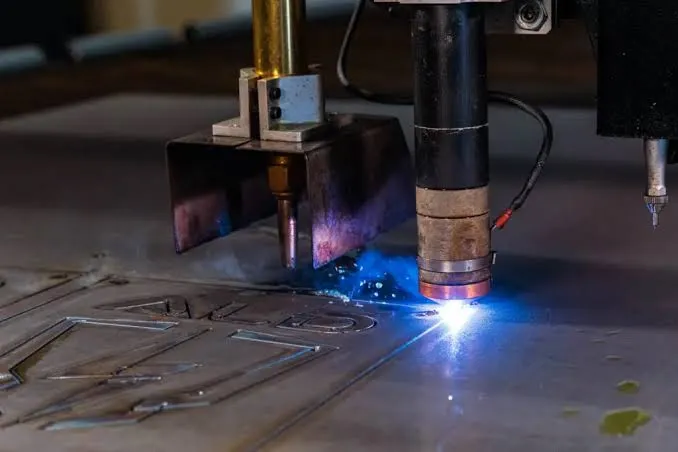

A CNC plasma cutting table is one of the hardest-working machines in many fabrication workshops. Daily production schedules, heavy workloads, and demanding projects place constant pressure on every moving component. Without regular maintenance, even a high-quality machine can lose cutting precision, increase operating costs, and experience unexpected downtime. A proactive maintenance routine protects your investment while helping every project meet the required quality standards.
Many workshop owners only investigate maintenance after cut quality starts declining. By that stage, worn consumables, dirty guide rails, or poor machine calibration may already be affecting production efficiency. Preventive maintenance helps identify small problems before they become expensive repairs.
Why Is Regular Maintenance So Important for CNC Plasma Tables?
Every cutting cycle exposes the machine to heat, metal dust, slag, and continuous movement. These conditions gradually affect performance if operators do not inspect and maintain the equipment regularly.
Routine maintenance delivers several important benefits:
- Improves cutting accuracy across different metal thicknesses.
- Reduces unexpected machine downtime during production.
- Extends the lifespan of valuable machine components.
- Maintains consistent cutting speed throughout daily operation.
- Lowers long-term repair and replacement costs.
A structured maintenance schedule also helps fabrication workshops deliver consistent quality while improving productivity across every project.
How Can Operators Keep CNC in Australia Running at Peak Performance?
Many fabrication businesses operating CNC in Australia work in demanding industrial environments where dust, moisture, temperature changes, and continuous production place extra pressure on equipment. Daily inspections combined with preventive maintenance help protect machine calibration, maintain cutting accuracy, and reduce unnecessary wear on critical components before they interrupt production.
A reliable maintenance routine should include:
- Inspecting the plasma torch before every shift.
- Cleaning guide rails and the motion control system.
- Checking torch consumables for excessive wear.
- Removing slag from the slat cleaning area.
- Confirming proper air pressure before production begins.
Small maintenance tasks performed consistently usually prevent larger mechanical failures that interrupt fabrication schedules.
Which Components Wear Out the Fastest?
Every CNC plasma cutting machine contains consumable parts designed for regular replacement. Ignoring these components often leads to rough cut edges, inconsistent kerf width, and reduced production quality.
Operators should regularly inspect:
- Electrodes and nozzles inside the plasma torch.
- Shield caps showing excessive wear.
- Torch leads for visible damage.
- Machine cables and electrical connections.
- Water table condition where applicable.
Replacing worn torch consumables before complete failure improves metal cutting quality while protecting more expensive machine components from unnecessary damage.
How Often Should You Service Your CNC Plasma Cutting Table?
Maintenance should become part of your normal production routine instead of waiting until problems appear. Daily inspections take only a few minutes, yet they often prevent hours of unexpected downtime later.
A practical maintenance schedule includes:
Daily
- Remove slag and metal debris after each shift.
- Clean guide rails and moving components.
- Inspect the plasma torch and consumables.
- Drain moisture from the compressed air system if required.
Weekly
- Check machine calibration and cutting accuracy.
- Inspect belts, bearings, and drive systems.
- Verify lubrication on recommended moving parts.
- Examine electrical connections for wear.
Monthly
- Perform a complete CNC machine maintenance inspection.
- Test the motion control system for smooth travel.
- Inspect the water table for corrosion or excessive buildup.
- Review machine software and controller settings where required.
Following a preventive maintenance schedule reduces unexpected interruptions while keeping production running efficiently.
What Maintenance Mistakes Reduce Cutting Accuracy?
Many fabrication workshops unintentionally shorten machine life because they overlook simple maintenance tasks. Small issues gradually affect cut quality before operators notice visible problems.
Common mistakes include:
- Continuing to use worn torch consumables.
- Ignoring dirty rails and accumulated metal dust.
- Skipping machine calibration after heavy production periods.
- Allowing poor compressed air quality to reach the plasma torch.
- Delaying routine inspections until problems become obvious.
Each of these issues can reduce cutting accuracy, increase consumable costs, and place unnecessary strain on important machine components.
How Can You Extend the Life of Your Plasma Cutting Equipment?
A longer machine lifespan depends on consistency rather than occasional deep servicing. Operators who follow simple maintenance habits often experience fewer breakdowns and more reliable production over many years.
Protecting your equipment means:
- Training operators to recognise early warning signs.
- Keeping the fabrication workshop clean around the machine.
- Using quality replacement consumables.
- Recording maintenance activities in a service log.
- Following the manufacturer's recommended servicing intervals.
These practical habits help maintain reliable performance while supporting consistent industrial automation and efficient sheet metal fabrication.
If your workshop depends on a CNC plasma cutting table every day, treating preventive maintenance as part of normal production rather than an occasional task will improve reliability, maintain cut quality, and reduce expensive repairs throughout the machine's working life.
Conclusion
Consistent maintenance remains one of the most effective ways to protect your investment and maximise productivity. Regular inspections, timely consumable replacement, accurate machine calibration, and proper cleaning all contribute to better cutting performance and fewer unexpected breakdowns. A well-maintained CNC plasma system produces cleaner cuts, operates more efficiently, and continues delivering dependable results long after installation.























Sign in to leave a comment.