
The summer can be a challenging season for commercial vehicle operators. This is particularly true in Oklahoma, where a combination of lengthy stretches of road coupled with oppressive heat can require operators to have a high degree of planning and preparation. If you operate anything from a small local delivery service to large commercial transport services, planning is essential to endure the summer heat.
Neglecting the summer prep on your fleet can result in costly repairs to damaged work trucks and a severely impacted bottom line due to loss of productivity. However, carrying out summer fleet maintenance will result in decreased downtime of your fleet, better fuel economy, and a more favorable bottom line. Dependable regional fleet services combined with quality preventive maintenance will provide the reliability you want this summer.
Why Summer Conditions Are Hard on Fleet Vehicles
The extreme heat of the summer causes all fleet vehicles to be more difficult to operate. The engines can overheat, tires can wear out faster as they come into contact with hotter pavement, and air conditioning systems need to work harder to cool down the vehicle.
Fleet vehicles can also be especially impacted because they have a longer usage time and carry heavier loads.
Common problems with fleets in the summer include:
- Engine overheating
- Tire blowouts
- Ineffective air conditioning
- Dead batteries
- Worn-down brakes
- Cooling system leaks
If these small issues are ignored, they can lead to much worse problems that can be much more difficult to deal with and more expensive. That's why summer fleet vehicle maintenance needs to start before peak temperatures.
Start With a Full Fleet Inspection
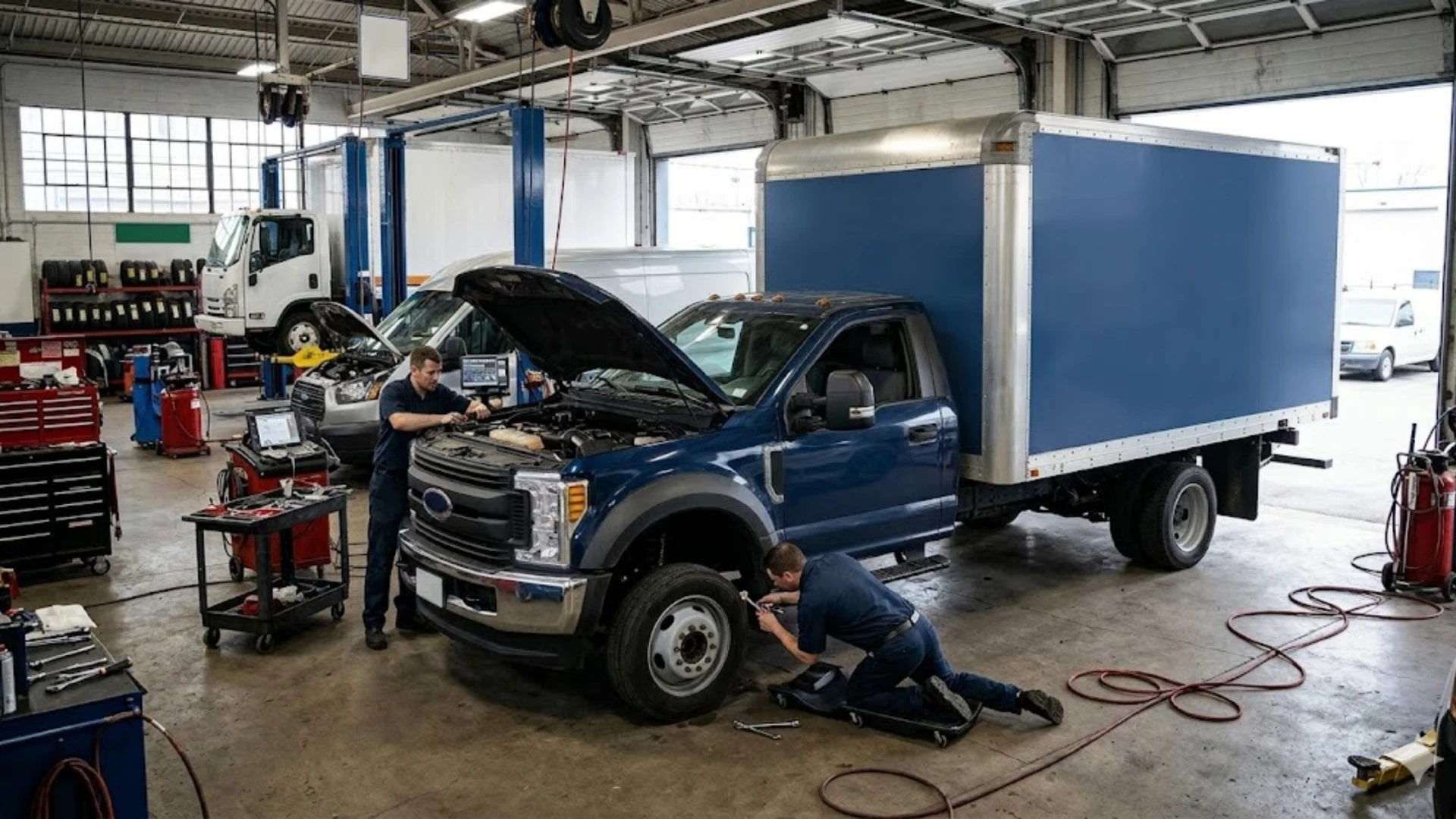
Scheduling a fleet-wide inspection at the beginning of summer driving season is a great way to limit the chances of a summer breakdown. The goal of preventive maintenance is to manage potential problems by having fleet technicians address mechanical wear, fluid deterioration, and safety concerns.
A fleet inspection is comprehensive and includes the examination of:
- Air pressure and wear on tires
- Brakes
- Batteries
- Fluids
- Belts and hoses
- The cooling system
- The performance of the air conditioning system
Working with ASE-certified mechanics can improve the quality of the inspections offered by your fleet. Professional technicians can help describe the summer demands of commercial driving and can recommend the best preventive maintenance plans for your fleet.
For local businesses looking to maximize vehicle reliability, the safest way to minimize summer downtime is to partner with a trusted provider for Tulsa auto repair and implement a smart fleet maintenance plan.
1. Check the Cooling System
With the summer months fast approaching, a strong cooling system is one of the best ways to protect your fleet vehicles. Summer months can place a lot of strain on radiators, coolant systems, cooling fans, and hoses.
Cooling systems that are already underperforming can lead to overheating during lengthy drives or when exposed to stop-and-go traffic. An effective service of a truck's cooling system will include:
- Coolant replacement and inspection
- Pressure testing the radiator
- Thermostat inspection
- Belts and hoses inspection
- Cooling fans testing
Fleet managers need to act on the signs of an ineffective cooling system, such as temperature gauges, coolant issues, or steam coming from under the hood. Small problems with the cooling system can lead to much larger problems and damage the engine beyond repair.
Adding cooling system inspections to your summer truck maintenance checklist can provide better reliability for your trucks during hot weather.
2. Fleet AC Systems
A broken AC system is more than just a matter of driver discomfort; it is a distinct safety hazard. High cabin temperatures accelerate driver fatigue, drastically lowering reaction times and focus on the road.
Professional fleet AC repair is a must before peak summer is upon us. Technicians should examine the system for the causes of weak or warm airflow. A failing AC compressor, low AC refrigerant, or a clogged cabin refrigerant may be the cause of these scenarios.
Keeping drivers cool and productive improves operational efficiency and helps avoid issues with fleet systems later in the summer.
Tires for Summer Driving
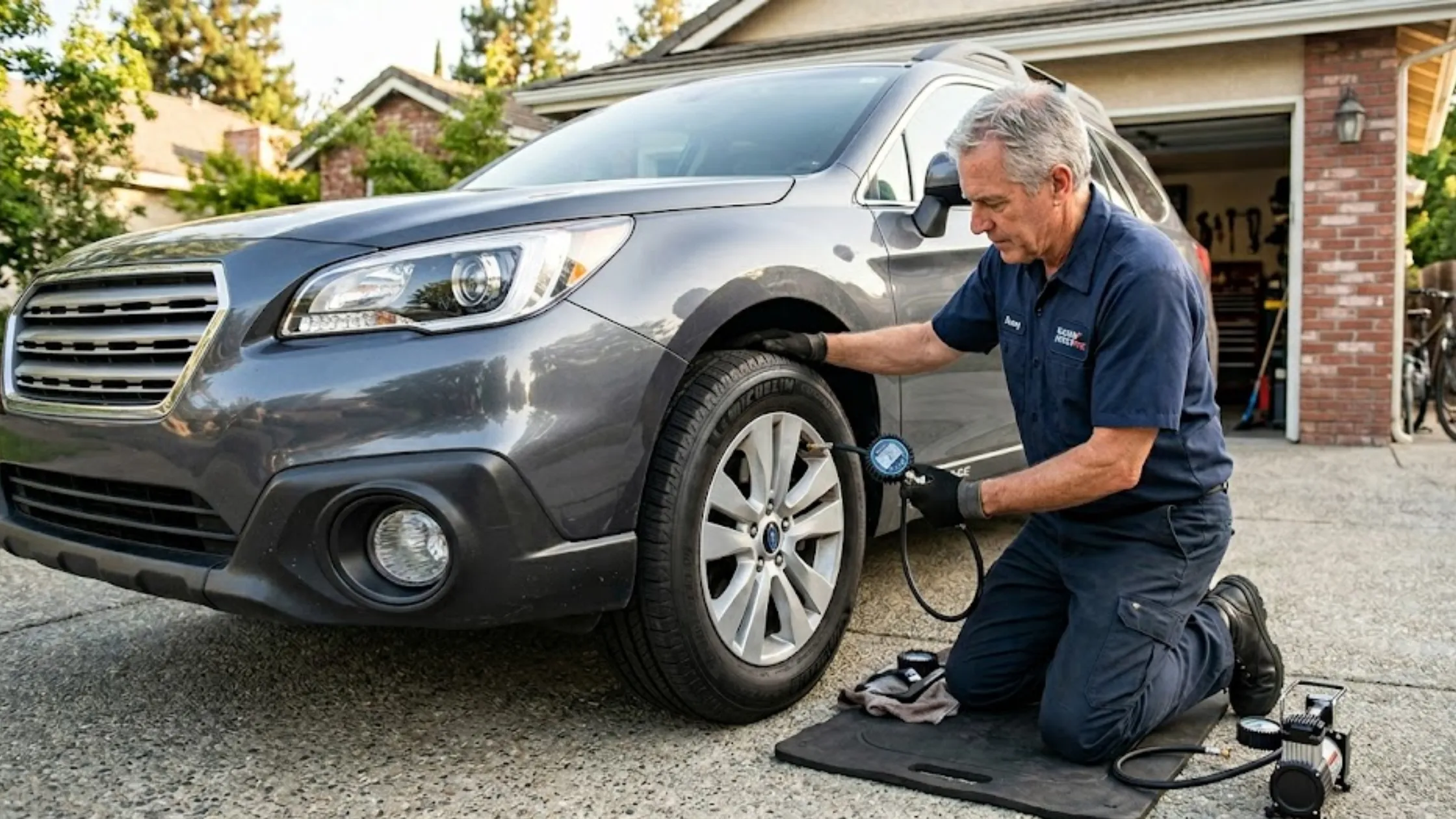
The combination of radiating highway asphalt and heavy cargo loads places immense stress on commercial tires during the summer months. Because air pressure rises roughly 1 PSI for every 10°F increase in ambient temperature, regular checks are vital to prevent dangerous blowouts.
Always check tire pressure in the morning when the tires are cold for an accurate reading. A comprehensive summer tire maintenance routine must include:
- Routine pressure checks to prevent under-inflation (the leading cause of heat buildup).
- Scheduled rotations and wheel alignments to combat irregular tread wear.
- Thorough sidewall inspections for cracking, dry rot, or bulging.
Get Ready for Unplanned Roadside Breakdowns
Even the most well-maintained vehicles can break down when least expected. Factors like long drives, heavy traffic, and hot weather can all make roadside issues more likely.
When problems arise, having a plan for commercial fleet towing and roadside assistance minimizes time lost. Fleet drivers should know who to call for assistance when vehicles overheat, lose tires, or die from a battery drain. Each fleet vehicle should carry:
- Emergency roadside service account details
- Essential safety supplies
- Flashlights and reflective supplies
- Water and a first aid kit
- Digital fleet insurance cards
Enhanced response capability during service interruptions provides greater assurance of the safety of the driver and other road users and minimizes inconvenience to customers.
Develop a Regular Summer Fleet Maintenance Program
The best approach to protecting fleet vehicles is establishing a maintenance program for the summer. If a vehicle is allowed to break down, the cost and loss of productivity will be higher.
As part of a preventive maintenance program, routine but brief inspections may involve the following:
Weekly Inspections: Fleet drivers should perform rapid walkarounds to check cold tire pressure, verify critical engine fluid levels, take note of any new fluid leak spots, and look for leaks around the chassis.
Monthly Maintenance: Technicians should pull the vehicles into the shop to gauge brake pad thickness, test battery voltage output, examine cooling system integrity, and check the cabin's AC output.
Seasonal Services: Before the summer rush kicks off, schedule full cooling system flushes, perform precision wheel alignments, and replace any tires nearing their minimum safe tread depth.
Using a summer truck maintenance checklist helps fleet managers stay organized and avoid oversights on critical maintenance services.
Get Your Fleet Summer-Ready
Summer is one of the peak seasons for commercial vehicles, requiring proactive management. Focusing on improving the overall reliability of the fleet helps reduce the risk of repair-related downtime, improve safety for drivers, vehicle performance, and reduce costs over time.
Summer is also the best time to partner with fleet management services to streamline operations. It enables you to quickly get your team in place to perform inspections and vital repairs to be fully prepared for the growing demands of variable summer driving and conditions.




























Sign in to leave a comment.