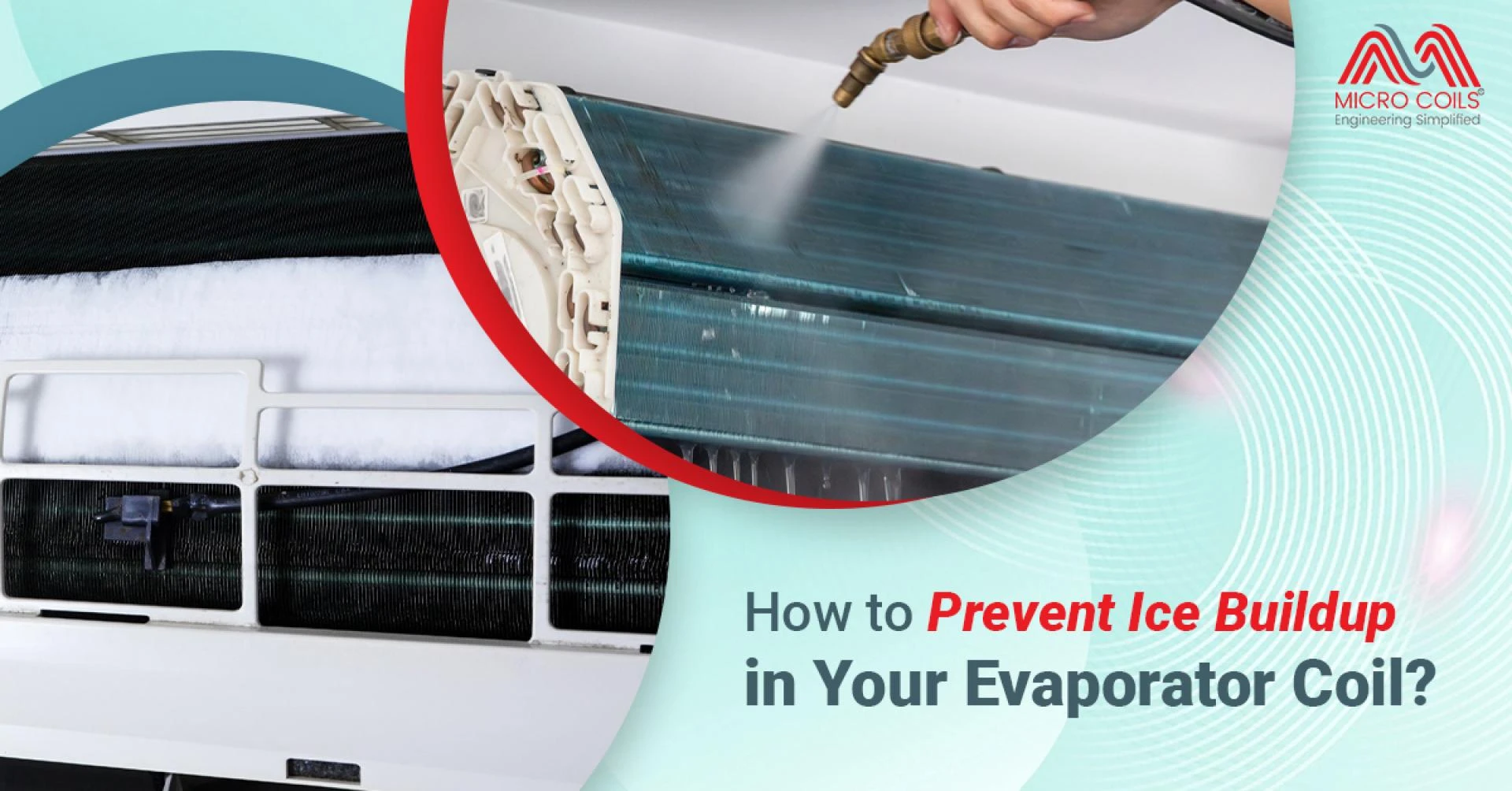

Ice buildup on an AC coil looks harmless at first, but it’s actually a sign that something is going wrong inside your system. When ice forms, your cooling drops, energy use increases, and your AC starts working harder than it should. If ignored, this problem can damage key components and shorten the life of your unit. The good news is that ice buildup is preventable when you understand why it happens and how to stop it early.
An evaporator coil plays a critical role in cooling your indoor air. Its job is simple: absorb heat from your room and release cool air through the vents. But when airflow becomes restricted or refrigerant levels drop, the coil gets too cold. Moisture that normally drains away then freezes on the surface, creating a block of ice that keeps growing. Preventing this requires a mix of maintenance, good airflow, clean filters, and timely servicing.
Let’s walk through the most effective ways to stop ice formation and keep your cooling system running smoothly.
1. Ensure Strong and Unobstructed Airflow
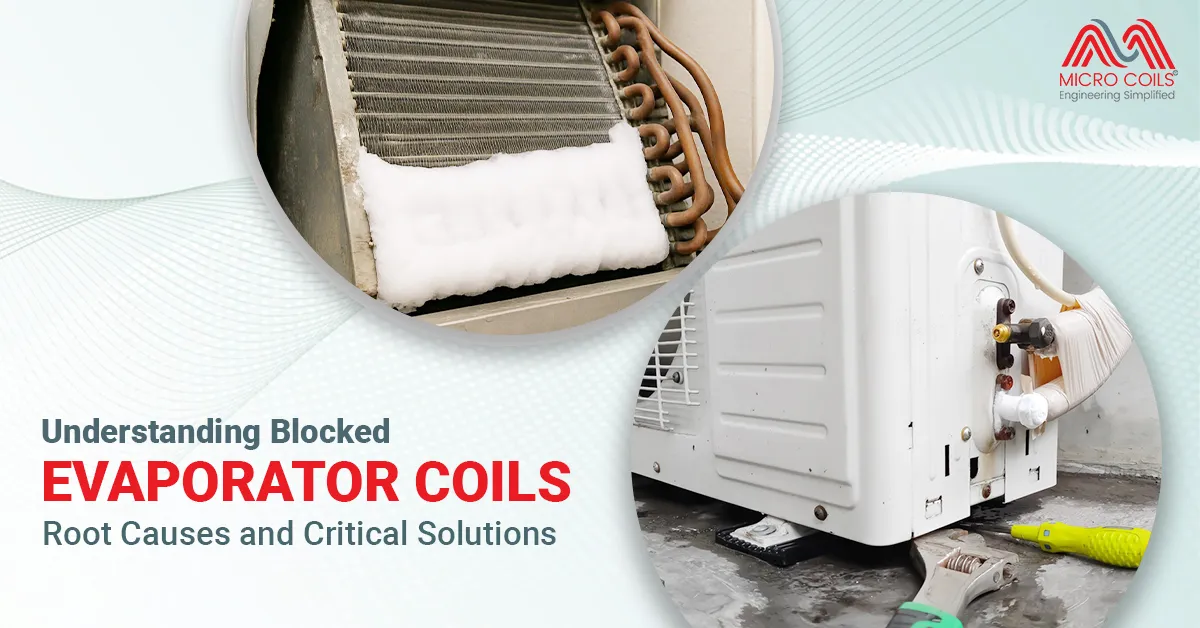
Airflow is the biggest factor in preventing ice buildup. When air cannot pass through the ac evaporator coil, the coil becomes colder than designed. Moisture lingering on the surface freezes instead of evaporating. Over time, the entire coil may turn white and frosty.
Airflow can be blocked by dirty filters, clogged ducts, blocked vents, or a malfunctioning fan. The moment airflow drops, the cooling cycle becomes unbalanced. Regularly checking and maintaining airflow prevents early ice formation and protects your system from unnecessary strain.
Changing filters every few weeks, especially during heavy summer use, is an easy preventive step. Keeping vents open and ensuring furniture doesn’t block them also helps maintain smooth circulation. These simple habits keep your coil warm enough to avoid freezing.
2. Keep Your Air Filters Clean
Dirty air filters are one of the most common causes of ice buildup. Filters trap dust and pollutants, but when they become overloaded, they choke airflow. This forces your system to work harder, cools the coil too quickly, and encourages frost formation.
Cleaning or replacing filters regularly allows air to move freely. This keeps temperature levels stable around the coil and helps prevent freezing. Clean filters also improve indoor air quality and reduce the load on your blower motor.
If you live in a dusty environment or use your AC for long hours, filters will fill up faster. Make it a routine to check them monthly and replace them before they turn grey or clogged. This one action alone prevents many icy-coil issues.
3. Maintain Proper Refrigerant Levels
Low refrigerant is another major cause of ice buildup. Refrigerant absorbs heat; when its level drops, the coil cannot perform its normal function. With less refrigerant moving through the lines, the coil becomes extremely cold, and surface moisture freezes instantly.
Only trained technicians can check refrigerant levels safely. If your system has low refrigerant, it may also have a leak. Such leaks reduce cooling efficiency and must be repaired before refilling the system.
Ignoring refrigerant problems can lead to heavy ice accumulation, reduced cooling, and potential damage to the compressor. Timely servicing prevents these issues and restores balance to your system. When refrigerant levels are correct, ice formation becomes far less likely.
4. Keep Coils Clean and Free of Dust
Dust buildup acts like a blanket on cooling coils. It prevents heat transfer, causing the coil to get cold while moisture stays trapped, eventually turning into ice. Regular coil cleaning keeps surfaces clear and allows efficient cooling.
Using professional cleaning services ensures that the coil is handled safely without bending fins or damaging components. Even a thin layer of dirt can upset the temperature balance and increase ice risk. Clean coils also help reduce electricity consumption.
When coils remain clean, your AC can function as designed. The system cools faster, consumes less power, and avoids unnecessary icing issues. This simple maintenance step has long-term benefits for your AC’s performance.
5. Check for Fan or Blower Issues
The fan or blower is responsible for pushing air over the cooling surface. If it slows down or malfunctions, airflow decreases. Reduced airflow means the coil cools too much and ice forms more easily.
Listen for unusual noises, rattling sounds, or weak airflow from vents. These are signs that your blower fan may not be operating at full strength. In many cases, belts wear out, motors lose power, or dust gathers around the blades.
Fixing fan issues early prevents stress on your coil. It helps maintain a healthy cooling cycle and supports consistent temperature control. A properly functioning fan is essential to ice prevention.
6. Ensure the Thermostat Works Correctly
A faulty thermostat can cause temperature fluctuations that lead to icing. If the thermostat is inaccurate or misreading room temperature, the system may run longer than necessary. Overcooling increases the chance of ice on the coil.
Keeping your thermostat calibrated ensures the AC runs only as needed. Placing it away from heat sources, sunlight, or electronics helps it measure room temperature more accurately. Smart thermostats also help maintain stable cooling cycles.
Stable temperature control prevents extreme coil temperatures. This reduces the chance of moisture freezing and ensures comfortable cooling throughout your space.
7. Improve Indoor Ventilation and Reduce Humidity
High humidity inside your home increases moisture around the coil. When this moisture builds up, the coil has to work harder to remove it. If the coil becomes too cold during this process, the extra moisture freezes and turns into ice.
Reducing indoor humidity helps prevent this. Using exhaust fans while cooking or bathing, allowing natural air circulation, or using a dehumidifier during monsoons keeps moisture levels balanced. Proper ventilation also improves indoor comfort.
When humidity stays under control, the coil can function normally without forming frost. This is especially important in tropical and coastal climates where humidity remains consistently high.
8. Schedule Regular Professional Maintenance
Even with careful use, AC systems need periodic servicing. Professional technicians check refrigerant levels, clean internal components, inspect airflow, and verify electrical safety. These steps detect early problems before they turn into ice buildup or system failure.
Servicing also improves the lifespan of your AC. Well-maintained refrigeration coils stay efficient for years, reducing repair costs and improving performance. Regular maintenance is the simplest way to prevent repeated icing problems.
Ignoring maintenance often leads to hidden damage that becomes expensive to fix later. Preventive care is easier, cheaper, and more reliable than emergency repairs.
9. Avoid Running the AC at Extremely Low Temperatures
Setting your AC to very low temperatures can trigger ice formation, especially at night. The coil cools faster than the room, causing moisture to freeze. This happens frequently when users keep thermostats near the minimum setting.
Keeping your AC at moderate temperatures reduces the load on the coil. It also prevents excessive condensation and encourages stable cooling. Comfortable settings around moderate temperatures are enough to cool most rooms effectively.
The key is preventing overcooling, which disrupts the natural balance of the system. Balanced temperatures keep your coil frost-free and your AC functioning smoothly.
Final Thoughts
Preventing ice buildup on your evaporator coil is all about balance — proper airflow, correct refrigerant levels, clean components, and timely maintenance. When these factors work together, your cooling system performs efficiently and reliably. Ice formation is always a warning sign, not a normal condition.
By following these preventive steps, you protect your AC from damage, reduce energy use, and enjoy consistent comfort. With the right care, your evaporator coil stays healthy, your AC lasts longer, and your home remains cool without interruptions.

Sign in to leave a comment.