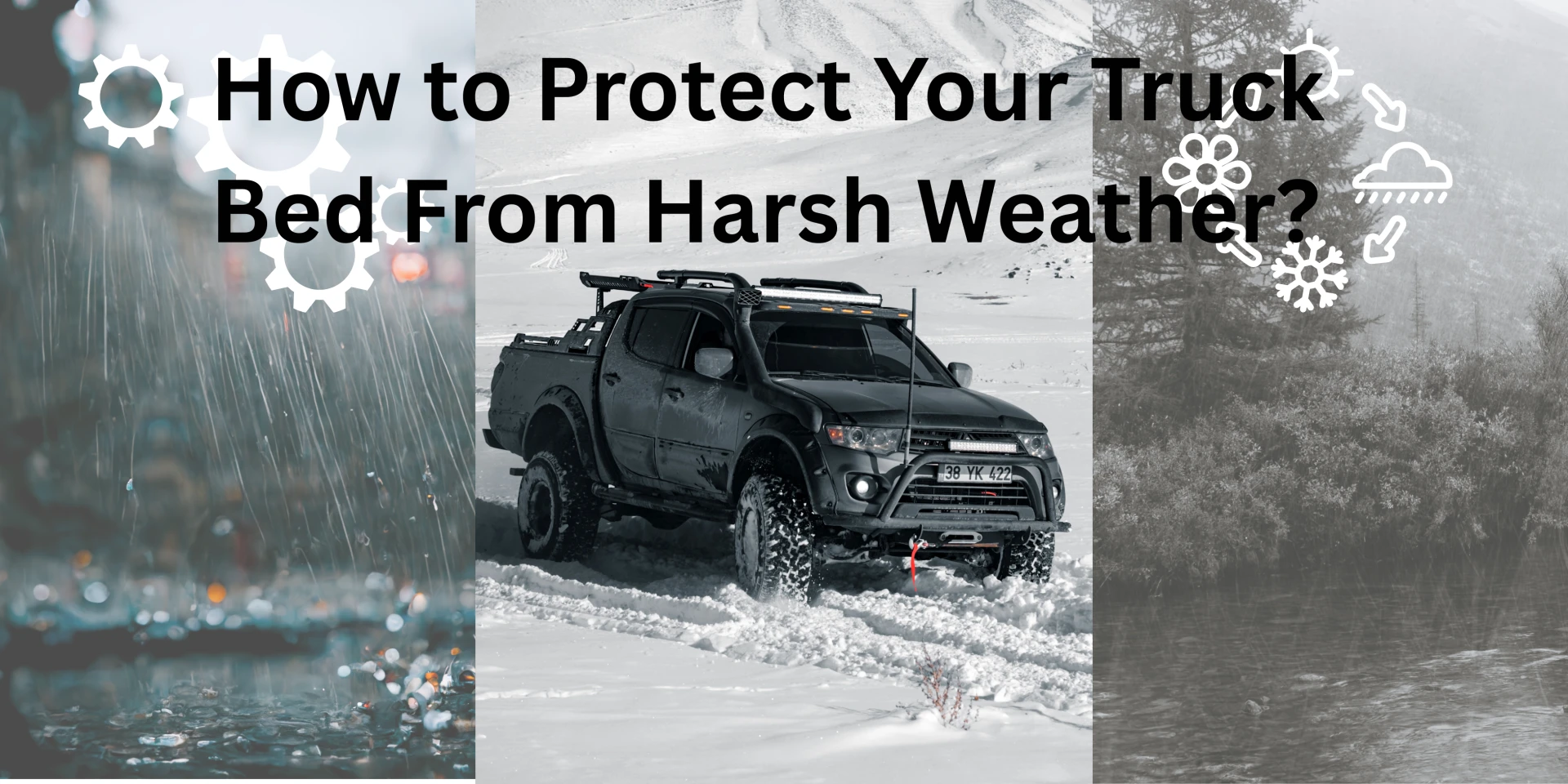

Your truck bed is one of the hardest-working parts of your pickup, but it also takes the brunt of rain, sun, snow, and everything in between. Without the right truck accessories, exposure to the elements can shorten its lifespan, damage cargo, and hurt the overall look of your vehicle.
Why Truck Beds Are Vulnerable to the Elements
A pickup’s bed is designed to take a beating, but even the toughest metal has its weak points when constantly exposed to the outdoors. Rainwater is one of the most damaging culprits. When water sits on the bare metal surface, it eventually leads to rust, which can spread quickly once it takes hold. Snow and ice bring similar problems, trapping moisture against the bed and accelerating corrosion.
Sun exposure is another concern. Ultraviolet (UV) rays don’t just fade paint, but also weaken protective coatings over time. Once the factory finish starts to deteriorate, the underlying metal is far more vulnerable to rust and structural damage. Even in dry climates, wind-blown dust and debris can scuff and wear down surfaces, leaving behind scratches that allow moisture to seep in later.
All of these factors make it clear that an unprotected truck bed is constantly under attack. Taking steps to shield it from the elements is less about luxury and more about preserving the truck’s durability and performance over the long haul.
Tonneau Covers and Camper Shells
One of the most effective ways to protect a truck bed from harsh weather is by installing a tonneau cover or camper shell. Both act as shields against rain, snow, and direct sunlight, keeping the bed and your cargo dry and protected. By preventing water from pooling directly on the surface, they reduce the risk of rust and corrosion. They also limit UV exposure, which helps preserve paint and protective coatings over time.
Tonneau covers come in a variety of styles to suit different needs. Hard covers offer maximum security and weather resistance, while soft covers are lightweight, flexible, and easier to install or remove. Foldable and roll-up designs strike a balance, providing convenience without compromising on protection.
For those who want even greater coverage, camper shells, also known as truck caps or toppers, enclose the entire bed. This design not only keeps out rain and snow but also creates a weatherproof storage area that’s especially useful for long trips, camping, or hauling gear that must stay dry. Although heavier and more permanent than tonneau covers, camper shells offer one of the most comprehensive solutions for shielding the bed and cargo from the elements.
Aside from weatherproofing, both tonneau covers and camper shells help maintain a cleaner truck bed by blocking dust, leaves, and debris. They also make cargo management easier, providing truck owners with a practical way to extend the life of their bed while adding everyday convenience.
Bed Liners and Mats for Lasting Protection
Even with a tonneau cover in place, the truck bed floor itself still needs a protective layer. That’s where bed liners and mats come in. These accessories shield the surface from weather elements, scratches, dents, and the gradual wear caused by shifting cargo. Without this protection, every tool, box, or piece of equipment you haul leaves behind marks that weaken the finish and make the bed more vulnerable to rust once moisture sets in.
There are several options to choose from, each with its own strengths. Drop-in liners are molded to fit the bed and provide full coverage, making them a popular choice for heavy-duty hauling. Spray-on liners create a permanent, durable coating that bonds directly to the metal, sealing out water and resisting UV damage. Bed mats, although less permanent, are easy to install and replace, providing a cushioned surface that reduces impact damage and helps prevent cargo from shifting around in wet conditions.
Weather Seals and Drainage Solutions
Over time, that moisture can collect inside the bed and cause rust or mildew. Weather seals are designed to close these gaps, creating a tighter fit and blocking out unwanted elements. A well-installed seal helps keep the interior of the bed cleaner and drier, which is especially useful if you often carry tools or other cargo that shouldn’t get wet.
Of course, no system is perfect. Some moisture may still seep into the bed, particularly during heavy storms or when washing the truck. That’s why drainage solutions are important. Most modern beds have built-in drainage points. Checking these drain holes ensures that water flows out instead of pooling at the bottom. Standing water is one of the fastest ways for rust to start, so giving it an escape route is essential.
When used together, seals and drainage systems provide balanced protection: one keeps water from entering, while the other ensures that any water that does enter doesn’t stay trapped.
Rust Prevention and Protective Coatings
Even with physical barriers in place, your truck bed remains vulnerable to corrosion if moisture can linger. That’s why rust prevention should be part of every protection plan. Rust spreads quickly once it starts, and repairing it can be costly, so prevention is far more effective than treatment.
One of the most common methods is applying protective coatings. Rustproofing sprays, undercoating, or sealants add a layer of defense between the metal and the environment. These coatings block moisture and provide a buffer against salt, which is especially important in regions where roads are treated during winter. Protective paints and UV-resistant finishes can also help the bed withstand prolonged exposure to the sun without fading or cracking.
Seasonal Maintenance Practices
Protecting your truck bed isn’t just about what you install. It’s also about how you maintain it throughout the year. Seasonal care plays a big role in preventing weather-related damage. After heavy rainstorms or snow, clearing out debris such as leaves, ice, or mud prevents water from getting trapped and causing corrosion.
Regular washing is also important. Dirt, road salt, and grime can hold moisture against the bed’s surface, accelerating wear. Giving the truck bed a thorough rinse and dry helps preserve coatings, liners, and seals. During the summer, applying protective sprays or waxes can help reduce UV damage. In colder months, an extra inspection for water leaks or drainage issues ensures the bed stays dry.
It’s also smart to check accessories as the seasons change. Tonneau covers may need their seals adjusted, liners may require a quick clean, and drainage plugs should be inspected to confirm they’re not clogged. A little preventive care during these transitions goes a long way in keeping the truck bed ready for whatever the weather brings.
Weather Protection Pays Off
Protecting your truck bed from harsh weather doesn’t require complicated upgrades. It just takes the right mix of accessories and a little seasonal care. With tools like tonneau covers, camper shells, liners, seals, and coatings, you create layers of defense that keep rust, UV damage, and water at bay. Regular maintenance ensures those defenses stay effective year after year.
In the long run, these small steps pay big dividends. A well-protected truck bed not only looks better but also lasts longer and functions the way it should. Investing in weather protection means your truck is always ready for whatever the forecast brings.




























Sign in to leave a comment.