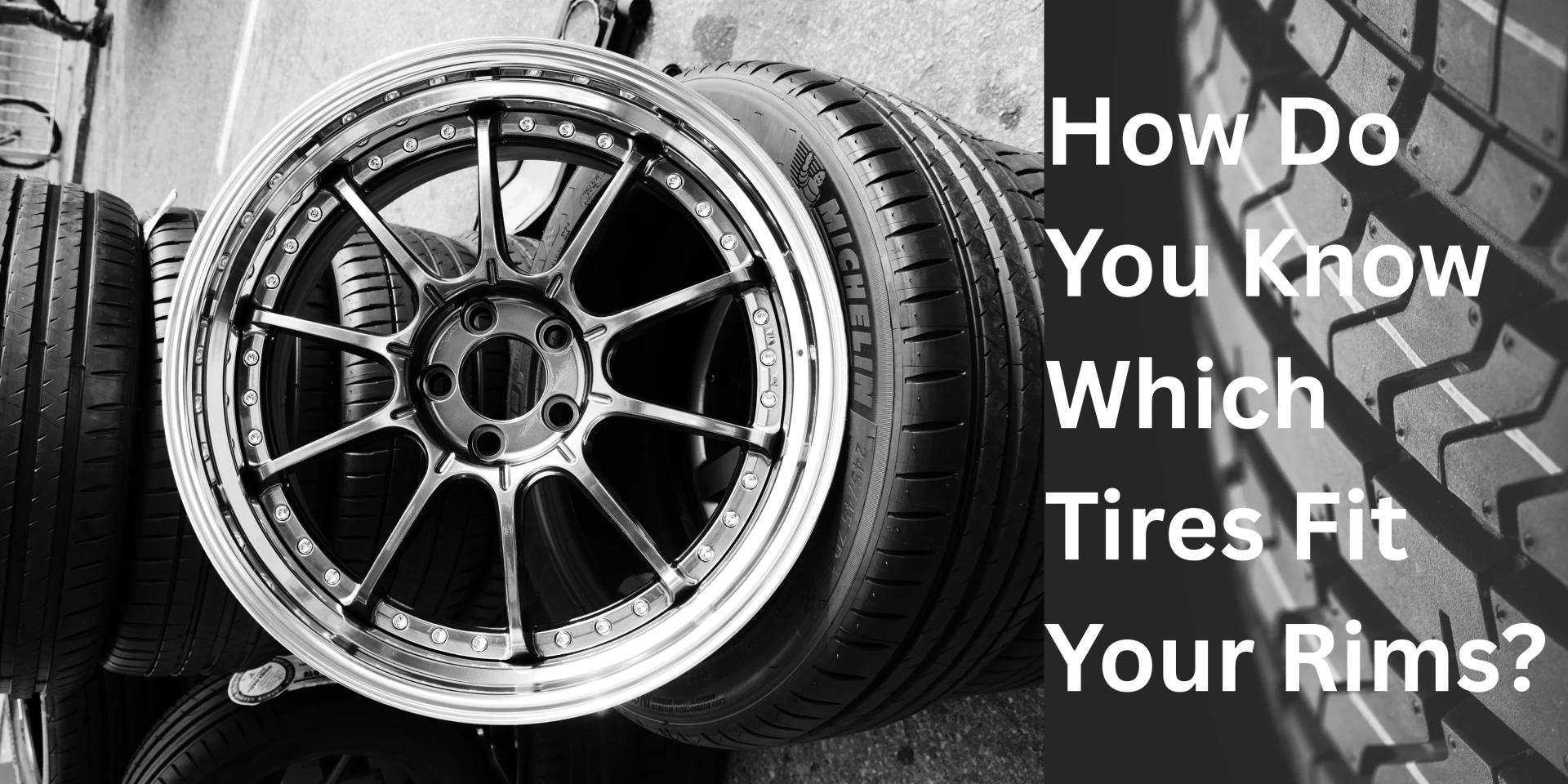

Choosing the right tires for your rims is crucial for both safety and performance, yet many drivers find themselves unsure about the specifications. Understanding tire sizing can seem daunting, but it doesn't have to be. Taking these steps will help you confidently select the perfect wheel and tire packages that enhance both performance and safety on the road.
The Basics You Need to Know
Understanding tire and wheel compatibility is crucial for vehicle owners seeking to enhance their driving experience. The key factor is the tire size, which encompasses important details such as rim diameter and aspect ratio. When selecting tires, it's vital to ensure they fit your vehicle's rims exactly.
The rim diameter of manufacturers like Rockstar Wheels must align with the tire's specifications; for instance, a tire with a 17-inch designation will only fit on a rim with a diameter of 17 inches. Additionally, the aspect ratio – which indicates the height of the tire's sidewall relative to its width – plays a significant role in how well your tires perform on various surfaces. A lower aspect ratio often means better handling but can compromise ride comfort.
Moreover, understanding rim width is pivotal because it affects how the tire sits on the wheel. A mismatch can lead to uneven wear or even blowouts while driving. Therefore, knowing these basics is not just about optimizing aesthetics; it's about ensuring safety and efficiency on the road. Dedicating time to understanding tire specifications and their relation to rims helps you make informed decisions, enhancing vehicle performance and your driving experience.
Why does choosing the right tires matter?
When it comes to vehicle maintenance, selecting the right tires is a crucial decision. Proper fit is vital because it directly affects your safety on the road. Inappropriate tires for your vehicle or driving environment can reduce grip and extend stopping distances, posing risks to you and your passengers.
Moreover, the right tires enhance handling performance. Whether navigating sharp turns or cruising on highways, properly fitted tires provide a stable and controlled driving experience. This translates into confidence behind the wheel, allowing you to focus on enjoying your journey rather than worrying about potential mishaps.
Fuel efficiency is another critical factor influenced by the choice of tires. Tires that are well-matched to your car's specifications can reduce rolling resistance, ultimately saving you money at the pump. Over time, this can significantly impact your overall driving costs and lessen your carbon footprint.
Tread wear is yet another consideration; high-quality tires designed for specific conditions will wear evenly and last longer. This not only saves money in replacements but also ensures consistent performance throughout their lifespan.
Finally, don't forget about driving comfort. The right tires better absorb road imperfections, offering a smoother ride that boosts overall comfort for both drivers and passengers. In short, choosing the right tires is an investment in safety, performance, efficiency, durability, and comfort—key factors every driver should consider for a better driving experience.
What do the tire numbers mean?
Deciphering tire specifications is essential for anyone wanting to understand their vehicle's tire capabilities and limitations. At first glance, the sequence of numbers and letters on a tire might seem confusing, but each part has important value.
The tire code explanation begins with the section width, represented by the first three-digit number. This measurement, in millimeters, indicates the width of the tire from one sidewall to the other. Next comes the profile height, another critical figure expressed as a percentage of the section width. A lower profile height often means improved handling and performance, but may compromise ride comfort.
Perhaps one of the most vital elements is the load index—a numerical code that corresponds to the maximum weight a tire can support when properly inflated. It's essential to choose tires with an appropriate load index for your vehicle's requirements to ensure safety and longevity.
Lastly, the speed rating, indicated by a letter after the load index, shows the maximum safe operating speed of a tire under certain conditions. Knowing this helps you make informed choices about your driving habits and ensures you're prepared for both everyday driving and longer trips.
How to Measure Correctly for a Perfect Fit?
Getting accurate measurements of your rims is essential for a perfect fit for your tires. Misjudging these dimensions can lead to performance issues and even safety hazards. To get started, you'll need a few essential tire measurement tools, such as a tape measure or caliper, which are ideal for precise readings.
Let's begin by exploring the correct method for accurately measuring rim width. Start by removing the tire from the rim if it's already mounted; this will allow for easy access. Measure the inner width of the rim from bead seat to bead seat—this measurement is critical as it directly influences which tire size will fit properly.
For DIY measuring tips, ensure that you measure in inches or millimeters, based on your preference, and then check both sides of the rim for consistency. Remember, small discrepancies can lead to big problems down the line. Properly measuring rims is not just about getting numbers right; it's about enhancing performance and ensuring safety on the road.
Guide to Finding the Right Tires for Your Rims
Selecting the right tires for your rims is not merely a matter of convenience; it is essential for both safety and optimal performance. The following is a step-by-step guide designed to help you navigate this process effectively.
- Understand Your Rim Size: Begin by checking the size of your rims, as this will determine the compatibility of your tires. Look for markings on the sidewall of your current tires or refer to your vehicle's owner's manual for guidance.
- Know Your Driving Needs: Consider how you use your vehicle. Are you driving mostly on highways, or do you frequently tackle rough terrains? This will influence whether you need all-season, performance, or off-road tires.
- Consult a Selecting Tires Guide: Utilize reputable sources that offer detailed guides on tire selection based on rim size and driving needs. These guides often include recommendations tailored to various types of vehicles and conditions.
- Use Online Tire Fitment Tools: Leverage technology by using online tire fitment tools available on many tire retailers' websites. Enter your vehicle information, and these tools will provide options that perfectly match your rims.
- Review Ratings and Reviews: Before making a purchase, examine customer ratings and expert reviews for any tire you're considering. This can give insights into performance, durability, and comfort levels.
- Seek Professional Advice if Needed: If you're still uncertain about which tires to choose after doing your research, don't hesitate to consult with professionals at local tire shops or dealerships—they can offer personalized recommendations based on their expertise.
Common Mistakes to Avoid When Choosing Tires for Your Rims
Selecting the right tires for your rims is a crucial decision that impacts your vehicle's performance, safety, and comfort. However, many drivers fall into common traps that could easily be avoided. One significant mistake is overlooking wheel offset issues. The offset affects how the tire sits relative to the vehicle's suspension and fender; if ignored, it can lead to handling problems and even damage to your car.
Another pitfall is selecting mismatched sizes. Tires must be compatible with both the rim size and the specifications of your vehicle. Mismatched sizes can lead to poor traction, uneven tire wear, and even mechanical failures in the future.
Equally important is paying attention to load ratings. Ignoring these ratings can compromise safety, especially if you frequently carry heavy loads or drive in challenging conditions. Ensure that your chosen tires can handle not just everyday use but any special circumstances you might encounter.
Don't underestimate the value of consulting professionals. Many people make their selections based on personal research or recommendations from friends without seeking expert advice first. A knowledgeable professional can provide insights tailored to your specific needs and help steer you clear of costly mistakes that could affect your driving experience for years to come.
Your Next Steps
Don't underestimate the impact that quality tires can have on your vehicle's handling and fuel efficiency. As you prepare to hit the road, take the time to research and select tires that suit your driving style and the prevailing conditions. Whether you're navigating city streets or tackling rugged terrains, investing in the right set of tires will provide you with peace of mind and confidence behind the wheel. Make this crucial decision today – your journey starts with a strong foundation.































Sign in to leave a comment.