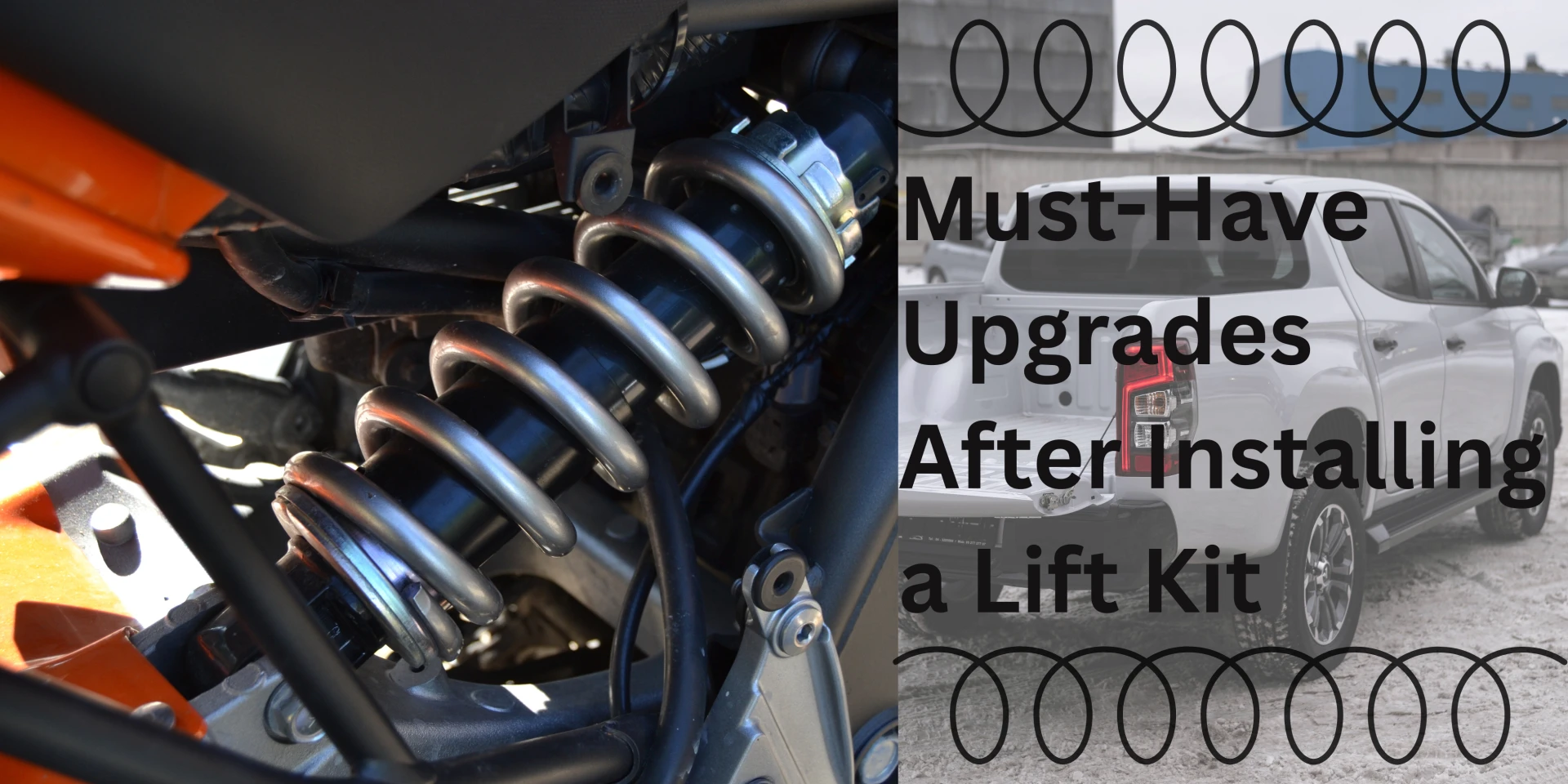

Installing a lift kit significantly alters your truck's dynamics, stance, clearance, and overall driving performance both on and off the road. However, lifting your truck also impacts suspension geometry, braking, and driveline angles, while exposing additional parts of the undercarriage to wear and debris. To maximize the benefits of the increased height, it's essential to upgrade other components accordingly.
Essential post-lift upgrades include truck parts and accessories to make your ride safer and more convenient. These upgrades complement the lift kit, ensuring a balance of functionality, safety, and performance. This way, your truck not only looks great but also drives smoothly and withstands any environment you take it into.
Step Up with Nerf Bars
After a lift, many owners quickly notice that getting in and out of the cab becomes more difficult. Nerf bars can solve this problem right away. These side steps offer secure footing, especially in wet or muddy conditions, and help prevent slips when loading gear or passengers.
They also protect the rocker panels from rock chips and road debris, damage that is more common with wider tires. For daily drivers or work trucks that are lifted, this protection is essential.
When selecting nerf bars, consider the material and length. Stainless or powder-coated steel bars provide strength and corrosion resistance, while aluminum options reduce weight. Models that are cab-length enhance access, whereas wheel-to-wheel versions offer complete side protection.
Simple yet essential, nerf bars enhance everyday usability, keeping your lifted truck practical, safe, and ready for anything.
Wheels and Tires That Fit
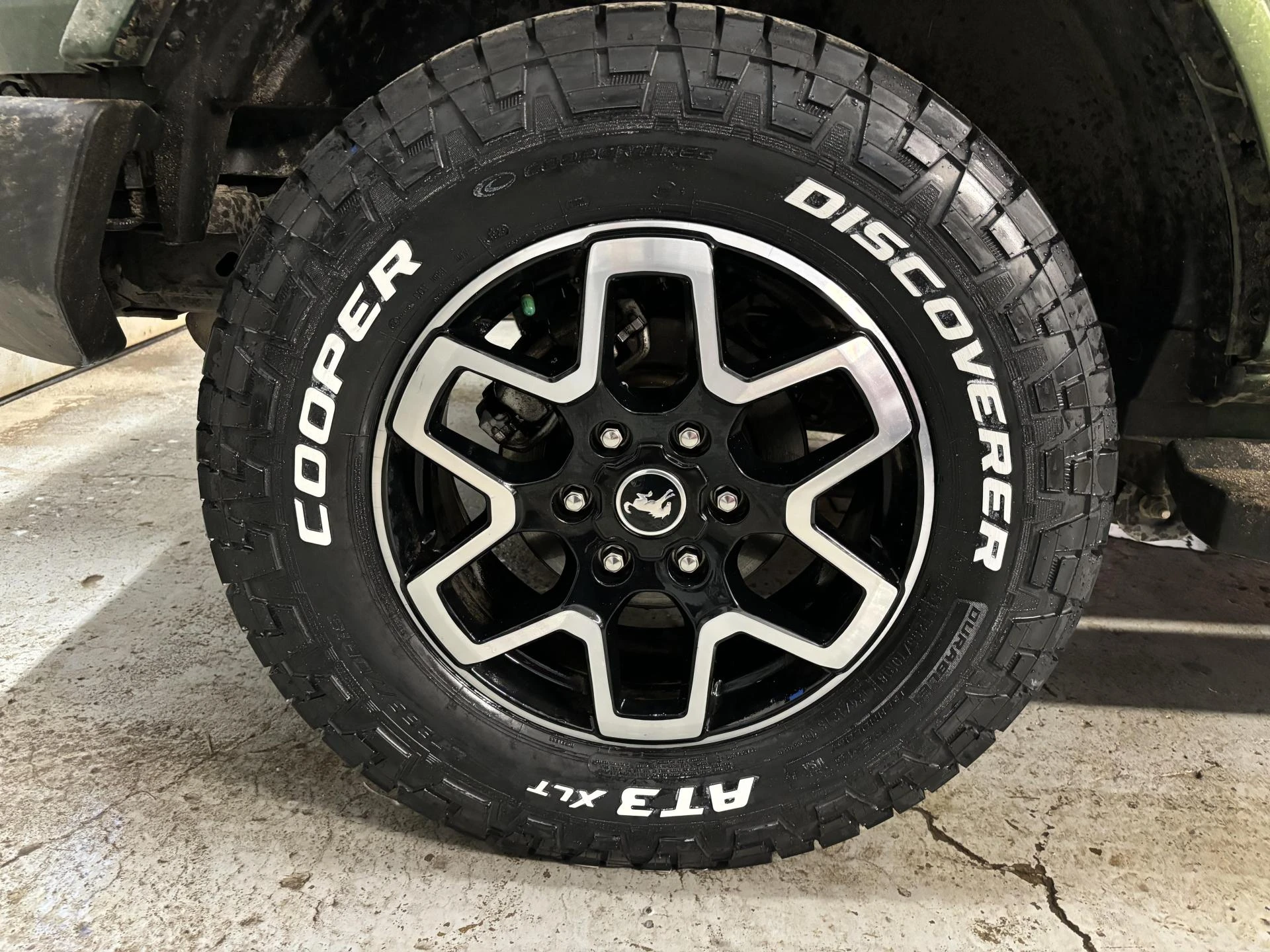
A lift kit creates space for larger tires, and upgrading wheels and tires is not solely about appearance. The right combination restores handling balance, traction, and ride quality once the suspension has been raised.
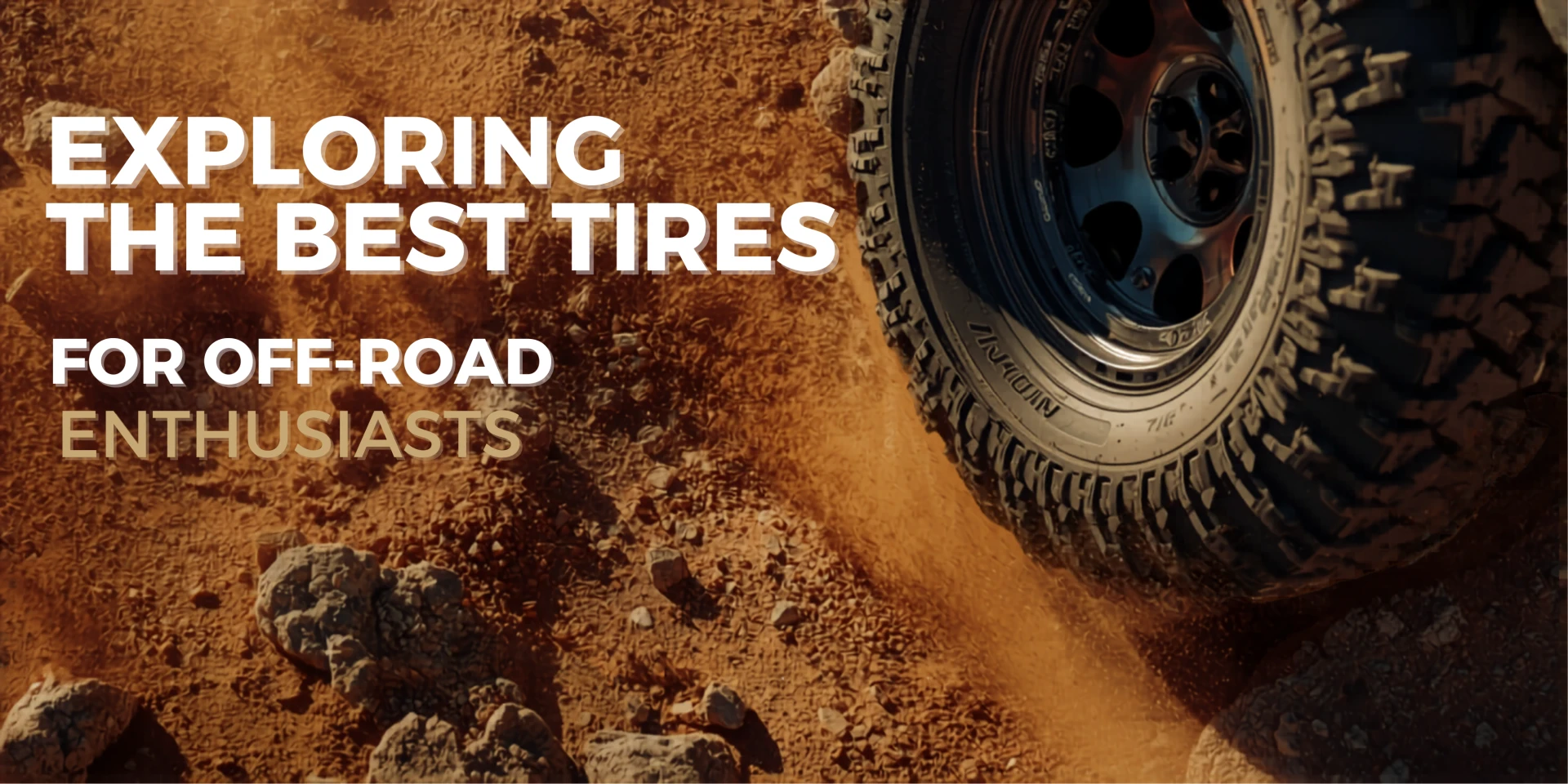
Tires define how your lifted truck performs. All-terrain tires strike a good balance between road comfort and trail capability, while mud-terrain tires deliver maximum grip in loose or rocky conditions at the expense of road noise and wear. The increase in overall tire diameter improves ground clearance and approach angles, helping your truck clear obstacles with less risk of underbody contact.
Wheel selection is just as important. Proper offset and backspacing ensure the tires sit correctly in the wheel wells and don’t rub against suspension components or fenders under compression. A slightly wider stance can also improve stability on lifted trucks, but excessive offset can strain wheel bearings and steering parts.
Many lifted-truck owners also opt for load-rated, reinforced alloy or steel wheels. These handle the added leverage and stress from larger tires and heavy-duty off-road use while maintaining proper weight distribution.
After installation, always recalibrate the speedometer, realign the suspension, and re-torque lug nuts after the first few miles. Proper sizing, balance, and alignment not only preserve drivability but also prevent premature wear on suspension and steering components.
A well-matched wheel-and-tire setup elevates a lift from an aesthetic upgrade to a genuine performance enhancement, ensuring stability on the road, confidence on the trail, and durability for the long haul.
Add Fender Flares
Once bigger tires go on, debris control becomes a real concern. Fender flares extend the coverage around the wheel wells, catching mud, rocks, and road grime that would otherwise chip paint or dent body panels.
They also give the truck a more finished look, complementing the wider, more aggressive stance. Options range from OEM-style flares for subtle protection to pocket-style designs that emphasize the truck’s off-road presence.
Besides keeping your truck cleaner, fender flares also help you stay compliant with local tire coverage laws, a practical upgrade that combines protection, function, and style.
Protect the Undercarriage
A lift kit increases ground clearance, but raising your vehicle too high can leave the undercarriage more vulnerable on rocky trails. Skid plates are essential for protecting important components, such as the oil pan, transfer case, and fuel tank, from impact. Without these protections, you risk damaging your vehicle and potentially ending your trip prematurely.
Factory plates often cover only the basics, so aftermarket options in steel or aluminum are popular upgrades. Steel offers maximum durability for heavy-duty use, while aluminum provides solid protection without the extra weight.
Adding armor beneath your truck keeps critical systems safe, letting you take full advantage of your lift without hesitation on rough terrain.
Upgrade Suspension and Steering
A lift alters suspension geometry and steering angles, which can affect handling, tire wear, and ride quality if not properly addressed. The higher center of gravity also changes how the truck responds to bumps, turns, and uneven terrain. To bring everything back into balance, it’s important to upgrade key suspension and steering components.
Start with the shocks. Factory shocks are rarely tuned for the increased travel and angles of a lifted setup. Upgrading to longer-travel or performance shocks improves rebound and damping control, allowing the truck to remain stable over rough terrain while also smoothing out highway ride quality. Remote-reservoir shocks are an even better option for trucks that see heavy off-road use, as they manage heat and maintain consistent performance over long, punishing trails.
Next are the control arms. Adjustable upper and lower control arms allow precise correction of caster and camber angles thrown off by the lift, restoring straight-line tracking and even tire wear. They also provide additional articulation for off-road flexibility, keeping the tires in contact with the ground where traction matters most.
A steering stabilizer is another essential addition. It absorbs kickback from larger, heavier tires, reducing steering shimmy —a common issue after a lift. Dual stabilizers are often recommended for trucks with oversized off-road tires, as they provide more balanced resistance and help extend steering component life.
In some cases, trucks with significant lifts may also benefit from upgraded tie rods, track bars, or pitman arms, all of which help maintain proper steering geometry and reduce stress on factory parts.
Upgrade the Brakes
Larger tires and added lift put more strain on your truck’s braking system. The extra rotational mass means it takes more force to stop, especially when towing or hauling. The added height also changes weight transfer during braking, often making the pedal feel softer or less responsive.
To restore stopping performance, consider larger rotors and multi-piston calipers for better clamping power and heat management. Slotted or drilled rotors can also help shed debris and gases, improving consistency in muddy or sandy conditions.
If you’re not ready for a full brake system swap, performance pads and stainless steel lines still make a noticeable difference, sharpening pedal feel and reducing fade. A high-temperature brake fluid upgrade further improves reliability on long descents or in heavy use.
Strong, consistent brakes aren’t just a performance upgrade. They’re essential for safety on a lifted truck.
Reinforce the Driveline
Lifting a truck changes driveshaft and pinion angles, which can cause vibration, binding, or premature wear on the U-joints and bearings. Over time, these issues lead to rougher rides and potential driveline damage.
Begin by using driveline spacers, carrier bearing drops, or adjustable control arms to correct angles and restore alignment. Trucks with taller lifts or extreme off-road articulation benefit from a double-cardan driveshaft or transfer case drop kit, both designed to reduce vibration and maintain smooth power delivery.
Routine inspection and lubrication of U-joints and slip yokes are also key to reliability. Reinforcing the driveline ensures smooth operation, extends the life of components, and keeps your lifted truck performing at its best.
Build It Tall, Build It Right
Installing a lift kit is just the first step in transforming your truck. To truly make the upgrade worthwhile, you need supporting modifications that bring back balance, safety, and usability. Mechanical components like upgraded brakes, driveline parts, and suspension pieces keep performance smooth and reliable, while exterior accessories such as nerf bars and fender flares enhance practicality and protection. A well-equipped lifted truck isn’t just taller —It’s tougher, safer, and ready for anything the road or trail throws its way.
























Sign in to leave a comment.