

To get the most out of your truck tires, understanding the factors that influence their lifespan is essential. Everything from the weight your truck carries to how often you drive, road conditions, regular maintenance, and even your driving habits can play a significant role in how long your tires last. By paying close attention to these details and making informed decisions, you can maximize tire performance, ensure road safety, and save money in the long run. Knowing what affects tire longevity empowers you to take control and get more miles out of every set.
Understanding Truck Tire Lifespan: Why It Matters?
Truck tire longevity isn't just about getting the most miles out of your investment—it's central to pickup safety, cost savings, and optimal performance on the road. Well-maintained tires, replaced at the proper intervals, keep your truck running safely, reducing the risk of blowouts or accidents caused by worn tread. This level of reliability is crucial when your business—and sometimes lives—depend on every mile traveled.
The importance of tire life also extends directly to your bottom line. Longer-lasting tires mean fewer replacements and less maintenance downtime, resulting in significant cost savings over time. Investing in high-quality tires and regular inspections can help you maximize their lifespan while minimizing unexpected expenses.
Furthermore, optimal tire performance supports better fuel efficiency and handling. Well-maintained tires grip the road more effectively, improve braking distance, and contribute to a smoother ride for both drivers and cargo. In short, focusing on truck tire longevity truly benefits all areas—enhancing safety and making operations run more smoothly. It's a key part of taking good care of your fleet.
The Biggest Factors That Affect Your Truck Tire Lifespan
One of the most significant elements is tire wear and tear, which can vary dramatically depending on how you drive. Aggressive acceleration, hard braking, and sharp turns all accelerate tread deterioration. Adopting smoother driving habits helps extend the life of your truck tires and ensures a safer ride.
Another critical factor is load capacity. Every tire is designed to support a specific amount of weight. Exceeding this limit by overloading your truck not only speeds up wear but also increases the risk of dangerous blowouts. The effects of overloading are particularly harsh on off-road tires, which already endure rougher terrain than standard road tires.
Speaking of terrain, road conditions play a huge role in off-road tire longevity. Consistently driving on rocky surfaces or uneven trails causes more rapid degradation than driving on smooth highways. By gaining a better understanding of how factors such as tire wear and tear, driving habits, load capacity, overloading effects, and road conditions affect off-road tire performance, you can make more informed decisions to help keep your truck running safely and smoothly for many miles ahead.
Tire Maintenance Essentials: Key to Maximizing Longevity
Begin with regular tire inspections to check for visible damage, uneven wear, or any embedded objects. This helps identify problems before they escalate into costly repairs or dangerous blowouts. Maintaining proper inflation pressure is also crucial; under-inflated or over-inflated tires wear out more quickly, reduce fuel efficiency, and compromise handling.
Don't overlook the importance of following a consistent tire rotation schedule. Rotating your tires helps distribute wear more evenly across all four wheels, extending their lifespan and ensuring a smoother ride. In addition, wheel alignment plays a vital role in preventing premature tire wear and keeping your vehicle safely on course. Misaligned wheels can lead to uneven tread patterns and even impact your steering control.
Finally, balancing tires ensures that weight is distributed evenly around each wheel and helps eliminate vibrations at higher speeds. This small step makes a big difference in comfort and tread longevity. By making these maintenance essentials part of your routine, you'll not only maximize tire life but also enhance safety every time you drive.
The Role of Weather and Climate on Tire Durability
Temperature effects on tires are significant, as both extreme heat and freezing temperatures can alter rubber compounds. In hotter climates, elevated road temperatures cause tires to expand and soften, accelerating tread wear and increasing the risk of blowouts. Conversely, cold weather can make rubber stiff and brittle, reducing traction and increasing the risk of cracking.
Seasonal changes and tires are closely linked; as autumn gives way to winter or spring transitions into summer, fluctuations in temperature prompt the rubber to contract or expand. This constant motion gradually weakens your tire's structure. Moreover, UV damage to rubber is a silent yet serious threat—prolonged exposure to sunlight breaks down tire polymers, leading to fading, drying, and surface cracks that compromise safety.
Extreme weather conditions impact tire durability in even more dramatic ways. Heavy rain can lead to hydroplaning if treads are worn; snow or ice demands specialized compounds for grip; while intense storms may deposit debris that punctures or slashes rubber surfaces. Clearly, keeping an eye on local climate patterns isn't just wise—it's critical for maximizing tire lifespan and ensuring your vehicle remains safe year-round. Regular inspections and seasonal tire changes are smart strategies every driver should adopt to changing weather conditions.
Tire Quality and Choosing the Right Tires for Your Truck
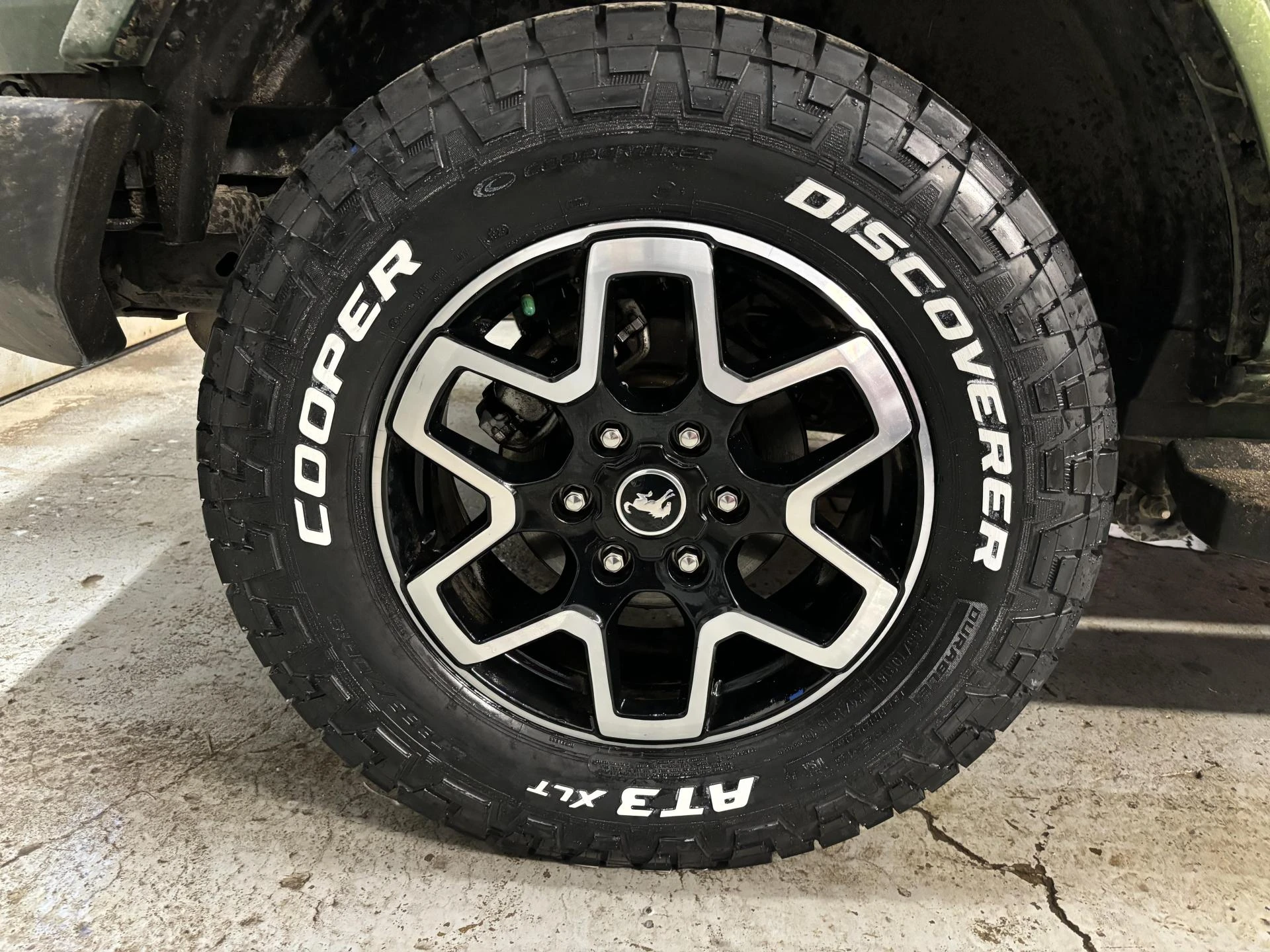
The right set of tires impacts everything from fuel efficiency to handling on challenging roads. Conducting a tire brand comparison is a smart first step, as reputable brands often invest more in research, resulting in advanced tread designs and long-lasting materials. When choosing durable truck tires, prioritize those with reinforced sidewalls and robust tread compounds designed for heavy loads and varied terrain.
Many truck owners grapple with the decision between new and used truck tires. New tires may have a higher upfront cost but deliver superior reliability, warranty coverage, and the latest technology in tread design, which influences lifespan. Used tires can seem like a bargain, but they may come with hidden wear or damage that compromises safety over time.
Tread design itself is vital in determining how long your tires will last. Deep grooves and strategically placed sipes help channel water away for better grip while resisting uneven wear, which is a key factor if you're covering thousands of miles each month. Ultimately, investing time into researching tire options pays dividends in performance, longevity, and peace of mind every mile you drive.
Warning Signs Your Truck Tires Need Replacement Now
Ignoring the condition of your truck tires can have serious consequences, not only for your vehicle but also for your safety on the road. Recognizing the warning signs early can help you avoid unexpected blowouts and costly repairs. One of the most critical indicators is worn tread. Modern truck tires feature tread wear indicators, those small raised bars that run perpendicular to the tread. If these bars are flush with your tire's tread, it means your tires have reached their minimum safe depth and need to be replaced immediately.
Another major red flag is sidewall damage. Look closely for visible cracks, cuts, or bulges in the sidewalls of your truck tires. These defects often signal structural weakness that could lead to sudden tire failure while driving. Don't ignore these signs; addressing them promptly could prevent dangerous situations on highways or job sites.
Lastly, pay attention to uneven wear patterns on truck tires. Uneven wear may appear as bald patches or excessive wear on one edge of the tire and is often a symptom of improper wheel alignment or suspension issues. Not only does this shorten tire lifespan, but it also compromises traction and handling, especially when hauling heavy loads or navigating challenging terrain.
Boost the Life of Your Truck Tires Today
Protecting your investment starts with the simple steps you take every day. By following essential truck tire care tips, you're not only extending your tires' life but also ensuring safer, smoother journeys. Proactive maintenance offers tremendous benefits for truck owners—reducing unexpected breakdowns, lowering long-term costs, and maximizing on-road performance. Remember, regular checks matter more than you think: they help catch small issues before they turn into costly repairs. Commit to a consistent tire care routine today, and watch your truck tires pay you back in reliability and longevity.



























Sign in to leave a comment.