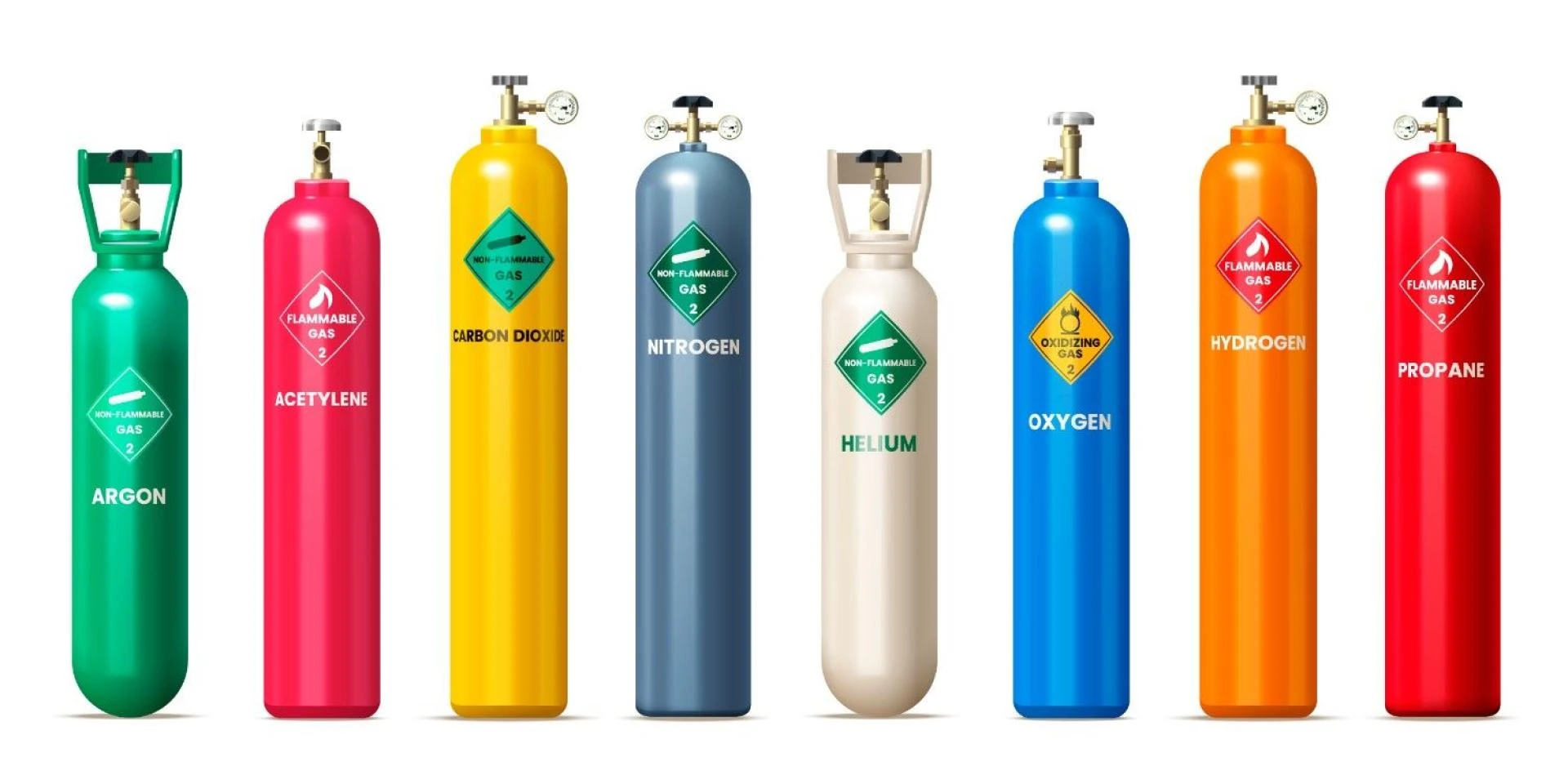
Medical and industrial environments need expertise in high-pressure gas dynamics to sustain their operational safety standards. Facilities that need carbon dioxide for carbonation, sedation and welding operations must achieve their high-performance workplace status through their ability to operate these assets without accidents.
The storage of carbon dioxide requires strict handling procedures because any violation of these procedures will cause professional mistakes, which result in vessel structural damage or dangerous gas leaks. A storage system that enables proper environmental management with protected equipment controls all aspects of gas operations and holds industrial value.
The right facility, ventilation, and equipment placement procedures work together to create both operational efficiency and regulatory compliance. The first requirement for your team to achieve better safety results involves training them in the proper methods to manage CO2 cylinders.
Key Takeaways
- Pressure Management: Understanding the internal stress of liquefied gas at room temperature.
- Environmental Control: Preventing thermal expansion by avoiding direct heat sources.
- Mechanical Security: Utilizing chains and racks to prevent accidental tipping or valve damage.
What Are the Primary Factors to Understand About Handling High-Pressure Vessels?
Evaluating Vertical Storage & Securing Protocols
The safe management of compressed gas requires permanent vessel maintenance in an upright position because this condition protects against all potential hazards.
The personnel need to use specialized racks or heavy-duty chains for handling CO2 cylinders because these tools stop the units from falling down.
The safety measures prevent operational "torpedoing," which happens when a valve shears off during a drop. The facility eliminates unsecured storage that protects the vessel's high-pressure core from impact-related failures.
Analyzing Ventilation & Atmospheric Leak Detection
The gas storage operation achieves maximum efficiency when the ventilation system for the storage area maintains its mechanical strength. Carbon dioxide leaks from CO2 cylinders when the gas sinks to ground level and creates dangerous oxygen-free zones in enclosed spaces.
Industrial environments require people to select a well-ventilated, cool space because this choice supports their goal of achieving maximum safety while building a dependable operational system.
Assessing Transit Stability & Valve Protection Standards
Safe logistics operations begin with the complete Physical Vessel Preparation process and end when the ship leaves for its planned route.
You must confirm that safety caps have been properly threaded onto valves before you allow transportation of CO2 cylinders to proceed. The transit process optimization protects the most delicate tank component from all external impacts.
The provider achieves optimal material handling results through its detailed operational methods, which create a dependable and professional working space for drivers and users.
Conclusion
The implementation of formal storage procedures together with controlled vessel management systems enables managers to protect their facilities from potential dangers associated with high-pressure incidents.
Technical requirements for workspace security create a reliable environment that generates perpetual value for industrial operations.
The certified industrial gas supplier in the southeast coordinates with you to maintain your essential gas services, which guarantees their safety, peak performance, and operational longevity.


















Sign in to leave a comment.