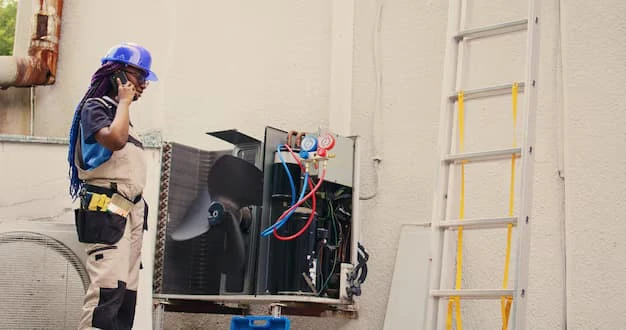

Air conditioning systems play a critical role in maintaining comfort and indoor air quality, especially during warmer months. When an air conditioner begins to fail, it rarely stops working without warning. There are often clear signals that indicate the need for air conditioning repair before a minor issue becomes a major breakdown. Understanding these signs allows homeowners and property managers to act quickly, protect their investment, and maintain a healthy indoor environment.
This article explains how to recognize the most common and urgent indicators that an air conditioner requires immediate professional attention. Written in an informative and practical tone, it is designed to help readers make confident decisions when performance issues arise.
Why Early Detection Matters
Catching air conditioning problems early is essential for several reasons. An underperforming system often consumes more energy, increases utility bills, and experiences additional strain on internal components. Delayed repairs can also result in complete system failure, which is typically more expensive and inconvenient.
Beyond financial concerns, a malfunctioning air conditioner can affect indoor comfort and air quality. Excess humidity, uneven cooling, and poor airflow can create an unhealthy living environment. Early detection and timely repair help ensure consistent comfort, reliable operation, and longer equipment life.
Unusual Noises Coming From the System
Air conditioners are designed to operate with minimal sound. While a gentle hum is normal, unusual noises often signal internal problems that should not be ignored.
Grinding or Scraping Sounds
Grinding or scraping noises usually indicate that metal components are rubbing against each other. This may be caused by worn bearings, damaged fan blades, or motor issues. If left unaddressed, these problems can lead to severe mechanical damage.
Banging or Clanking Noises
Banging or clanking sounds often suggest loose or broken parts inside the unit. Components may have come out of alignment or detached entirely. Immediate inspection is necessary to prevent further damage.
High Pitched Whistling or Hissing
Whistling or hissing noises can indicate airflow restrictions or refrigerant leaks. Refrigerant issues are especially urgent, as they can reduce cooling efficiency and pose potential health risks.
Weak or Inconsistent Airflow
Strong and consistent airflow is essential for effective cooling. When airflow becomes weak or uneven, it is often a sign of an underlying problem.
Blocked or Dirty Filters
Clogged air filters restrict airflow and force the system to work harder than necessary. While filter replacement is routine maintenance, prolonged neglect can lead to more serious issues within the system.
Ductwork Problems
Leaks, blockages, or collapsed sections in the ductwork can prevent cooled air from reaching certain areas. Inconsistent temperatures throughout the space often point to duct related issues.
Failing Blower Motor
The blower motor is responsible for circulating air through the system. When it begins to fail, airflow may become weak or intermittent, signaling the need for professional evaluation.
Warm Air Blowing From Vents
One of the most obvious signs of trouble is when an air conditioner blows warm air instead of cool air. This issue requires immediate attention, particularly during hot weather.
Refrigerant Level Issues
Low refrigerant levels prevent the system from absorbing and releasing heat effectively. This may be caused by leaks that must be repaired before refrigerant can be safely replenished.
Compressor Malfunctions
The compressor is a core component of the cooling process. When it fails or operates inefficiently, the system cannot cool the air properly. Compressor problems are serious and should be addressed promptly.
Thermostat Malfunctions
Sometimes the issue lies with the thermostat rather than the air conditioner itself. Incorrect readings or faulty wiring can cause the system to deliver warm air unexpectedly.
Unpleasant Odors From the Air Conditioner
Strange smells coming from the air conditioning system should never be ignored, as they often indicate health or safety concerns.
Musty or Moldy Smells
A musty odor typically suggests mold or mildew growth within the system or ductwork. Excess moisture creates an ideal environment for microbial growth, which can affect indoor air quality.
Burning Smells
A burning odor may indicate overheating components, electrical issues, or damaged wiring. This situation can pose a fire risk and requires immediate professional intervention.
Chemical or Sharp Odors
Sharp or chemical like smells may point to refrigerant leaks or other hazardous issues. Exposure to refrigerant can be harmful, making prompt repair essential.
Frequent Cycling or Constant Running
An air conditioner should cycle on and off at regular intervals to maintain the desired temperature. Abnormal cycling patterns are a clear sign of trouble.
Short Cycling
Short cycling occurs when the system turns on and off too frequently. This behavior can be caused by thermostat issues, refrigerant problems, or oversized equipment. Short cycling increases wear and reduces efficiency.
Continuous Operation
If the air conditioner runs continuously without reaching the set temperature, it may be struggling due to restricted airflow, low refrigerant, or mechanical failure. Continuous operation can significantly increase energy consumption.
Sudden Increase in Energy Bills
An unexpected spike in energy costs often reflects decreased system efficiency. When an air conditioner works harder to produce the same level of comfort, energy usage rises.
Reduced Efficiency From Worn Components
Over time, components such as coils and motors can wear down, reducing overall efficiency. Without timely repair, these issues can worsen and lead to higher operating costs.
Undetected System Strain
Hidden problems within the system may not immediately affect comfort but can still cause increased energy consumption. Regular monitoring of utility bills can help identify these issues early.
Excess Moisture or Leaks Around the Unit
Moisture accumulation around an air conditioner is a sign that something is wrong. While some condensation is normal, excessive water or leaks are not.
Clogged Drain Lines
The condensate drain line removes moisture from the system. When it becomes clogged, water can back up and cause leaks or water damage.
Frozen Evaporator Coils
Ice buildup on the evaporator coils can lead to water leaks once the ice melts. Frozen coils are often caused by airflow restrictions or refrigerant problems.
Refrigerant Leaks
Refrigerant leaks not only reduce cooling performance but can also create moisture issues. These leaks require immediate professional repair to restore proper operation.
Poor Indoor Air Quality
Air conditioners contribute significantly to indoor air quality. When the system malfunctions, air quality can decline noticeably.
Increased Dust and Allergens
A failing system may not filter air effectively, allowing dust, pollen, and other allergens to circulate throughout the space.
Excess Humidity Levels
Proper humidity control is essential for comfort and health. When an air conditioner cannot remove moisture effectively, indoor humidity can rise, leading to discomfort and potential mold growth.
Stale or Stuffy Air
Inadequate ventilation or poor airflow can cause indoor air to feel stale. This often indicates that the system is not circulating air properly.
System Age and Performance Decline
The age of an air conditioner plays a significant role in its reliability. As systems age, the likelihood of breakdowns increases.
Frequent Repairs
If an air conditioner requires frequent repairs, it may be approaching the end of its service life. While occasional maintenance is normal, repeated issues suggest declining performance.
Outdated Technology
Older systems often lack the efficiency and performance of newer models. While replacement may eventually be necessary, timely repairs can help extend the system life.
Reduced Cooling Capacity
An aging system may struggle to cool the space effectively, even when operating continuously. This decline in performance is a strong indicator that professional evaluation is needed.
When Immediate Professional Repair Is Necessary
Certain signs indicate that immediate action is required. These include burning smells, refrigerant leaks, electrical issues, and complete system failure. In such cases, continued operation can be dangerous or cause extensive damage.
Professional technicians have the tools and expertise to diagnose issues accurately and perform repairs safely. Prompt professional attention helps restore comfort and prevent further complications.
Conclusion
Recognizing the warning signs of a failing air conditioner is essential for maintaining comfort, efficiency, and safety. Unusual noises, weak airflow, warm air, unpleasant odors, and rising energy bills all point to the need for timely attention. Addressing these issues early can prevent costly breakdowns and extend the life of the system.
For expert assistance and dependable service, homeowners and property managers can rely on the experience and professionalism of Green Air Engineering to ensure their cooling systems operate reliably when they are needed most.
























Sign in to leave a comment.