
We spend a massive portion of our adult lives inside commercial buildings, offices, warehouses, and manufacturing facilities. Yet, we rarely stop to think about the quality of the invisible air filling our lungs throughout the workday. When indoor air is clean, operations run smoothly and nobody notices. But when the air becomes stale, stagnant, or filled with invisible pollutants, it triggers a chain reaction of subtle but severe problems across your entire business.
Leaving poor indoor air quality unman aged leads to constant employee headaches, sudden drops in daily productivity, and an explainable rise in annual sick days. Investing in regular professional air quality testing allows you to strip away the guesswork, pinpoint exactly what your team is breathing, and build a workspace that is genuinely healthy, secure, and compliant.
The Hidden Costs of Poor Indoor Air
Many business owners assume that if an office does not smell strange, the air must be perfectly safe. Unfortunately, some of the most disruptive workplace air pollutants are completely odourless and invisible. Carbon dioxide from crowded meeting rooms can build up quickly when ventilation systems are old or poorly maintained, leaving your entire team feeling drowsy, sluggish, and completely drained of energy by mid-afternoon.
In more industrial or newly renovated settings, chemical vapours from fresh carpets, heavy-duty cleaning agents, and manufacturing solvents silently accumulate in stagnant air pockets. When employees breathe these elements day after day, they experience burning eyes, scratchy throats, and chronic fatigue. Over time, these minor physical irritations turn into major operational headaches, resulting in higher employee turnover, costly worker compensation claims, and lower overall morale. Taking a proactive approach to your building environment solves these issues before they impact your bottom line.
Protecting Your Business Reputation and Bottom Line
Taking care of your air is also a smart financial decision. When a workspace has clean, fresh air, employees stay focused, engineered, and sharp. This leads to fewer mistakes, better customer service, and a much happier overall work environment. On the flip side, ignoring air issues can quietly drain your profits through high absenteeism and low daily output.
By being proactive, you show your staff and your clients that you truly care about their well-being. It transforms your facility into a premium place to work and protects you from sudden emergency repair bills for your ventilation systems. Clean air is a basic foundation for a thriving, reliable business.
Conclusion: Partnering for Cleaner Air
Investing in the health of your commercial property is essential for sustaining long-term commercial success and compliance. Partnering with dedicated environmental experts like Envirocorp allows you to accurately detect hidden airborne hazards, optimize your current ventilation systems, and protect your workforce from chronic fatigue. Ultimately, taking a structured approach to indoor air quality ensures that your facility remains a safe, highly efficient, and premium environment where your business can truly thrive.
Frequently Asked Questions About Commercial Air Testing
1. What happens during professional air quality testing?
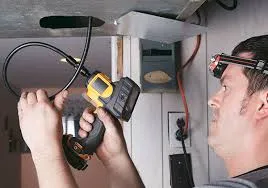
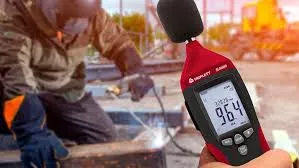
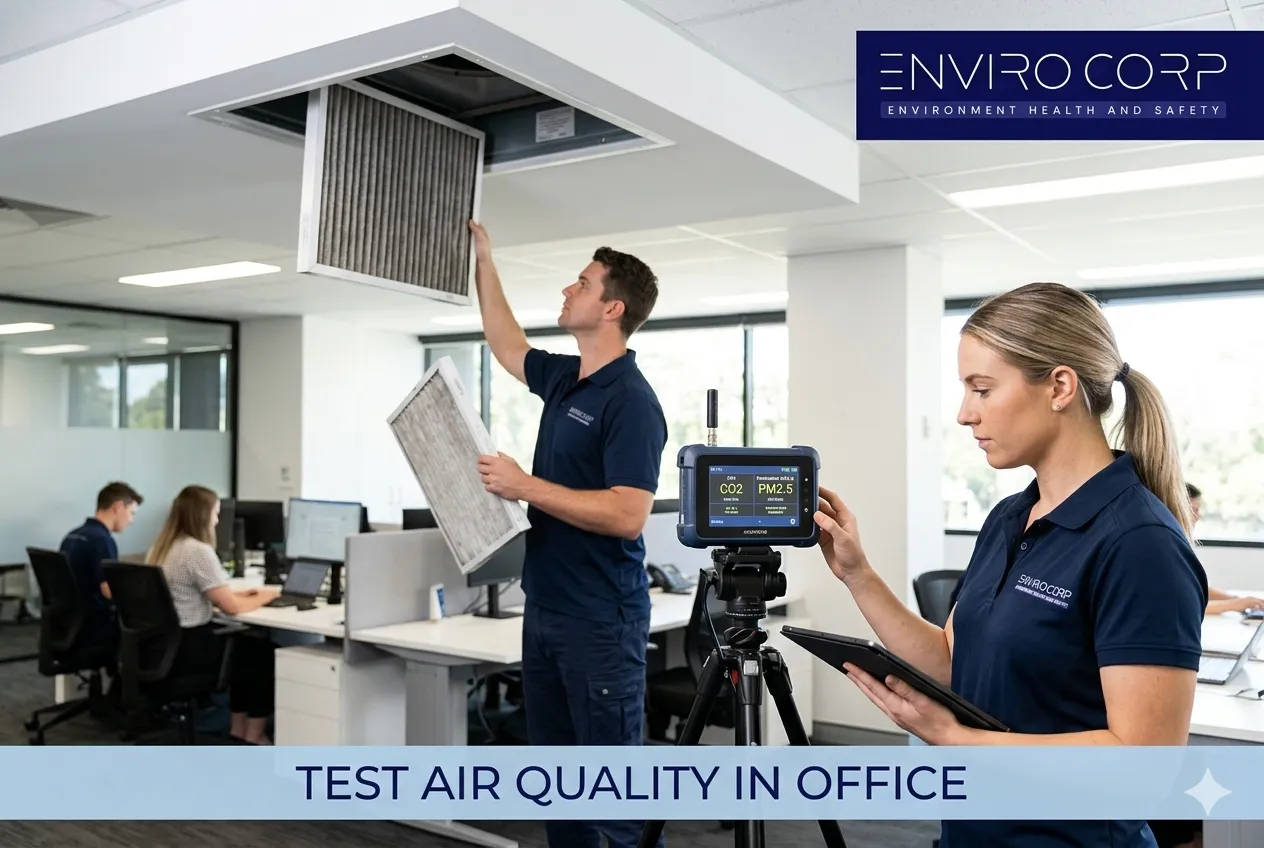
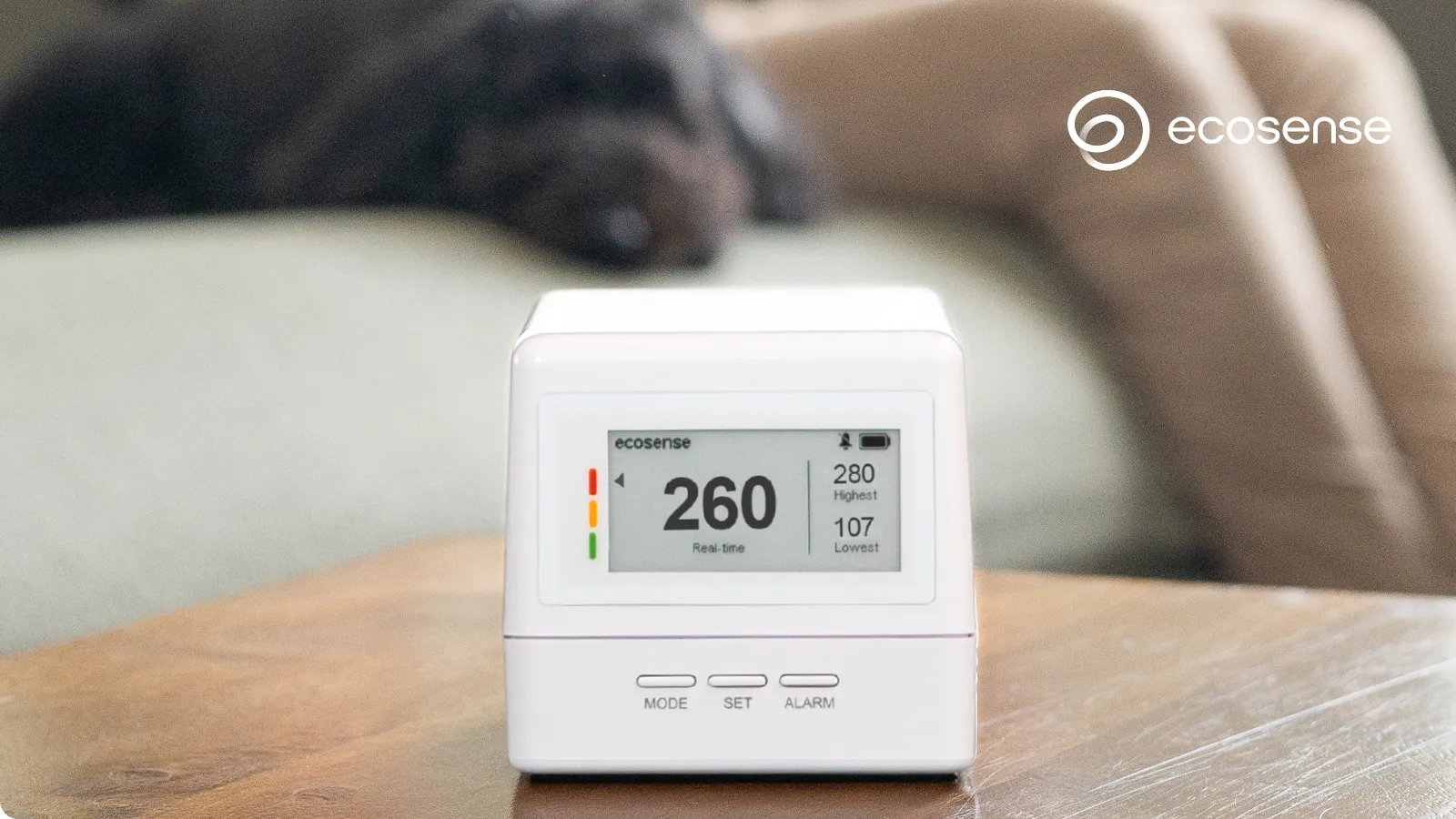
During a standard assessment, a qualified technician visits your site with specialised electronic meters. They check basic comfort levels like humidity and temperature while measuring airborne dust, mold spores, and chemical vapours. This process gives you an accurate snapshot of your overall workplace health.
2. How do you know if your building needs a test?
You should arrange an air check if your staff experiences frequent headaches, dry eyes, or coughing that improves once they leave the property. Persistent musty smells, visible stains around ceiling vents, or recent building renovations are also strong warning signs that it is time to call for a professional review.
3. What specific pollutants do technicians look for?
The assessment team looks for three main threats to your breathing air. These include gases like carbon dioxide and chemical vapours, physical particles like fine construction dust, and biological hazards like mold spores or bacteria hiding in damp ventilation ducts.
4. Will the testing process disrupt your daily business?
Not at all. The testing takes just a few hours, and the monitoring devices run quietly in the background on tripods or desks. In fact, it is better to test while your crew is working normally, as this provides the most realistic picture of your daily air quality.
5. What should you do after getting your test results?
If the final report identifies a problem, the fix is usually very simple. Most issues can be resolved quickly by changing dirty ventilation filters, adjusting your building system to pull in more fresh outdoor air, or placing commercial air purifiers in windowless rooms.























Sign in to leave a comment.