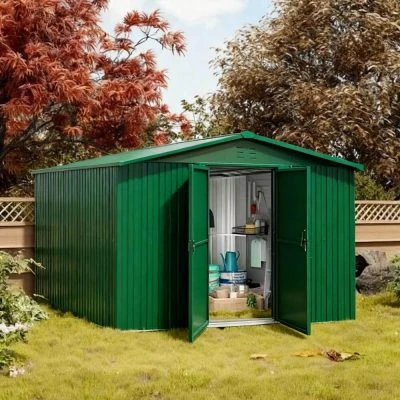

A practical, beginner-friendly guide using metal sheds and storage shelves
A garden metal shed can be one of the smartest investments you make for your home — yet for many households, it slowly becomes a place where items disappear rather than a space that actually works.
Tools pile up. Boxes get damp. You can never find the thing you need. Sound familiar?
The good news is this: with the right setup, a metal shed can function like a well-organised storage room or mini warehouse — even if you’ve never organised anything properly before. The secret lies in planning, airflow, moisture control, and smart use of storage shelves.
As someone who enjoys optimising living spaces and believes storage should make life easier (not harder), I’ll walk you through everything step by step — in plain language, no experience required.
Why Metal Sheds Are Ideal for Garden & Garage Storage
Metal sheds are especially popular in the UK, and for good reason.
They are:
- Weather-resistant, even in unpredictable British conditions
- Durable and long-lasting compared to timber sheds
- Low maintenance, with no painting or treating required
- Secure, making them suitable for tools, bikes, and equipment
That said, metal sheds behave differently from indoor rooms. They heat up, cool down quickly, and can trap condensation if not set up properly. That’s why combining a metal shed with proper storage shelves and airflow is essential.
Step One: Get the Basics Right
Start with a solid base
Never place a metal shed directly on soil or grass. Moisture rises from the ground and will eventually affect everything inside.
Best base options include:
- A concrete slab
- A compacted gravel foundation
- A raised timber base
A raised, level base protects your belongings and extends the life of the shed.
Ventilation is non-negotiable
Good airflow is the difference between a usable storage room and a damp metal box.
Most metal sheds come with basic vents, but you can improve airflow by:
- Ensuring vents are not blocked by shelving or boxes
- Adding extra wall or roof vents if possible
- Using a small battery-powered fan to keep air moving
This is especially important if you store anything made of metal, fabric, or paper.
Moisture Control: The #1 Rule of Shed Storage
Metal sheds naturally attract condensation when temperatures change. This doesn’t mean they’re bad — it just means moisture management matters.
Here’s how to stay ahead of damp:
- Use moisture absorbers or hanging dehumidifier bags
- Avoid placing items directly against metal walls
- Lay rubber mats or waterproof membranes on the floor
- Always allow gaps for air to circulate
A simple rule to remember:
Air should be able to move around every item.
Think Like a Room, Not a Dumping Ground
The biggest mistake people make is treating a shed as a temporary holding space. Instead, imagine it as a small room with a purpose.
Use storage shelves to go vertical
Floor space is limited, but wall space is valuable.
Adding storage shelves allows you to:
- Keep items off the floor
- Prevent moisture damage
- Store more without clutter
Adjustable metal shelves are ideal for sheds because they’re strong, rust-resistant, and easy to rearrange as your needs change.
Zone your shed
Just like rooms in a house, your shed should have “zones”.
Common zones include:
- Gardening tools and soil
- Power tools and DIY supplies
- Outdoor furniture covers
- Camping or seasonal items
- Cleaning products and chemicals
Once items have a designated zone, tidying becomes effortless.
Layout Tips That Make Everyday Life Easier
Leave a central walkway
Even a narrow walkway makes a huge difference. You’ll avoid constantly moving boxes just to reach something at the back.
Keep heavy items low
Place heavier items on lower storage shelves to improve safety and stability.
Put frequently used items near the door
If you use something weekly, it shouldn’t be buried behind seasonal decorations.
Smart Storage Habits That Actually Work
Choose plastic bins over cardboard
Cardboard absorbs moisture and weakens over time. Clear plastic bins:
- Resist damp
- Stack safely on storage shelves
- Let you see the contents instantly
Label everything
You don’t need perfection — simple labels save time and frustration.
Use vertical hooks and pegboards
Perfect for:
- Long-handled tools
- Hoses
- Brooms
- Extension leads
This keeps the floor clear and tools easy to grab.
Make Use of Overlooked Spaces
Ceiling storage
Overhead hooks or racks are great for:
- Ladders
- Folding chairs
- Hose reels
Behind-the-door storage
Slim racks or hooks behind the door are ideal for lightweight items.
Add light
A battery-powered LED strip or motion light instantly improves visibility and safety.
Safety & Security Essentials
A metal shed can protect valuable items — but only if secured properly.
- Use a weather-resistant lock
- Consider motion-sensor lights
- Anchor the shed if you live in windy areas
- Store hazardous chemicals in raised, ventilated cabinets
Always keep chemicals and sharp tools away from children and pets.
What Not to Store in a Metal Shed
Some items struggle with temperature changes and humidity.
Be cautious with:
- Paper documents or photo albums
- Bedding or fabric items
- Electronics or non-rust-proof power tools
- Paints and aerosols are sensitive to temperature
If you must store them, use airtight containers and extra moisture control.
Seasonal Maintenance: 15 Minutes That Saves You Hours
Once or twice a year:
- Wipe shelves
- Check for rust or leaks
- Remove spider webs
- Rotate unused items to the back
If you haven’t used something in over a year, consider whether it truly needs storage space.
Final Thoughts: A Shed That Works for You
When set up properly, metal sheds combined with well-planned storage shelves become one of the most efficient storage areas in your home. They save indoor space, protect your belongings, and make everyday tasks smoother.
Treat your shed like an extension of your home — not an afterthought — and it will reward you with order, accessibility, and peace of mind.






























Sign in to leave a comment.