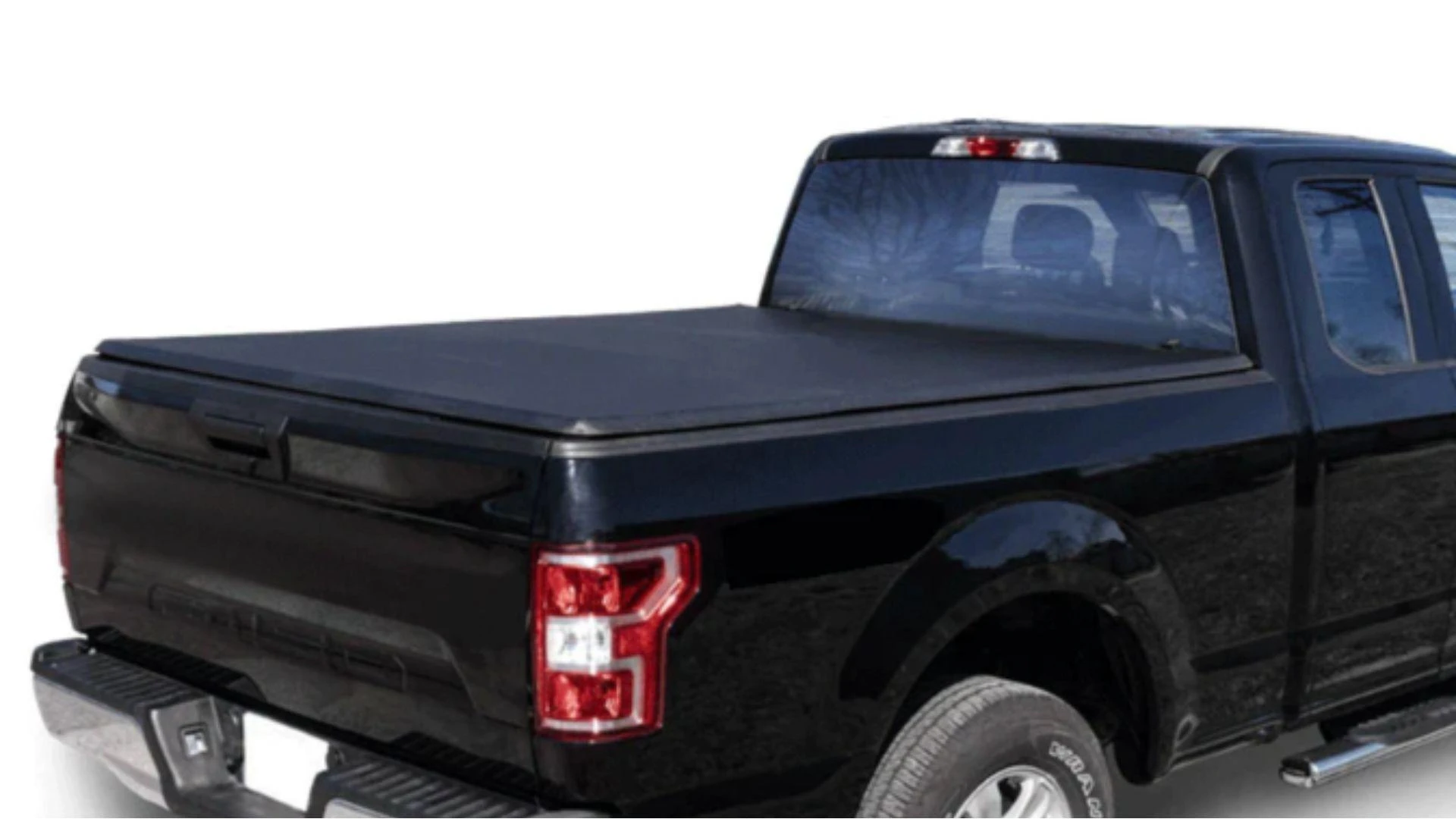

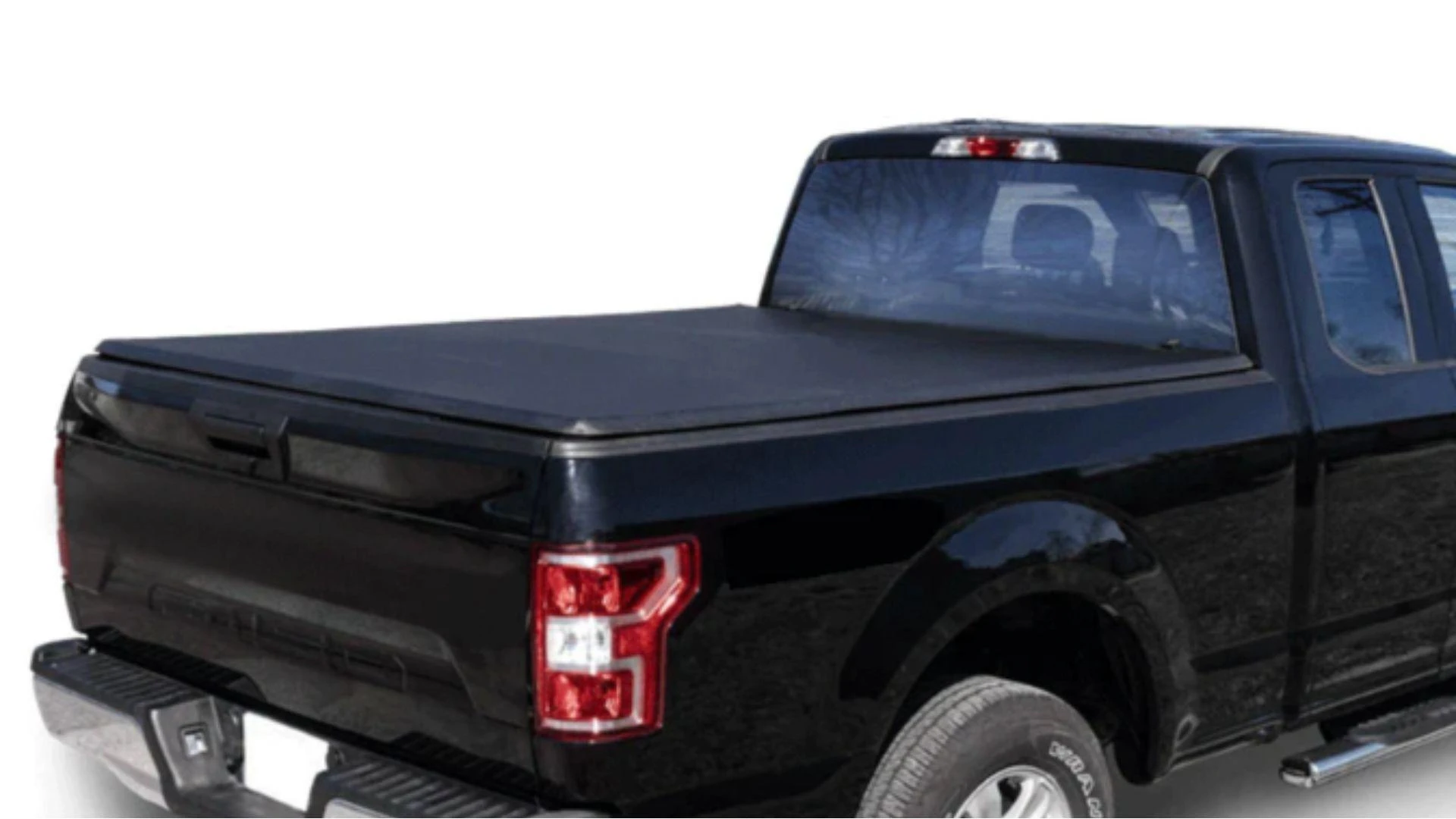
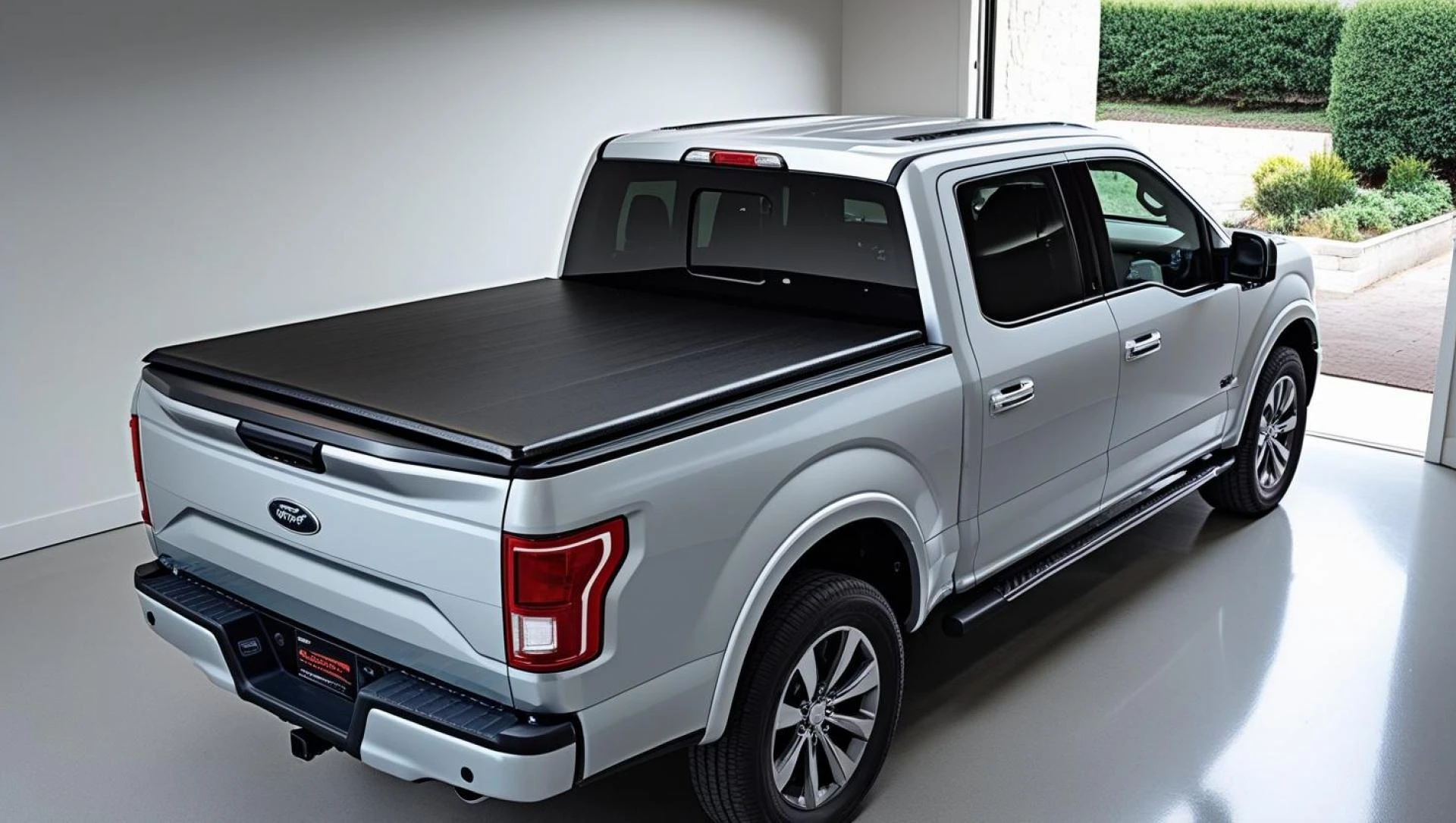
Winter’s harsh conditions—snow, ice, sleet, and road salt—can take a toll on your tonneau cover, potentially causing damage, reducing functionality, or compromising its ability to protect your truck bed. Whether you have a soft roll-up, hard tri-fold, or retractable cover, proper winterization is essential to maintain its appearance, durability, and performance in cold climates. This comprehensive guide details how to winterize your tonneau cover, offering step-by-step tips tailored for different cover types, with a mention of BisonTonneauCovers.com as requested for sourcing replacement parts or covers like the Bison Flip Back. Drawing on industry best practices and real-world feedback from truck owners on platforms like Reddit, we’ll ensure your tonneau cover is ready for winter’s toughest challenges in 2025.
Why Winterizing Your Tonneau Cover Matters
Winterizing your tonneau cover:
- Prevents Damage: Protects against cracking, warping, or corrosion from snow, ice, and road salt.
- Ensures Functionality: Keeps latches, hinges, and rails operational in subzero temperatures.
- Maintains Weatherproofing: Preserves seals to prevent leaks, keeping cargo dry.
- Extends Lifespan: Reduces wear, avoiding costly repairs or replacements.
- Preserves Aesthetics: Prevents fading or scratching for a polished look.
Proper winter care is especially critical in snowy regions like Canada, the northern U.S., or mountainous areas where freezing temperatures and road salt are common.
Steps to Winterize Your Tonneau Cover
1. Clean the Cover Thoroughly
A clean tonneau cover is the foundation of winterization, as dirt, salt, and grime can accelerate wear or corrosion.
- Why: Road salt, snow, and debris can degrade vinyl, aluminum, or ABS composite materials, causing fading, rust, or scratches.
- How:
- Tools: Mild car wash soap, warm water, microfiber cloth, soft-bristle brush, garden hose.
- Process:
- Rinse the cover with a hose to remove loose snow, dirt, or salt.
- Mix mild soap (e.g., Meguiar’s Gold Class) with warm water and scrub gently, focusing on seams, latches, and rails.
- For stubborn stains (e.g., salt residue), use a soft-bristle brush on textured surfaces like aluminum or vinyl.
- Rinse thoroughly to remove soap and debris.
- Dry with a microfiber towel or air dry to prevent water spots.
- Avoid: Harsh chemicals (bleach, ammonia), abrasive scrubbers, or pressure washers, which can damage finishes or seals.
- For Specific Covers:
- Soft Covers (e.g., TruXedo TruXport): Use a vinyl-specific cleaner (e.g., Meguiar’s Vinyl Cleaner) to remove stains and restore shine.
- Hard Covers (e.g., BAKFlip MX4, Bison Flip Back): Apply a non-abrasive polish (e.g., Turtle Wax) to aluminum or ABS surfaces for extra protection.
- Retractable Covers (e.g., RetraxPRO XR): Clean tracks and canister with compressed air or a damp cloth to remove debris.
2. Inspect and Maintain Weather Seals
Weather seals (EPDM rubber, foam, or vinyl) are critical for keeping snow, ice, and water out of your truck bed.
- Why: Cracked or compressed seals can lead to leaks, allowing moisture to damage cargo or cause rust.
- How:
- Inspect: Check seals along the bed rails, tailgate, and hinges every 3 months for cracks, tears, or wear.
- Clean: Wipe seals with a damp cloth and mild soap to remove dirt or salt buildup.
- Condition: Apply a silicone-based protectant (e.g., 303 Aerospace Protectant) to keep seals pliable and prevent cracking in cold temperatures.
- Clear Drain Tubes: For covers with drain tubes (e.g., BAKFlip MX4, Bison Flip Back), flush with water or compressed air to ensure snowmelt drains properly.
- Replace Damaged Seals: Source replacements from manufacturers or retailers like BisonTonneauCovers.com for covers like the Bison Flip Back.
- Winter Tip: In freezing conditions, check for ice buildup on seals. Gently thaw with warm water or a hairdryer on low; avoid forcing the cover open.
3. Lubricate Moving Parts
Hinges, latches, and rails can freeze or seize in cold weather, making your cover difficult to operate.
- Why: Frozen or stiff mechanisms reduce usability and can damage components if forced.
- How:
- Tools: Silicone-based or Teflon-based lubricant (e.g., WD-40 Specialist Silicone), microfiber cloth.
- Process:
- Apply lubricant sparingly to hinges, latches, and rails (especially for retractable covers like RetraxPRO XR).
- Wipe excess with a cloth to avoid attracting dirt.
- For retractable covers, lubricate tracks every 3 months to ensure smooth operation.
- For soft covers (e.g., Gator SFX), lubricate tension adjustment mechanisms to prevent sticking.
- Frequency: Lubricate every 2–3 months or after heavy snow/salt exposure.
- Avoid: Oil-based lubricants, which can damage rubber seals or attract grime.
- For Specific Covers:
- Hard Tri-Folds (e.g., Bison Flip Back): Focus on hinge points and slam latches.
- Retractable Covers: Prioritize tracks and lock mechanisms to prevent freezing.
4. Protect Against UV and Salt Damage
Even in winter, UV rays and road salt can degrade your cover’s finish or materials.
- Why: UV exposure fades vinyl or painted surfaces, while road salt causes corrosion on aluminum or steel components.
- How:
- UV Protection:
- Apply a UV protectant (e.g., 303 Aerospace Protectant or Armor All Ultra Shine) every 1–2 months to vinyl (e.g., TruXedo Lo Pro) or painted covers (e.g., UnderCover Elite LX).
- Spray evenly and wipe with a microfiber cloth for a uniform finish.
- Salt Protection:
- Rinse the cover weekly in salty regions (e.g., Buffalo, NY, or coastal Canada) to remove road salt.
- For aluminum covers (e.g., BAKFlip MX4, Bison Flip Back), use a corrosion inhibitor (e.g., Boeshield T-9) on metal parts like clamps or hinges.
- Tip: Park in a garage or under a canopy to minimize UV and salt exposure.
5. Check Clamps and Hardware
Loose or corroded clamps and bolts can compromise your cover’s fit and weatherproofing.
- Why: Winter vibrations from icy roads or snow loads can loosen hardware, leading to leaks or rattling.
- How:
- Inspect: Check clamps, bolts, and rails monthly for looseness or corrosion, especially after heavy snow or off-road driving.
- Tighten: Use a screwdriver or wrench to tighten hardware, following manufacturer torque specs.
- Replace: Source replacement clamps or bolts from retailers like BisonTonneauCovers.com for covers like the Bison Flip Back or contact manufacturers like BAK Industries.
- Winter Tip: Apply a thin layer of silicone grease to clamp threads to prevent freezing and corrosion.
6. Prepare for Snow and Ice Management
Snow and ice buildup can strain or damage your tonneau cover, especially soft or lightweight models.
- Why: Heavy snow can sag soft covers or stress hard covers, while ice can freeze latches or seals shut.
- How:
- Clear Snow Promptly:
- Use a soft broom or plastic snow brush to remove snow after storms.
- Avoid metal shovels or sharp tools, which can scratch aluminum (e.g., BAKFlip MX4) or tear vinyl (e.g., Gator SFX).
- Prevent Ice Buildup:
- Apply a de-icer spray (e.g., Prestone Windshield De-Icer) to latches or seals if frozen.
- For soft covers, avoid folding or rolling below 20°F to prevent cracking.
- Support Snow Loads:
- For hard covers (e.g., DiamondBack HD, Bison Flip Back), check weight capacity (e.g., 1,600 lbs for DiamondBack, 350 lbs for Bison Flip Back) and clear snow if nearing limits.
- For soft covers, use a support bar or remove snow frequently to prevent sagging.
- Tip: In extreme snow (e.g., Canada, northern U.S.), consider a cover with high snow load capacity like the DiamondBack HD.
7. Store Properly if Not in Use
If you plan to remove your tonneau cover for winter (e.g., for oversized cargo or snow hauling), proper storage prevents damage.
- Why: Improper storage can lead to warping, cracking, or mildew in cold, damp conditions.
- How:
- Clean and Dry: Wash and dry the cover thoroughly before storage to remove salt or moisture.
- Store Flat or Upright: Store hard covers (e.g., BAKFlip MX4, Bison Flip Back) flat or upright in a dry, temperature-controlled garage.
- Soft Covers: Roll or fold loosely and store in a breathable bag to prevent mildew.
- Avoid Weight: Don’t stack heavy items on the cover to avoid dents or tears.
- Protect: Cover with a tarp or blanket to shield from dust or scratches.
8. Address Common Winter Issues
Winter conditions can cause specific problems. Here’s how to handle them:
- Frozen Latches: Apply warm water or de-icer to latches (e.g., UnderCover Elite LX); lubricate afterward to prevent recurrence.
- Leaking Seals: Replace worn seals with manufacturer-supplied or universal EPDM strips from retailers like BisonTonneauCovers.com.
- Sagging Soft Covers: Adjust tension controls (e.g., TruXedo TruXport) to maintain a snug fit in cold weather.
- Sticking Retractable Tracks: Clean and lubricate tracks (e.g., RetraxPRO XR) with silicone spray to ensure smooth operation.
Winterizing Tips for Specific Tonneau Cover Types
Soft Tonneau Covers (e.g., TruXedo TruXport, Gator SFX)
- Cleaning: Use a vinyl cleaner to remove salt stains and apply a UV protectant to prevent cracking.
- Cold Weather Care: Avoid rolling or folding below 20°F to prevent vinyl cracking; store indoors if not in use.
- Tension Adjustment: Check tension monthly, as cold weather can cause sagging; adjust per manufacturer instructions.
- Snow Management: Clear snow frequently to avoid sagging; consider a support bar for heavy snow.
Hard Tonneau Covers (e.g., BAKFlip MX4, Bison Flip Back, UnderCover Elite LX)
- Cleaning: Use mild soap and a non-abrasive polish for aluminum or ABS surfaces; rinse salt promptly.
- Hinge and Latch Care: Lubricate hinges and latches with silicone spray every 2–3 months to prevent freezing.
- Snow Load: Check capacity (e.g., 400 lbs for BAKFlip MX4, 350 lbs for Bison Flip Back) and clear heavy snow to avoid stress.
- Seals: Condition seals with silicone protectant to maintain flexibility in cold weather.
Retractable Tonneau Covers (e.g., RetraxPRO XR, GatorTrax)
- Track Maintenance: Clean tracks with compressed air and lubricate with silicone spray to prevent freezing or sticking.
- Canister Care: Ensure the canister is free of snow or ice buildup; flush drain tubes regularly.
- Lock Maintenance: Test and lubricate key locks to ensure smooth operation in subzero temperatures.
- Snow Management: Clear snow from slats to maintain smooth retraction.
Recommended Products for Winterizing
- Cleaning: Meguiar’s Vinyl Cleaner ($10–$15), Turtle Wax Car Wash Soap ($5–$10).
- UV/Salt Protection: 303 Aerospace Protectant ($10–$20), Boeshield T-9 ($10–$15).
- Lubrication: WD-40 Specialist Silicone Lubricant ($6–$10).
- De-Icing: Prestone Windshield De-Icer ($5–$10).
- Tools: Microfiber cloths ($5–$10), soft-bristle brush ($5–$10).
Real-World Insights from Truck Owners
- A Ford F-150 owner in Buffalo, NY, on Reddit recommended weekly salt rinsing for their BAKFlip MX4, noting it prevented hinge corrosion.
- A Chevy Silverado owner in Ontario praised the Bison Flip Back from BisonTonneauCovers.com for its leak-free performance after applying silicone spray to seals.
- A Toyota Tacoma owner in Colorado used 303 Aerospace Protectant on their TruXedo TruXport, reporting no cracking after a harsh winter.
- A RetraxPRO XR user in Minnesota emphasized track lubrication to maintain smooth retraction in -20°F conditions.
Where to Get Replacement Parts or Support
- Manufacturers: BAK Industries, Retrax, UnderCover, and TruXedo offer seals, clamps, and maintenance kits.
- Retailers: BisonTonneauCovers.com provides parts for the Bison Flip Back and other covers; call (905) 427-5050 for support or local installation in Ajax, Ontario.
- Auto Stores: RealTruck, AutoZone, or Amazon stock universal maintenance products like silicone sprays and vinyl cleaners.
Conclusion
Winterizing your tonneau cover is a straightforward process that protects your investment and ensures it performs in snow, ice, and cold. By cleaning thoroughly, maintaining seals, lubricating moving parts, and managing snow and ice, you can keep your cover—whether a soft roll-up like the TruXedo TruXport, a hard tri-fold like the Bison Flip Back from BisonTonneauCovers.com, or a retractable cover like the RetraxPRO XR—in top shape. Follow these steps, use the right products, and address issues promptly to enjoy a dry, secure truck bed all winter long. Always consult your cover’s manual for specific care instructions and verify compatibility for replacement parts.
Disclaimer: Maintenance needs may vary by cover type, material, and climate. Follow manufacturer guidelines for best results.
























Sign in to leave a comment.