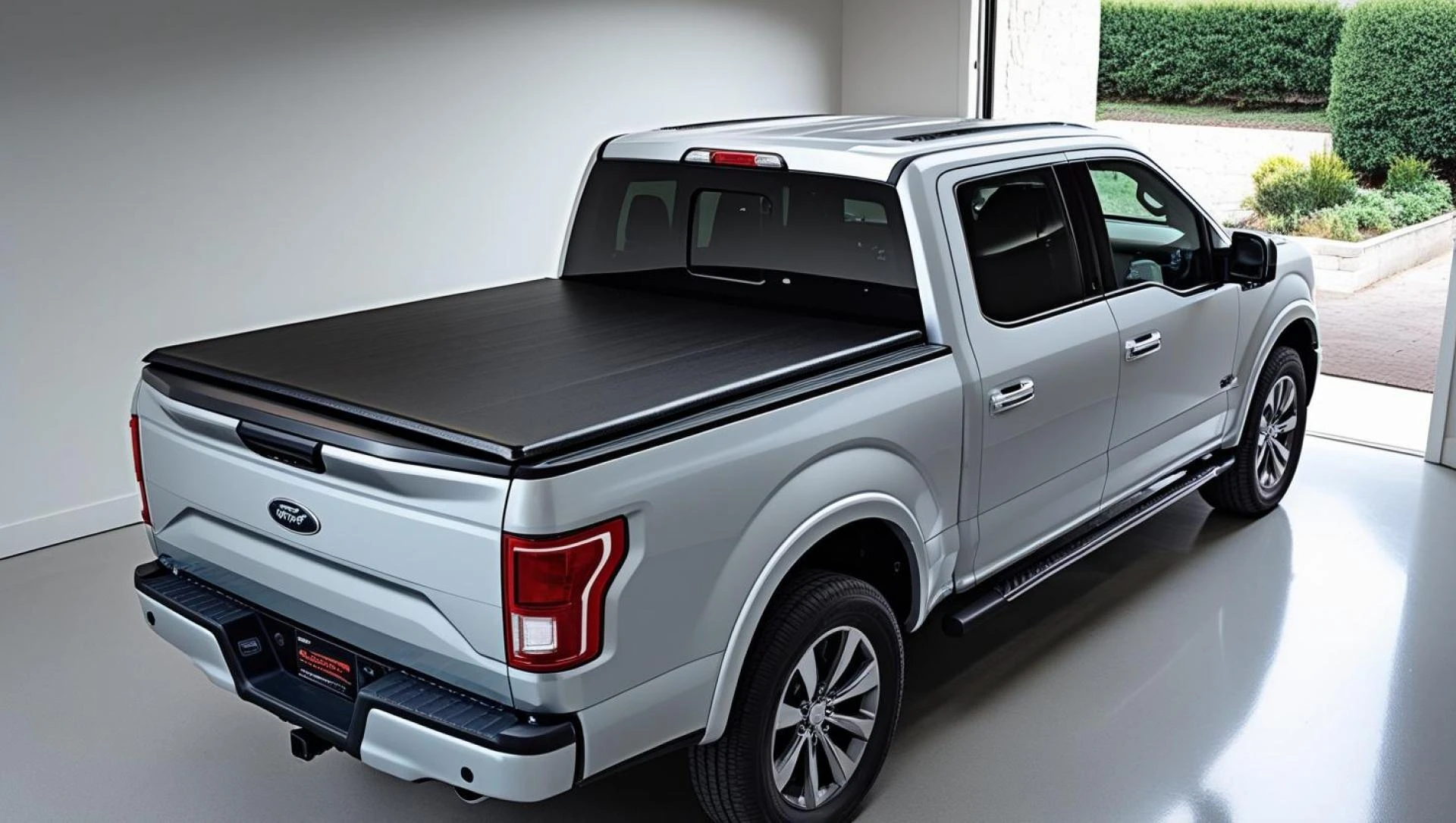

Driving a truck at highway speeds can get loud—wind turbulence, vibrating panels, and an open truck bed all contribute to extra noise. If you’ve ever noticed your cabin gets quieter after installing a tonneau cover, that’s not your imagination. A well-fitted tonneau cover actually reduces noise significantly, especially during highway driving.
Here’s a clear breakdown of why tonneau covers reduce noise, how different types perform, and what you can do to keep your cover quiet for years.
1. The Science: Why an Uncovered Truck Bed Creates Noise
An open truck bed acts like a large echo chamber.
At higher speeds:
- Air rushes into the empty bed
- Pressure builds up
- Turbulence forms swirling air pockets
- These vibrations create low-frequency rumbling and whistling noise
This airflow pattern is similar to blowing across the top of a bottle—the cavity amplifies the sound.
A tonneau cover closes the cavity, reducing the turbulence that causes noise.
2. How a Tonneau Cover Reduces Noise
✔ It Eliminates Turbulence Inside the Bed
With the bed sealed, air flows smoothly over the top of the truck instead of diving inside.
Less airflow = less vibration = less noise.
✔ It Reduces Wind Drag Against the Tailgate
Air hitting the tailgate directly produces extra resistance and sound.
A tonneau cover smooths the airflow toward the rear, lowering that pressure zone.
✔ It Prevents Panel Flapping
Soft tonneau covers prevent the fabric from fluttering when tensioned correctly.
Hard covers fully block wind entry.
✔ It Cuts Down on Road Noise Echo
Without a hollow bed acting like a resonator, the cabin feels noticeably quieter.
3. Which Tonneau Covers Reduce Noise the Most?
Not all covers offer the same level of noise reduction. Here’s what to expect:
① Hard Folding Covers (Best Noise Reduction)
- Very quiet due to rigid panels
- No fabric flapping
- Creates a smooth aerodynamic surface
② Retractable Covers
- Smooth aluminum or polycarbonate slats
- Good airflow control
- Quiet if rails are sealed properly
③ Soft Roll-Up Covers
- Quiet when properly tensioned
- May flap slightly at high speeds if not adjusted
④ Soft Tri-Fold Covers
- Better than roll-up covers
- Still dependent on strong clamps and tight seals
4. Common Noise Issues & How to Fix Them
Even a tonneau cover can become noisy if something is loose or worn out.
✔ Whistling Noise at the Front of the Bed
Cause: Gaps at the bulkhead
Fix: Add foam or rubber weatherstripping
✔ Flapping Noise on Soft Covers
Cause: Low tension
Fix: Tighten tension knobs or rear clamps
✔ Rattling From Hard Covers
Cause: Loose clamps or misaligned rails
Fix: Re-tighten clamps and adjust rails
✔ Noise While Retracting
Cause: Dirty or dry rails
Fix: Clean rails and apply silicone lubricant
5. How to Keep Your Tonneau Cover Quiet Long-Term
✔ Clean and lubricate rails every 2–3 months
This reduces friction and rattling.
✔ Check tension every season
Soft covers stretch during summer heat.
✔ Replace worn seals
Gaps allow wind entry, which increases noise.
✔ Tighten clamps periodically
Highway vibration loosens hardware over time.
✔ Keep the cover surface clean
Debris creates micro turbulence and whistling.
6. Bonus Benefit: Noise Reduction + Better Fuel Efficiency
A quieter ride isn’t the only perk.
Resolving turbulence lowers drag, which can improve fuel economy by 5–10%, especially on highways.
Less noise + smoother airflow = a more efficient drive.
7. When a Tonneau Cover Won’t Fix the Noise
If you still hear loud whistling or rattling:
- Your cover may be damaged
- It may not fit your truck model correctly
- The seals or clamps may be worn out
- Rails could be bent or misaligned
In those cases, repair or replacement is the best solution.
Final Thoughts
A tonneau cover isn’t just for security and style—it also plays a major role in creating a quieter, smoother driving experience. By reducing turbulence, sealing the truck bed, and preventing panel movement, a tonneau cover helps your truck feel more refined, especially at highway speeds.
If you maintain it properly, your cover will keep noise down and comfort up for years.





























Sign in to leave a comment.