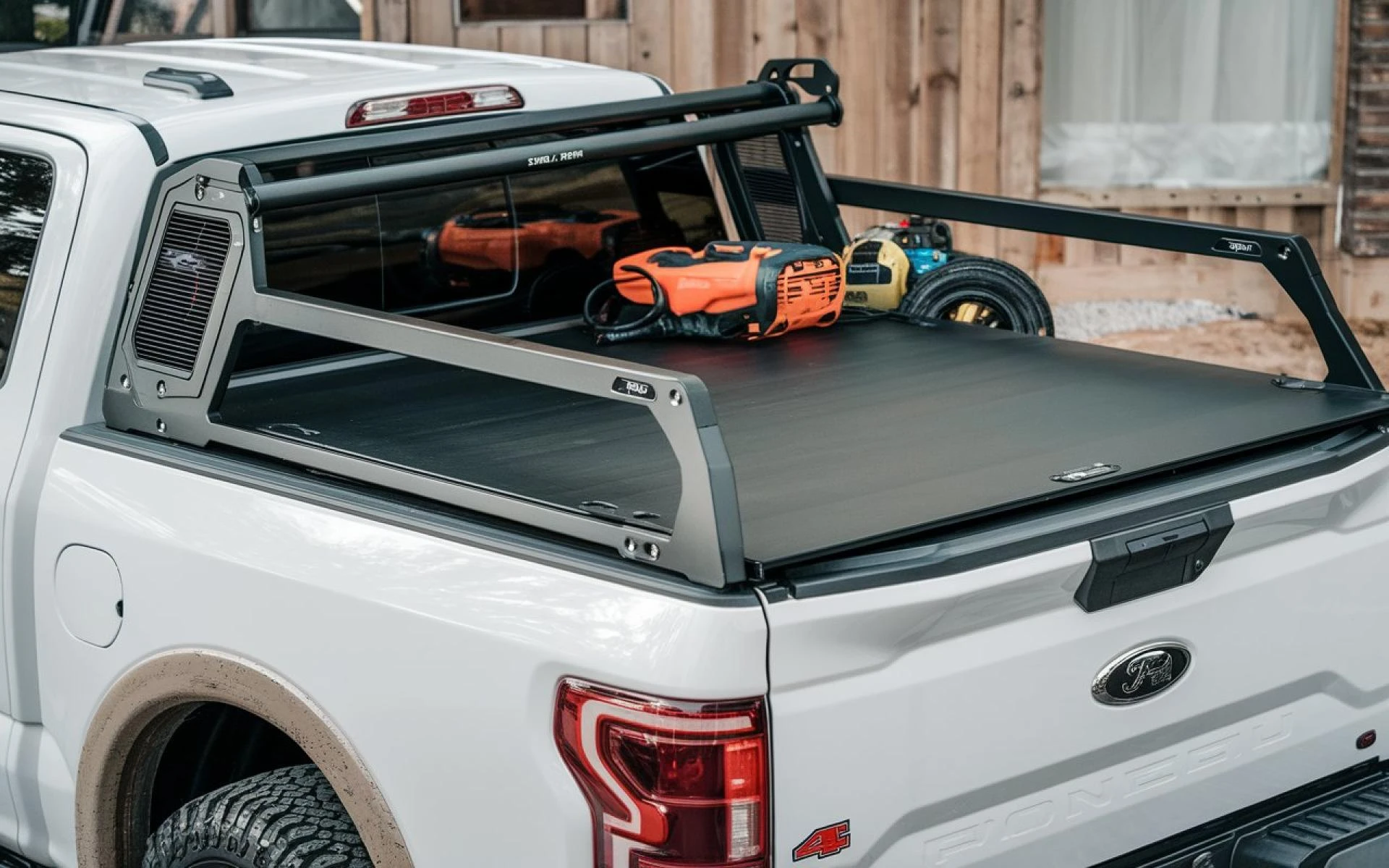

A tonneau cover is a valuable accessory for pickup truck owners, protecting the truck bed from weather, theft, and debris while enhancing the vehicle’s aesthetics and aerodynamics. However, there are times when you may need to remove and store your tonneau cover, whether for transporting oversized cargo, cleaning, or seasonal changes. Properly storing your tonneau cover ensures it remains in good condition and extends its lifespan. This blog provides a detailed guide on how to store your tonneau cover safely and effectively when not in use.
Why Proper Storage Matters
Storing your tonneau cover correctly is crucial to prevent damage such as scratches, warping, or material degradation. Improper storage can lead to costly repairs or replacements. Whether you have a soft vinyl cover, a hard fiberglass cover, or a retractable aluminum cover, following the right storage practices will keep it functional and looking great for years.
Step-by-Step Guide to Storing Your Tonneau Cover
1. Clean the Tonneau Cover Thoroughly
Before storing your tonneau cover, clean it to remove dirt, grime, and debris that could cause scratches or stains over time.
- For Soft Covers (Vinyl or Fabric):
- Use a mild soap solution and a soft-bristle brush or microfiber cloth to gently scrub the surface.
- Rinse thoroughly with water to remove all soap residue.
- Apply a vinyl protectant to prevent cracking or fading during storage.
- For Hard Covers (Fiberglass, Aluminum, or Plastic):
- Wipe down with a damp cloth and mild detergent.
- Avoid abrasive cleaners that could scratch the surface.
- Dry completely with a microfiber towel to prevent water spots.
- Tip: Ensure the cover is completely dry before storage to avoid mold or mildew growth, especially for soft covers.
2. Remove the Tonneau Cover Carefully
Removing the tonneau cover requires care to avoid damaging the cover or your truck. Refer to your cover’s manual for specific instructions, as removal methods vary by type (e.g., roll-up, tri-fold, retractable, or hinged).
- General Steps:
- Open the cover fully and disengage any clamps, bolts, or latches securing it to the truck bed.
- For hard covers, you may need assistance to lift and remove the cover without scratching the truck.
- For retractable covers, retract the cover into its canister and remove the canister if possible.
- Tip: Label any hardware (bolts, clamps, or brackets) and store them in a labeled bag to avoid confusion during reinstallation.
3. Choose an Appropriate Storage Location
The storage environment plays a significant role in preserving your tonneau cover’s condition. Consider the following factors:
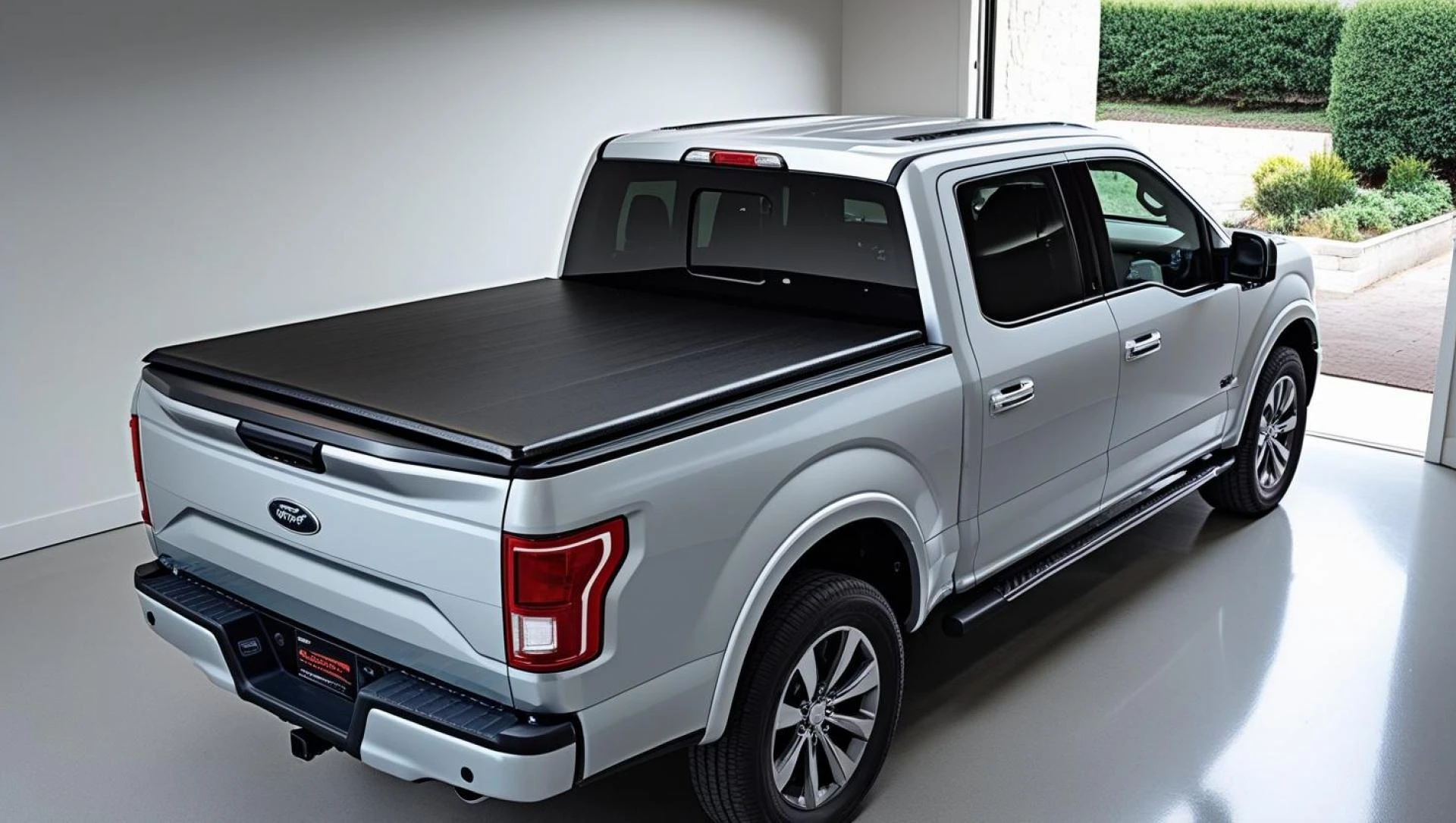
- Indoor Storage: A garage, shed, or basement is ideal to protect the cover from extreme temperatures, UV rays, and moisture.
- Dry Environment: Avoid damp or humid areas to prevent mold, mildew, or rust (for metal components).
- Temperature Control: Extreme heat can warp or crack materials, while freezing temperatures can make vinyl brittle. Aim for a stable, moderate temperature.
- Avoid Direct Sunlight: UV exposure can fade colors and degrade materials over time.
- Tip: If indoor storage isn’t available, consider a climate-controlled storage unit for long-term storage.
4. Use Proper Storage Accessories
To protect your tonneau cover during storage, use accessories designed to maintain its shape and prevent damage:
- Storage Bag or Cover: Many tonneau covers, especially soft roll-up models, come with a storage bag. If yours didn’t, purchase a padded bag or use a clean, breathable tarp to cover it.
- Padding for Hard Covers: For hard covers, wrap the edges with foam or bubble wrap to prevent scratches or dents.
- Support for Heavy Covers: For large or heavy covers (e.g., fiberglass), use a sturdy rack or shelf to avoid placing undue pressure on any single point.
- Tip: Avoid stacking heavy items on top of the cover, as this can cause warping or crushing.
5. Store in the Correct Position
The way you position your tonneau cover during storage can impact its condition:
- Soft Roll-Up Covers: Roll the cover tightly and secure it with straps or place it in a storage bag. Store it flat or upright in a way that avoids creases or folds that could become permanent.
- Tri-Fold Covers: Store flat or slightly folded, following the manufacturer’s fold lines. Avoid forcing the cover into unnatural positions.
- Hard Covers: Store flat on a padded surface or upright if supported properly. Ensure the weight is evenly distributed to prevent warping.
- Retractable Covers: If the canister is removable, store it as a single unit. If not, ensure the retracted cover is protected from dust and debris.
- Tip: Check the manufacturer’s recommendations for specific storage positions to avoid voiding the warranty.
6. Protect Against Pests and Dust
In storage, tonneau covers can attract dust or become a target for pests like rodents, especially soft covers made of vinyl or fabric.
- Dust Protection: Cover the tonneau with a breathable tarp or storage bag to keep dust off.
- Pest Prevention: Store the cover in a sealed container or elevated off the ground to deter rodents. Avoid using plastic bags for long-term storage, as they can trap moisture and encourage mold growth.
- Tip: Place silica gel packets or a dehumidifier in the storage area to control moisture levels.
7. Periodic Maintenance During Storage
Even while in storage, your tonneau cover may need occasional attention to stay in top condition:
- Check Periodically: Inspect the cover every few months for signs of mold, mildew, or pest damage.
- Reapply Protectant: For soft covers, reapply a vinyl protectant every 3–6 months to maintain flexibility.
- Ventilation: Ensure the storage area remains well-ventilated to prevent moisture buildup.
- Tip: Rotate the cover’s position (if stored upright) to prevent stress on one side over time.
Additional Tips for Long-Term Storage
- Label the Cover: If you own multiple tonneau covers or truck accessories, label the cover or its storage bag with the make, model, and year of your truck for easy identification.
- Avoid Harsh Chemicals: Do not store the cover near solvents, gasoline, or other chemicals that could degrade the material.
- Document the Setup: Take photos or notes of the cover’s installation setup before removal to make reinstallation easier.
Common Mistakes to Avoid
- Storing a Wet Cover: Moisture can lead to mold, mildew, or rust, especially in humid environments.
- Improper Folding or Rolling: Forcing a cover into an unnatural shape can cause permanent creases or cracks.
- Neglecting Hardware: Misplacing clamps, bolts, or brackets can make reinstallation difficult.
- Exposing to Sunlight: UV rays can fade and weaken materials, even during short-term storage.
Conclusion
Properly storing your tonneau cover when not in use is essential to maintaining its appearance, functionality, and longevity. By cleaning it thoroughly, removing it carefully, choosing an appropriate storage location, and using the right accessories, you can ensure your cover remains in excellent condition. Regular maintenance checks and attention to detail will further protect your investment, so your tonneau cover is ready to perform when you need it again.
By following these steps, you’ll not only extend the life of your tonneau cover but also save time and money in the long run. Happy storing!



























Sign in to leave a comment.